Volkswagen e-Transporter van gets battery and drivetrain upgrades
In 2026, Volkswagen Commercial Vehicles increased the e-Transporter battery from 64 kWh to 70 kWh, raising WLTP range to 380 km…
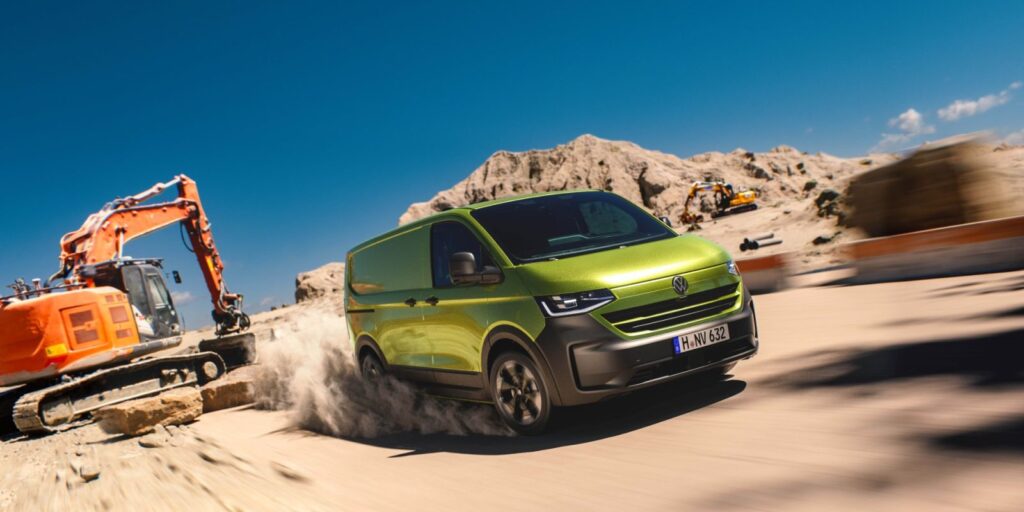
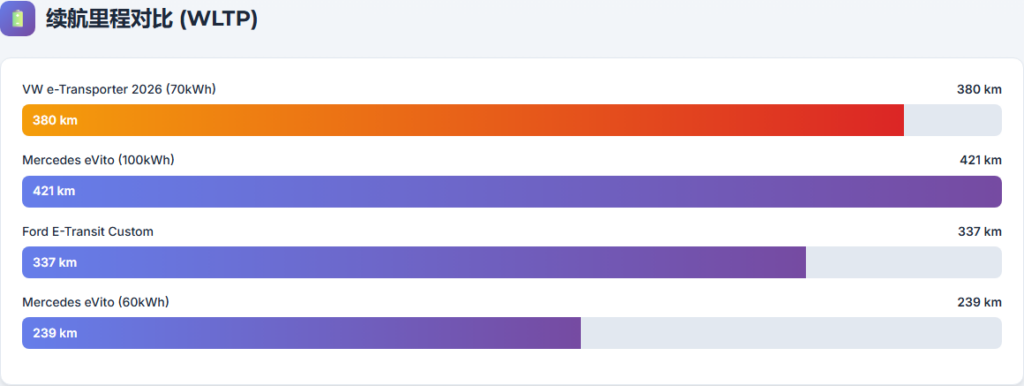
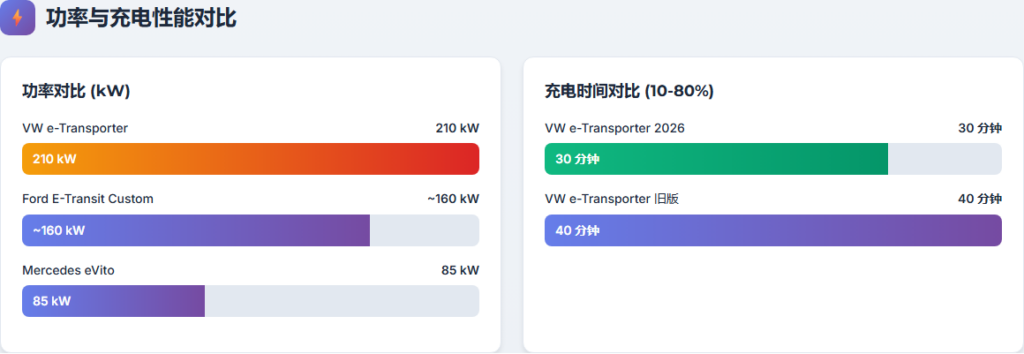

In 2026, Volkswagen Commercial Vehicles increased the e-Transporter's battery from 64kWh to 70kWh, raising WLTP range to 380 km, an increase of 13%. The 10-80% fast-charging time was cut from 40 minutes to 30 minutes, and the 125kW peak power is now held for longer. More importantly, the 4Motion all-wheel-drive system will launch in early 2026. It uses front and rear electric motors with no mechanical coupling, so torque can be redistributed quickly.
Battery upgrade
70kWh battery and 380 km range. Compared with the previous 64kWh version, usable capacity is higher while the physical size is unchanged; software optimisation unlocks more energy. For frequent short trips such as urban delivery and municipal services, 380 km of range covers a full day's operation without charging along the way.
Fast charging is 10 minutes quicker: 10% to 80% in 30 minutes, and about 100 km of range added in 10 minutes. For logistics fleets, whether charging reliably fits within loading/unloading and rest windows matters more than peak power.
4Motion electric AWD opens up more use cases
The 4Motion AWD system launches in early 2026. It uses a dual-motor layout, front and rear, and the two drive units are not mechanically coupled. Torque can therefore be shifted between the front and rear axles quickly and as needed. Working with ESP and traction control, this improves stability on wet, construction-site and unpaved surfaces. For construction sites, slippery roads and unpaved roads, this capability is a prerequisite for using the vehicle at all.
Three power outputs are available: 100kW, 160kW and 210kW. The 210kW version delivers 218 hp, the most powerful electric van in its class. Volkswagen stays ahead on power compared with the Ford E-Transit Custom and the Mercedes-Benz eVito (136 hp).
Price positioning
Volkswagen's e-Transporter starts at €59,369.10, and the AWD version costs €65,259.60, a gap of about €5,890. That premium pays for the use cases AWD opens up. The vehicle can operate in many more settings, from paved urban roads to construction sites and unpaved roads. Competitors: the Ford E-Transit Custom offers 337 km of range, and the Mercedes-Benz eVito comes in 60kWh and 100kWh versions (239-421 km).
Market trends
Electric van registrations fell 13.2% in Q3 2025. This dip is an adjustment ahead of a product changeover. Volkswagen and Ford build together at a plant in Turkey and are upgrading the E-Transit Custom and e-Transporter at the same time. Mainstream manufacturers are steadily making electric vans more usable.
Europe's electric van market is entering a stage with clearer segments and more practical entry thresholds. Competition now comes down to whether a van can run reliably every day and whether the economics work. Once range, fast charging, power and off-road capability all reach a usable threshold, electric vans are no longer a green option. They become the baseline standard for transport capacity.