Chinese automakers in Europe: competition shifts from vehicle prices to dealer networks and after-sales
XPeng plans to expand in the UK from 22 sites to about 100; BYD targets 300 in Germany by year-end, and Farizon has signed 4. BYD registered 47961 vehicles in Germany in months 1–10, and Chery took 2.4% of the UK market in month 10.
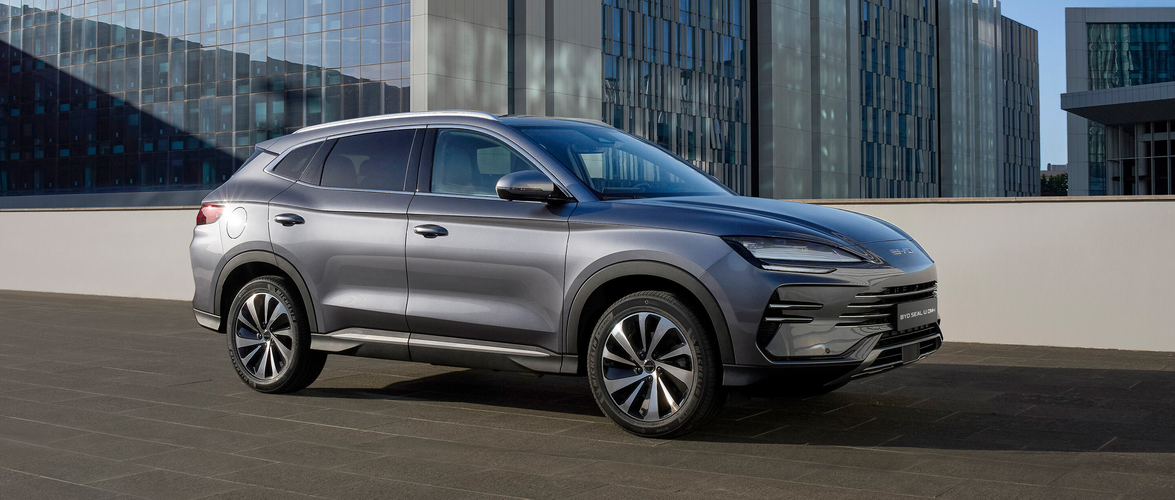
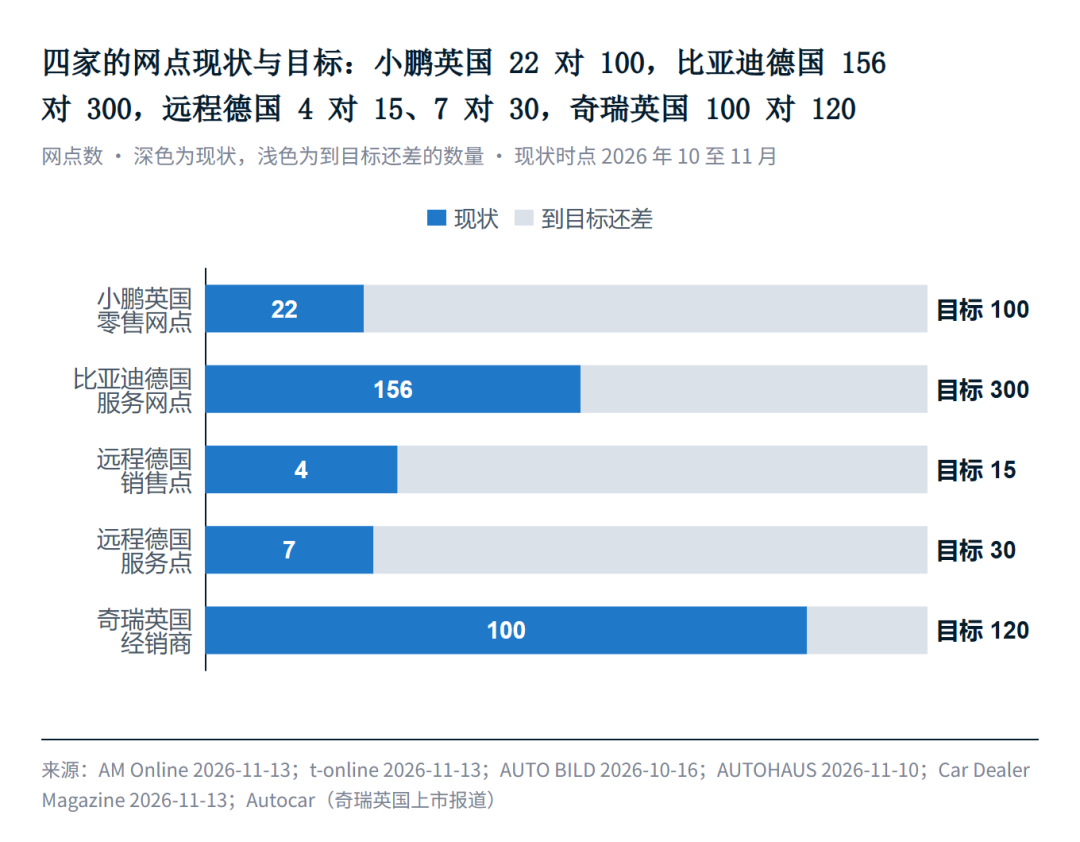
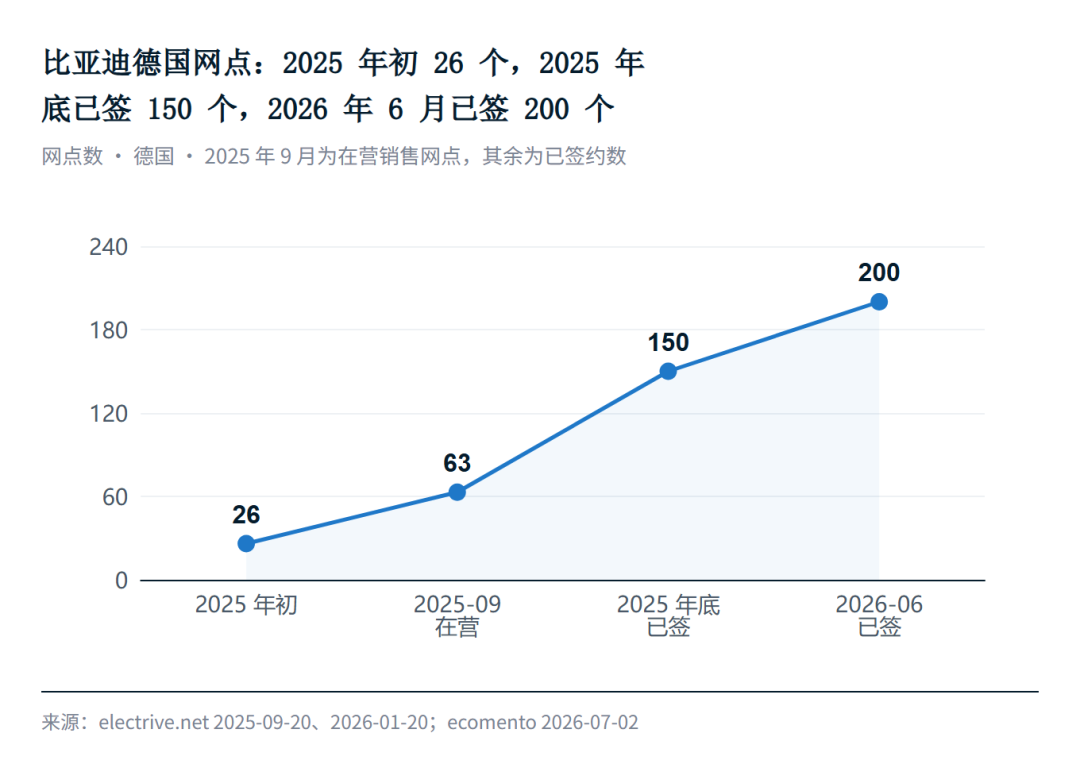
On Nov 12, XPeng announced in London that it plans to expand its UK retail and service network from the current 22 sites to about 100 by the end of 2027. On Nov 13, BYD's head of Germany told German media that its German network will reach 300 sites by year-end and 400 in the long term, with parts already deliverable overnight. On Nov 11, Farizon, Geely's commercial vehicle brand, published progress on its German network: it has signed 4 sales and service points, targeting at least 15 sales points and 30 service points.
BYD and Chery have sales running ahead of their dealer networks, while XPeng and Farizon have set network targets first. In Germany, the insurance classes and residual values that insurers and the used-car market assign to new brands still offset part of their price advantage. Changing that will take dealerships that are actually open, parts warehouses and several years of claims history.
Dealer network target vs. signed
Several automakers have set targets of multiplying their networks within one or two years, still some way off the number of outlets actually operating.
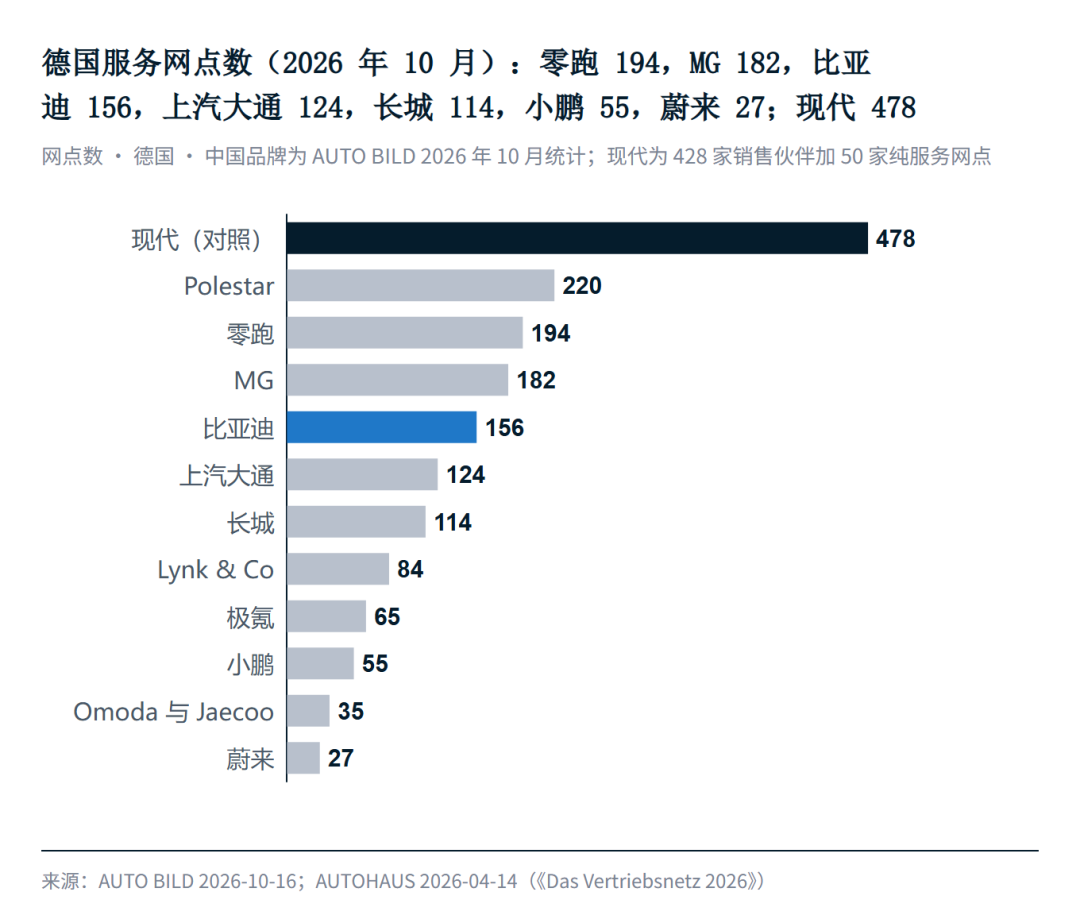
In the context of the German market, data for month 10 show Leapmotor with 194 service points and MG with 182; Hyundai has 428 sales partners plus 50 service-only points. BYD's target of 300 is about 70% of Hyundai's sales partner count.
Outlets signed, outlets open and outlets able to repair this model are three different numbers; manufacturers usually publish the first. Dealers and fleet customers checking network progress need to look at the latter two.
Registrations and sales per outlet
Official sales statistics are available. Data from Germany's Federal Motor Transport Authority (KBA) show BYD registered 5,173 cars in October, a 2.0% share; January–October registrations reached 47,961, more than triple the year-earlier figure and about 87% of its full-year target of at least 55,000. The SMMT brand table shows Chery registered 3,707 cars in the UK in October, 2.4% of the 152,730 total, up from 1,263 in the same month a year earlier; January–October registrations totalled 37,071, and Chery UK's cumulative customer base has reached 40,000. XPeng registered 330 cars in the UK in October, a 0.2% share.
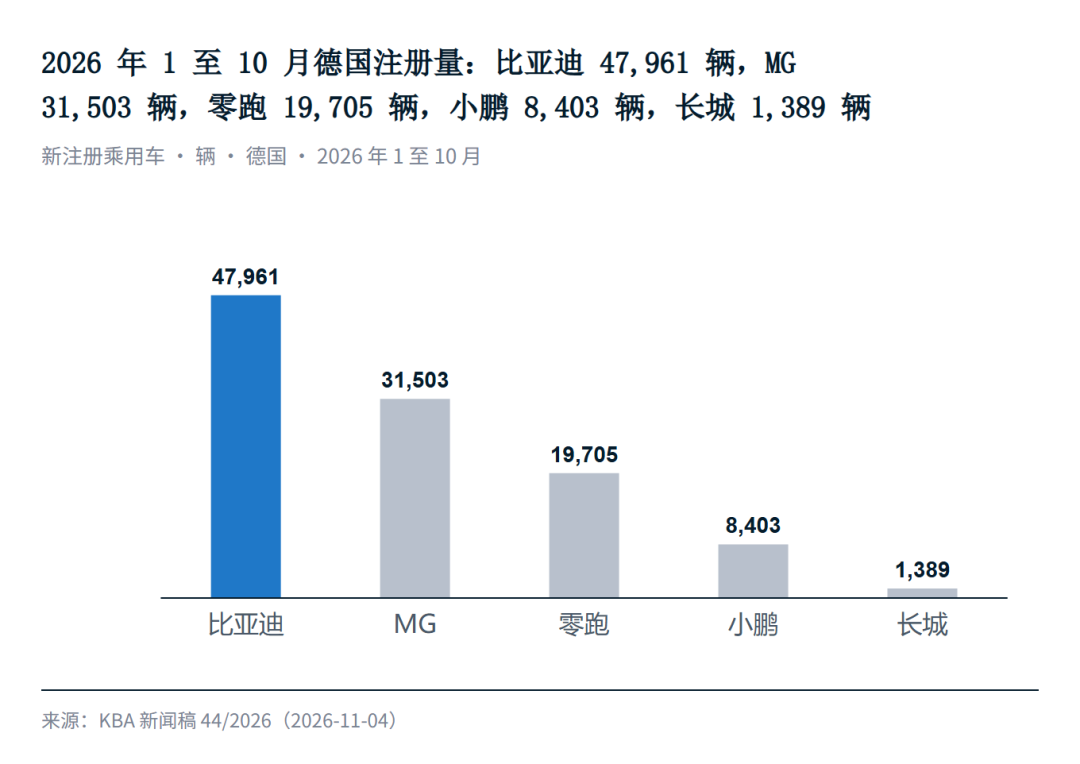
Dividing month 10 registrations by outlets: BYD in Germany had about 33 units per service outlet, Hyundai about 15; Chery in the UK had about 37 per dealer, XPeng about 15.
Monthly registrations show only the volume of new vehicles; service pressure also depends on the cumulative parc and the number of service bays. BYD has added about 71,000 vehicles in Germany since 2025, and as these cars enter maintenance and accident-repair cycles, its outlets and bays need to grow accordingly. XPeng is doing it the other way round: building the network first, with the business of roughly 100 outlets relying on five right-hand-drive models due over the next 12 months.
Parts delivery time to dealers
Parts delivery times are currently available only as figures published by each company:
Leapmotor ranks high on outlet count because its overseas business plugs into Stellantis's sales and parts network. Farizon uses Geely's existing passenger car showrooms but builds its own parts warehouses. BYD, XPeng and Chery sign up dealer groups one by one.
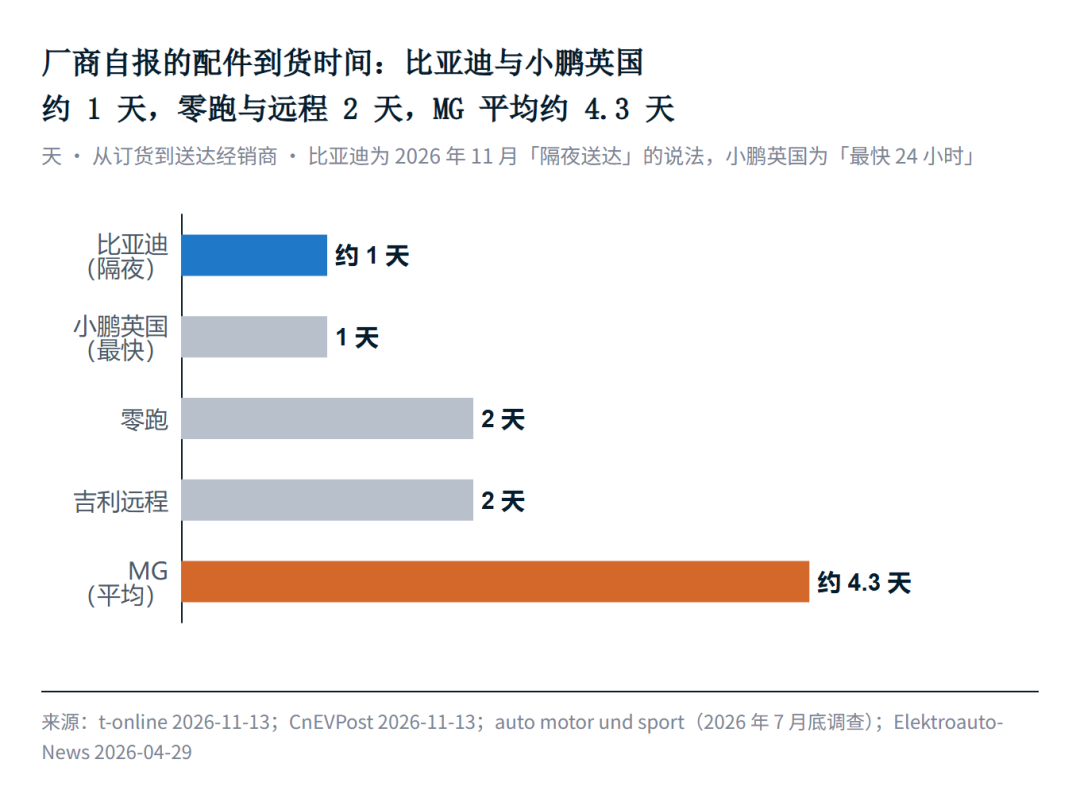
These figures use different bases: some are fastest times, some averages and some availability rates, so they cannot be used for ranking. New brands have a small local vehicle parc, so slow-moving parts may still need to be shipped from China. For customers such as taxi and delivery fleets, whose costs are measured by downtime, what matters is the total time from reporting a fault to getting the vehicle back.
Insurance group
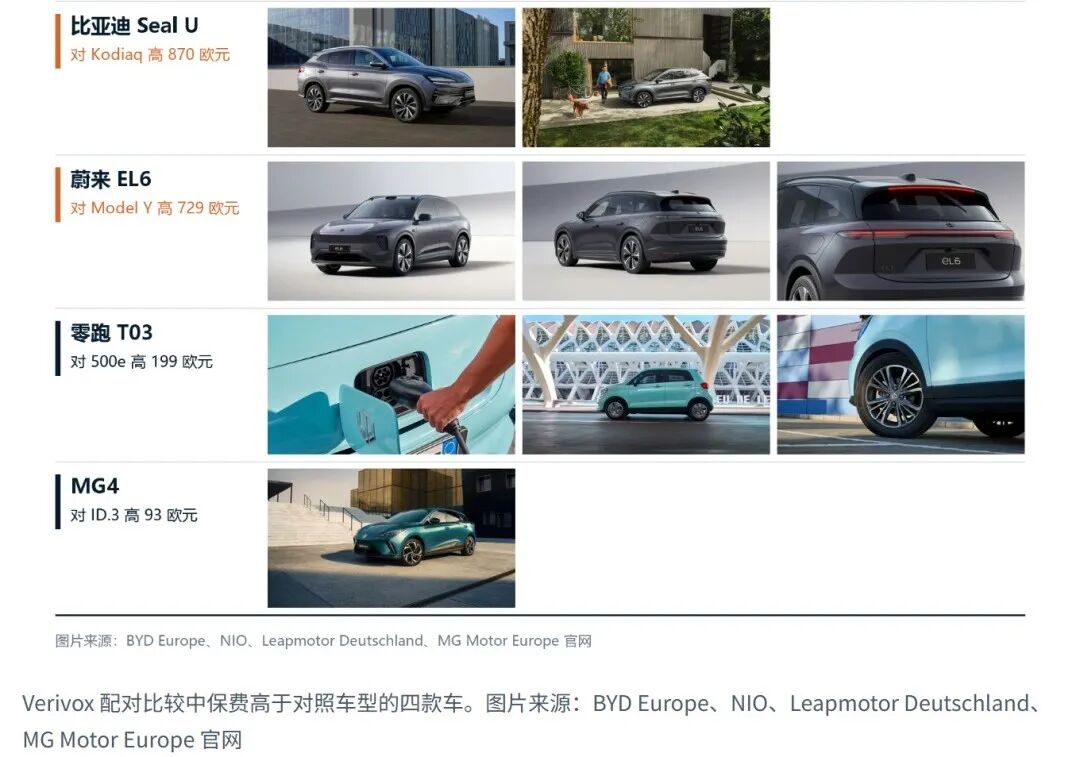
German price comparison platform Verivox published a set of paired comparisons of comprehensive insurance premiums on Nov 13, based on a 45-year-old Berlin driver covering 12000 km a year with 15 consecutive claim-free years:
The price gap comes from the type class. German insurers rate each model based on its past claims record, and the higher the class, the higher the premium. In 2027, the average comprehensive cover type class was 27 for BYD EVs and 20 for Škoda. For new models, accident risk and repair costs can only be estimated, so insurers place them in a higher class as a precaution. There are counterexamples: comprehensive cover for the Great Wall Ora 03 is 7% cheaper than for the Peugeot E-308.
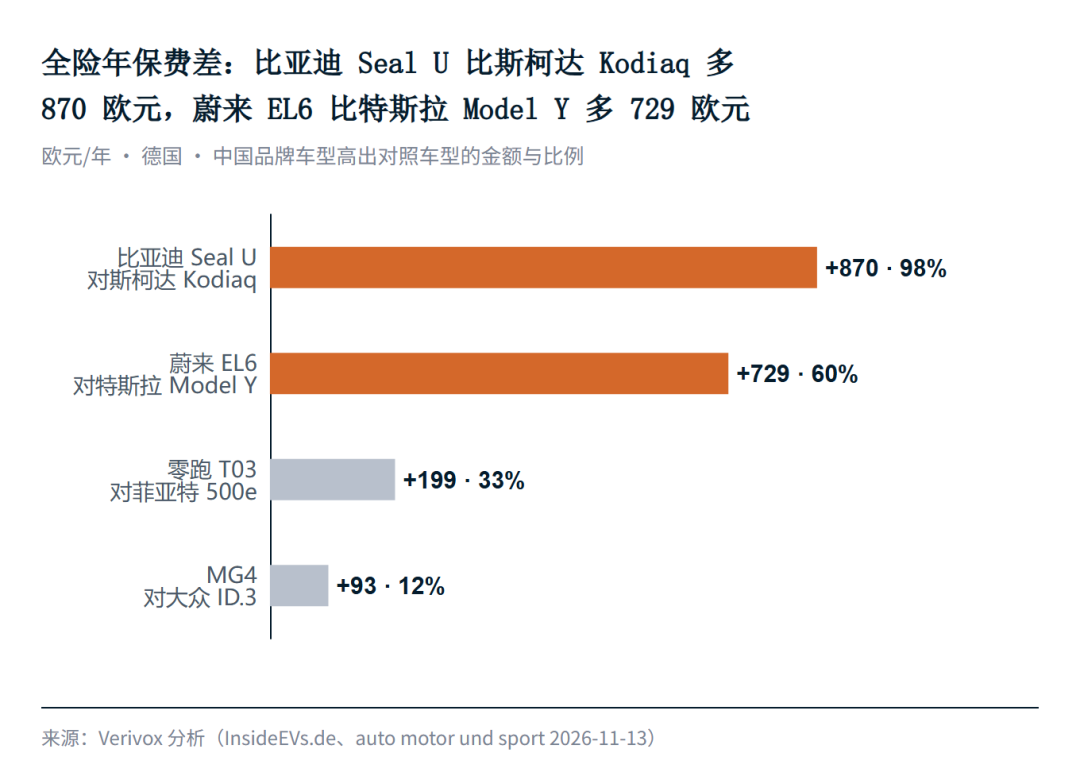
The Allianz Center for Technology analysed new models launched in Germany since 2024. In 2024, European manufacturers' insurance ratings were 3 classes lower than those of Chinese manufacturers; by 2026, the gap was only 1 classes. The centre's head said new manufacturers' lack of repair networks and inadequate parts supply lengthen repair times and push up parts prices, raising insurance costs. For mid-to-upper-priced models such as the Seal U and EL6, an extra EUR 700–800 a year is a visible cost item in lease quotes. Getting networks and parts in place can bring down some repair costs, but ratings are based on past claims, so this year's investment will take one to two years to show up in premiums.
Residual values and leasing
German residual value data are unfavourable for Chinese brands. According to the German vehicle valuation firm DAT, residual values of Chinese-brand PHEVs and BEVs fell from 61% at the start of 2024 to 47.2% at the start of Apr 2026, a drop of 13.8 percentage points, while the overall market for the same powertrains fell 7 points over the same period. DAT's head of valuation said a good product alone is not enough: brands also need a functioning dealer network and a used-car programme. Some leasing companies require manufacturers to provide compensation up front before they will add a model to their quoting systems.
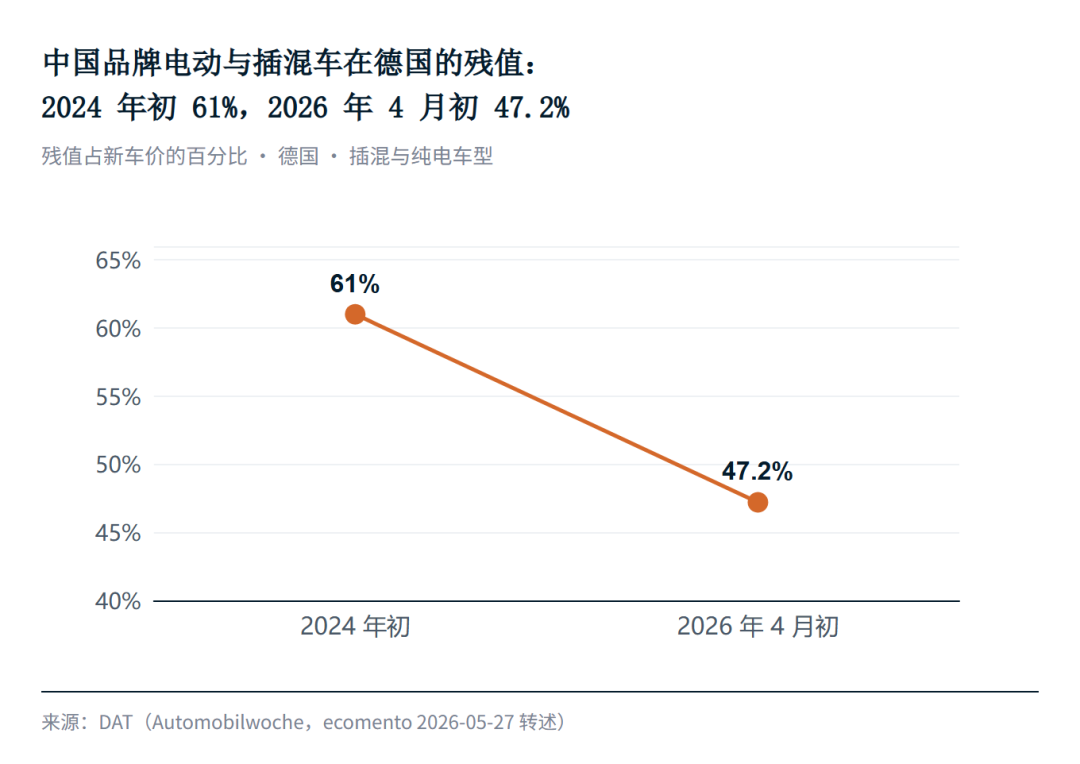
Source: Chart by AutoMusic based on the public sources listed in the article; first published on the AutoMusic WeChat account.
UK data paint a different picture. Estimates based on industry residual value forecasts show that after three years and 36000 miles, Chinese-brand models retain an average of 46.16% of their value, versus 46.00% for other brands. These are forecasts, and brands with very low sales are excluded.
Residual values directly affect lease payments and used-car buy-in prices. The issues flagged by valuation firms and leasing companies are the dealer network, used-car programmes and whether the brand will stay in the market long term. These must be addressed through local teams, parts warehouses and buy-back arrangements; further cuts to new-car prices cannot compensate and would also drag down used-car prices.
Final thoughts
Whether ownership costs can now approach those of European domestic brands depends on how many of the signed outlets are actually open and whether parts warehouses can cover slow-moving parts. For automakers entering Europe, if dealer networks, parts warehouses and used-car programmes lag sales by a year or two, the extra insurance and depreciation incurred in that period become part of the brand's cost of ownership.