German customers switching to Chinese-brand EVs
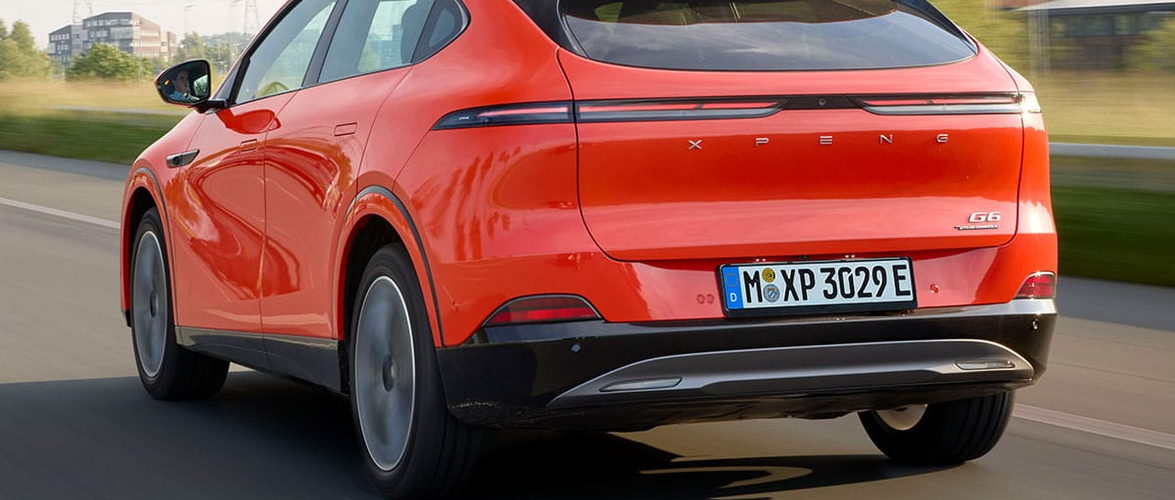
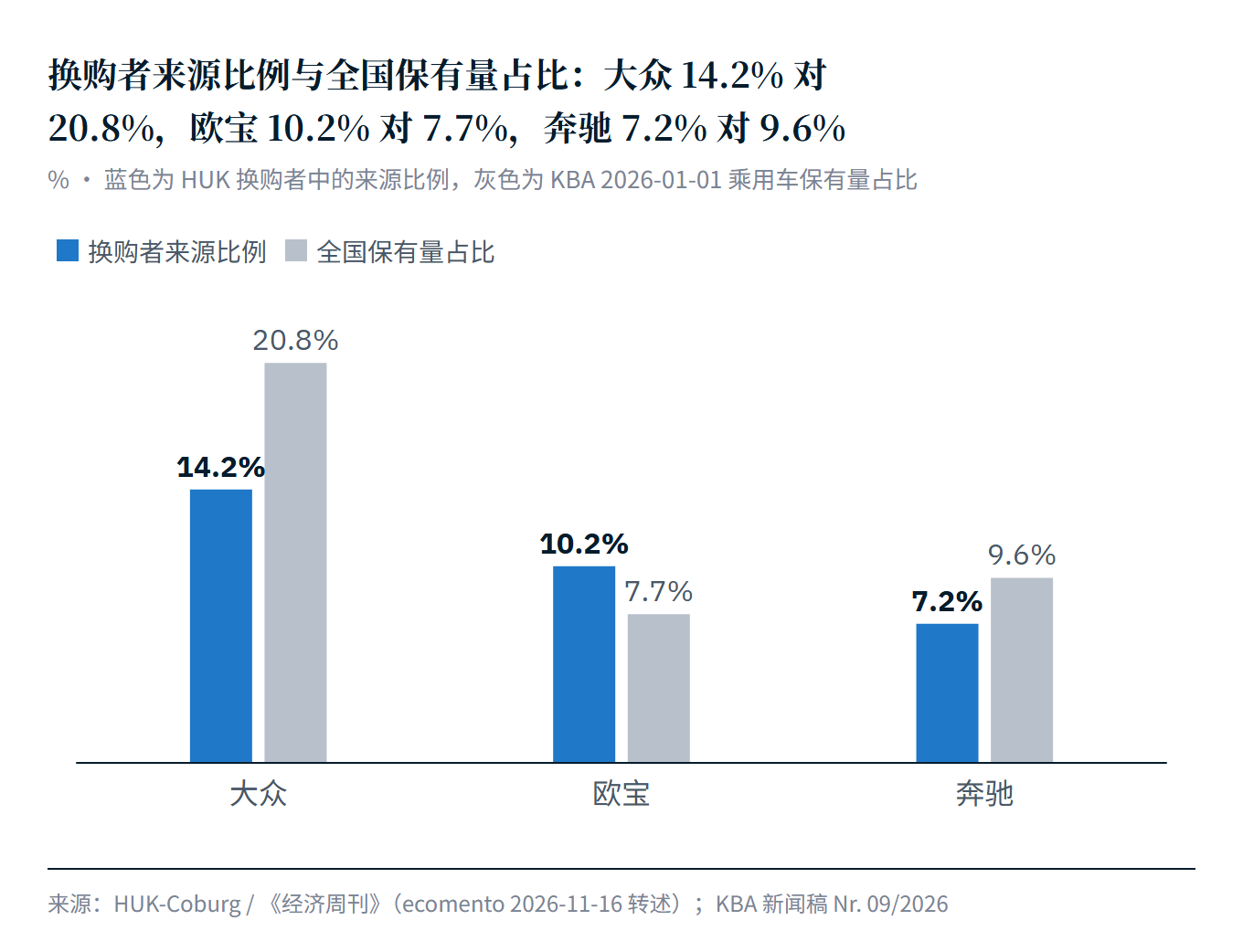
Figures compiled by German motor insurer HUK-Coburg for WirtschaftsWoche show that among HUK customers who switched to a new Chinese-brand electric car in the first three quarters of 2026, 14.2% previously drove a Volkswagen, 10.2% an Opel and 7.2% a Mercedes-Benz. Volkswagen has the highest share, and also the largest vehicle parc; relative to its share of the national parc, Opel is over-represented among switchers.
Source brand comparison
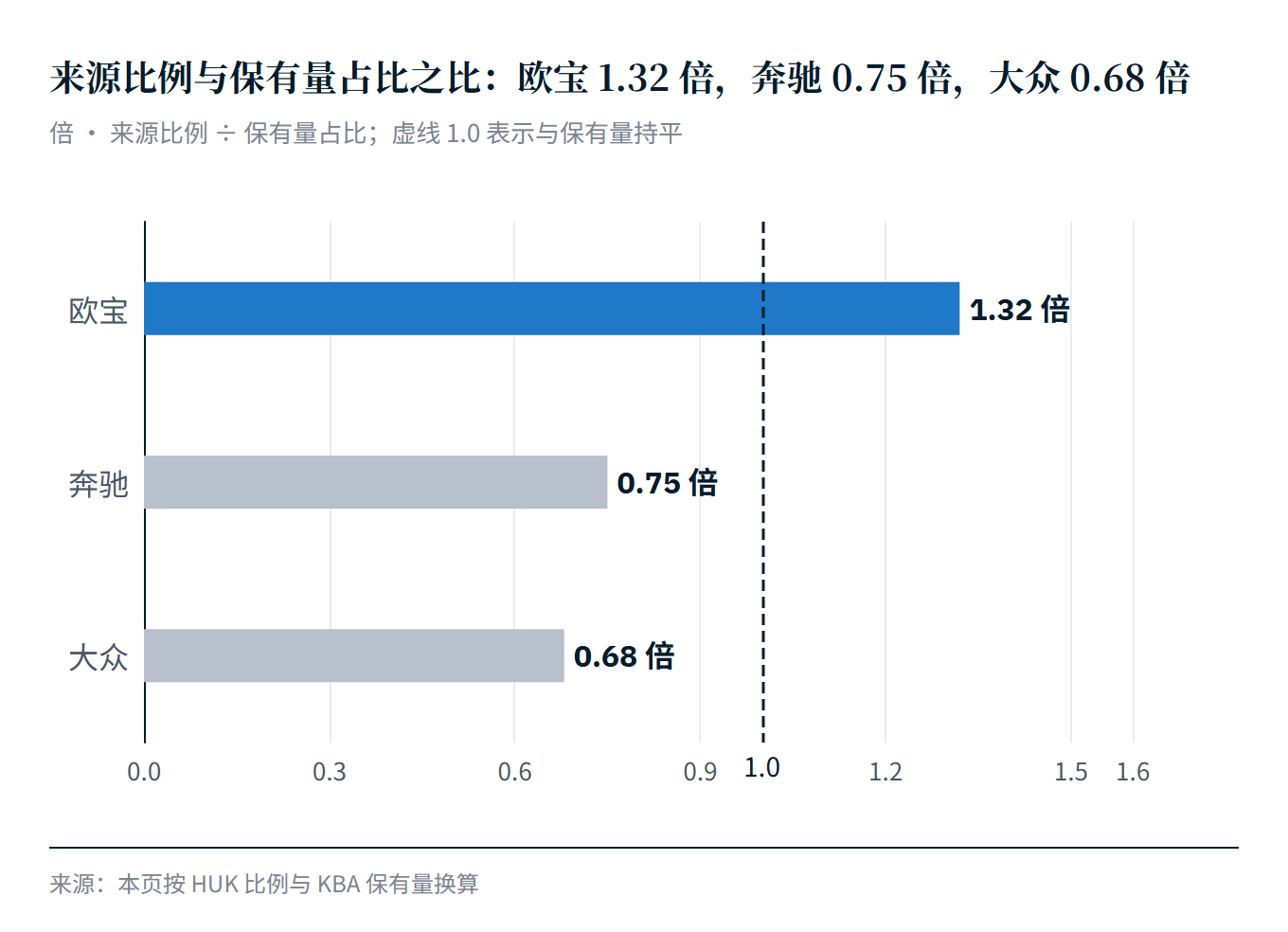
According to Germany's KBA, the German passenger car parc stood at about 49.49 million on 1 January this year, with Volkswagen at 20.8%, Mercedes-Benz at 9.6% and Opel at 7.7%. Dividing each brand's share of switchers by its share of the parc gives roughly 0.68x for Volkswagen, 0.75x for Mercedes-Benz and 1.32x for Opel. Of the three, Opel owners show the strongest signal of switching to Chinese-brand EVs.
Gap at the entry-level price point
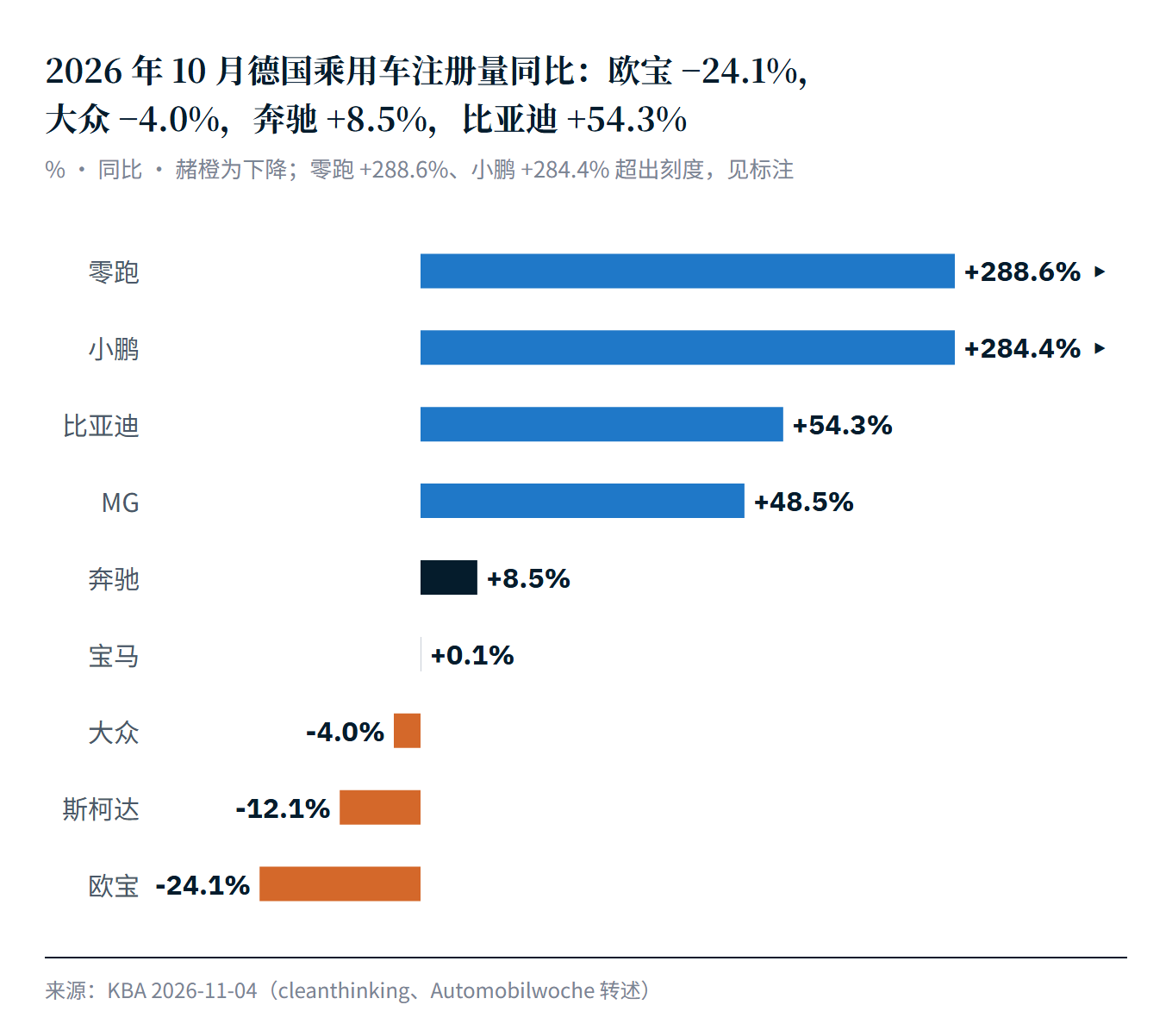
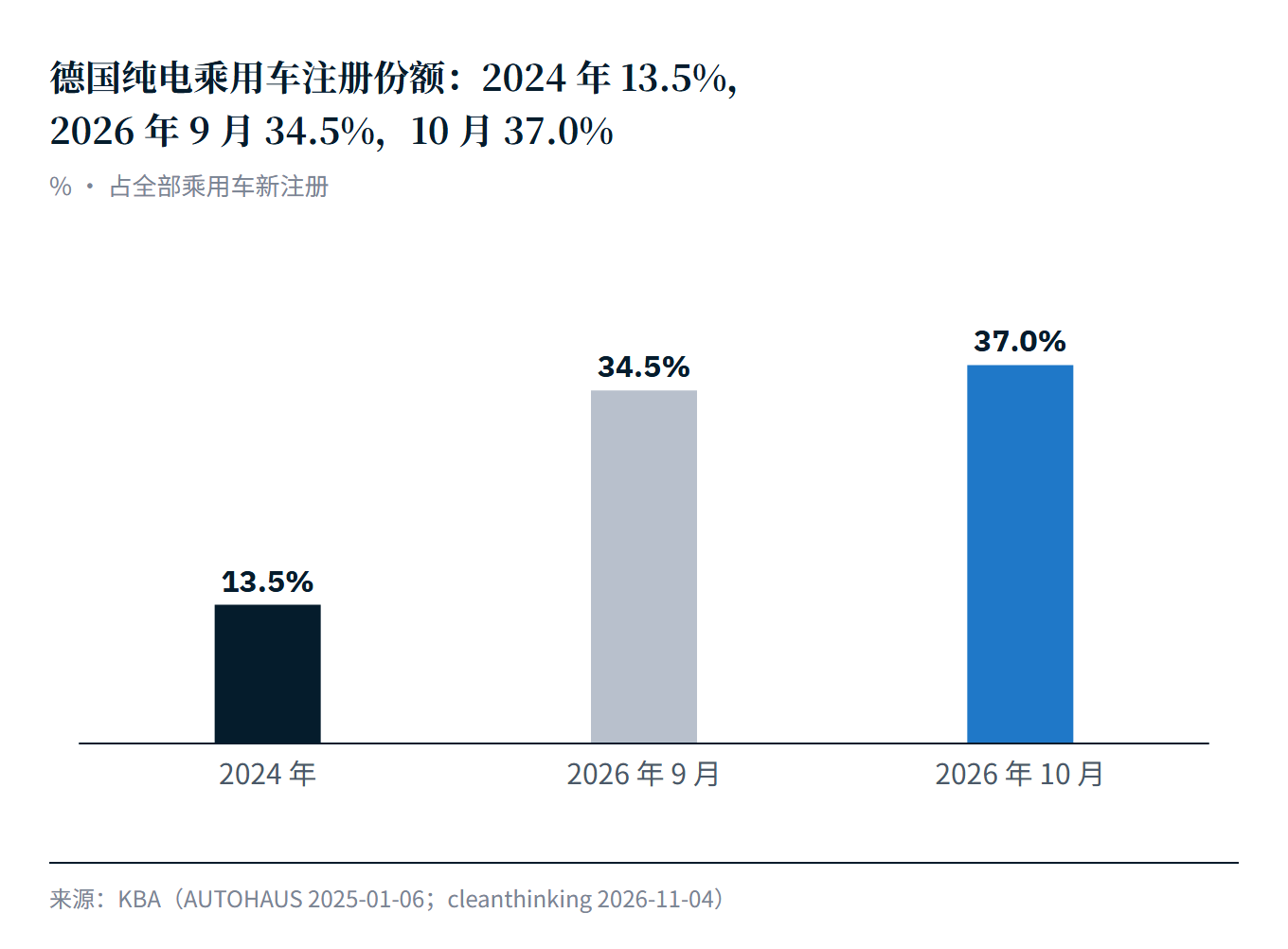
Chinese automakers' sales in Germany rose 63% year on year in October, for an 8.4% share. Legacy automakers have left gaps in low-price entry and volume models. In the same month, Opel registrations fell 24.1% year on year, Volkswagen fell 4.0%, and Mercedes-Benz rose 8.5%. As of Nov 1, the Federal Office for Economic Affairs and Export Control (BAFA) had approved 138,100 subsidy applications, 53% of them from households in the lowest income bracket, with taxable annual household income below EUR 45,000. Among approved brands, BYD ranked fourth, Leapmotor fifth and Volkswagen eighth.
Income-tiered subsidies make new EVs more affordable for low-income households, and bring lower-priced models more easily within those households' budgets.
Opel and Leapmotor
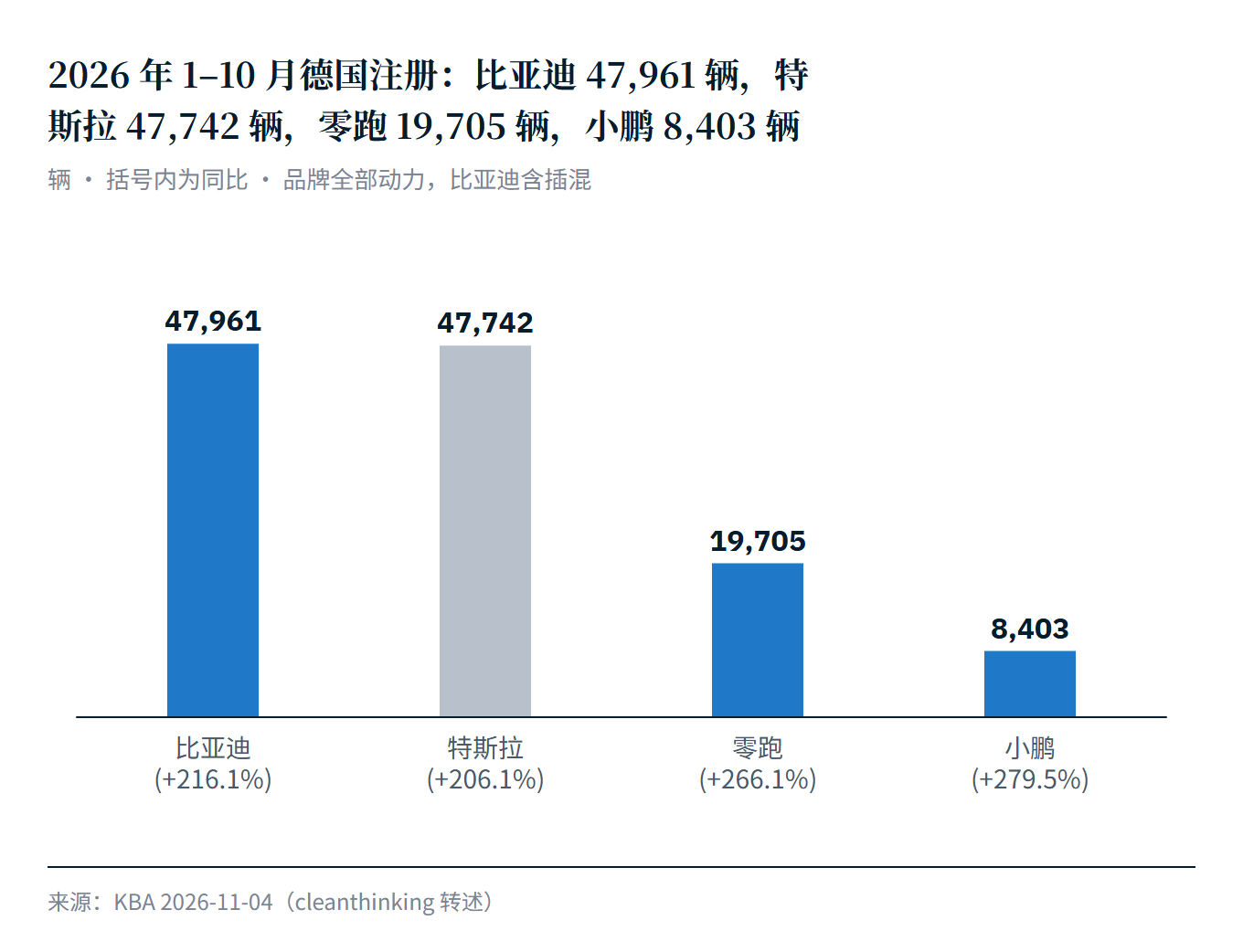
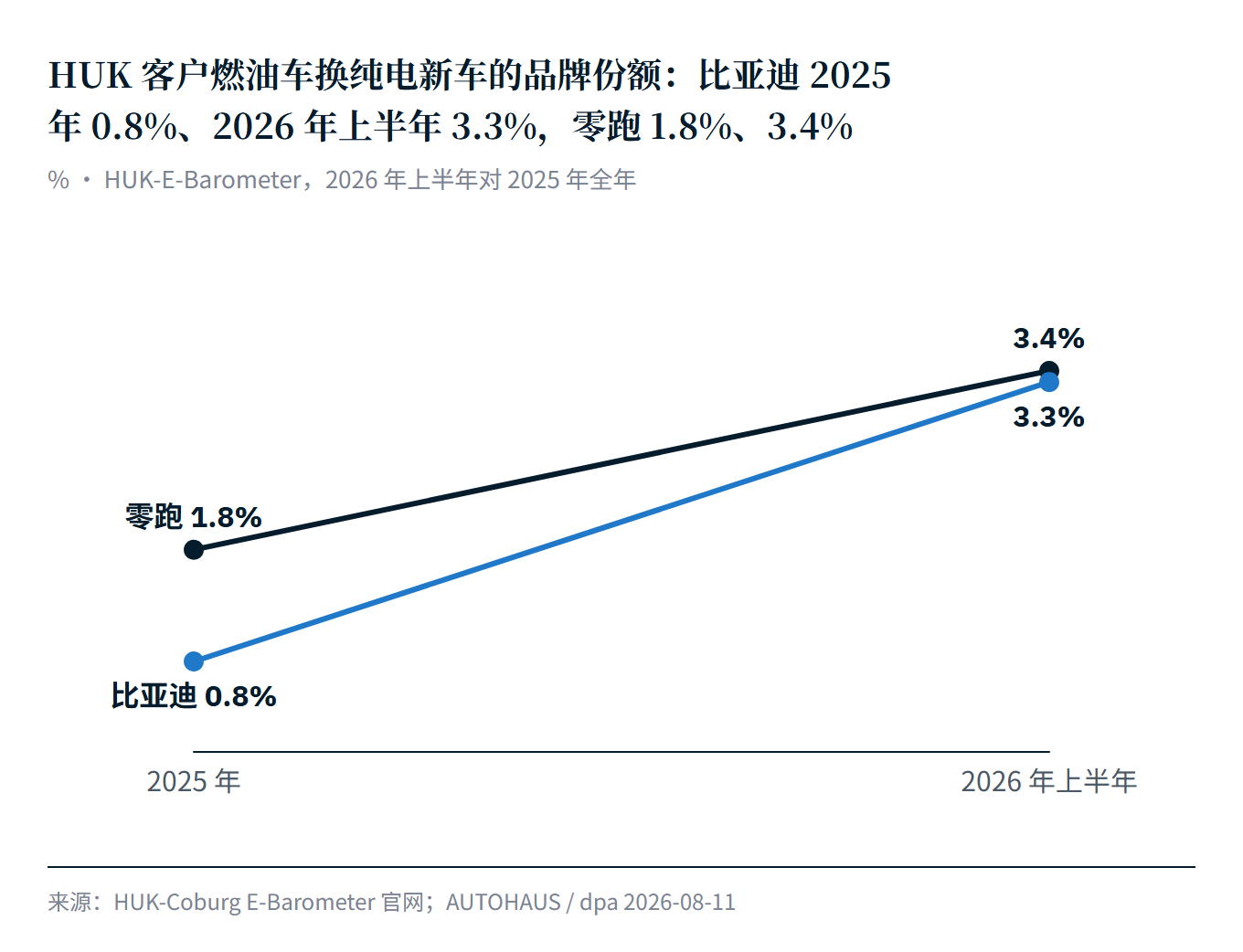
BYD registered 47961 units in Germany in the first 10 months (including PHEVs), up 216% year on year. According to HUK, among customers switching from a combustion car to a new BEV, BYD's share rose from 0.8% in 2025 to 3.3% in the first half of this year, and Leapmotor's from 1.8% to 3.4%. Among German brands, only Opel did not lose share. Leapmotor's business outside China is run by its joint venture with Stellantis, in which Stellantis holds 51%. For Stellantis, Opel customers who move to Leapmotor remain customers of a group joint venture, so not all of Opel's lost customers are a loss to the group.
Subsidy budget drawdown
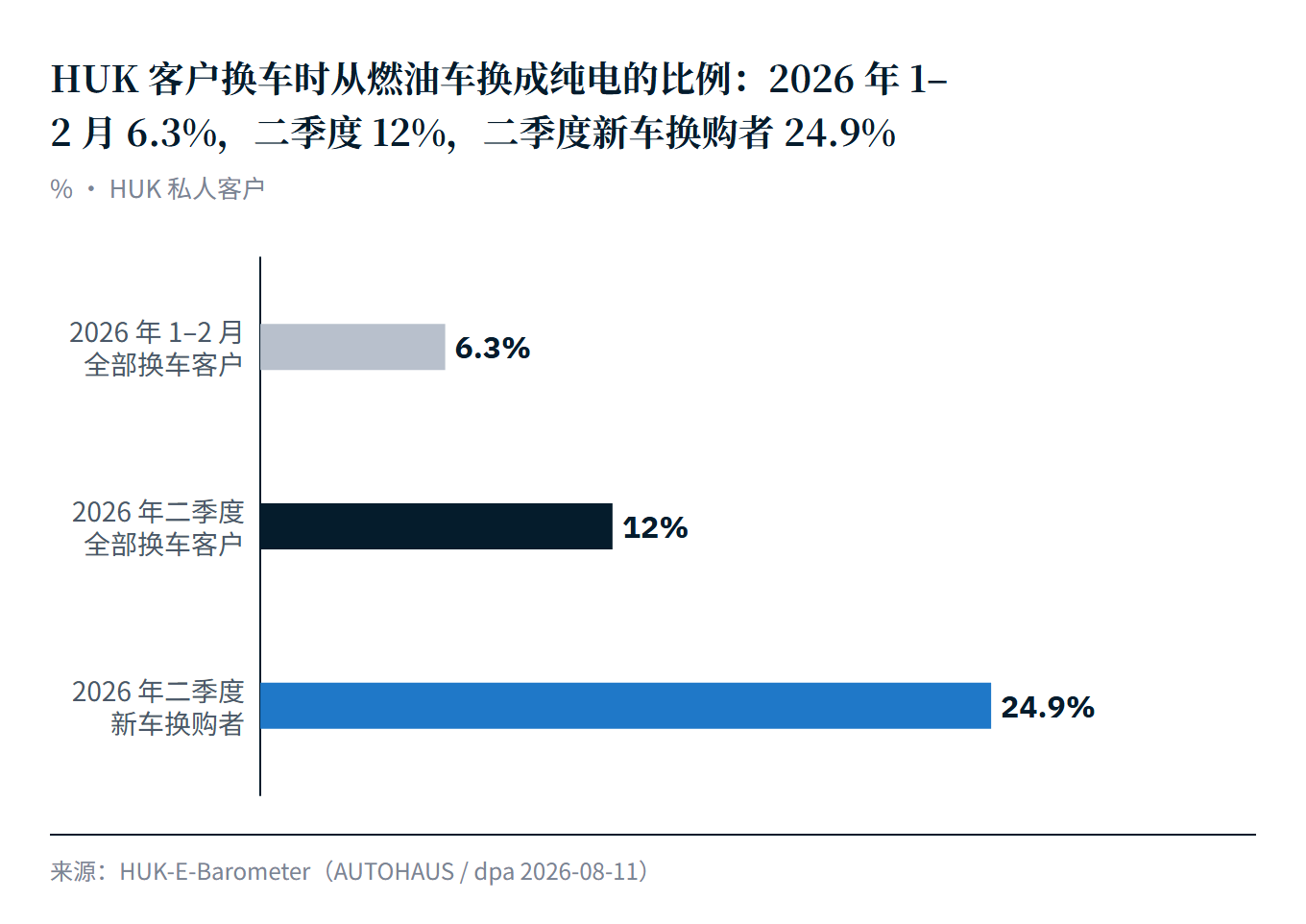
BEVs now make up more than 4% of vehicles insured by HUK, up about a quarter since the start of the year. HUK's CEO said only about 12% of customers replacing a combustion car then chose a BEV. The previous subsidy ended abruptly at the end of 2023, and German BEV registrations fell by more than a quarter to 380,000 in 2024. The total budget for this round stays at EUR 3 billion. In November, the Bundestag budget committee raised the 2027 allocation from EUR 803 million to EUR 1.72 billion.
How much share Chinese brands can hold in Germany depends on how much price advantage their low-priced models retain once subsidies run out.
Data sources: HUK, KBA, BAFA, Bundestag, Stellantis
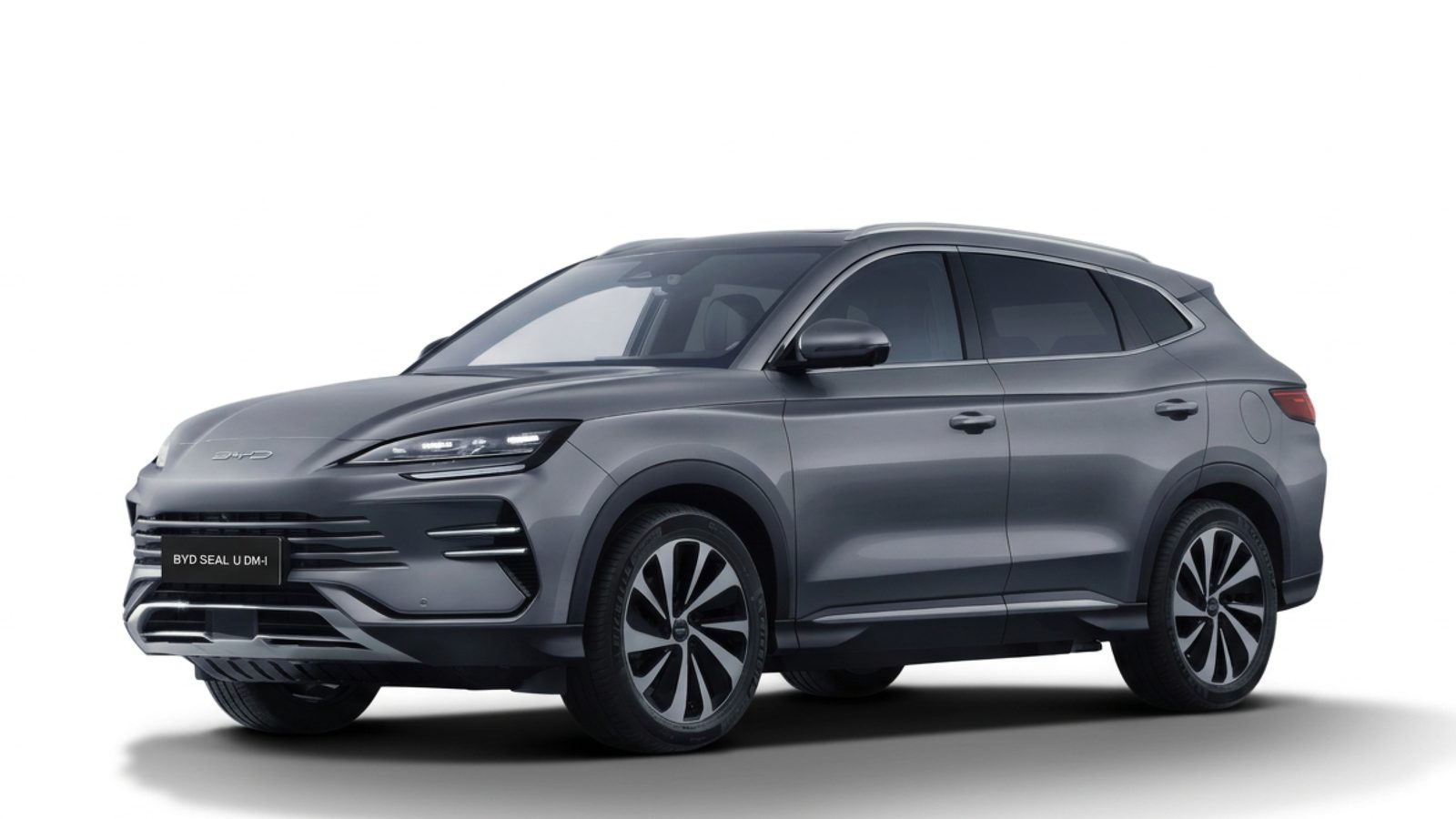
Image: BYD.
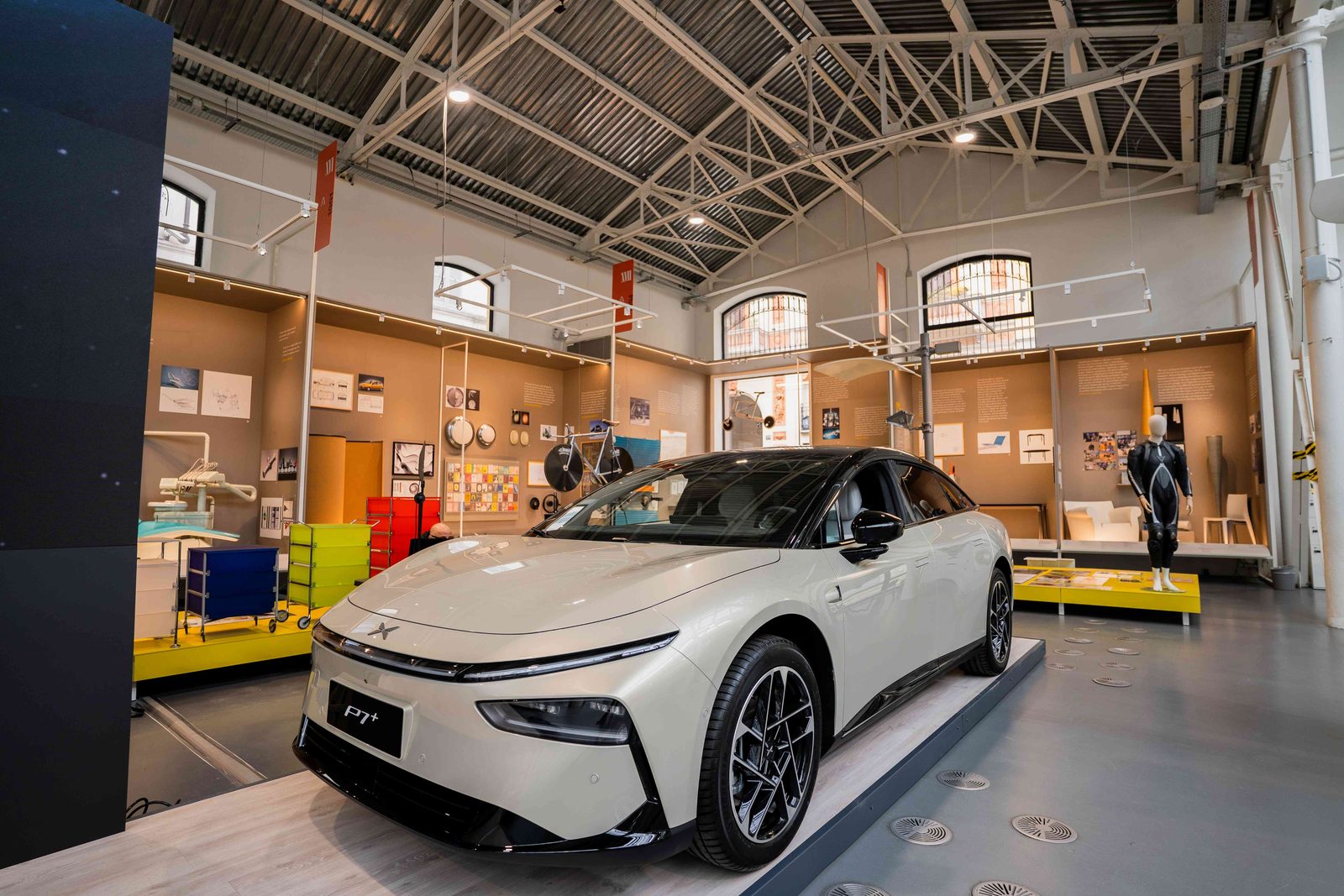
Image source: XPENG.
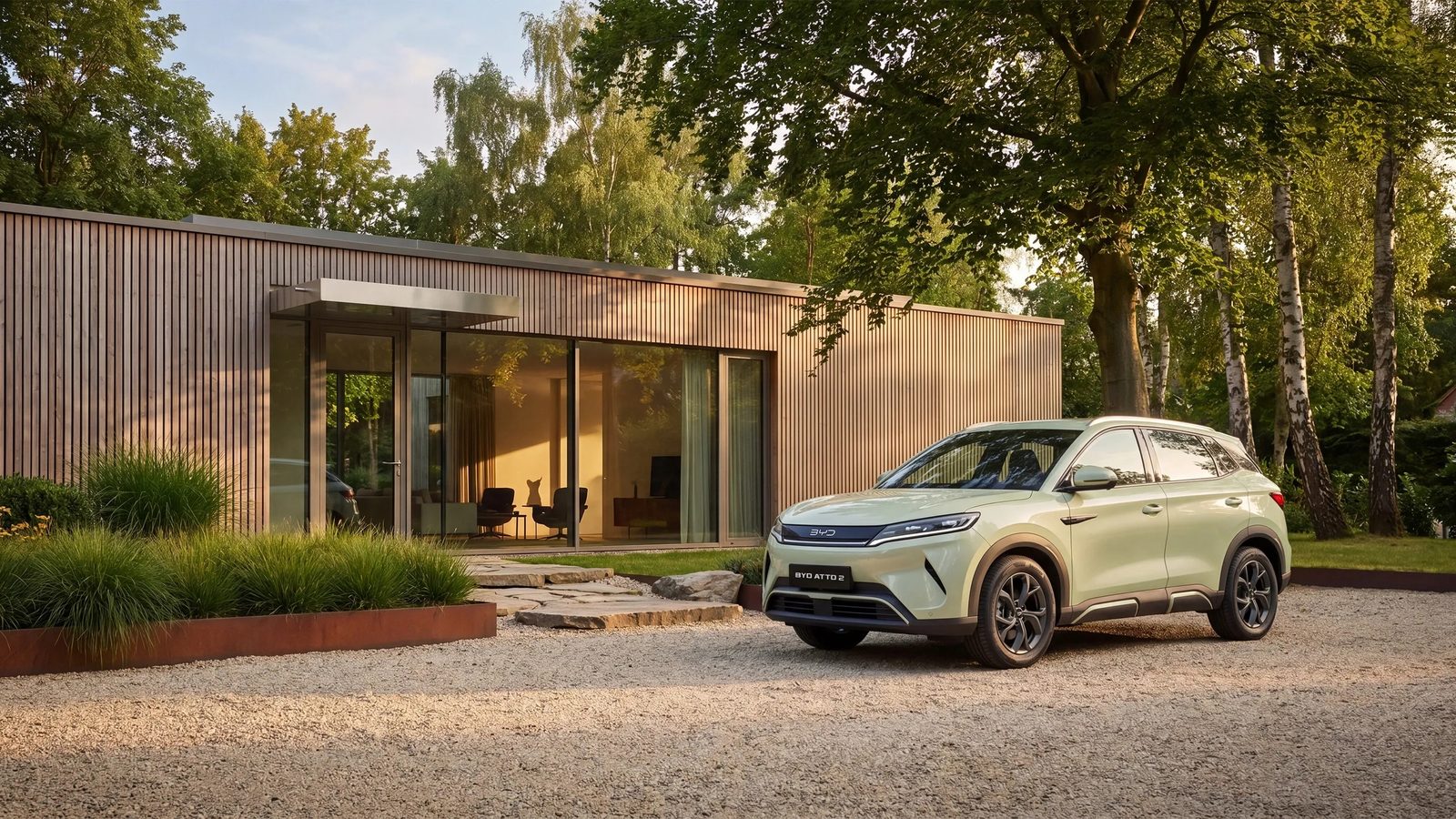
Image: BYD.
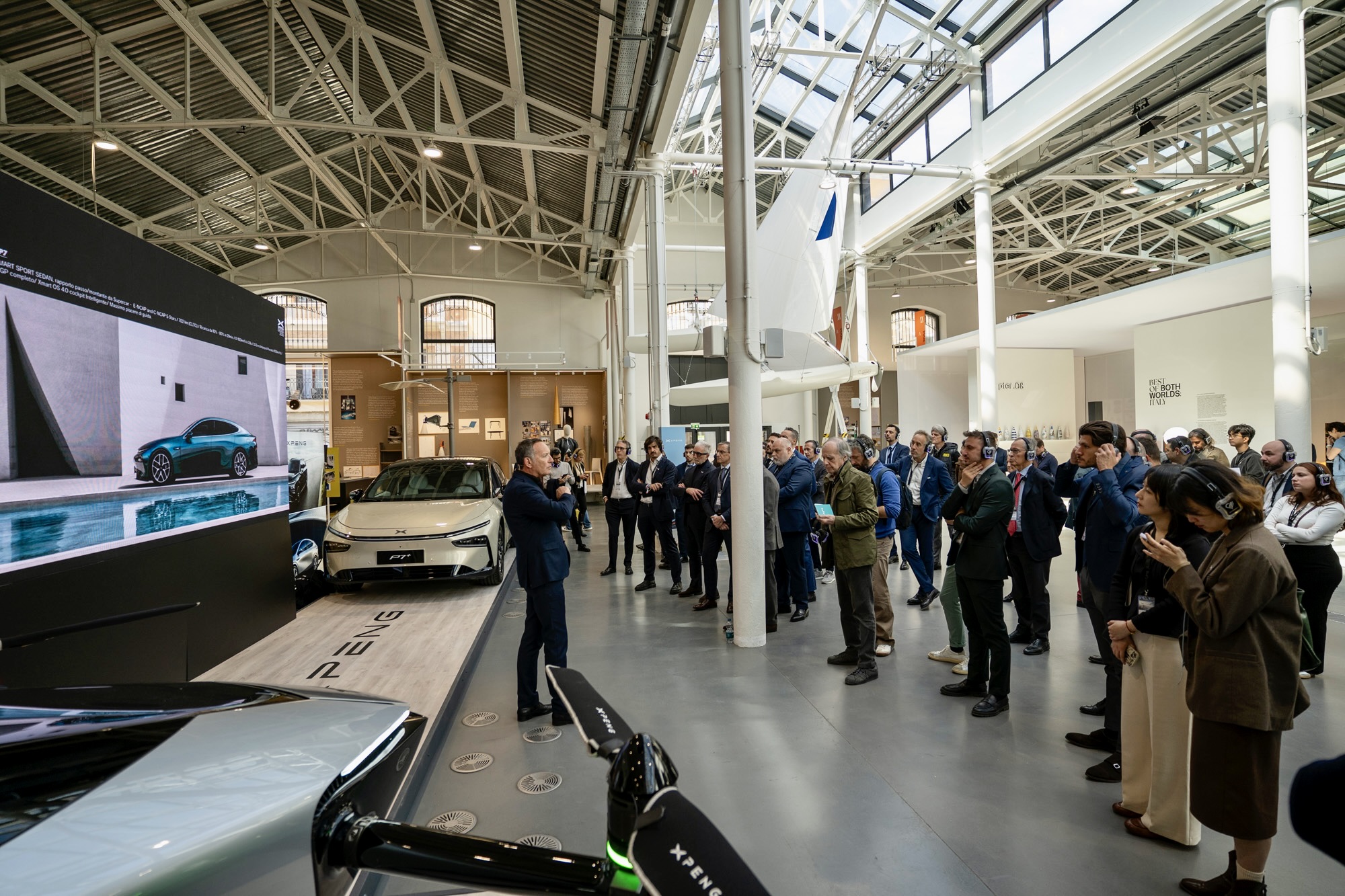
Image source: XPENG.
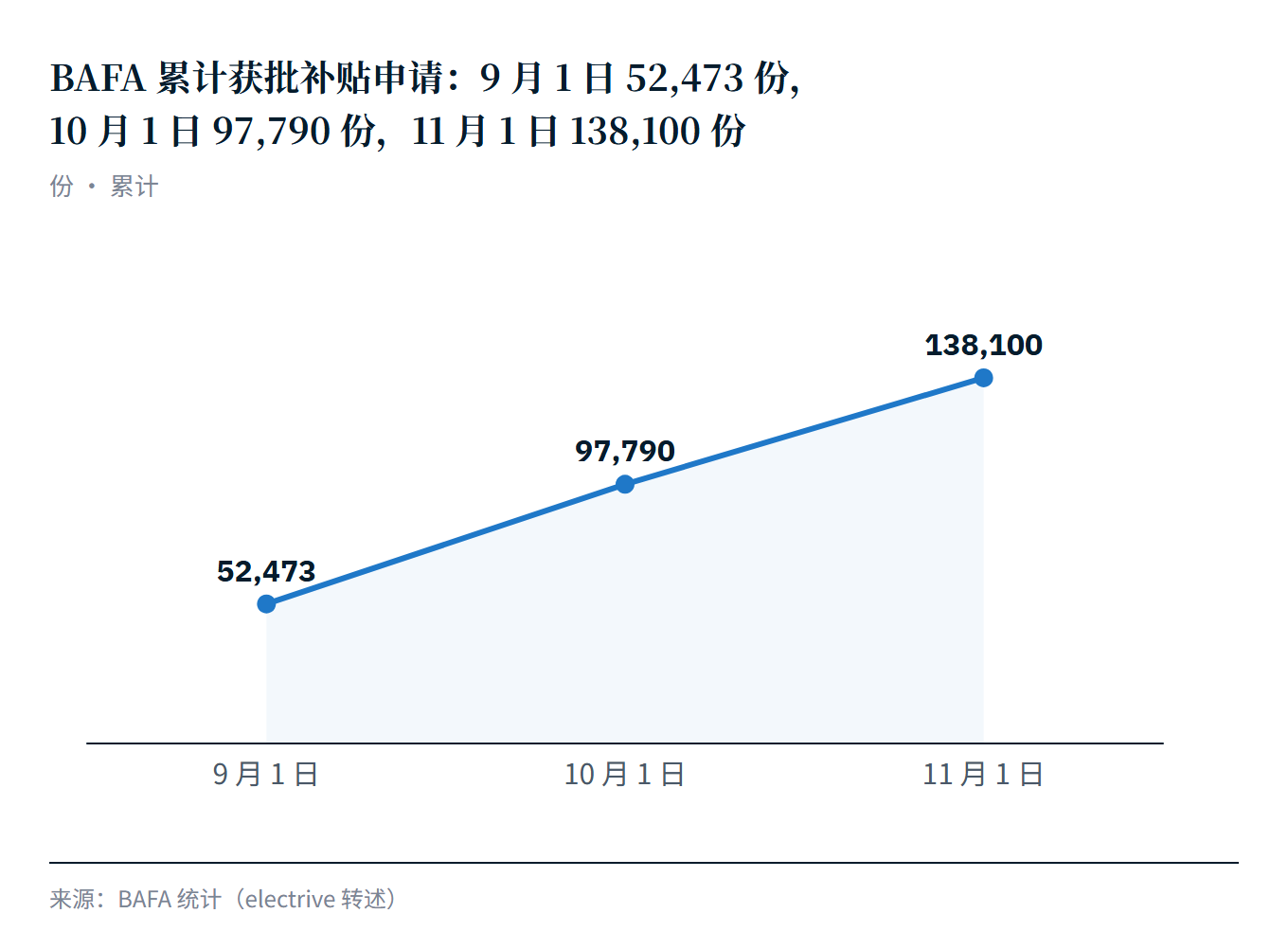
Source: Chart by AutoMusic based on the public sources listed in the article; first published on the AutoMusic WeChat account.