Windrose launches 3-month free charging service for its heavy trucks in the US
Windrose has launched an incentive for US heavy truck fleets: qualifying purchases of its Global E700 (Class 8)…
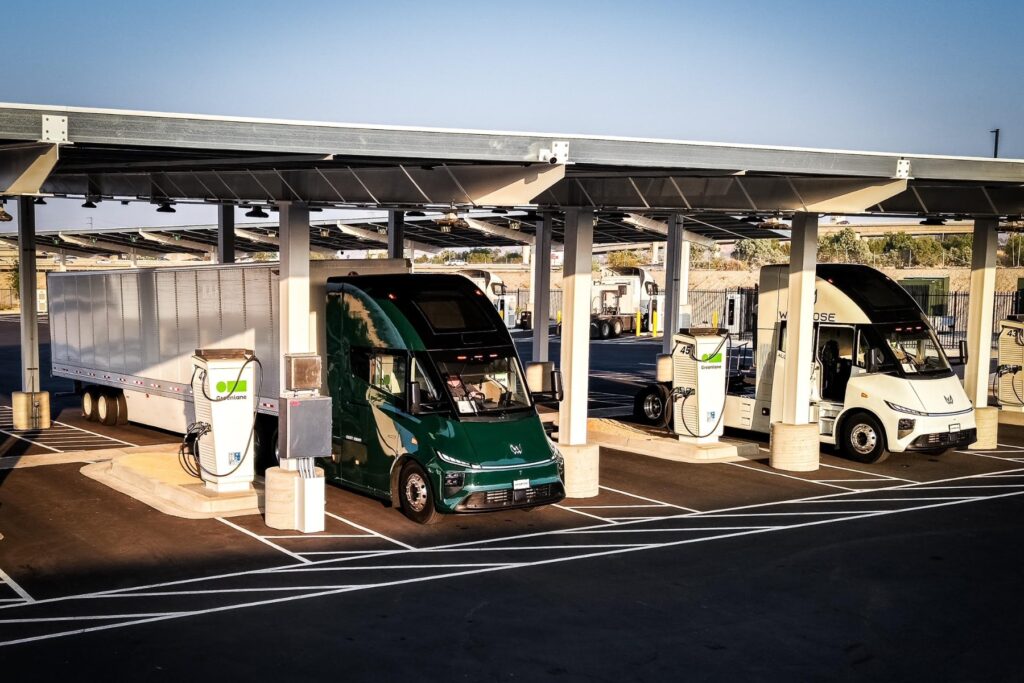
Windrose has launched an incentive for heavy truck fleets in the US: fleets that buy eligible Global E700 (Class 8) vehicles get three months of unlimited charging on the Greenlane network, a higher-tier network subscription (including reservations and fleet management tools) and 7×24 operational support, followed by negotiated discounted rates once the free period ends. The charging benefit covers typical high-utilization trunk corridors between Southern California and Arizona and between California and Nevada.
Free charging locks in the variables of the pilot period
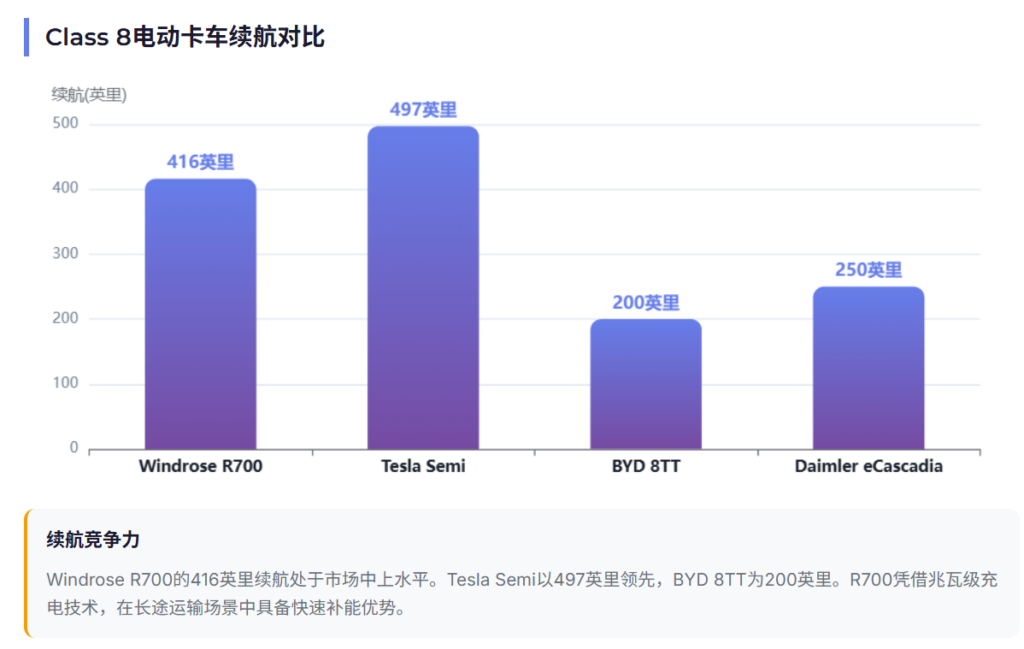
Windrose's three months of unlimited charging, combined with reservations and operational support, effectively gives fleets a standardized "pilot operation window". The Windrose R700's core specs support this kind of long-haul operation: a 729 kWh battery, 416 miles of range, a 800 V high-voltage system and peak power of up to 772 kW. The model is certified in the three major markets of the US, the EU and China.
Corridor continuity matters more than single-site fast charging
Electrifying trunk routes requires corridors that can actually be operated. Sites must be heavy-truck friendly (pull-through bays, a mix of power levels, rest and parking facilities), and services must be operational (reservations, status visibility, customer service and SLAs). Greenlane focuses on long-haul freight corridors, the core arteries of high-mileage long-distance transport, where fleets' charging needs are most frequent and most urgent. Greenlane's value lies in upgrading "able to charge" to "able to run to a schedule". A corridor-based layout lets fleets plan around fixed freight sources, fixed routes and fixed stops, making it the best way to move electrification from "demo trucks" to "route-level replication".
Competition shifts from vehicles to system delivery
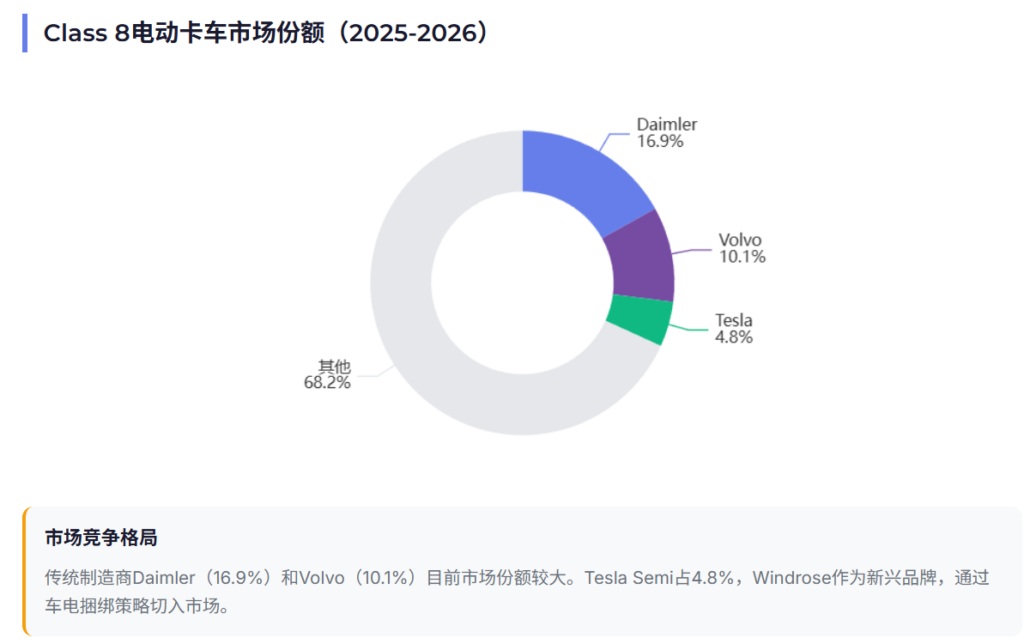
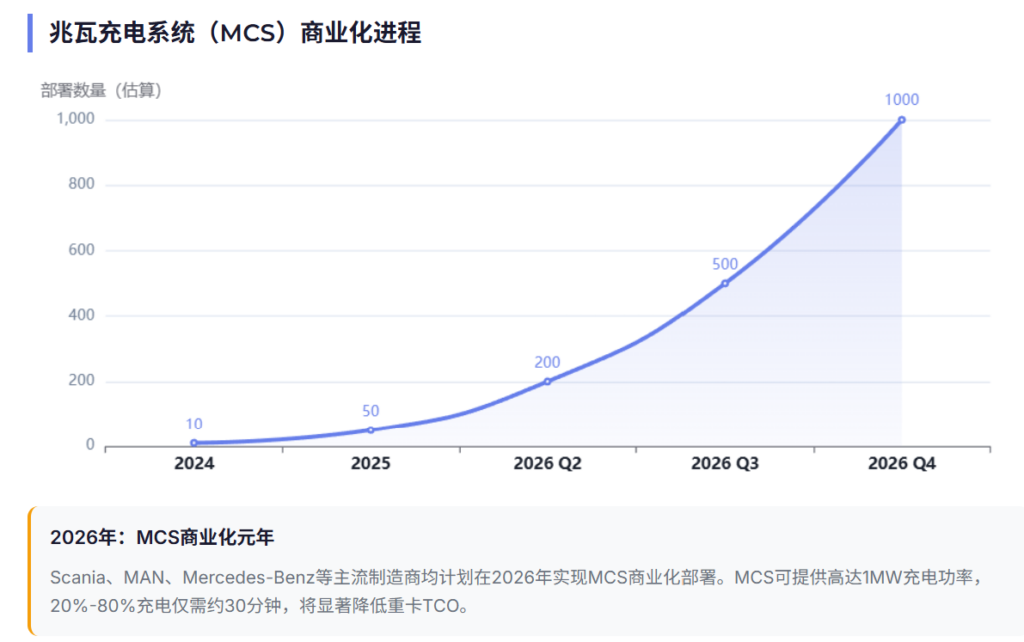
In today's heavy truck market, vehicle specs alone can hardly drive scale. What fleets want to know is "how do we launch our first route": ideally the truck, corridor charging and O&M support come bundled together, with long-term cost risks gradually quantified. Charging infrastructure is to electric trucks what high-speed cellular networks are to smartphones: however capable the vehicle, without a network it is just an isolated device. Competition is no longer just about range, power and payload, but about combined "vehicle + network + service" capabilities.
For Chinese heavy truck OEMs, this model offers a new approach to market entry. Chinese heavy truck OEMs are already competitive in electric heavy truck technology, but face the challenge of building localized service systems when entering overseas markets. Partnering with local charging networks, or building their own charging networks and selling vehicles bundled with charging, can lower the decision threshold for fleet purchases.
In the next phase, the deciding factors will come more from operational certainty and commercial terms than from technical specs alone.