Germany's toll exemption for electric heavy trucks until 2031: will it really help?
Germany has extended the highway toll (Maut) exemption for electric heavy trucks to 2031, a policy originally seen as a key lever for accelerating heavy truck electrification. But recently…
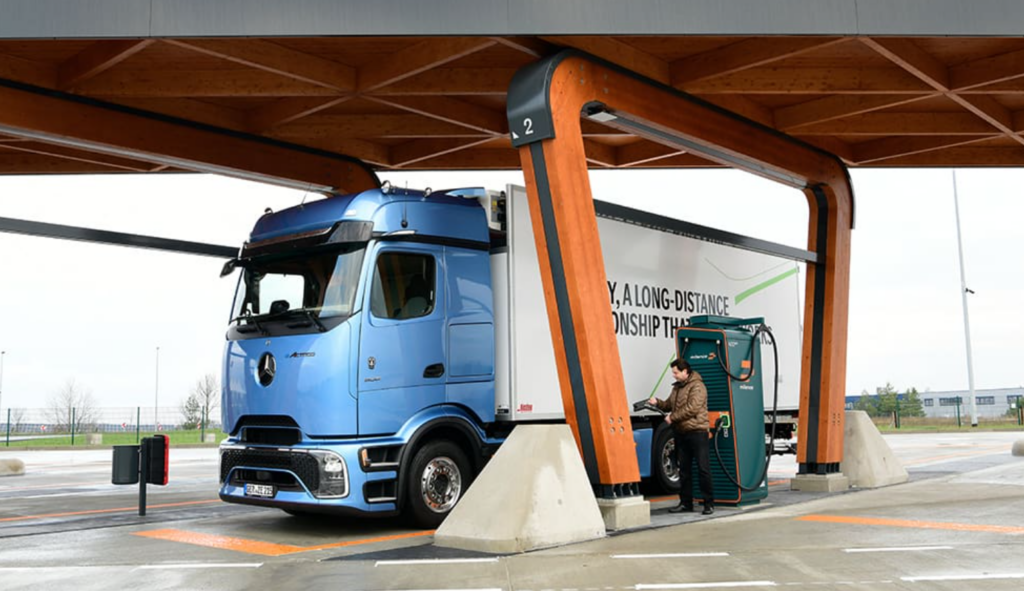

Germany's extension of the motorway toll (Maut) exemption for electric heavy trucks to 2031 was seen as a key lever for speeding up heavy-truck electrification. Recent feedback from operators, however, suggests the policy will most likely have "limited effect" and could even be cancelled out entirely.
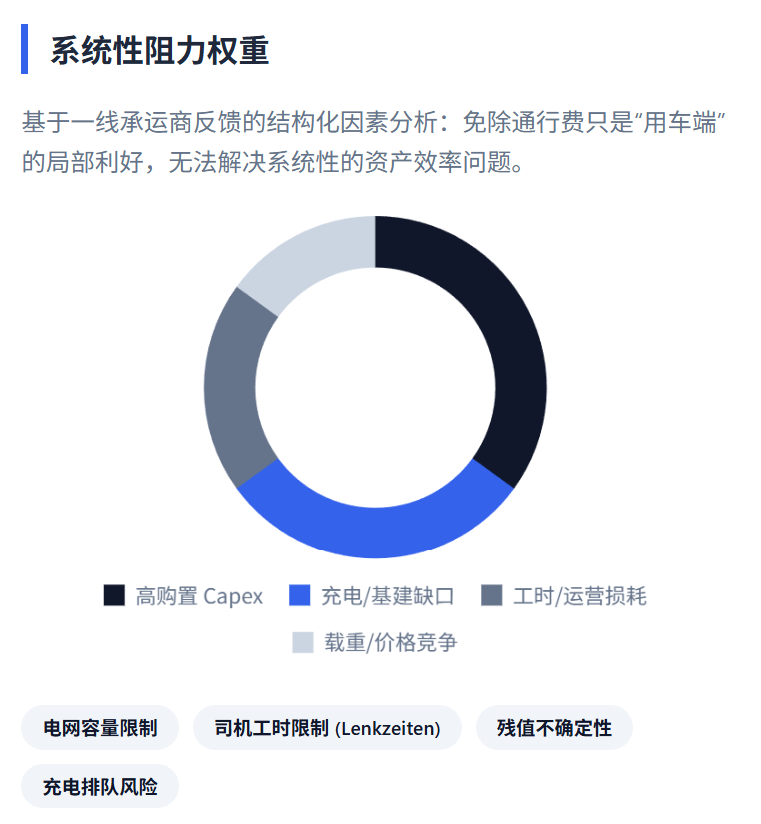
Several heads of small and mid-sized German logistics firms recently told Auto Motor und Sport that costs, infrastructure and operating constraints, not toll relief alone, are what decide whether they switch to electric.
**The toll-exemption TCO case doesn't add up
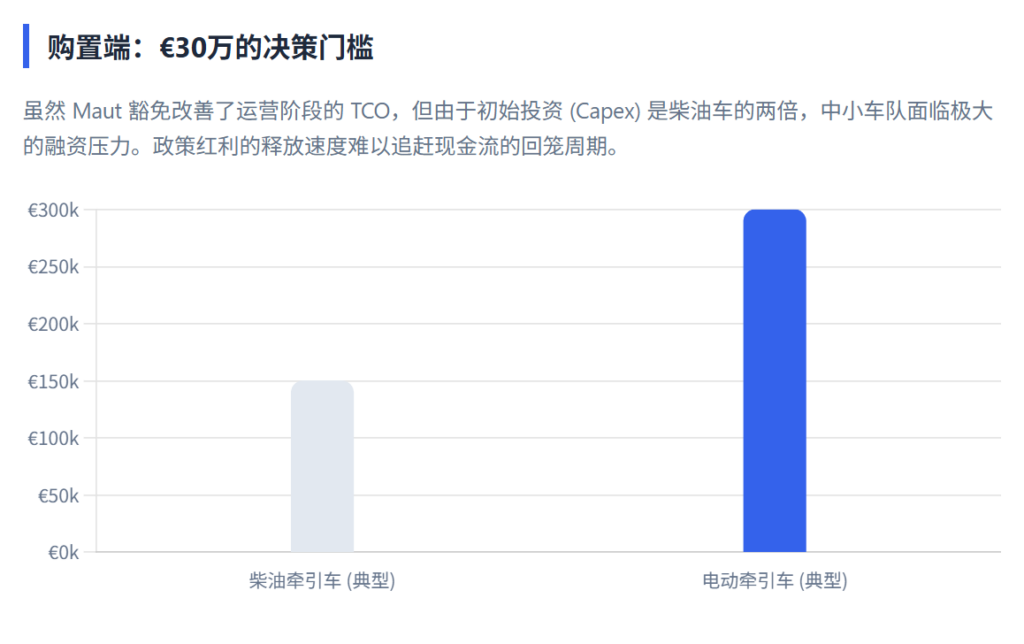
**The toll exemption does lower the running costs of electric heavy trucks, but it falls far short of covering the large gap in purchase price.
In practice, a battery-electric tractor typically costs €100,000–150,000 more than a comparable diesel, with vehicle prices often in the €300,000–400,000 range. For small and mid-sized carriers with fleets of a few dozen trucks and thin margins, the big question is whether their cash flow and access to financing can bear it.
Many smaller fleets say past rounds of vehicle and infrastructure subsidies went mainly to large logistics groups or pilot projects and never reached the very large number of small and mid-sized operators. The result: the policy looks good in the statistics but gives limited marginal incentive to the businesses that make up the market.
**Systemic charging constraints
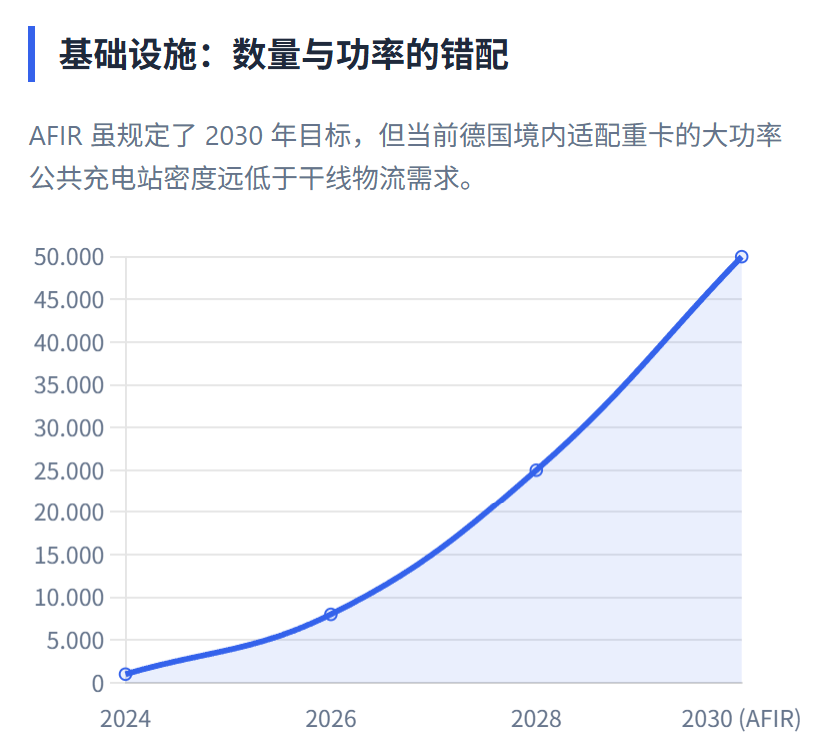
**Several fleet owners note that the grid connections at their own depots often cannot support 300–400 kW DC fast charging. Upgrading capacity takes a long time, involves complex approvals and comes at highly uncertain cost. On the public network, high-power sites usable by heavy trucks remain scarce, severely restricting route planning.
In Germany, driving and rest times are strictly regulated. Charging en route means extra waiting time that cannot easily be turned into productive working hours. Electric heavy trucks therefore reduce efficiency in scheduling and dispatch, which is especially damaging for long-haul transport, where punctuality and turnover rates are everything.
**The hidden cost of lost payload
**The drop in payload caused by battery weight is another factor that directly affects pricing power. In many applications, electric heavy trucks lose at least about 2 tonnes of payload. For the same job, operators either carry less freight or run more trips, and either way it shows up in the rate per unit.
German operators already face price pressure from Eastern European competitors, and many fleets say plainly that unless customers pay a premium for "zero emissions", electric heavy trucks do not make commercial sense.
**The direction is right
**German operators are not rejecting electrification itself. They are pointing to a practical problem: toll exemption alone is not enough to change investment decisions. At this stage, what really drives electric heavy-truck penetration is not the toll exemption but affordable purchase prices, charging infrastructure that can scale, and operating models compatible with labour regulations.
Electric heavy trucks in Europe will not become widespread because of policy. They will enter the mainstream gradually, once the numbers work, operations run smoothly and risks are under control.