Dutch logistics giant PostNL plans to build its own charging network
Dutch postal and parcel giant PostNL is building a nationwide electric heavy truck charging network centred on its sorting hubs. It will initially serve its own fleet, and later…
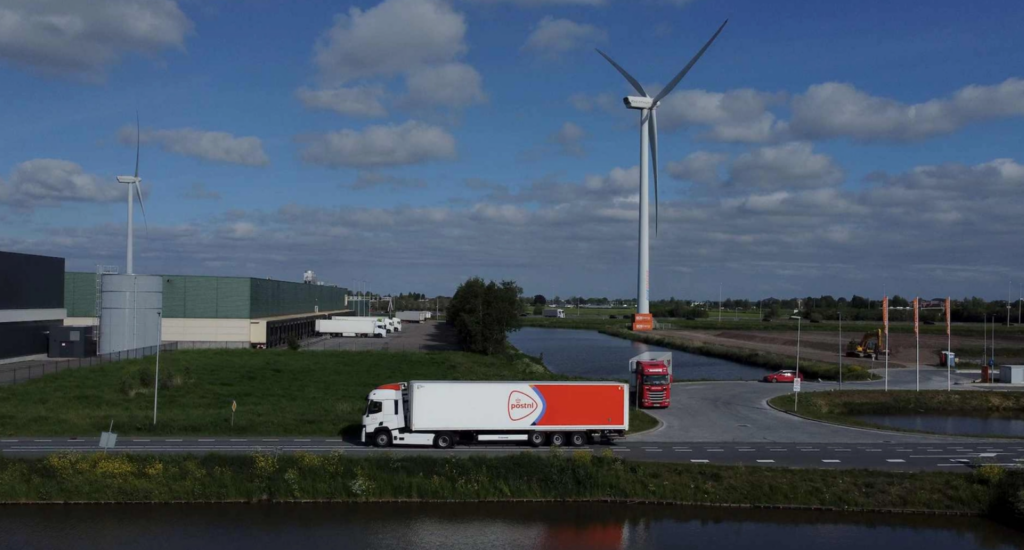
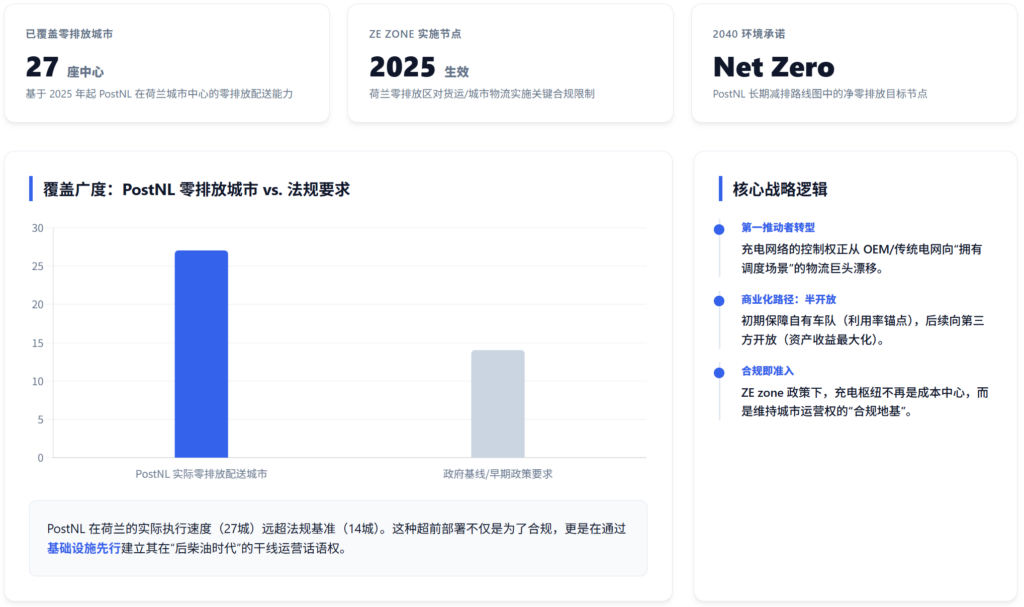
Dutch postal and parcel giant PostNL is building a nationwide electric heavy truck charging network around its sorting centers. It will first serve PostNL's own fleet and then open to other transport companies, pointing clearly to an infrastructure strategy of "public heavy truck charging". The move addresses several key obstacles to rolling out zero-emission heavy trucks in Europe.
**The push for electric heavy trucks in Europe is shifting from OEMs to logistics operators
**In recent years, Europe's debate on electric heavy trucks has centered on OEMs: product performance, range, subsidies and regulation. The reality, however, is that infrastructure has not kept up. As early as 2020, PostNL deployed electric trucks (such as the Fuso eCanter) for urban delivery. What is different this time:
– The use case moves up from last-mile urban delivery to medium- and long-haul, heavy-load operations
– Charging moves up from in-house support to a network of regional hubs
The core requirements for Europe's electric heavy truck infrastructure are no longer defined solely by OEMs or energy companies. Instead, real operators are driving demand from the bottom up.
Semi-open charging hubs
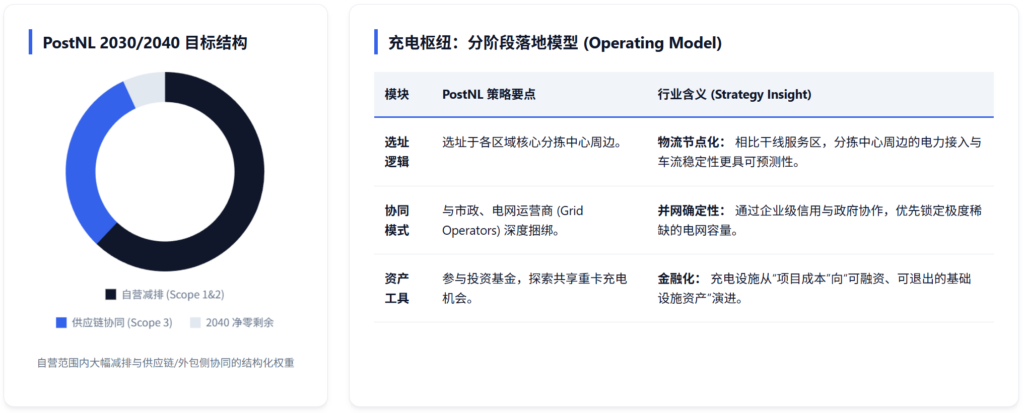
PostNL is building its own charging infrastructure to retain full control, but it will not be fully private. It will open in stages. The first phase secures operations for its own fleet, after which the network opens to third-party logistics and transport companies. This complements, rather than replaces, the "corridors first, depots later" approach of several European heavy truck charging alliances.
**PostNL repositions its logistics infrastructure
**According to its official targets, PostNL plans to cut emissions from its own operations by 90% and from its supply chain by 45% by 2030, and to reach net zero by 2040. By building jointly with local governments, grid operators and logistics partners, and by taking part in related investment funds, PostNL is moving from "logistics user" to a hub-level participant in zero-emission logistics infrastructure. In Europe's institutional environment, key public resources tend to favor open projects. To some extent, this is a role upgrade from logistics company to system participant.
**Who invests in infrastructure first?
**A postal company building its own heavy truck charging network shows that the bottleneck for electric heavy trucks in Europe is no longer whether to do it, but who lays the foundations first. PostNL's choice shows that in the era of zero-emission logistics, infrastructure is no longer just a cost center. It is the barrier to entry itself. Other European logistics giants, fleet operators and even Chinese commercial vehicle companies entering Europe cannot avoid it.