European bus depots adopt "second-life batteries"
Now that European bus electrification has reached its hardest stage, the question is how to keep vehicles properly charged without endlessly expanding grid capacity or paying peak electricity prices. In Madrid, Spain…
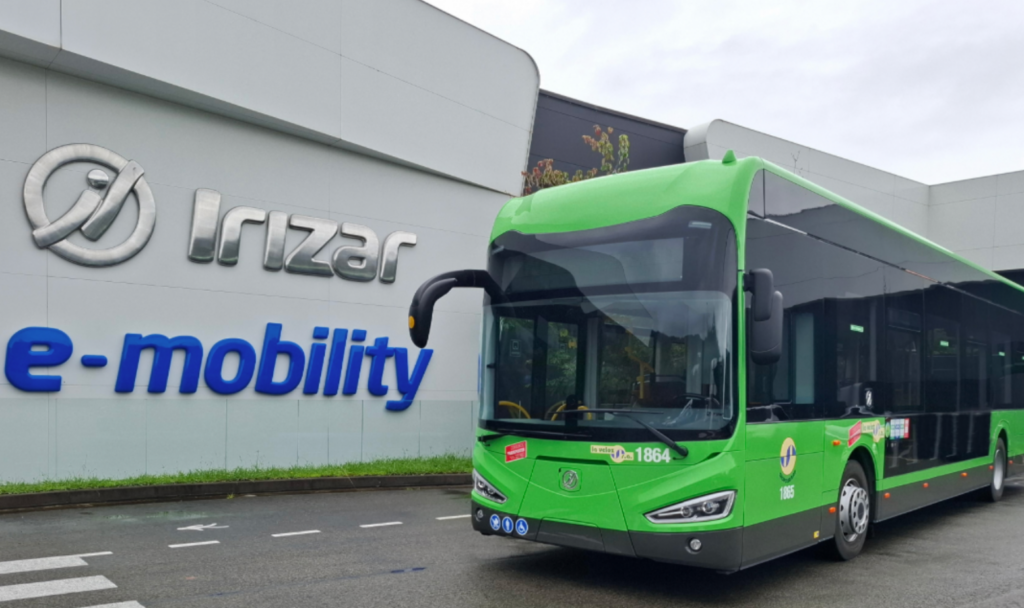
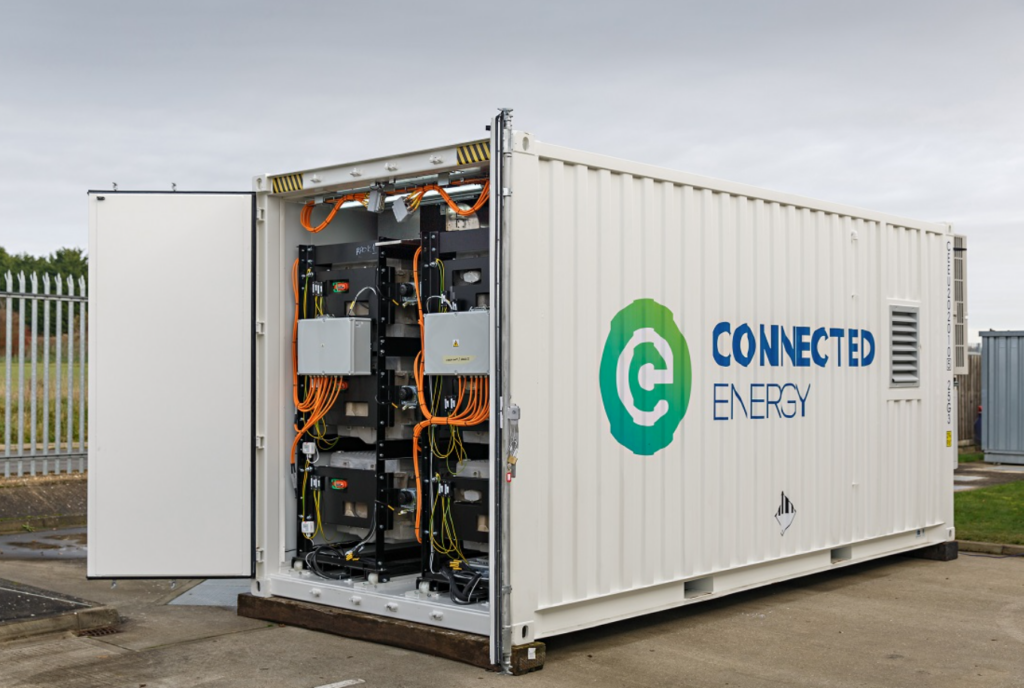
Now that European bus electrification has entered deep water, the question is how to charge buses properly without endlessly expanding grid capacity or absorbing peak electricity prices. Madrid, Spain, has recently deployed second-life batteries at a bus depot. At Madrid's Fuencarral bus depot, retired traction batteries from Irizar e-mobility have been reassembled into a 1 MWh stationary energy storage system and connected to the existing smart charging platform, with Iberdrola España involved in energy-side coordination.
Solving the peak power problem
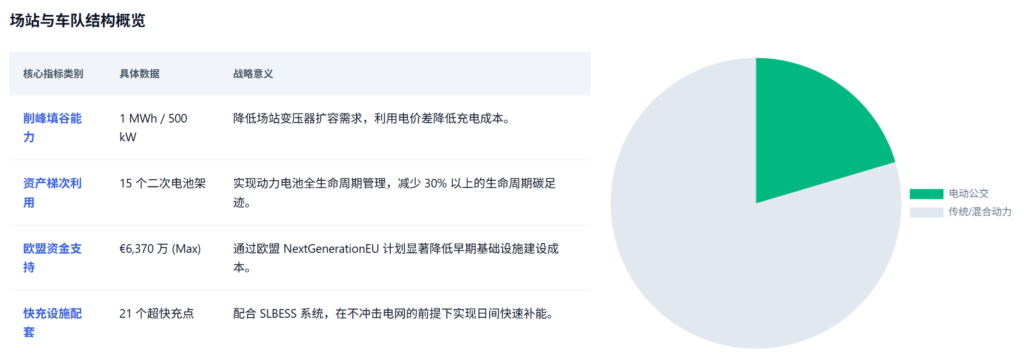
The key to this system is not the batteries but peak power. As electric bus fleets grow, the biggest challenge of concentrated depot charging is a sharp spike in power demand at the same time of day, making distribution capacity a bottleneck, while peak electricity prices directly drive up operating costs. The Fuencarral depot tackles this through off-peak charging → storage → peak discharging → peak shaving and valley filling. The containerized storage system has a total energy of about 1 MWh and a maximum charge/discharge power of 500 kW. The batteries come from 15 battery racks recovered from 3 Irizar electric buses. Although these batteries are no longer suitable for high-reliability onboard use, they still retain considerable residual value under stationary, controlled operating conditions.
The goal is system cost reduction, not recycling
What makes such projects truly attractive is the economics: there is no need to immediately upgrade transformers or run new high-voltage lines, contracted maximum demand is lowered, basic power charges are reduced, and electricity price volatility risk is shifted to the storage side. In most European cities, the approval timeline and cost of grid expansion are often less predictable than buying a storage system. Second-life batteries fill exactly this practical gap.
The project has been included in Spain's PERTE VEC framework, which shows that:
1. Bus depots are the first commercial scenario where second-life batteries have proven viable: stable operating conditions, high utilization and centralized O&M make them far more suitable than scattered commercial and industrial storage
2. European bus electrification has entered a "grid-side fine-tuning phase": in the next phase, competition will lie not in vehicle specs but in energy management and system integration capabilities.
3. The barrier for second-life batteries lies not in the cells but in system capabilities: BMS reconfiguration, lifetime assessment, dispatch algorithms and integration with the charging platform determine whether a project can scale.
Madrid's system is highly pragmatic: once there are enough electric buses, energy storage becomes an operational tool. For Chinese companies expanding into Europe, projects like this are certainly more worth studying than pure sales figures on the market side.