Mercedes-Benz delays electric versions across its lineup to 2028–2029
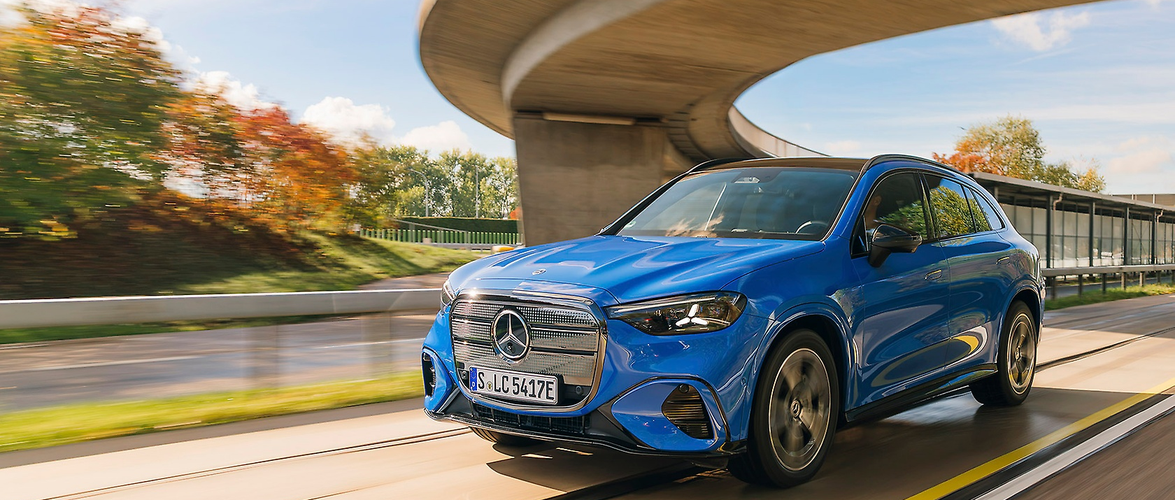
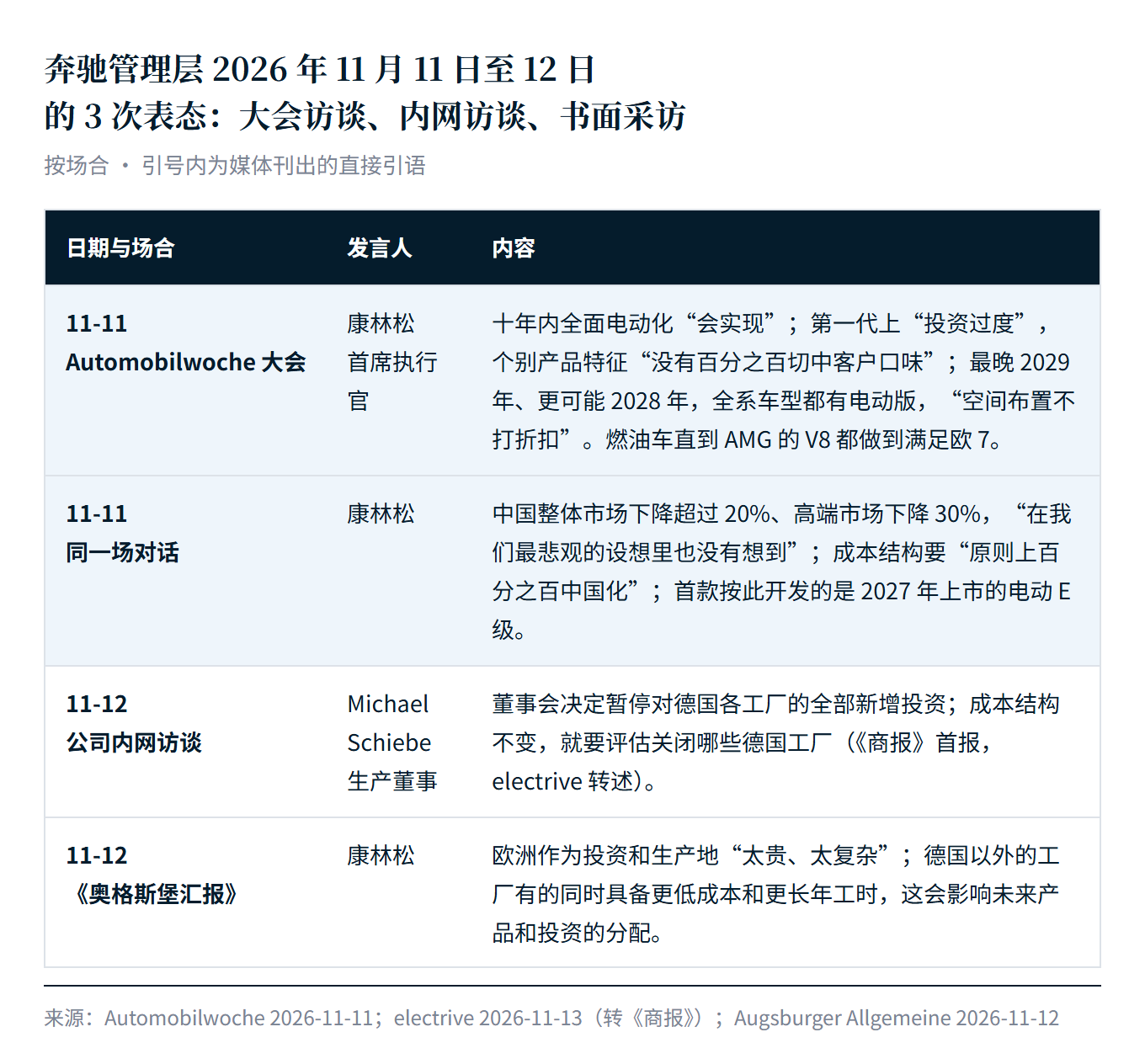
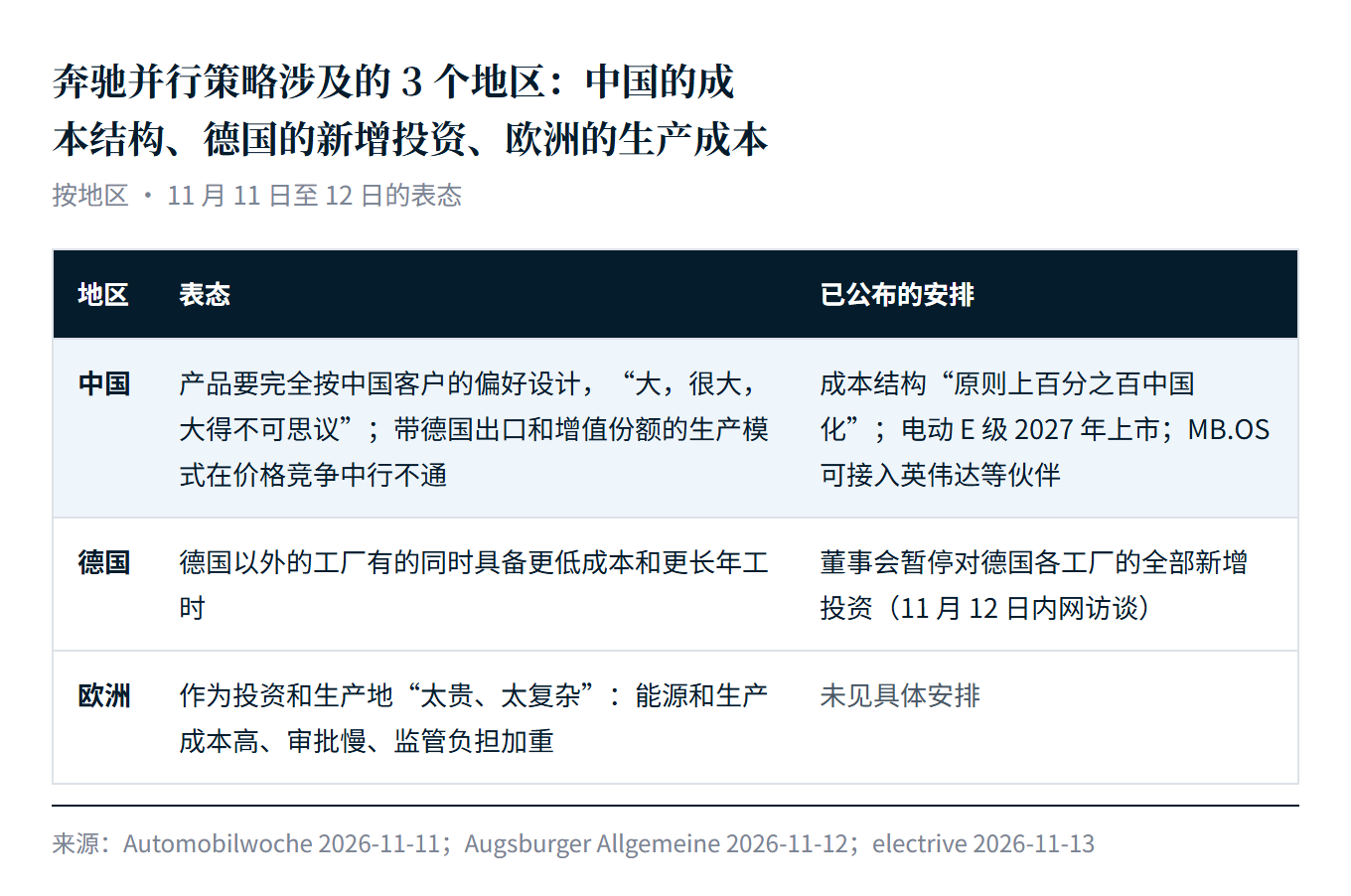
On Nov 11, Mercedes-Benz CEO Ola Källenius told a conference held by trade publication Automobilwoche that the company had "overinvested" in its first generation of EVs. In an interview with the Augsburger Allgemeine, Källenius said Europe is "too expensive and too complicated" as a production location. Mercedes-Benz has not given up on electrification, but electric versions across the whole lineup will come three to four years later. In the meantime it has to invest in both combustion and electric products.
Overinvestment
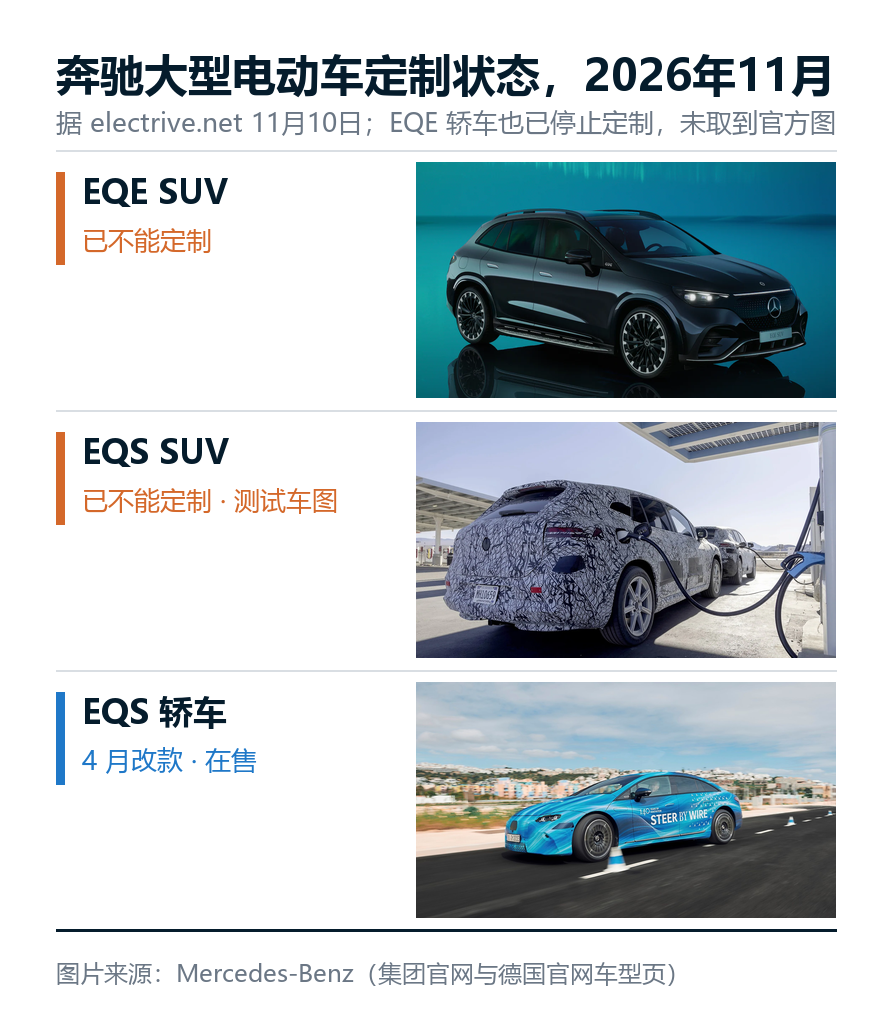
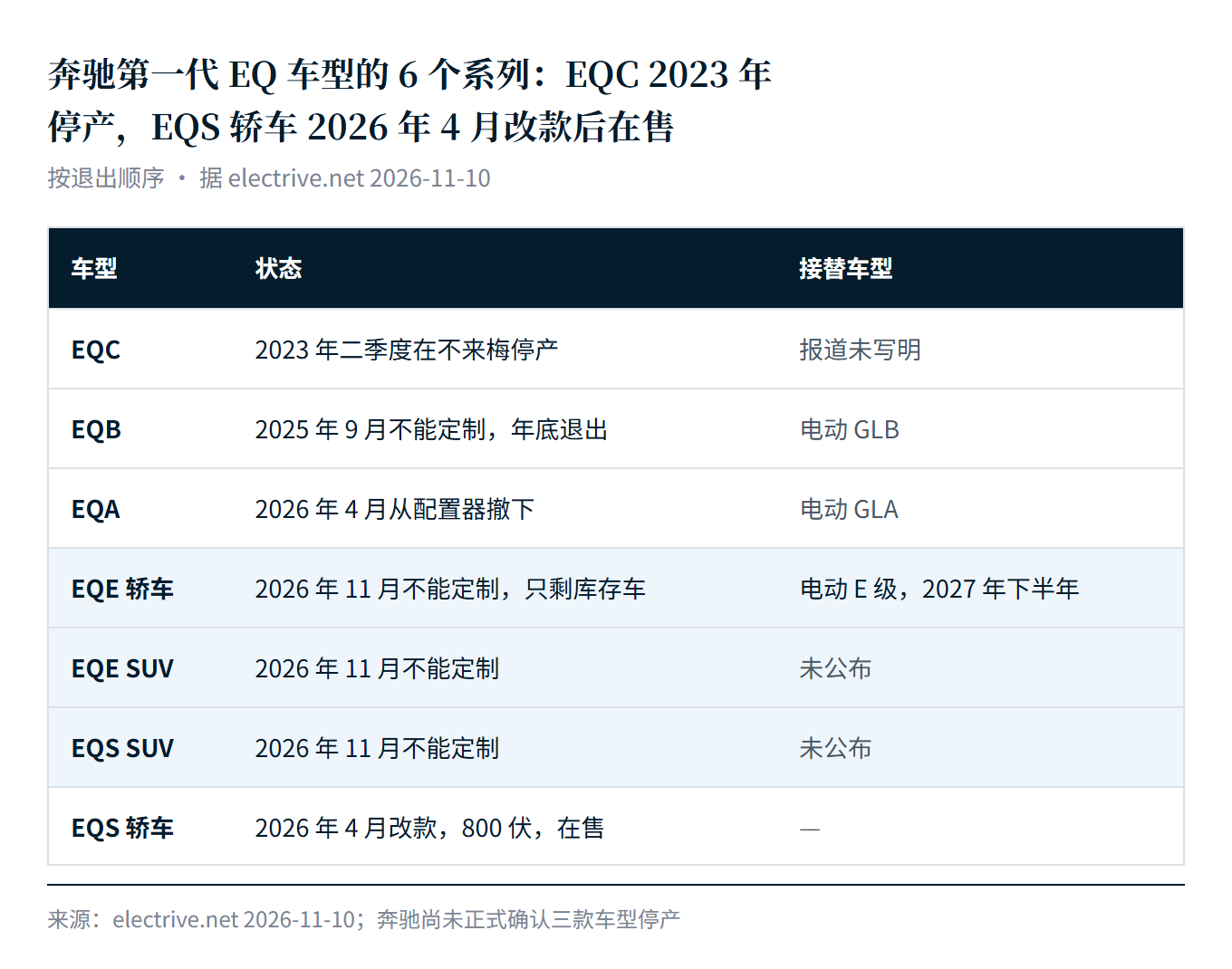
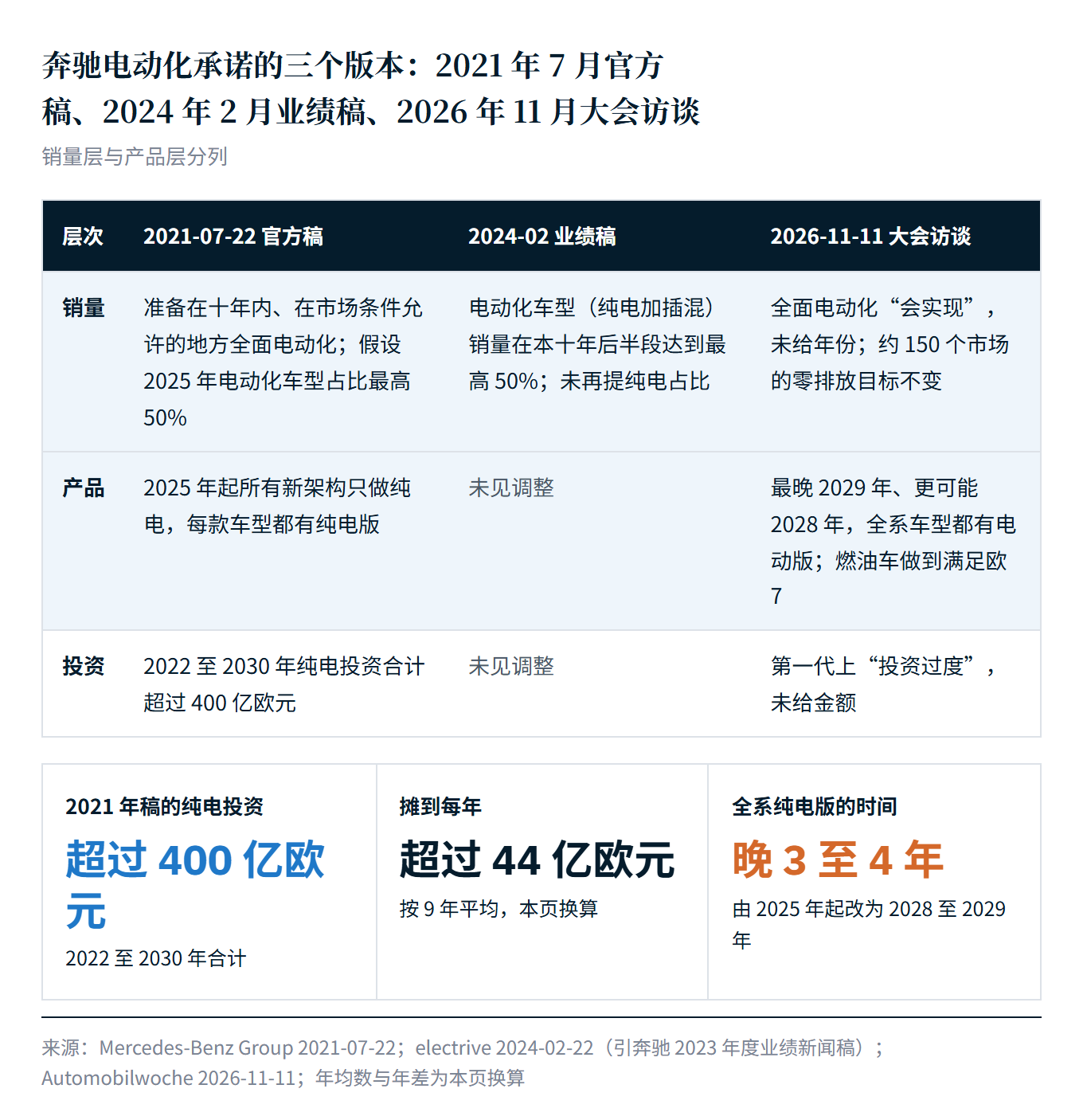
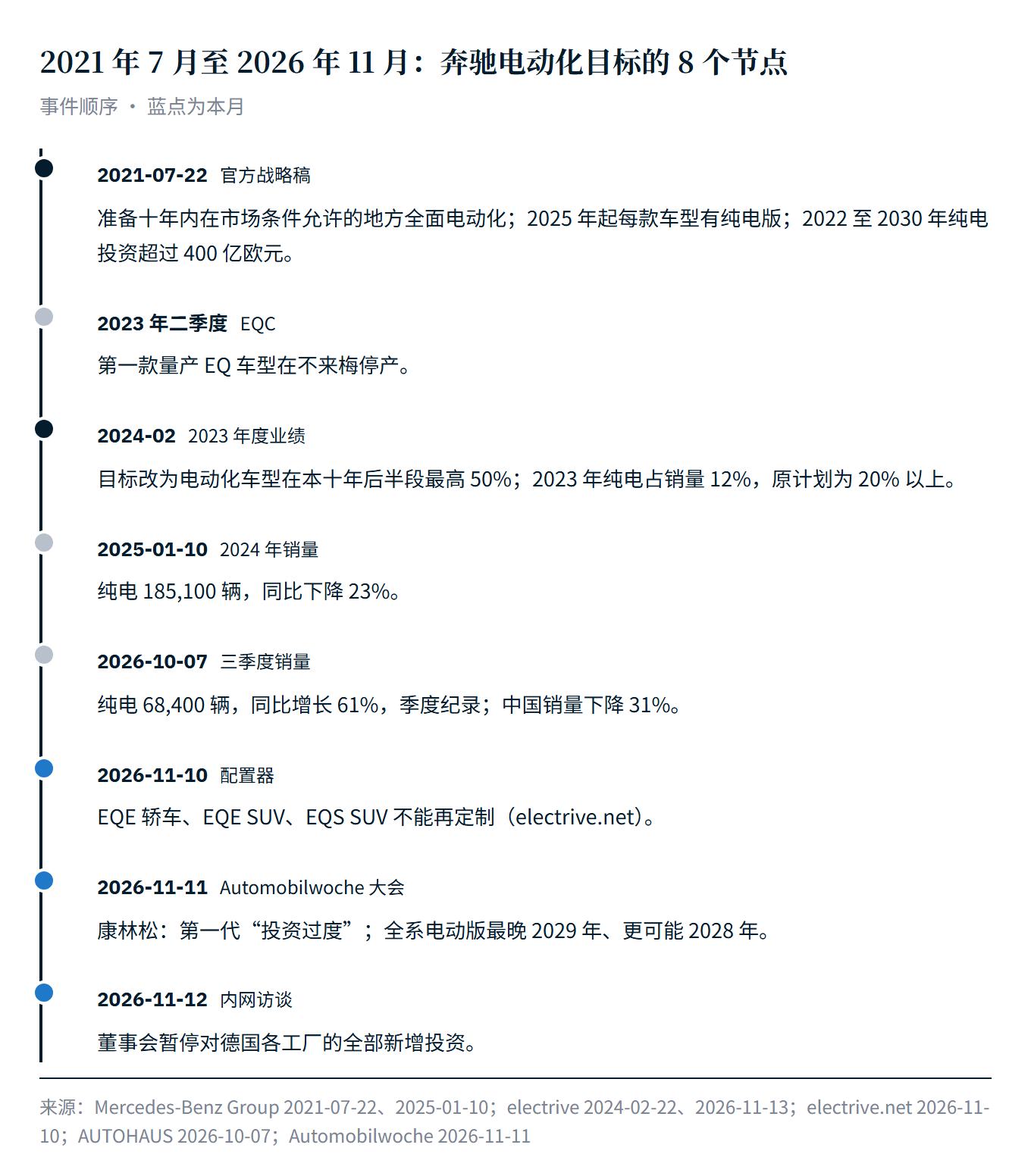
Ola Källenius said Mercedes-Benz had "over-invested" in its first generation of electric cars, and that some product features "did not hit customer tastes one hundred percent". Mercedes-Benz gave no figure. This month the EQE saloon, EQE SUV and EQS SUV can no longer be configured on the company's websites in Germany, France, the UK or the Netherlands, and only stock vehicles are listed. Of the four large EVs on the first-generation dedicated platform, only the EQS saloon can still be configured in these four countries. Mercedes-Benz has not confirmed that production has ended. Källenius admitted over-investment in the first-generation EVs, but the electrification strategy has not changed.
Two-tier commitment for 2021
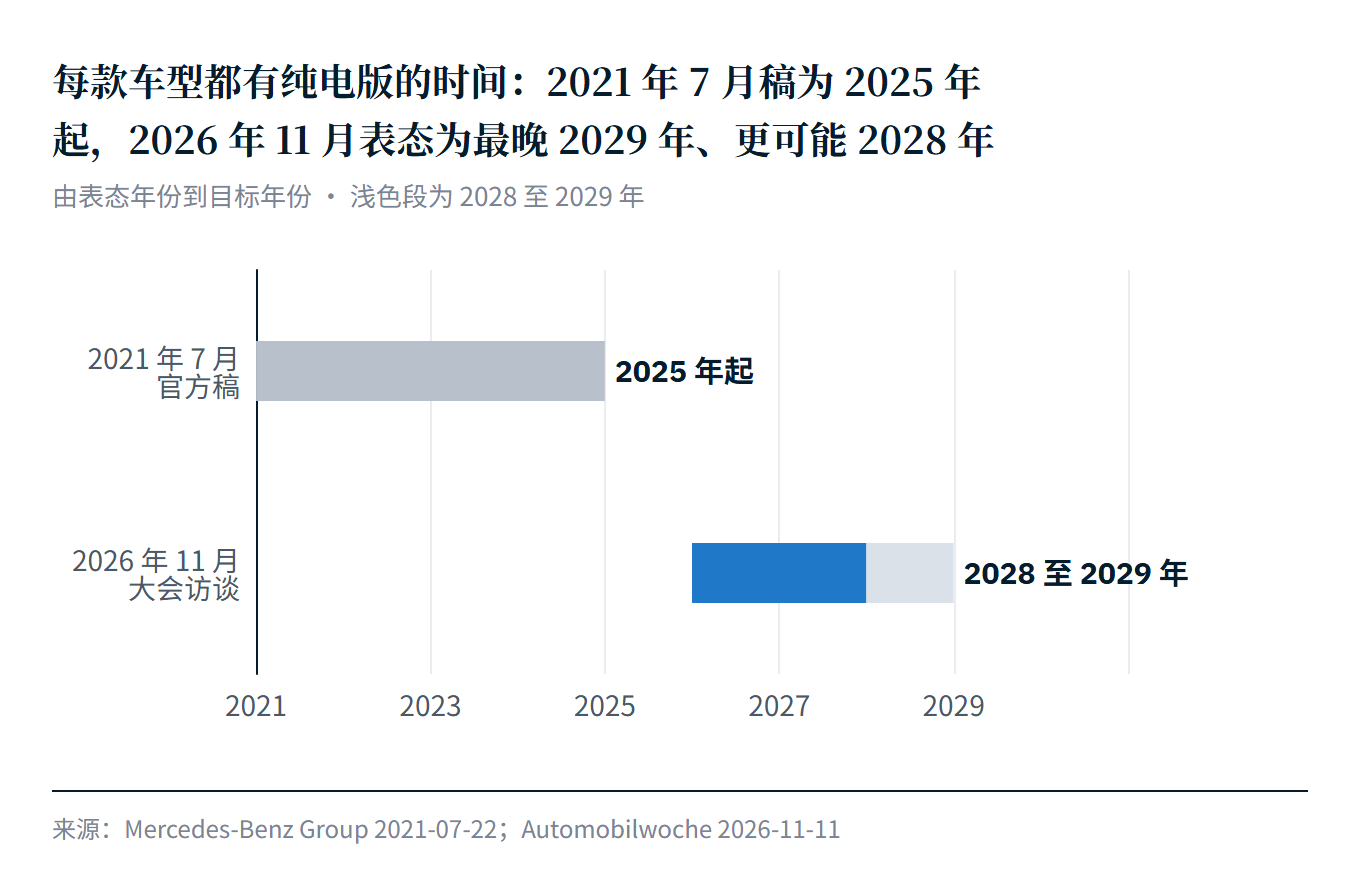
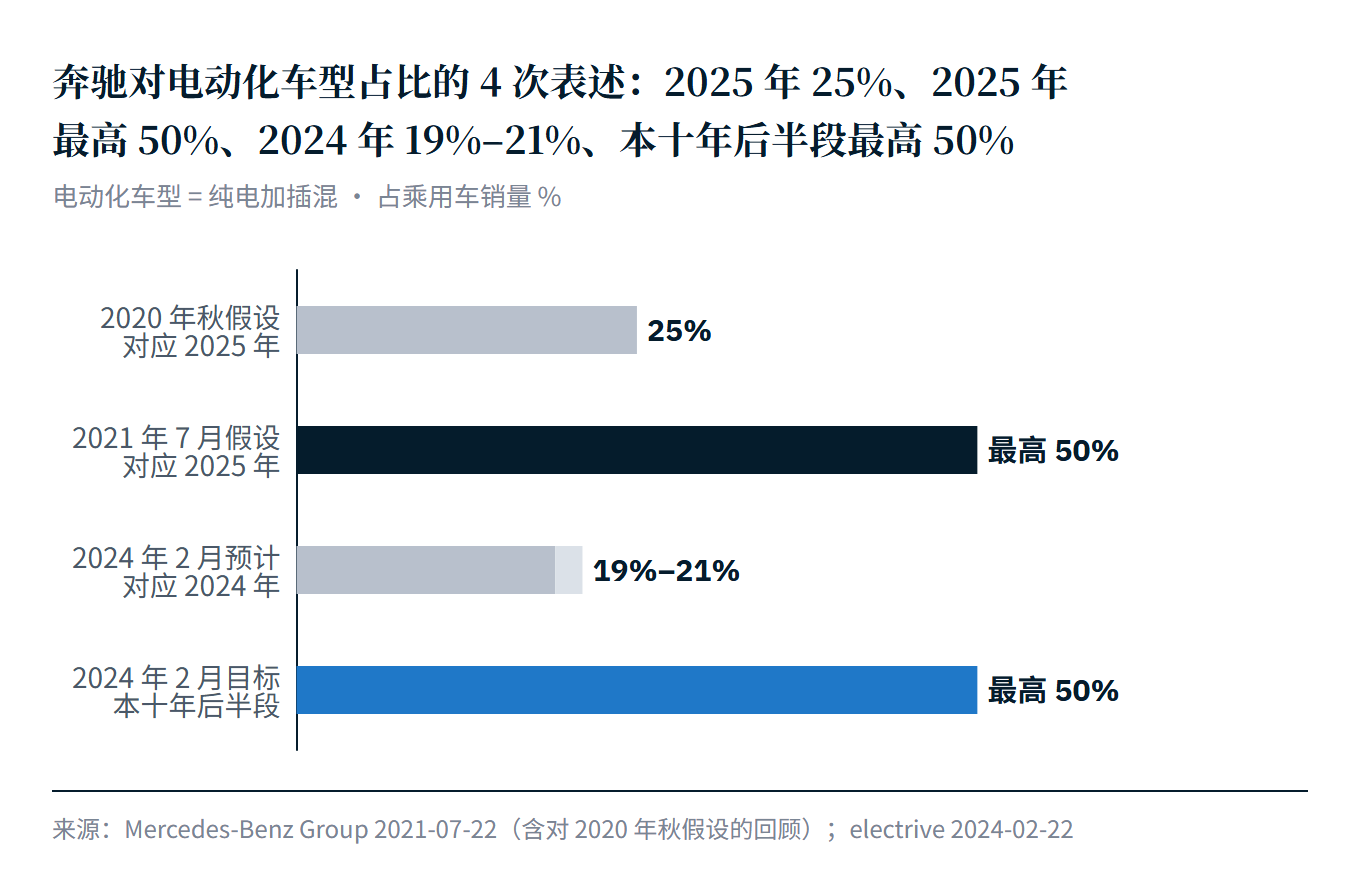
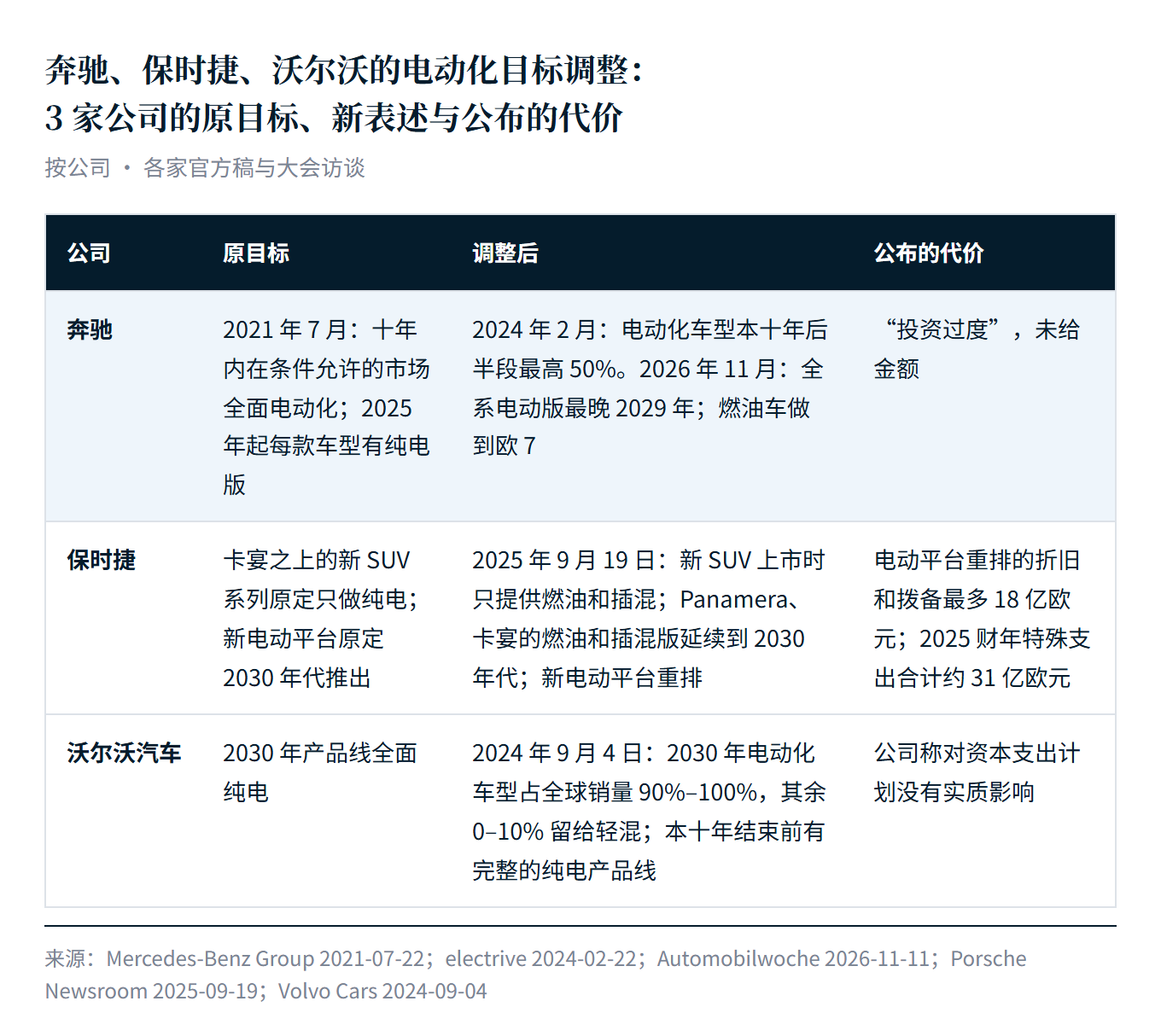
In Jul 2021, Mercedes-Benz updated its strategy on both sales and products. On sales, it will be ready to go fully electric by the end of the decade wherever market conditions allow. On products, every model will have a BEV version from 2025, with more than €40 billion invested in BEVs between 2022 and 2030.
The sales target was already revised on Feb 2024: electrified models (BEV plus PHEV) will account for at most half of sales in the second half of the decade. This time it is the product plan being adjusted. Ola Källenius said every model will have an electric version by 2029 at the latest, more likely by 2028. The sales target was revised in 2024; the product plan is now pushed back three to four years.
Where BEV sales stand
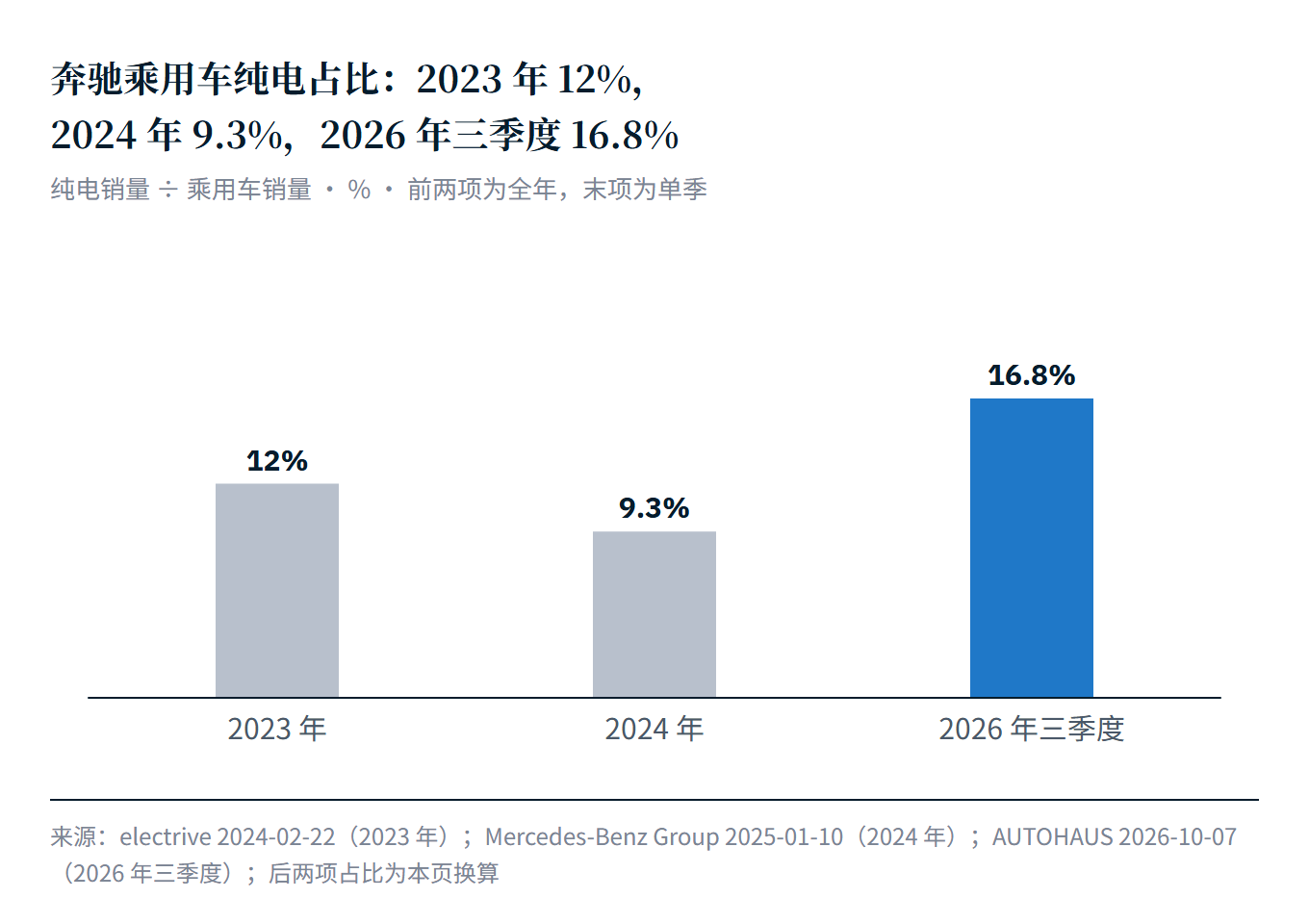
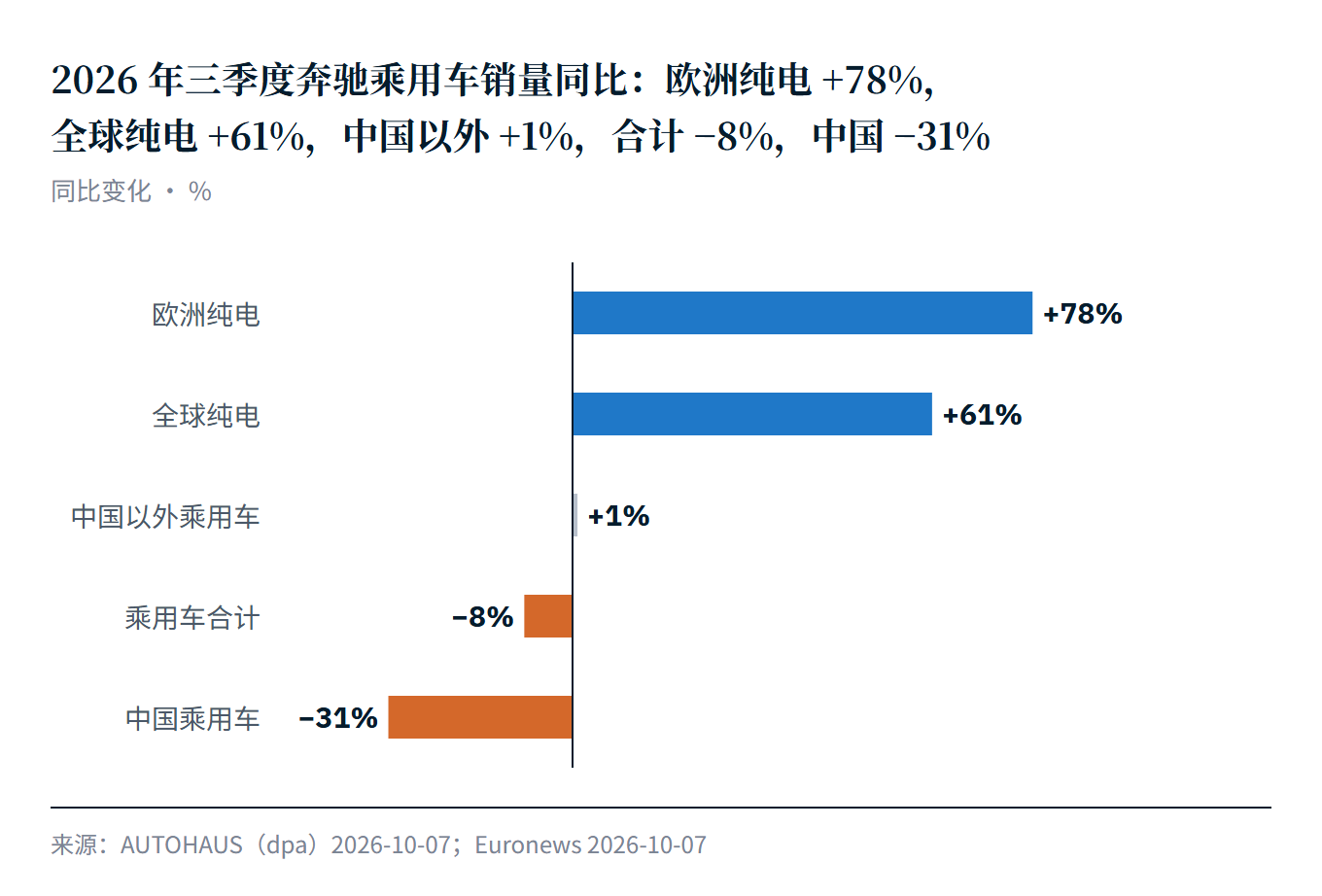
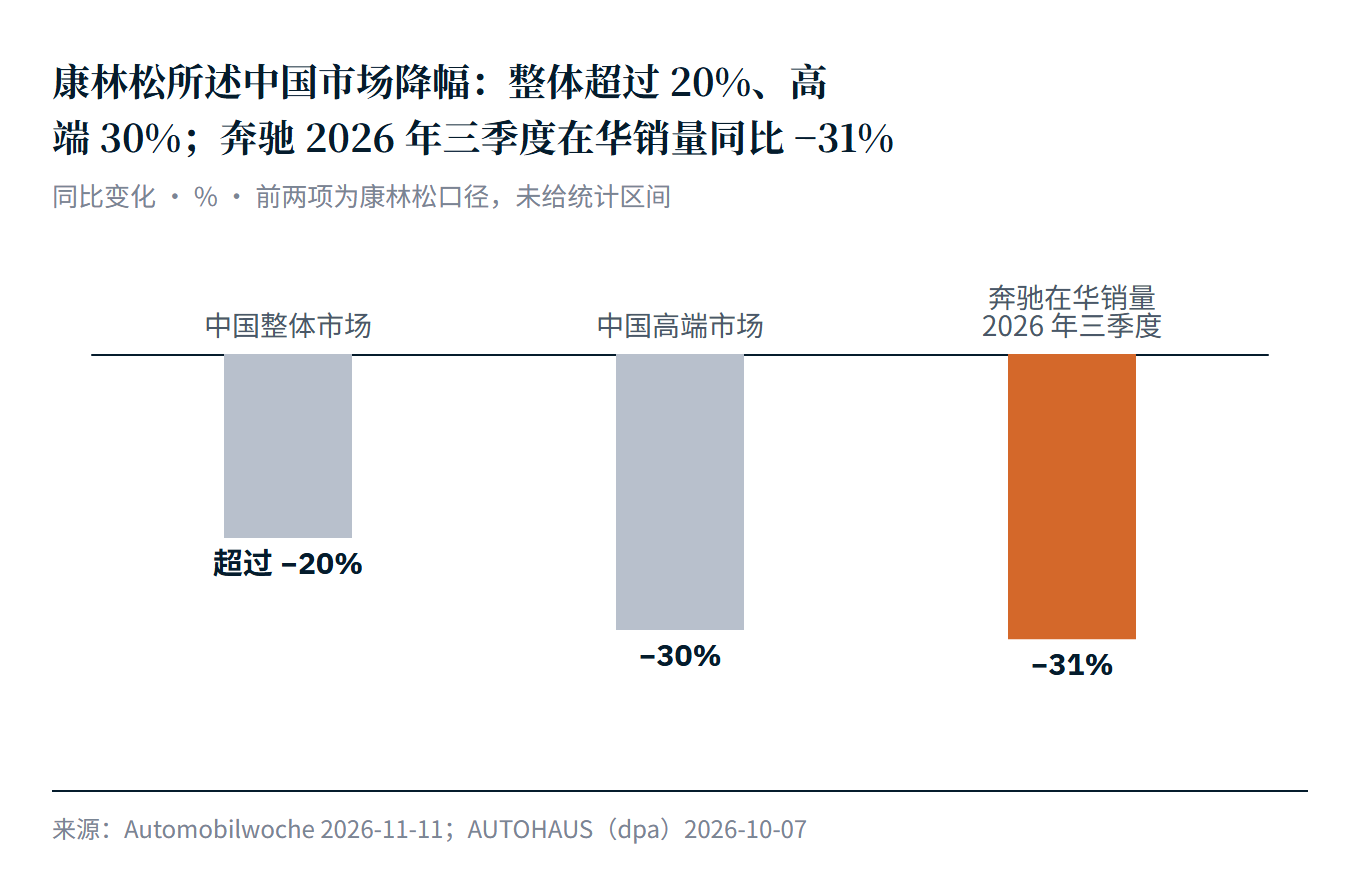
In 2024, Mercedes-Benz sold 185,100 battery-electric passenger cars, down 23% year on year and about 9% of total passenger car sales. In Q3 2026, BEV sales were 68,400, up 61% year on year and about 17% of the total; over the same period, sales in China fell 31% and total passenger car sales fell 8%. BEV sales are recovering, but still account for less than 20% of global sales, and Mercedes-Benz still sells mainly combustion and PHEV models.
Cost of two powertrains
Mercedes-Benz has brought its combustion models, including AMG's V8, into line with the Euro 7 emissions standard. Källenius said the complexity and investment of running combustion and electric in parallel are weighing on results during the transition. Mercedes is also cutting costs in both China and Germany. In China, the cost structure is to be "in principle 100% Chinese", and the first EV developed this way, an electric E-Class, launches in 2027. In Germany, new investment has been put on hold.
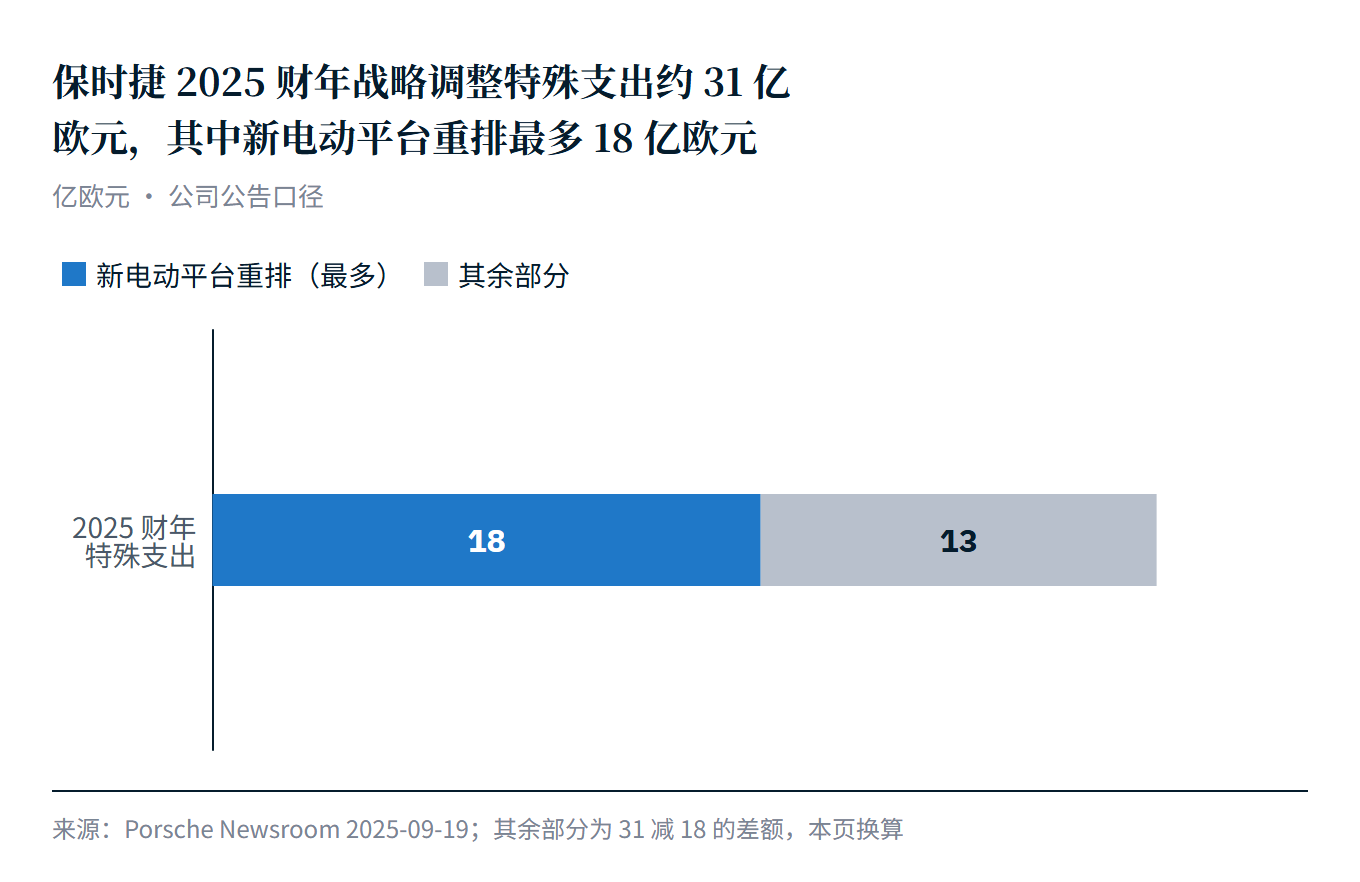
In Sep 2025, Porsche added combustion and PHEV models and revised its plans for the new electric platform; the platform changes are expected to cost up to €1.8 billion in depreciation and provisions. In Sep 2024, Volvo dropped its goal of going fully electric by 2030 and now targets 90% to 100% electrified models.
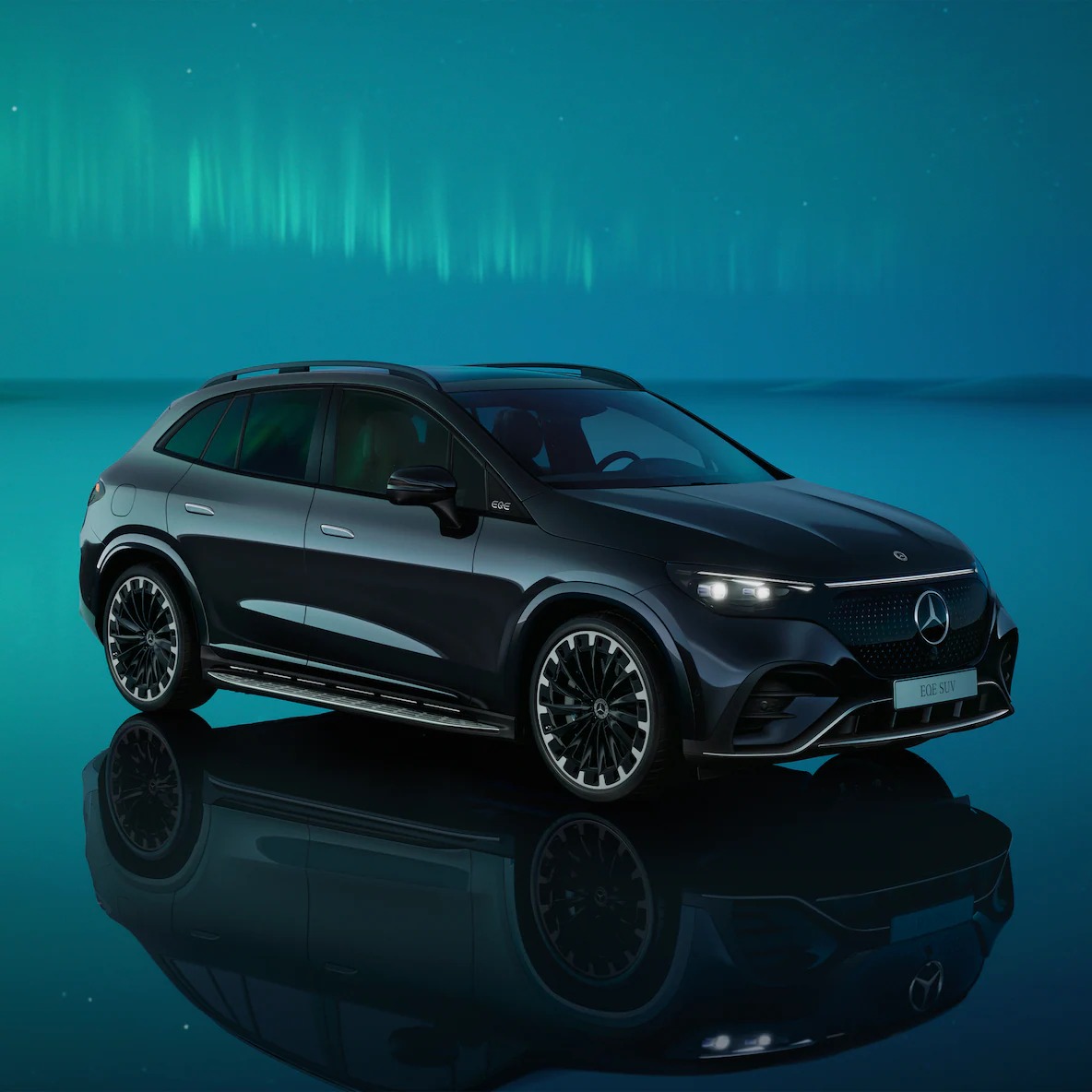
Image source: Mercedes-Benz.
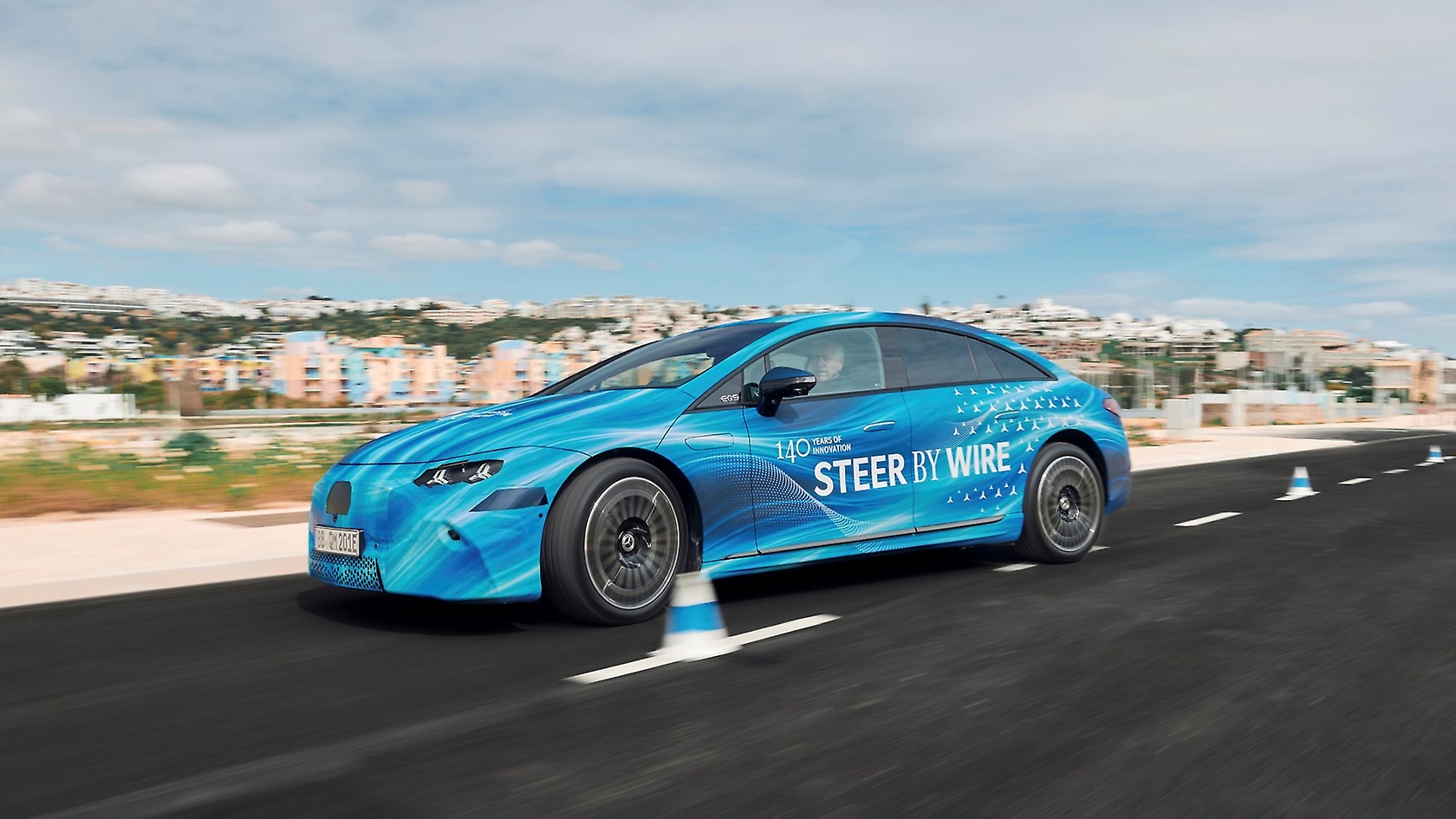
Image source: Mercedes-Benz.
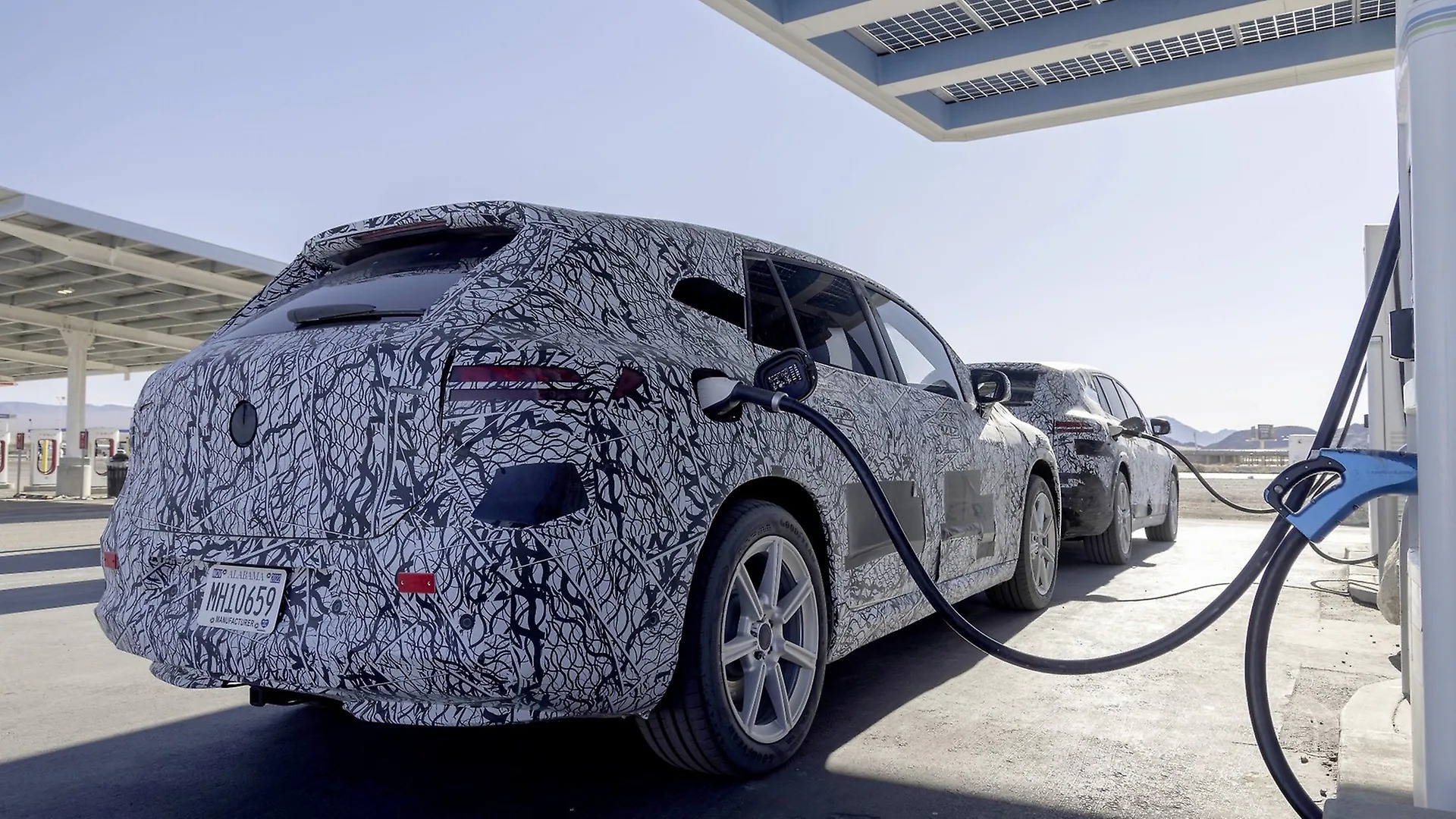
Image source: Mercedes-Benz.
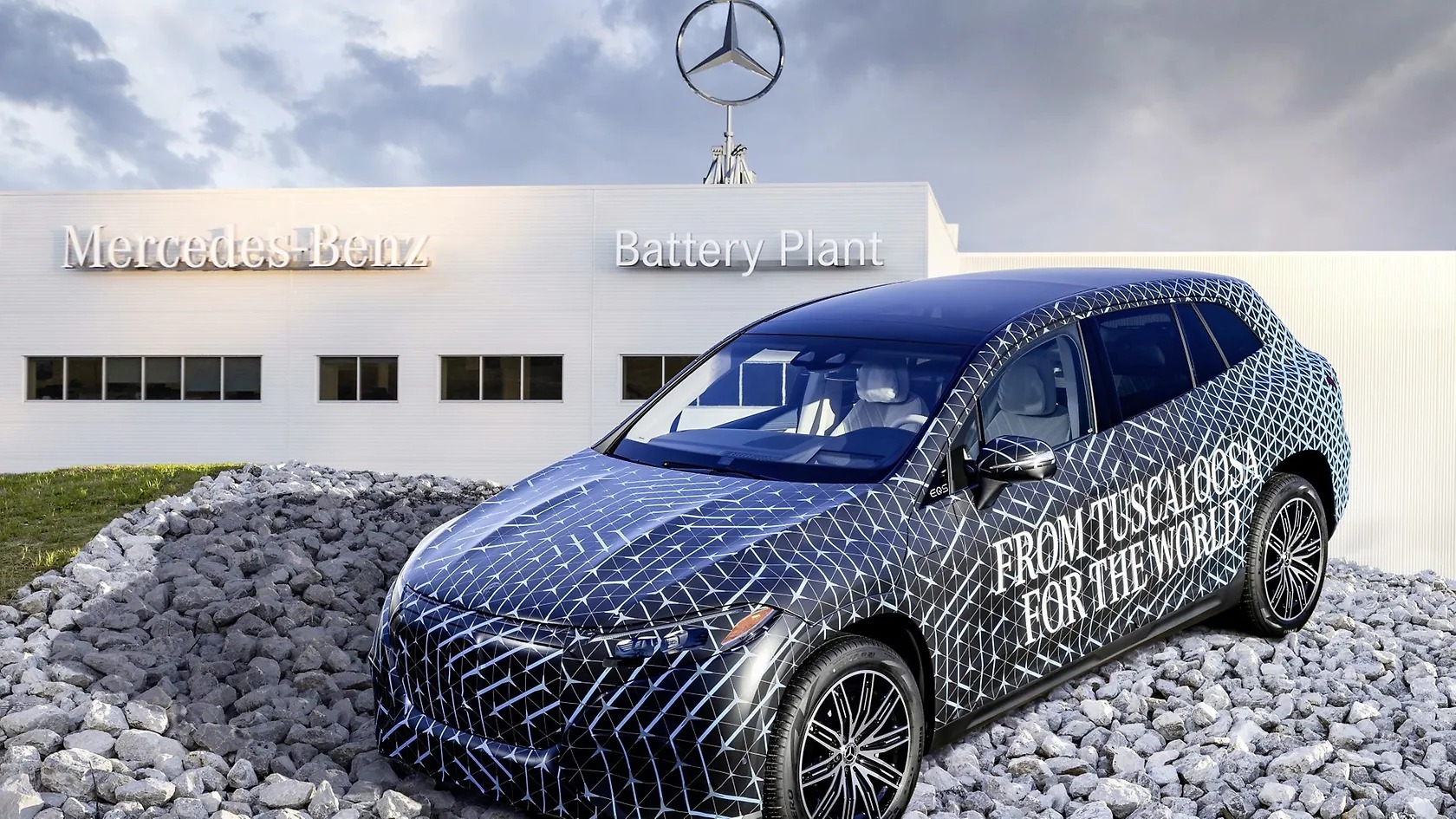
Image source: Mercedes-Benz Trucks.
Source: Chart by AutoMusic based on the public sources listed in the article; first published on the AutoMusic WeChat account.