German container logistics firm Contargo deploys 90 electric heavy trucks
German container logistics network Contargo has recently put 90 electric heavy trucks into operation. The 33 newly delivered DAF XD Elect…
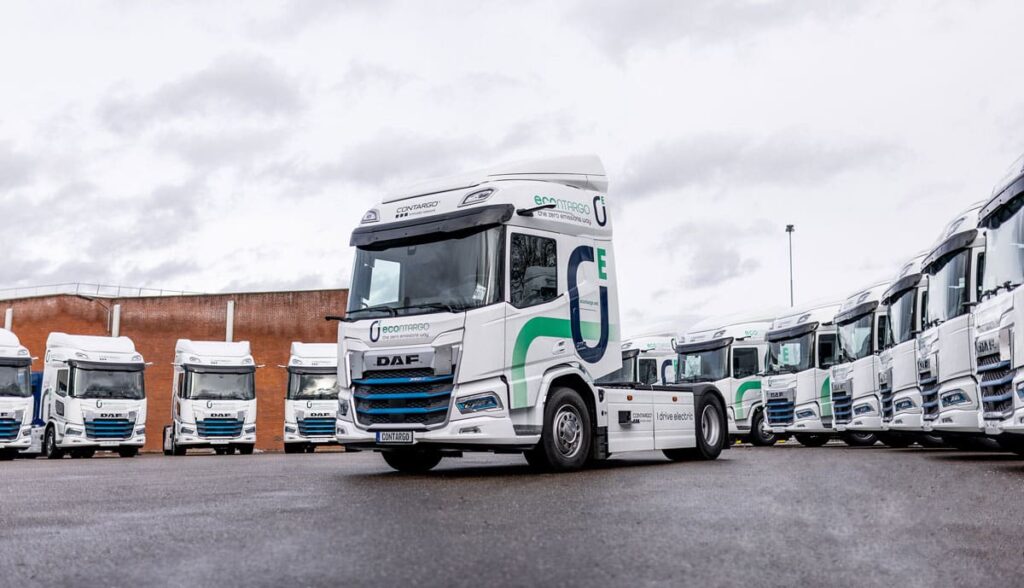
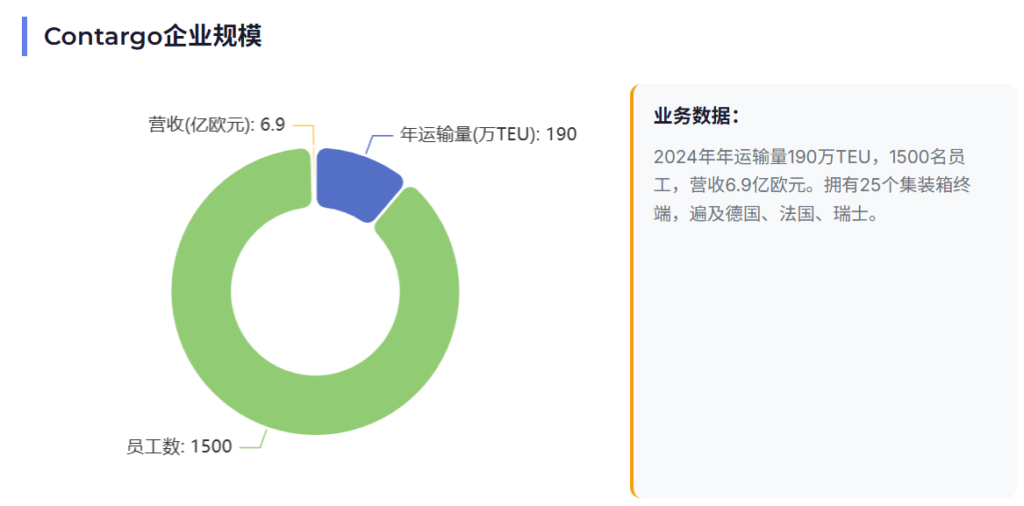

German container logistics network Contargo has recently put 90 electric heavy trucks into operation. The 33 newly delivered DAF XD Electric trucks bring Contargo's electric heavy truck fleet across 15 German sites to 90 vehicles, 86 of which received funding under Germany's KsNI program.
Use-case selection determines the pace of scale-up
Electric heavy trucks tend to scale first not on the longest long-haul routes, but in stable, repetitive operations such as short-distance container shuttles within intermodal systems. This use case offers fixed routes, high return-to-base rates and controllable schedules: energy consumption is more predictable, charging can be planned and vehicle availability is easier to stabilize. Here, electric trucks are more of a "dispatchable asset" than a "trial vehicle." Contargo and DAF have been testing electric heavy trucks under real-world conditions since 2019.
The barrier is integrating truck, charger and power
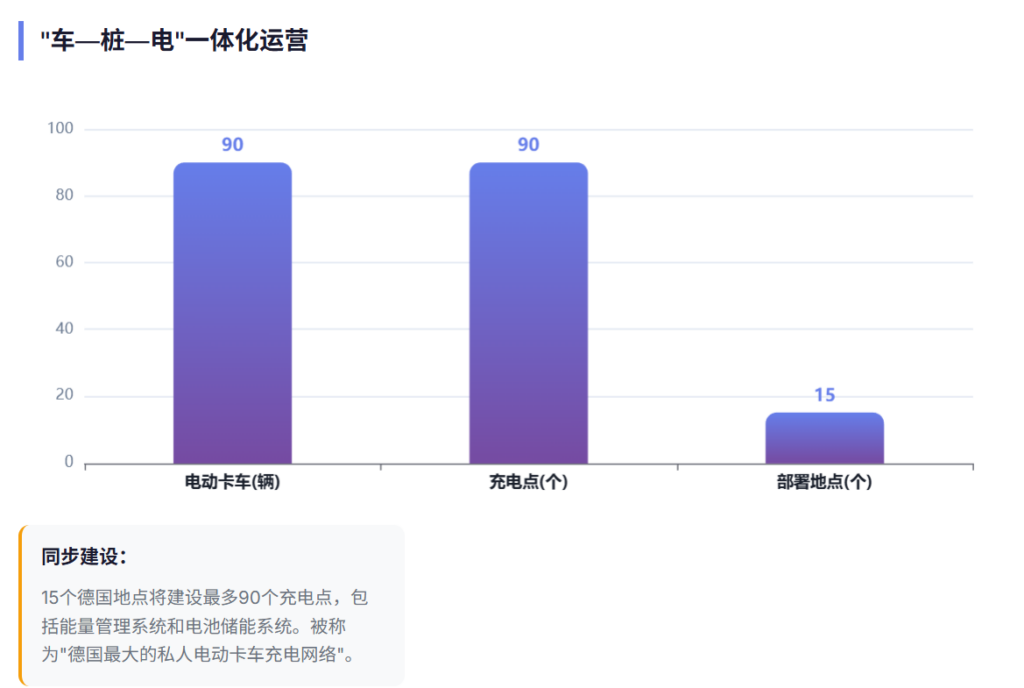
Fleet expansion is going hand in hand with charging infrastructure: on one side, 90 electric heavy trucks are entering service; on the other, an in-house fast-charging network has been extended to 15 sites, targeting about 90 charging points.
What heavy truck operators fear is not slightly higher electricity prices, but the hidden costs of charging uncertainty: waiting time, backup vehicles and unreliable punctuality. Only by bringing charging in-house can electric heavy trucks become core capacity. The 15 German sites will have up to 90 charging points, including energy management systems and battery storage, described as "Germany's largest private electric truck charging network." The fleet and the infrastructure are expanding in step, ensuring every electric heavy truck has matching charging capacity.
Long-termism in the technology route
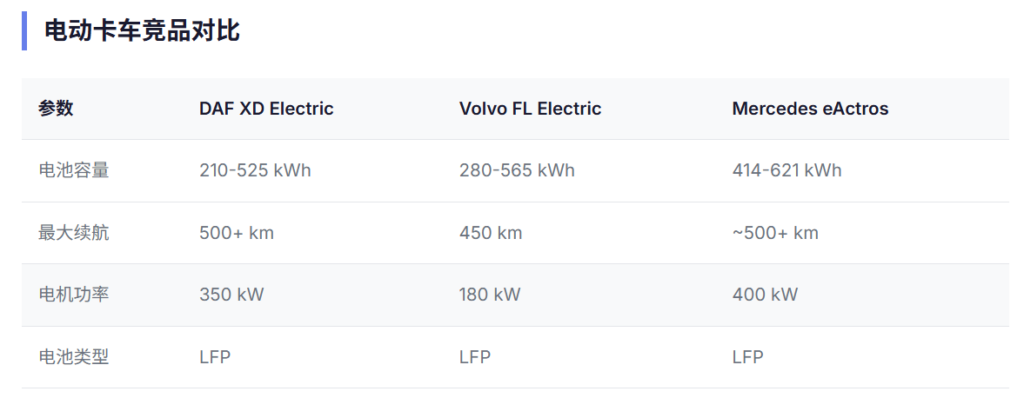
The DAF XD Electric uses a 350 kW motor, offers a range of more than 500 km and carries 5 LFP battery packs. For logistics companies, a heavy truck is a production tool, and the core requirements are reliability and total cost of ownership. In addition, the DAF XD Electric was named "2026 International Truck of the Year" in Nov 2025, an endorsement of its technical maturity.
Long-term competitiveness depends on operations
In this expansion, 86 electric heavy trucks and the associated charging infrastructure received KsNI funding from Germany; the scale-up is a systematic, policy-backed deployment. Subsidies can significantly ease capex pressure, but they cannot solve day-to-day operational complexity: dispatching, driver training, maintenance support, grid capacity and peak/off-peak strategies are what determine vehicle availability and unit costs over the long term.
The barrier to scale has been lowered
Electrification of heavy transport has moved from the pilot stage to large-scale implementation. A fleet of 90 trucks, coverage of 15 sites and 86 funded vehicles show that electric heavy trucks are already viable in real logistics operations. For the industry, the barrier to scale has come down. Technology, funding and operating models: all three are in place. The question for heavy transport electrification is no longer "whether" but "when to scale."