UK charging network 2025: ultra-rapid charging up 41%
The UK added 14097 charging stations in 2025, bringing the total to 87796, a network growth of 19%. Ultra-rapid charging grew 41%, and charging…
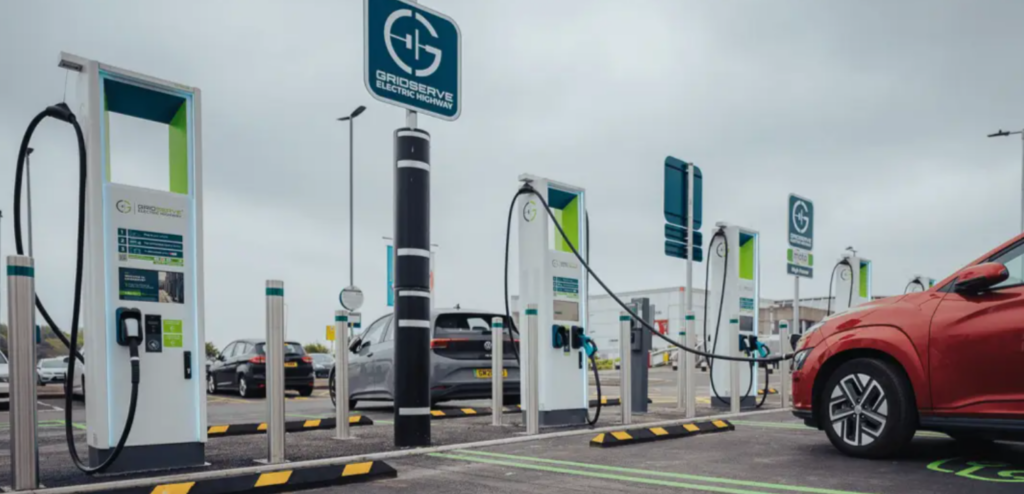


The UK added 14,097 charging stations in 2025, bringing the total to 87,796, a 19% increase in the network. Ultra-rapid charging grew 41% and charging hubs expanded 39%. Together they are reshaping the infrastructure landscape, shifting it from scattered low-power chargers to concentrated high-power hubs.
Ultra-rapid charging (150kW+) was the fastest-growing segment, with 2,872 added for a total of 9,893. That is more than double the network average, and far ahead of rapid charging (50-149kW) at 8% and AC chargers at 18%. Faster ultra-rapid growth means each site can serve more vehicles and users spend less time charging. Long-distance travel and commercial fleets benefit most directly.
The rise of the charging hub model also deserves attention. These sites, each with six or more rapid or ultra-rapid chargers, grew 39%, with 211 added for a total of 748. The main advantage of a hub is better land use: one site can serve 6-12 vehicles at once, while a scattered site can often serve only one or two. Hubs are being rolled out quickly at motorway service areas, large retail centres and on the edges of cities.
Growth was uneven across regions. High-power charging grew more than 35% in the North West, and about 29% in the East of England, Wales and Northern Ireland. The gap reflects different investment priorities among local authorities and private operators.
Policy support kept increasing in 2025. The Depot Charging Scheme launched in July. It covers 75% of chargepoint and civil works costs, up to £1 million per project, and is aimed directly at commercial fleet operators. The Rapid Charging Fund provides £950 million, with the goal of deploying at least 6,000 high-power chargepoints on motorways and major A roads by 2035. These long-term commitments give charge point operators investment certainty.
The UK has 116,052 EVSEs and 122,071 connectors, about 1.05 connectors per EVSE on average. Statistics have moved from counting chargepoints, to charging stations, to EVSEs. This shows the industry's growing understanding of infrastructure: for users, the key question is how many vehicles can charge at the same time.
The 2025 growth figures are encouraging, but challenges remain. Regional gaps in network density, limited grid capacity, uncertain business models, and fragmented standards and interoperability all need continued work in 2026 and beyond.
The real test for the UK is whether it can keep this momentum and keep improving quality, accessibility and user experience.