US EV battery-swapping startup Ample files for bankruptcy reorganization
Despite raising $330 million, US battery-swapping startup Ample has filed for Chapter 11 reorganization. The official reason is…
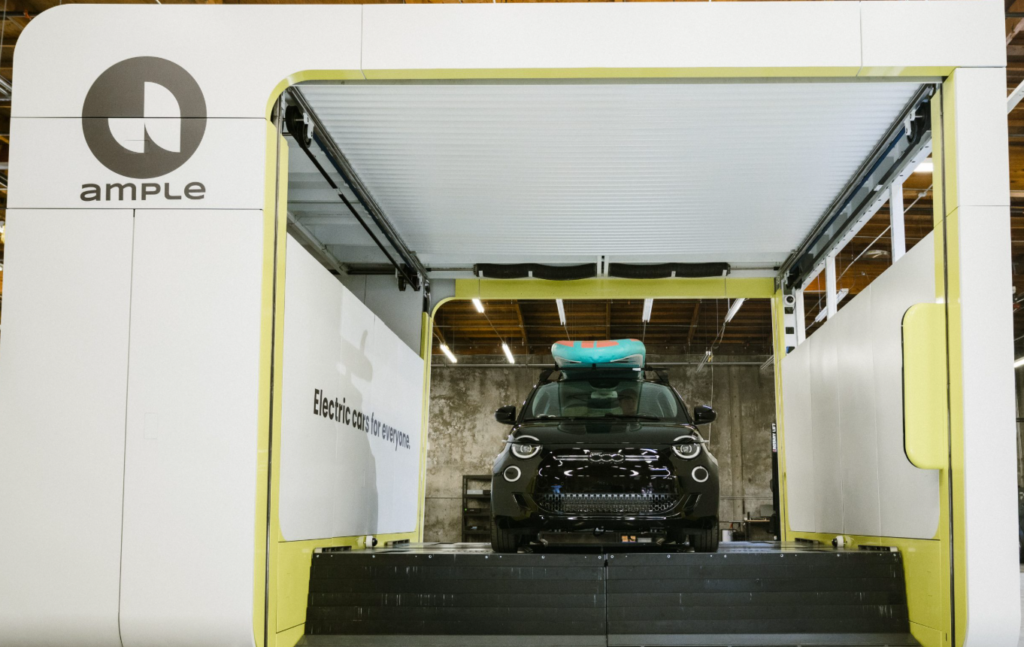
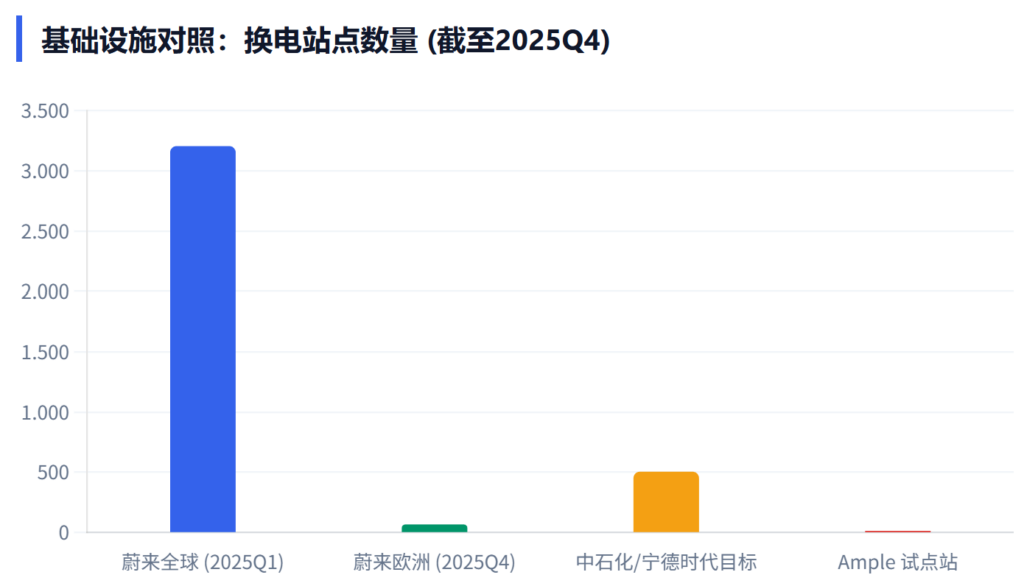
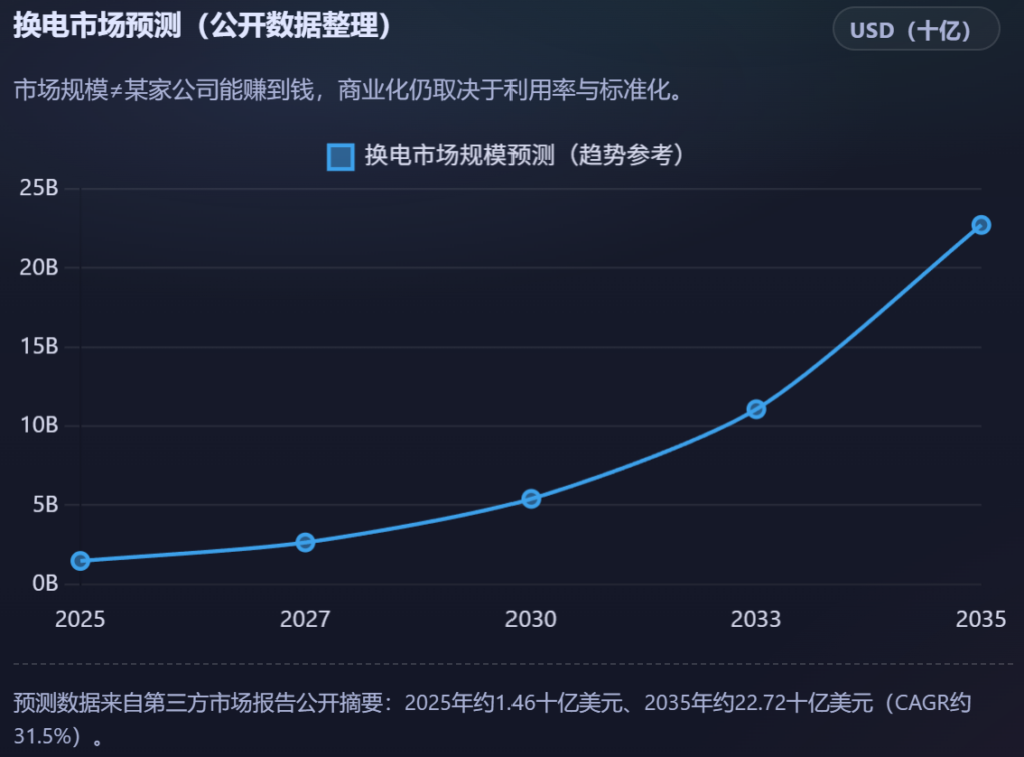
Despite raising USD 330 million, US battery-swapping startup Ample has filed for Chapter 11 bankruptcy protection. The official reasons given are a liquidity crunch and a sharp cooling of the investment climate for renewable energy.
Ample raised about USD 330 million in total. Its investors and partners include industry heavyweights Shell, Mitsubishi and Stellantis, and this year it launched pilot projects in Madrid and Tokyo.
The technology works, the business model doesn't
Ample's core pitch was a five-minute battery swap: modular, with batteries decoupled from vehicle models, fully automated, and no need for the driver to get out. Technically it was entirely feasible, but commercialisation ran into serious problems.
The European and US passenger car markets are highly fragmented, and no OEM is willing to give up platform freedom for battery swapping. In practice, swapping means more system complexity and lower economies of scale.
Charging in Europe and the US is also dominated by home charging and slow overnight charging. Demand for frequent top-ups is far lower than in the taxi and ride-hailing fleets of China's tier-1 cities, so swap stations cannot reach high utilisation.
More critically, on the capital side, swap stations are asset-heavy infrastructure, yet they have no grid function and no utility-style pricing power. They depend on a single service fee, which leaves cash flow extremely fragile.
Backing from industry giants
For energy majors and carmakers, battery swapping is just one option among the possible routes to electrification. Once capital tightens and returns are unclear, it quickly drops down the priority list. Ample did not go bankrupt for lack of backers; it went bankrupt because market demand was not compelling enough.
Restructuring, not yet liquidation
Chapter 11 in the US is a restructuring, not a liquidation. The company is temporarily protected by law and has time to restructure its debt, sell assets and look for a buyer. For Ample, though, the better outcome may be that its technology and IP are absorbed into a larger group rather than continuing as an independent company.
Why battery swapping only works in China
The swapping business model works in China because cities are dense, ride-hailing and taxi fleets are large, policy supports standardisation, and OEMs have stronger control over their platforms. Even so, swapping has not yet become a high-return business in China. For now it is closer to strategic infrastructure.