Volkswagen ID. Polo interior: physical buttons return in force
With the first reveal of the ID. Polo interior, Volkswagen has sent a clear signal: the ID family is systematically correcting the past few years'…
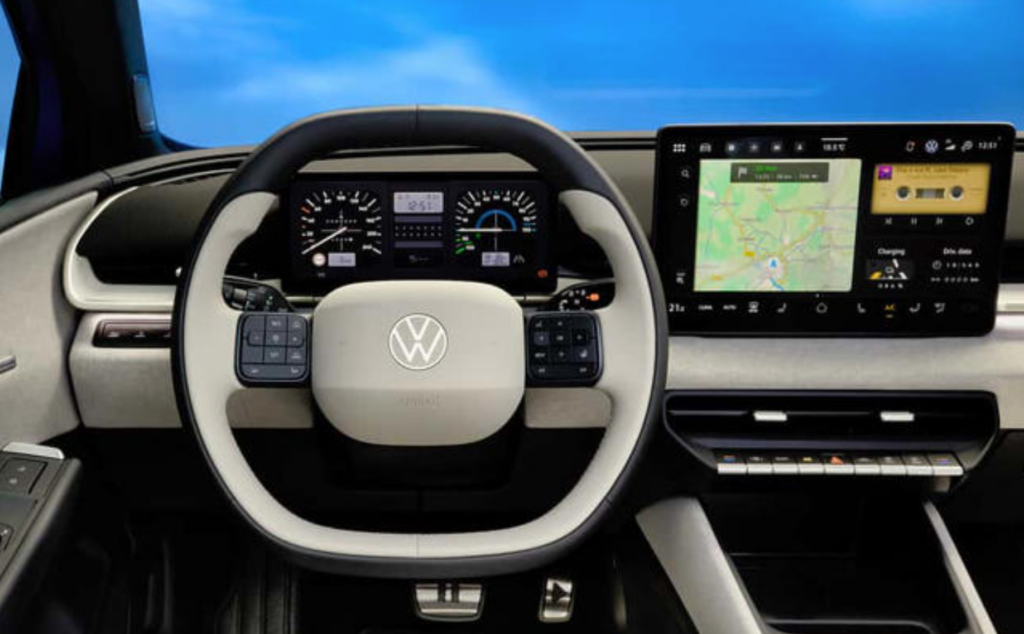
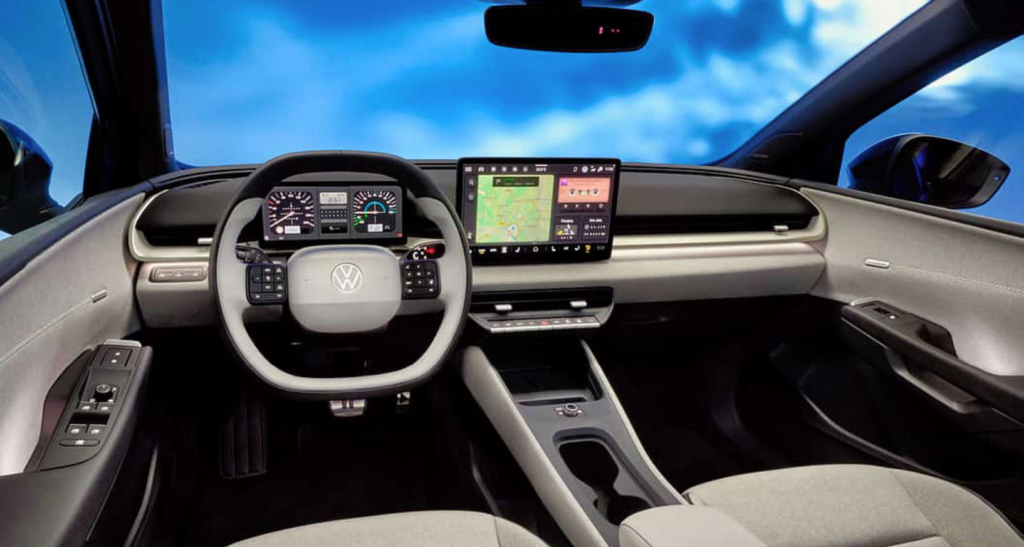
With the first look at the ID. Polo's interior, Volkswagen has sent a clear signal. The ID family is systematically correcting the design direction of the past few years, a product rethink driven by real-world user feedback.
A driver interface that makes sense
The most obvious change in the ID. Polo's cabin is far less reliance on touch controls. Two large screens still form the visual centre: a 26 cm digital instrument cluster and a 33 cm central infotainment screen. The interface, however, is more restrained, and information density is easier to manage. Frequently used functions such as climate control and the hazard lights now have a separate area of physical buttons and no longer sit in multi-level menus. The steering wheel has also dropped touch sliders entirely in favour of physical buttons.
A shift in HMI thinking
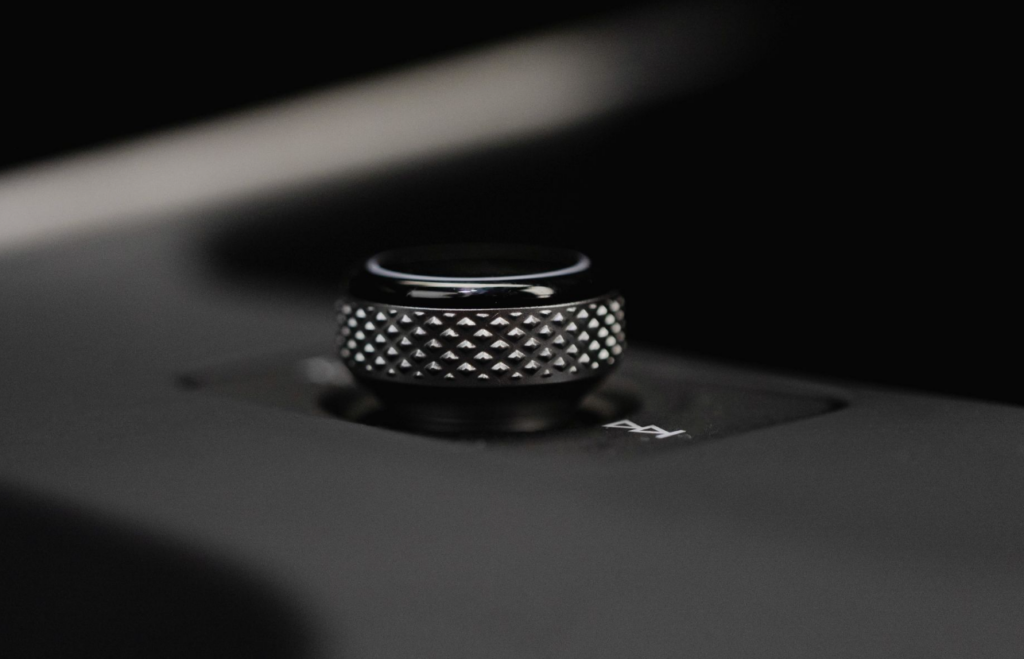
The most eye-catching element of the centre console is a physical rotary knob between the phone tray and the cupholders. It does two things only: adjust the volume and skip tracks. The old idea that every operation had to go through the screen looked more like UI engineers indulging themselves.
The ID.Light strip stays
ID.Light has not been dropped; it has been strengthened. The light strip runs from the dashboard into the doors and still shows navigation prompts, charging status and driver-assistance feedback. Unlike in early ID models, however, it now acts as a supplement to other information rather than being forced in as the main interface in place of conventional indicators.
Volkswagen's "emotional value"
Another clear change in the ID. Polo's interior is a softer look and feel. Large areas of the dashboard and door panels are covered in fabric. Buttons and knobs are deliberately given different materials and damping. Recycled materials are blended more naturally into the overall design rather than pushed as an "eco label". For entry-level EV buyers, a less plasticky cabin is a competitive advantage in itself.
Retro instruments are easier to understand
The so-called "80s retro instruments" are essentially a visual mode designed to be easy to read: clear scales, a familiar layout and symbols that need no learning. The ID. Polo's cabin does not overturn anything. It simply returns to basic logic.
With this interior, Volkswagen openly admits that the previous generation of ID design went too far. This correction will most likely become the common template for the future ID family. Over the next few years, the industry will most likely correct, across the board, the over-digitised HMI of recent years.