BYD reaches 125 dealerships in the UK
BYD has rolled out 125 sales and service outlets in the UK. For the first time, a Chinese OEM has got the hardest part in Europe, the dealer network, running smoothly. 1…
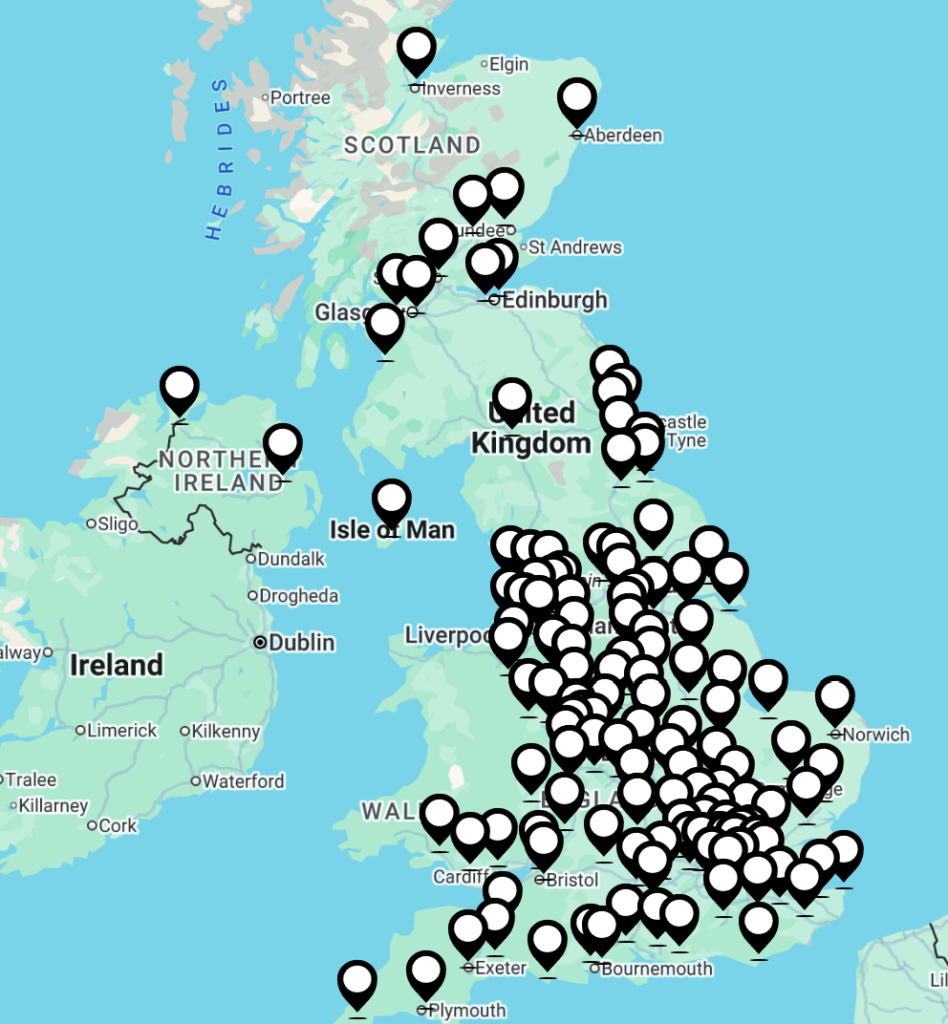
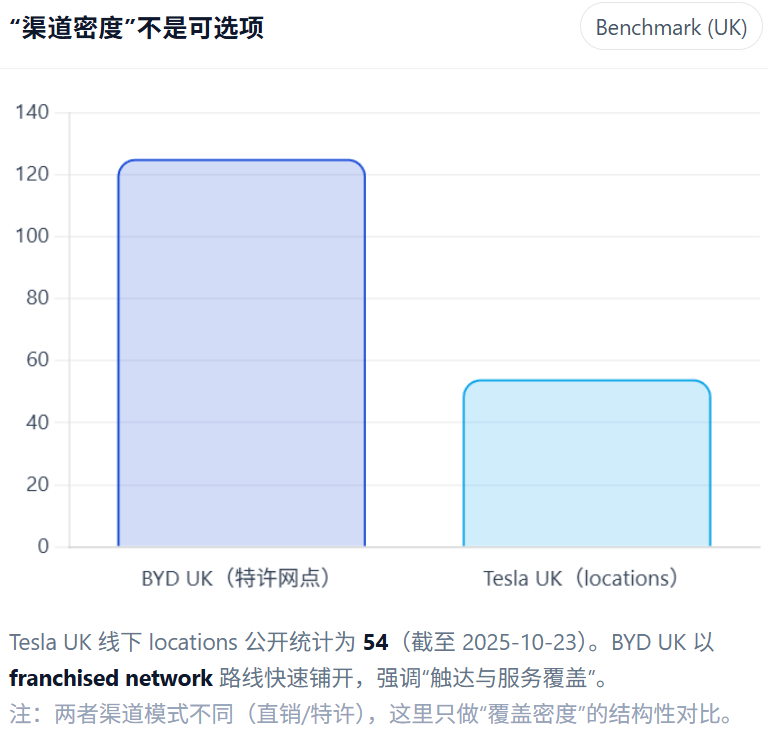
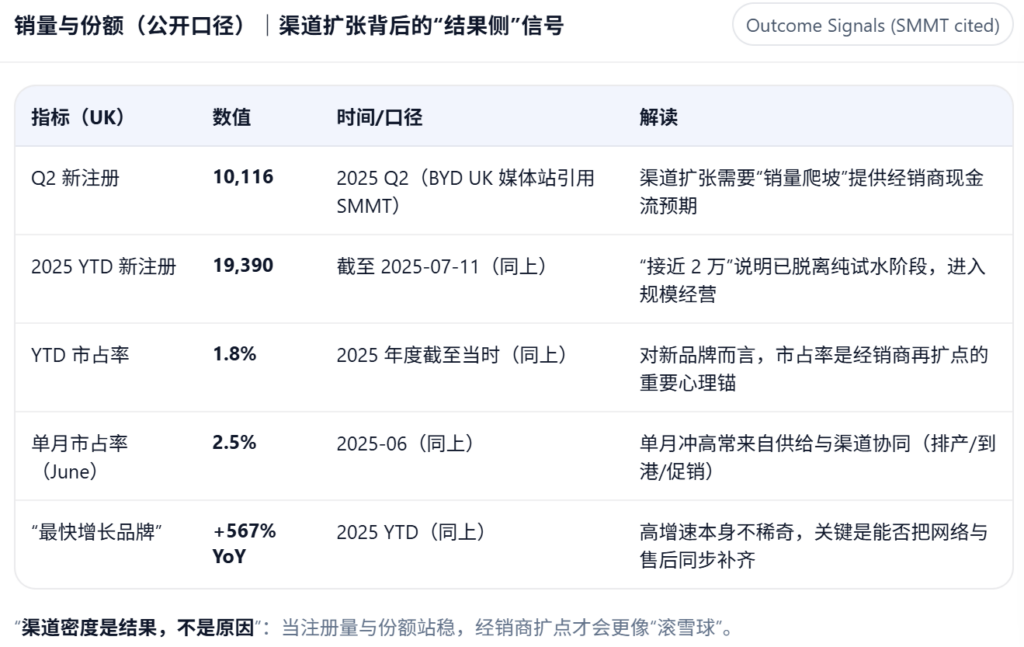
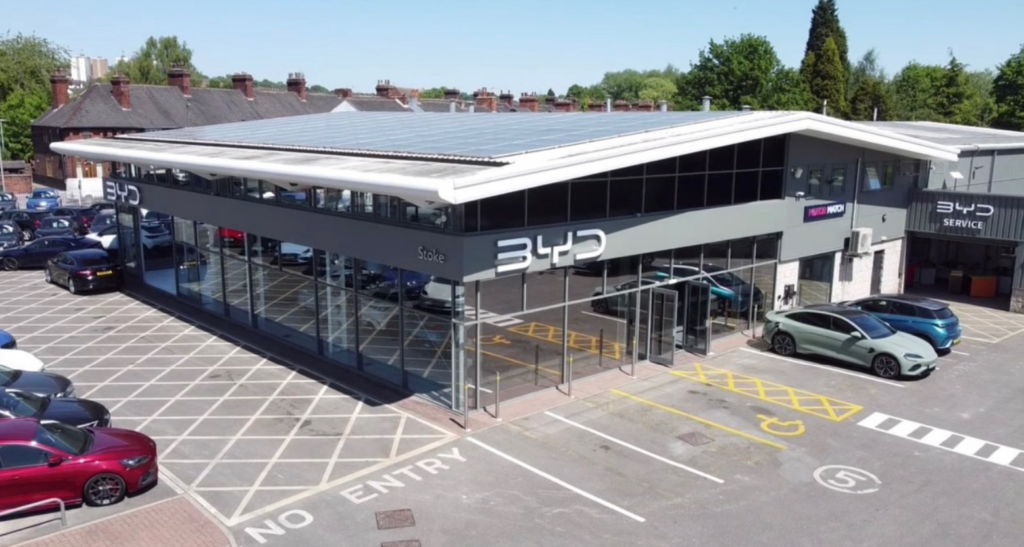
BYD has completed the rollout of 125 sales and service outlets in the UK. For the first time, a Chinese OEM in Europe has got the hardest part of the business, the dealer network, running smoothly.
125 outlets and a highly mature network
In the European market, dealer count is not just a matter of marketing exposure; it reflects organizational capability, financial strength and management complexity combined. The network covers the country's major cities and second-tier markets, and the dealers do more than sell cars: they form a complete system covering aftersales, parts, finance and trade-ins.
Many brands in Europe slow down markedly once they reach 20–30 outlets, not for lack of demand, but because their back-end systems simply cannot keep up with the pace of expansion. By reaching 125, BYD has crossed an invisible threshold.
The UK: a market where channel difficulty is underestimated
Many Chinese OEMs see the UK as a "right-hand-drive, offshore market," but at the channel level it is one of the hardest countries in Europe to build in. Dealer groups are highly concentrated and have strong bargaining power. Aftersales and service standards are mature, with little tolerance for new brands. Finance, insurance and residual value systems are highly market-driven, so manufacturers can hardly "force" volume. BYD's rapid UK rollout is not essentially down to a friendly market environment; rather, it chose the standard franchise model and gave dealers a clear, predictable business model: cars sell without relying on subsidies, and the network thrives on scale.
The real advantage: delegation and execution
Many attribute this result to product value for money or battery technology, but from a European channel perspective, the key is that BYD did not fixate on direct sales. After Tesla, quite a few Chinese brands harbored illusions about direct sales, but BYD took a more pragmatic path in Europe: letting dealers make money.
More importantly, local decision-making authority is substantial, and the speed of channel expansion is essentially the speed of approvals. BYD's UK team clearly does not "escalate everything to headquarters" on site selection, contract signing and pacing.
BYD's model lineup is simple and replicable. A small, clear product line reduces the complexity of dealer training, inventory and marketing, which is critical for rapid expansion.
A watershed for Chinese OEMs in Europe has emerged
Today, Chinese brands in Europe have clearly diverged: some have entered the "network-building phase," while others remain in the "brand-introduction phase." Then there are those that keep wavering on their channel strategy, neither daring to delegate authority nor willing to bear the cost of building the system.
BYD's UK dealer network shows that Chinese OEMs in Europe are capable of doing the most traditional thing, selling cars, properly. From here on, competition will not play out only on product specs, but on who can keep this "slow variable" of the channel running over the long haul.