Chery Jaecoo 7 SHS launches in Germany
Chery has officially launched the Jaecoo brand in Germany. Its first model, the Jaecoo 7 SHS, is a plug-in hybrid SUV going straight into Germany's most competitive…
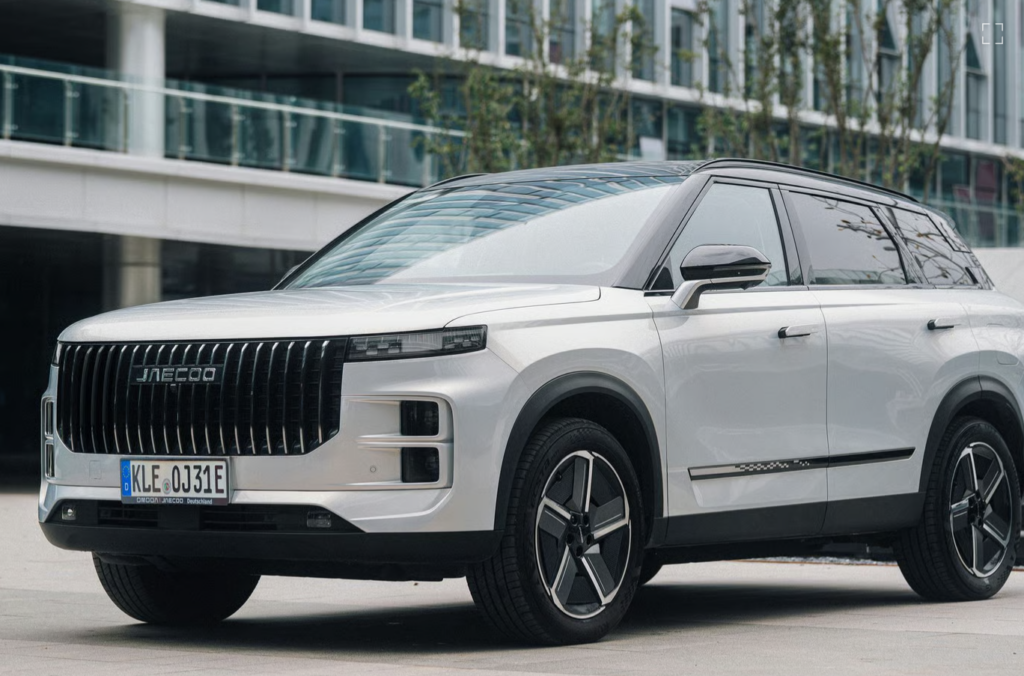
Chery has officially launched the Jaecoo brand in Germany. Its first model, the Jaecoo 7 SHS plug-in hybrid SUV, goes straight into Germany's most fiercely contested mainstream family segment, taking on models such as the Volkswagen Tiguan and Toyota RAV4. Chery is using a plug-in hybrid system as its first step into Germany, with prices starting at €36,900 and around €39,500 for the top trim, backed by a 7-year/150,000 km vehicle warranty and an 8-year/160,000 km high-voltage battery warranty.
Opening the market with a PHEV
With subsidies reduced, charging experiences varying widely and vehicle prices under pressure, German consumers are more cautious about going "fully electric in one step". Plug-in hybrids have become the choice for many households and business users.
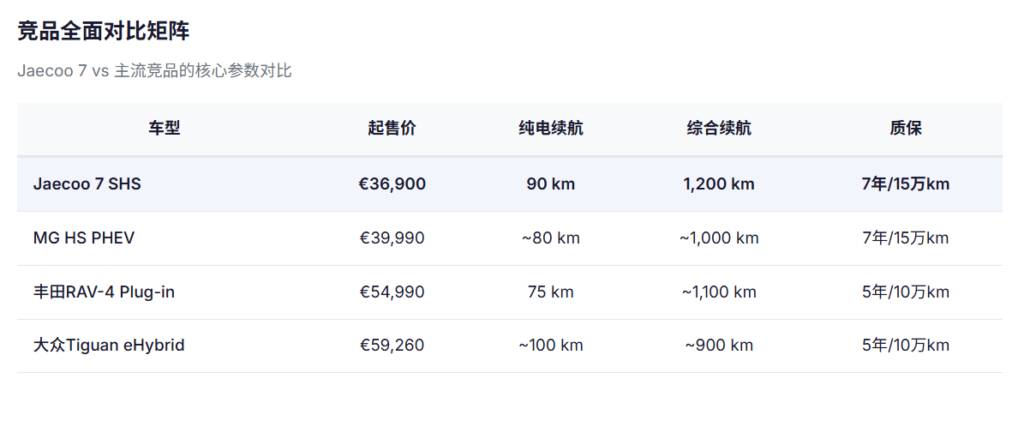
The Jaecoo 7 SHS combines a 1.5-litre engine, two electric motors and a battery of about 18.3 kWh, giving a maximum electric range of roughly 90 km. Strategically, it treats the PHEV as a more acceptable entry point to electrification. In a country like Germany, where a high share of driving is long-distance motorway travel, range still matters.
The tariff factor
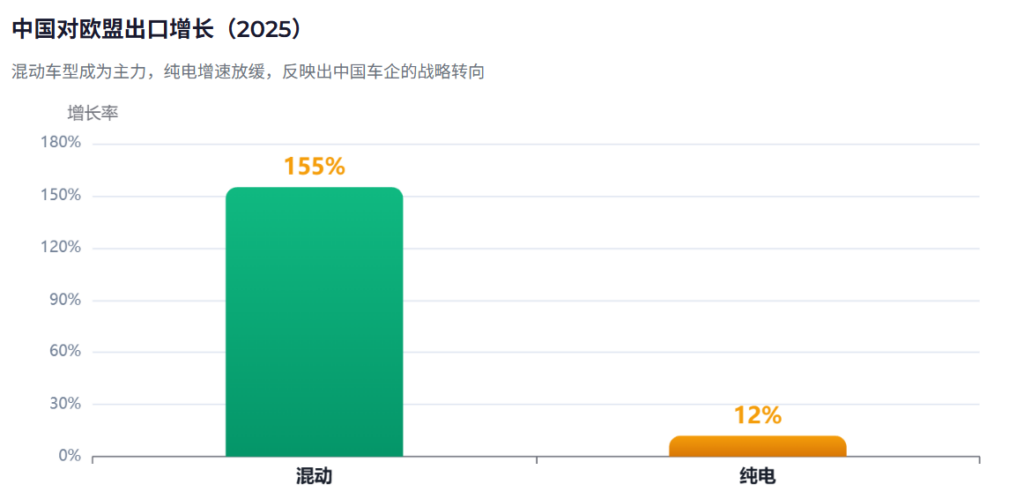
In 2025, China's exports of hybrid vehicles to the EU grew 155%, while BEV exports grew only 12%. Plug-in hybrids avoid the EU's special tariffs on Chinese BEVs, which reach up to 25%.
€36,900 undercuts the incumbents
For a new brand, German consumers' decision-making is demanding: brand, reliability, residual value and after-sales network are all scrutinised. At €36,900, the Jaecoo 7 SHS sits within the budget range considered for mainstream family SUVs, while its equipment and warranty make up for weak brand recognition.
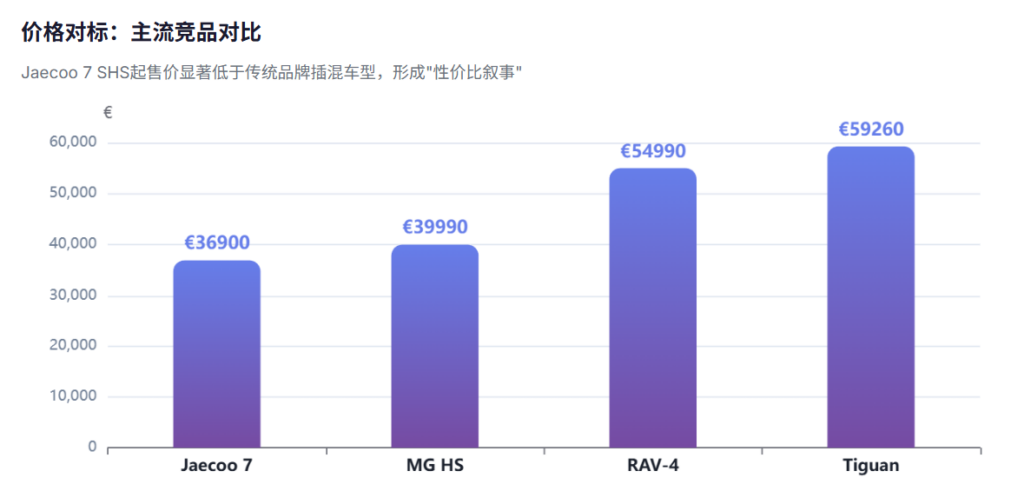
By comparison, SAIC Motor's MG HS PHEV starts at €39,990, the Toyota RAV4 Plug-in at about €54,990, and the Volkswagen Tiguan eHybrid at as much as €59,260. Chery's logic is to offer a lower entry price and a longer warranty for the same size and use case, in exchange for that first test drive and first order.
Corporate fleet procurement
Corporate fleets typically focus on three things when buying vehicles: purchase cost, usable mileage, and the risk of breakdowns and downtime. A longer warranty plus a lower entry price is the most direct form of "risk compensation" a new brand can offer.
The service chain is key
The German market is highly sensitive to "after-sales certainty": whether there is a workshop nearby, how quickly parts arrive, how accident repairs and warranty claims are handled, and how used cars are valued. These often matter more than specifications; this is how German consumers make decisions.
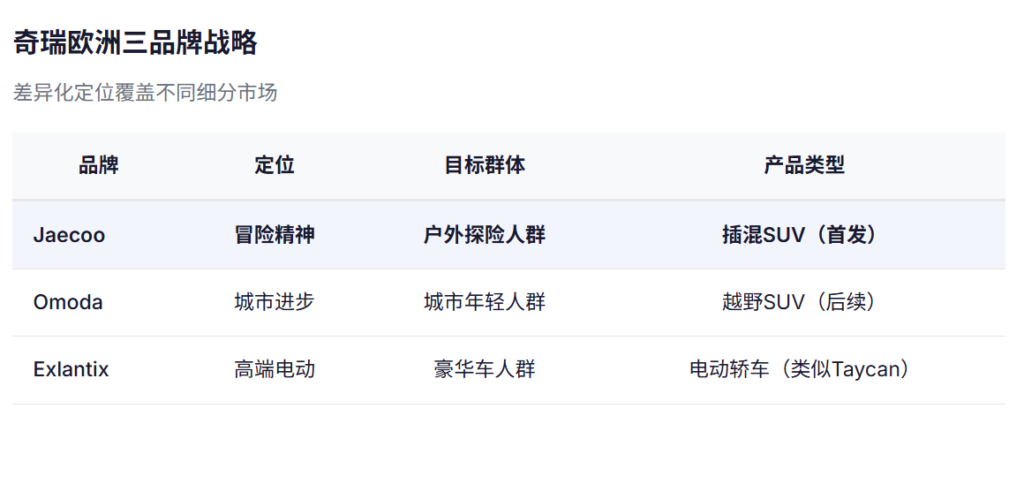
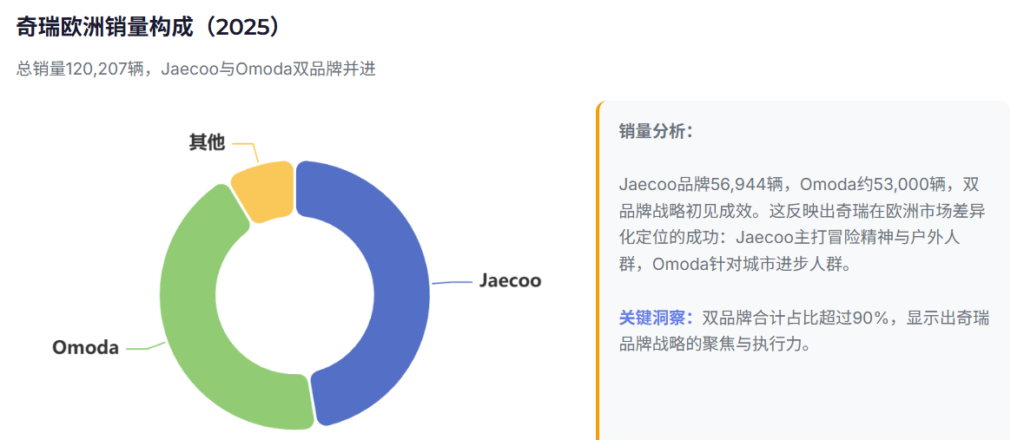
Chery also plans to introduce more models and brand lines (including Omoda and higher-positioned products), which will further increase the complexity of its parts and service network. Chery has already set up after-sales infrastructure in Germany and is advancing local production in Spain, capabilities that are critical for the German market.
Whether the Jaecoo 7 SHS gains a foothold depends on whether delivery, servicing, repairs, residual values and financing can form a closed loop. If Chery can make the "delivery-servicing-repair-residual value" chain work, its significance in Germany will go beyond how well one model sells: it will create a replicable template in Europe for more products and brand lines to follow.