UK-EU battery rules of origin: dispute shifts to postponing the deadline
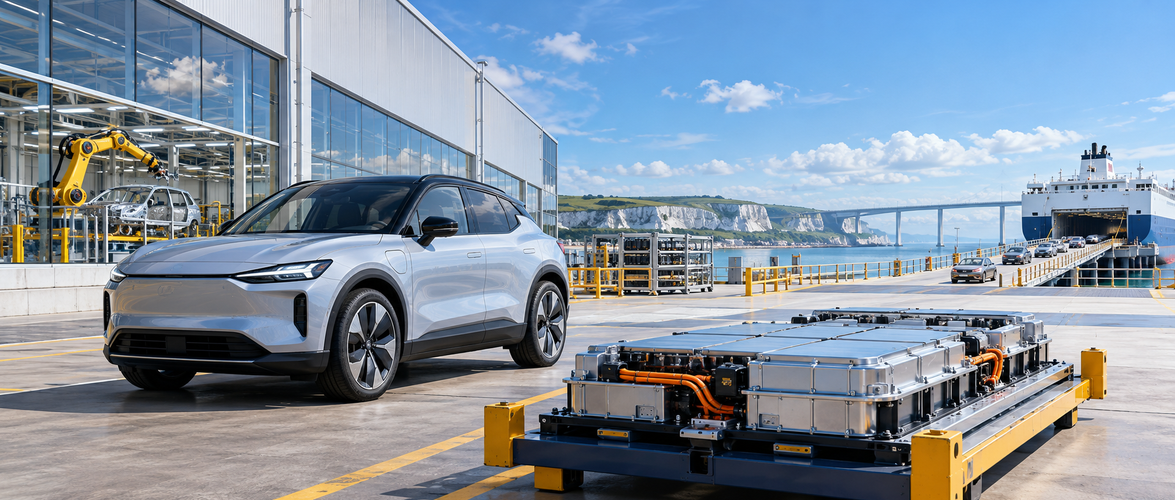
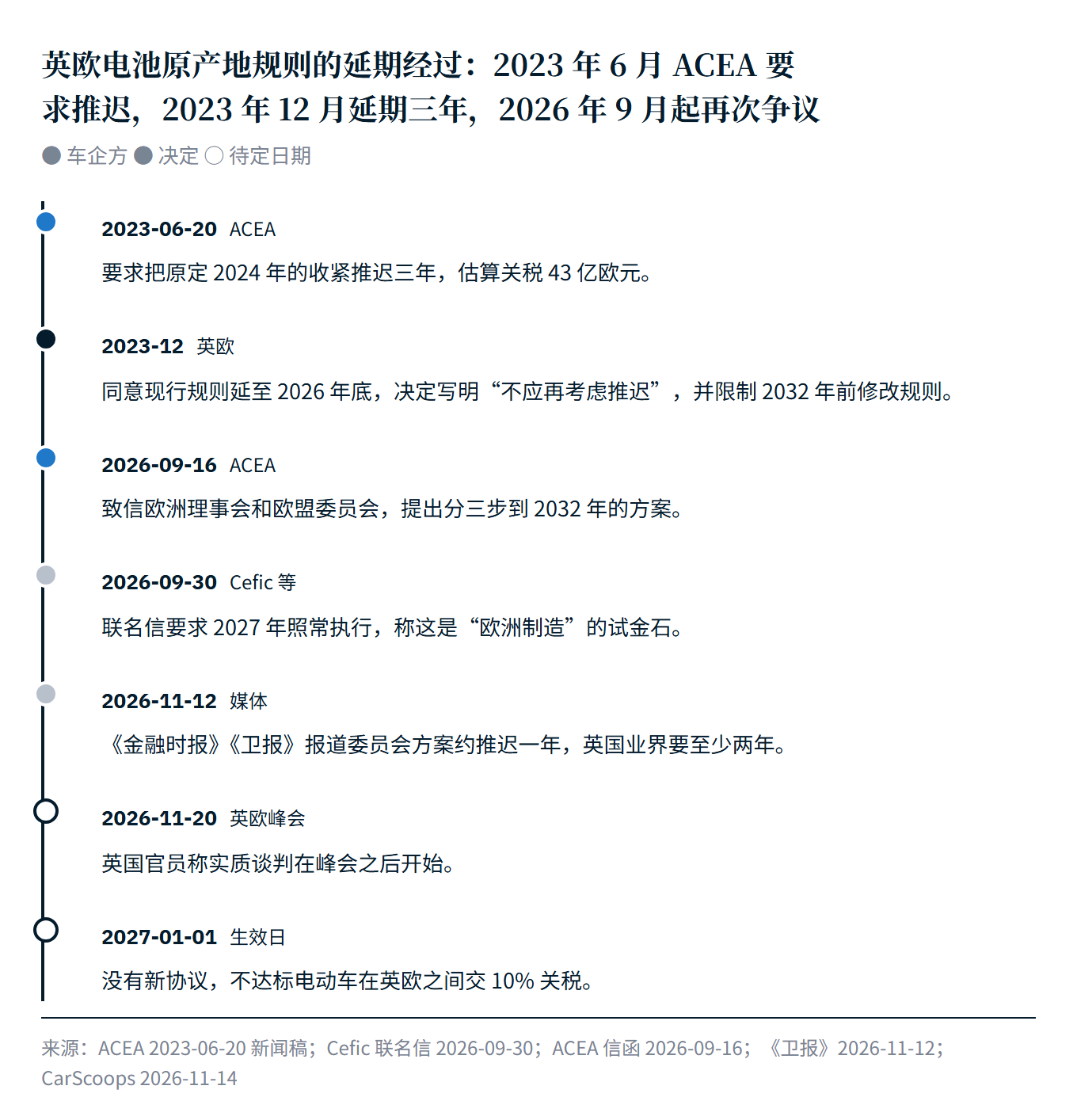
On Nov 14, CarScoops, citing the Financial Times, reported that the UK–EU EV battery rules of origin due to take effect on Jan 1, 2027 are likely to be postponed again, for an unspecified period; a UK official said substantive negotiations would not begin until after the UK–EU summit in Nov 20.
Deadlines each side wants
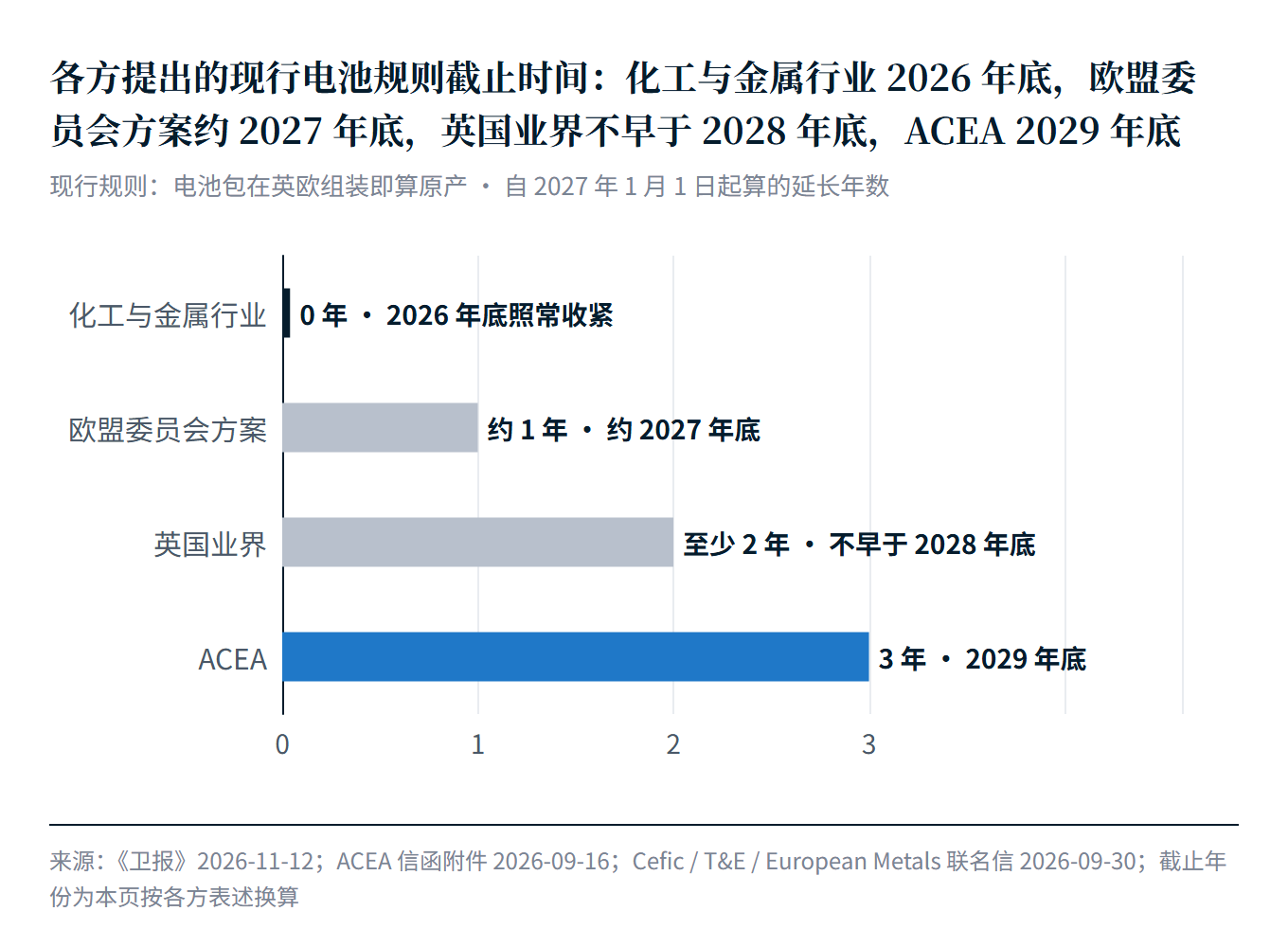
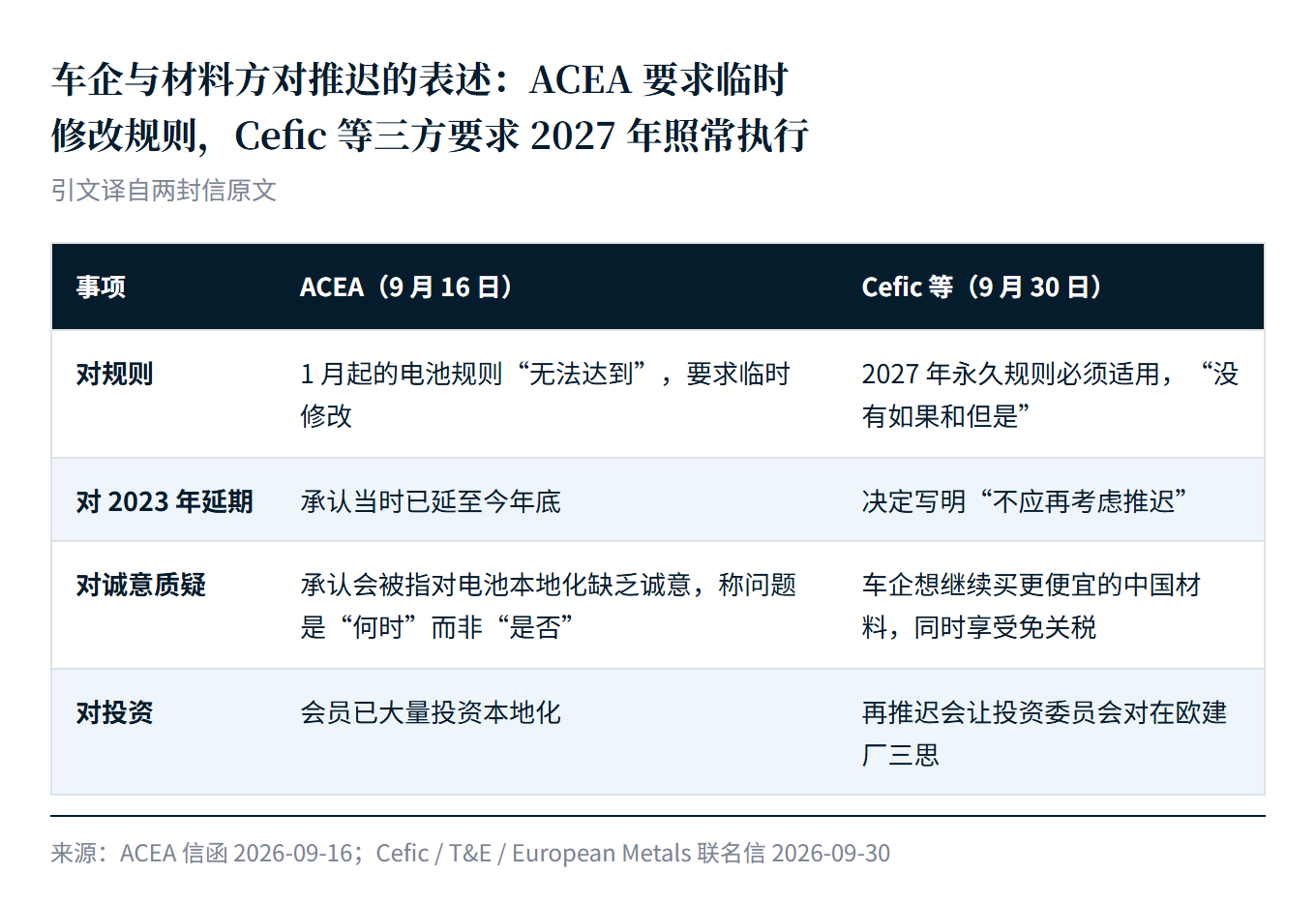
The Guardian reported on Nov 12 that the European Commission has presented a proposal to the auto industry but not yet formally to the UK government. It effectively amounts to a one-year delay, with some elements involving adjustments to customs procedures and rules of origin calculation methods. A UK industry executive said it needs to be at least two years, otherwise the issue will have to be renegotiated next year. In a letter in 9, ACEA asked for the current rules to remain in place until the end of 2029, while the chemicals and metals industries want implementation to go ahead as planned in 1. The shortest option is two years short of ACEA's request, and negotiations will most likely see a tug-of-war between one and two years.
ACEA proposal details
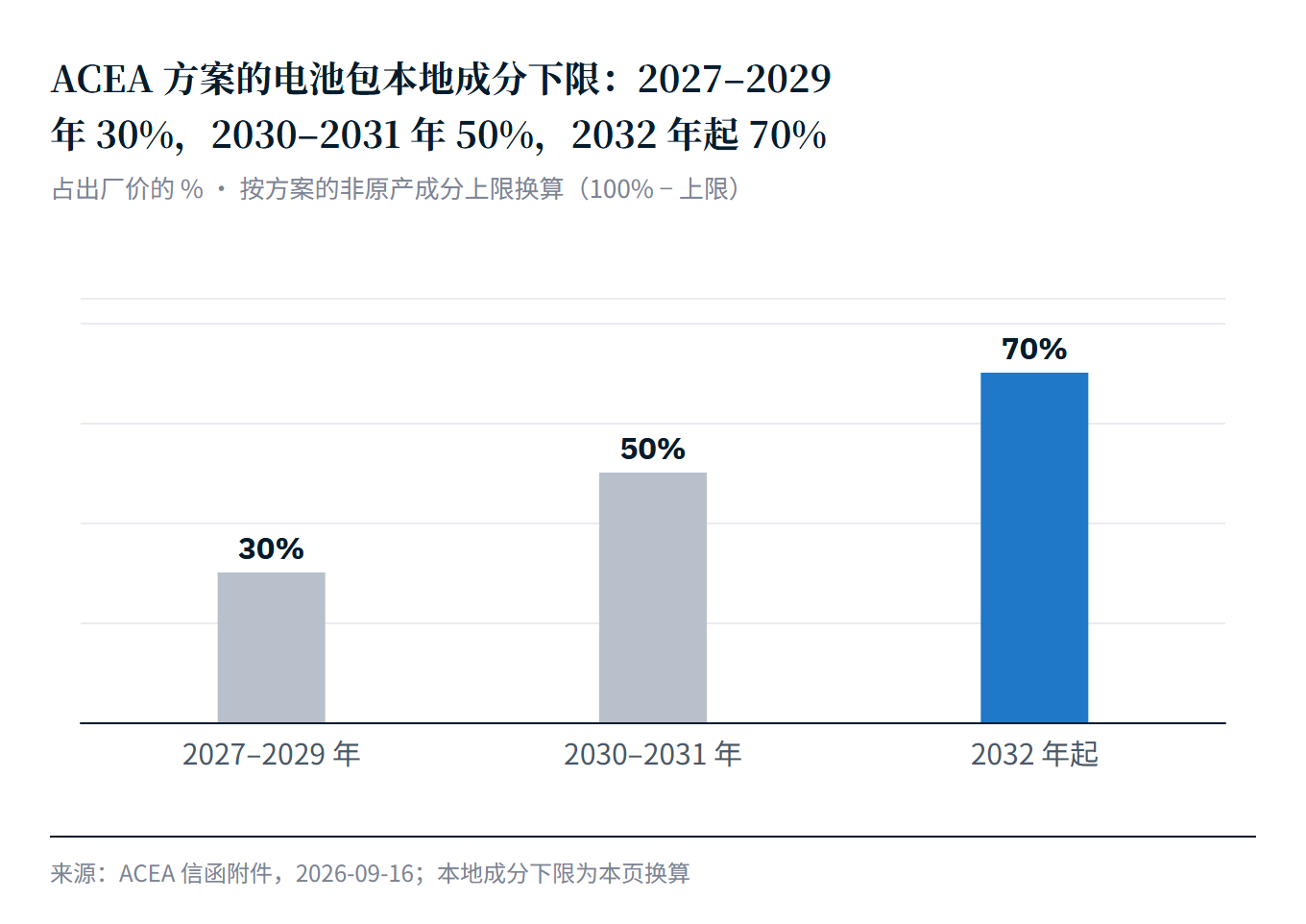
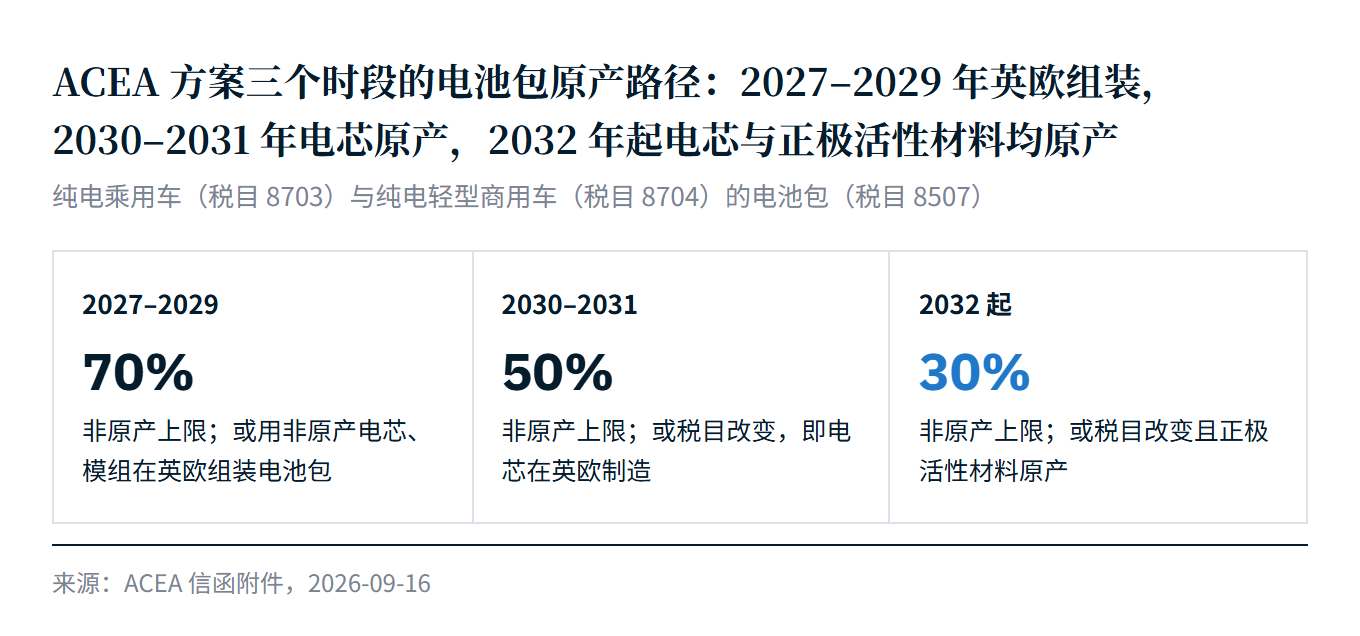
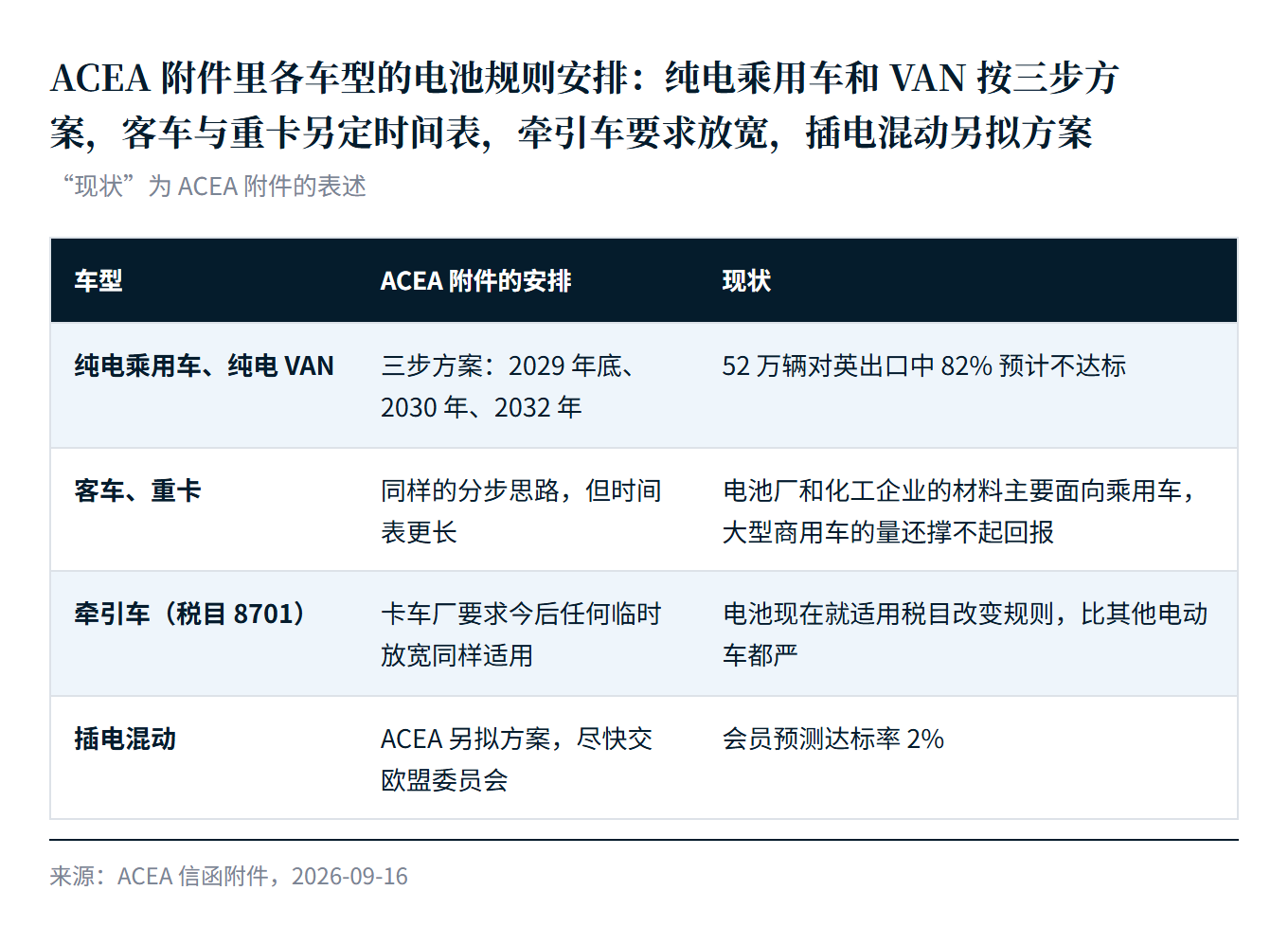
An annex to ACEA's letter sets out three tiers of thresholds. From 2027 to 2029, the current rules continue to apply: the battery pack only needs to be assembled in the UK or EU, or non-originating content must not exceed 70% of the ex-works price. From 2030, cells must be made in the UK or EU, or non-originating content must not exceed 50%. From 2032, cathode active material must also be originating, or non-originating content must not exceed 30%. On the whole-vehicle requirement, ACEA says its members have consistently been able to comply. Bus and heavy truck batteries follow a longer timetable; tractor batteries are already subject to stricter rules, and truck makers are asking for these to be relaxed as well. Members forecast that only 2% of plug-in hybrids will comply, and ACEA says it will draft a separate proposal. Even if a deadline is agreed for passenger cars, battery rules for commercial vehicles and PHEVs will still need to be negotiated separately.
Opponents' arguments
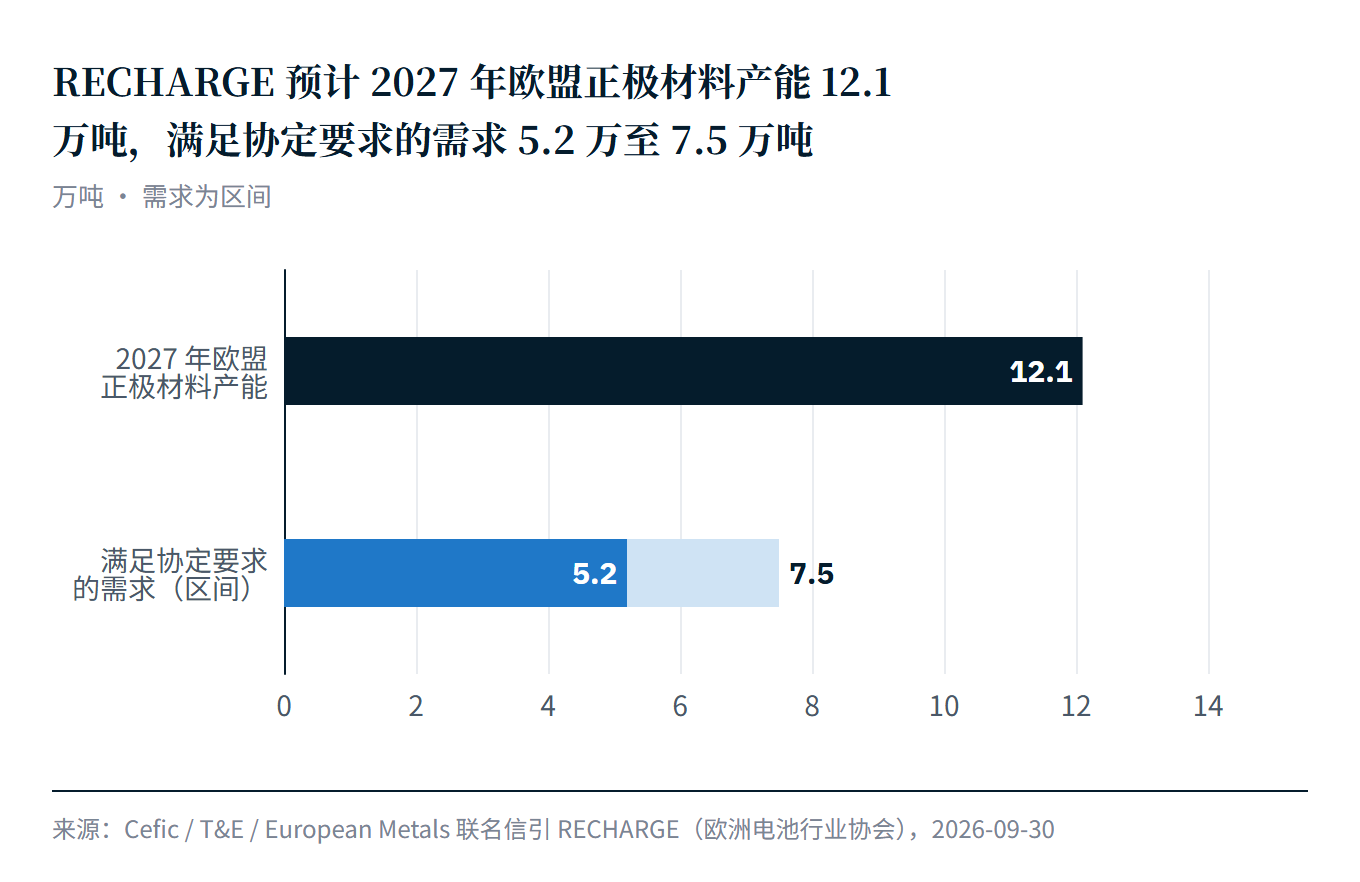
On Sep 30, Cefic, Transport & Environment (T&E) and European Metals wrote jointly to the European Commission. They quoted the wording of the Dec 2023 decision that granted a three-year extension, "no further postponement should be considered", and said companies were told at the time that the extension was a one-off, and investors committed capital on that basis. RECHARGE expects EU cathode material capacity to reach 121,000 tonnes in 2027, about 1.6 to 2.3 times the 52,000 to 75,000 tonnes needed to meet the agreement. The letter calls the issue a litmus test for "Made in Europe". The longer the delay, the longer material producers wait for automaker orders. What they need is purchase contracts.
Bargaining chips at the summit
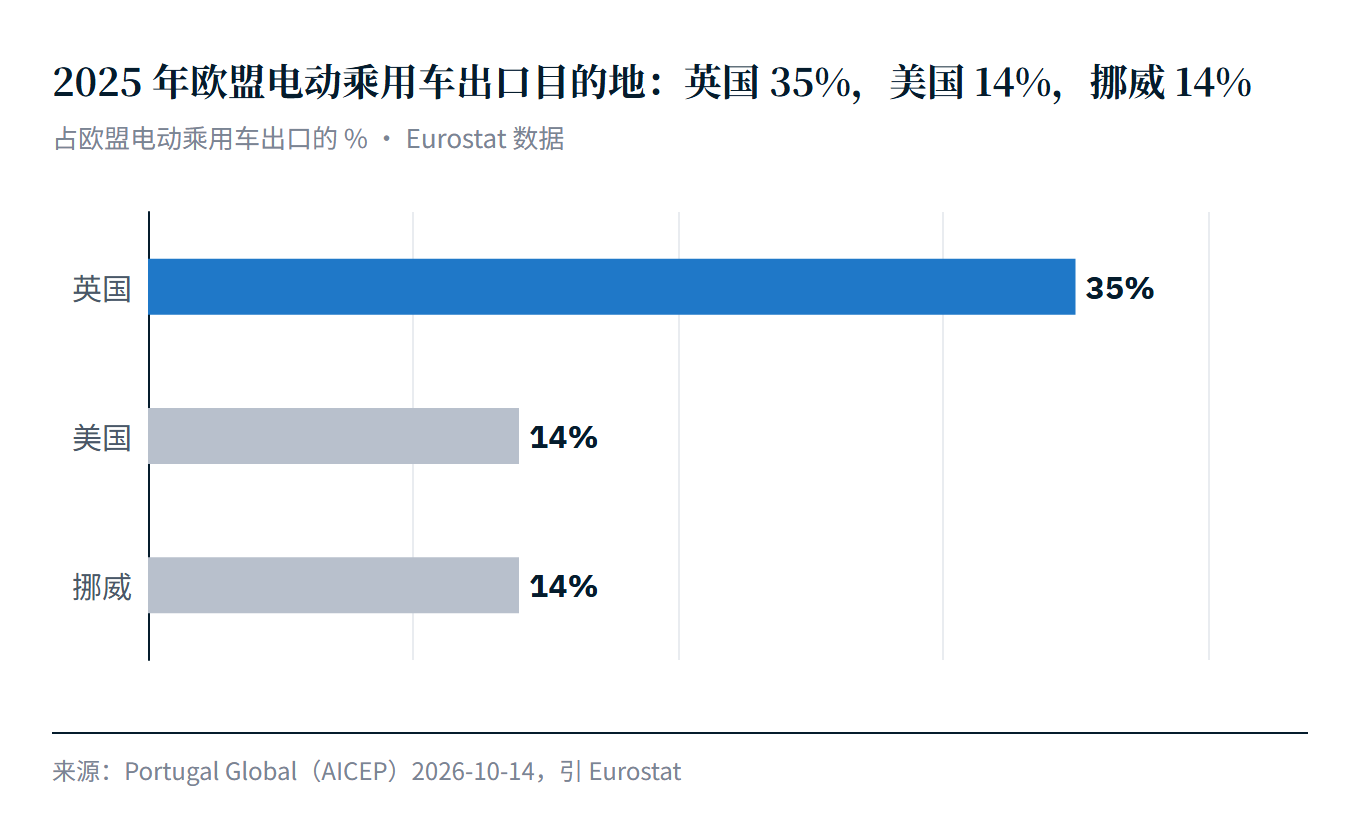
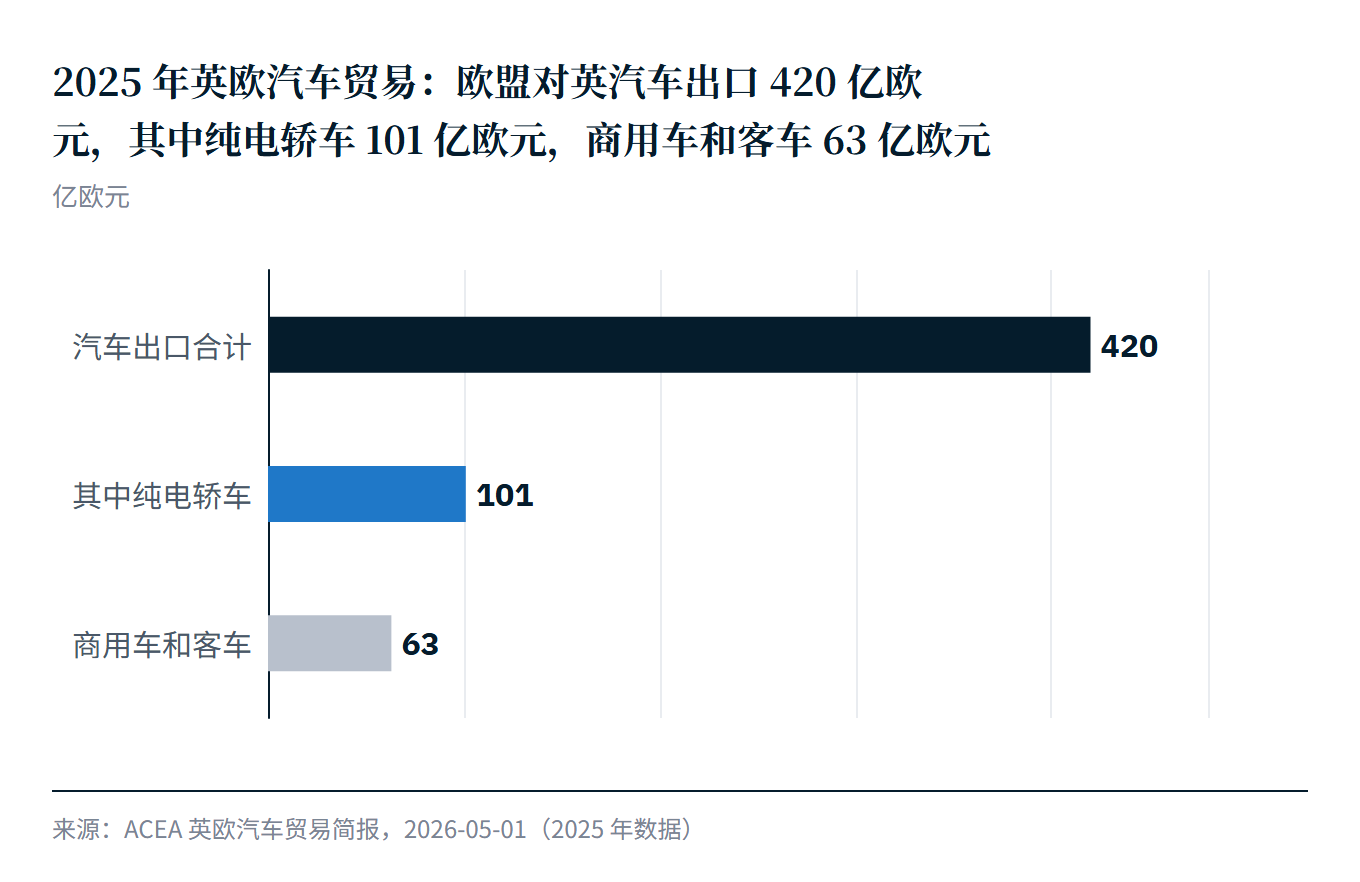
According to ACEA, of the EU's roughly 5 million vehicle exports in 2025, nearly 30%, about 1.5 million units worth EUR 42 billion, went to the UK; more than one-fifth of the EU-built cars exported to the UK were battery-electric. Chinese-made vehicles already account for 14% of UK sales. The Guardian reported that the UK and EU are still arguing over whether the UK can be included in "Made in Europe" subsidies and whether the UK will follow the EU's tariffs on Chinese cars, and that these issues could feature at the summit. The Commission and the UK may handle the extension together with "Made in Europe".
The summit is just 42 days before the rules take effect. Rules of origin are now part of a package negotiation, and until the deadline is settled, automakers exporting to the UK will struggle to lock in battery cell sourcing.
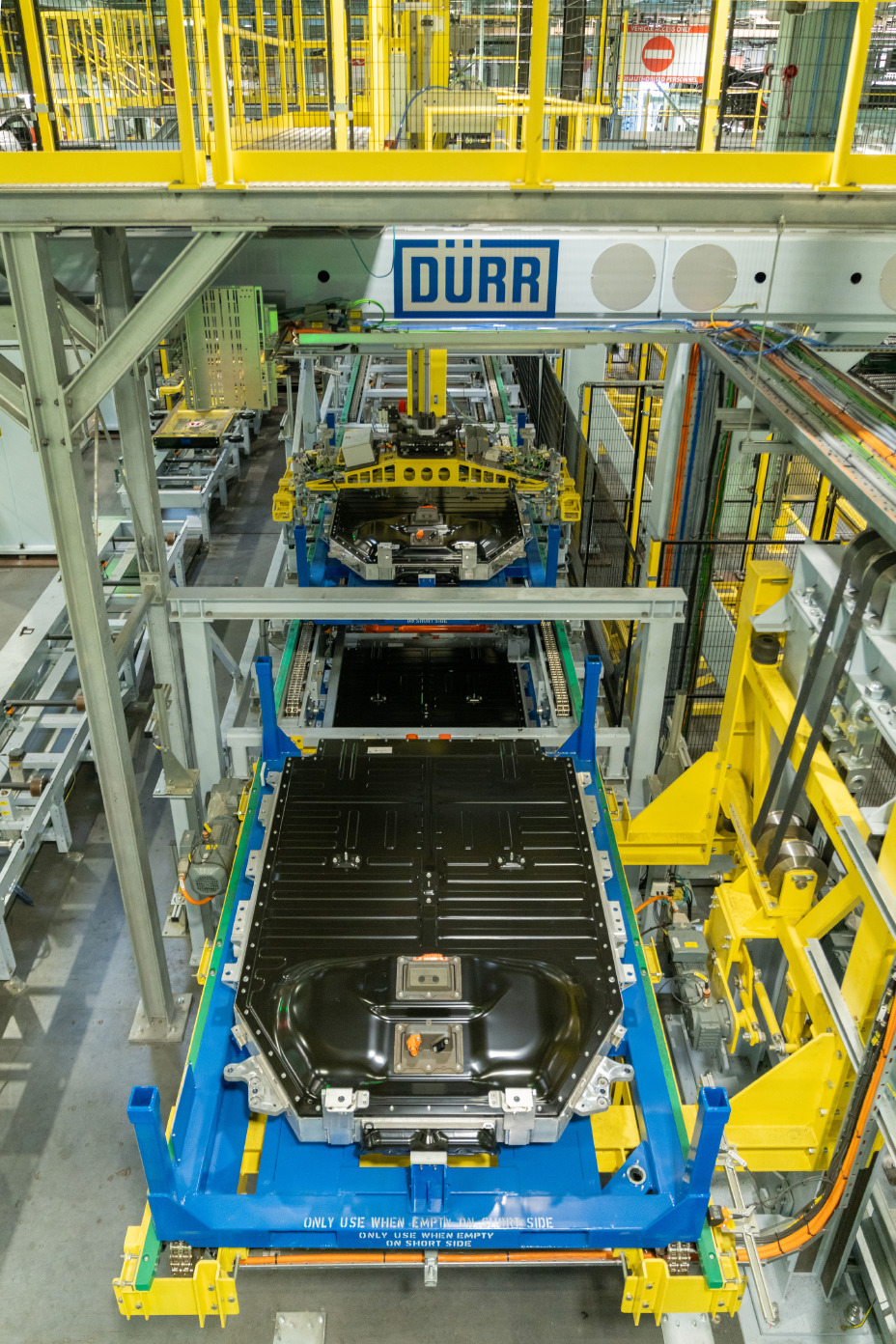
Image source: Nissan.
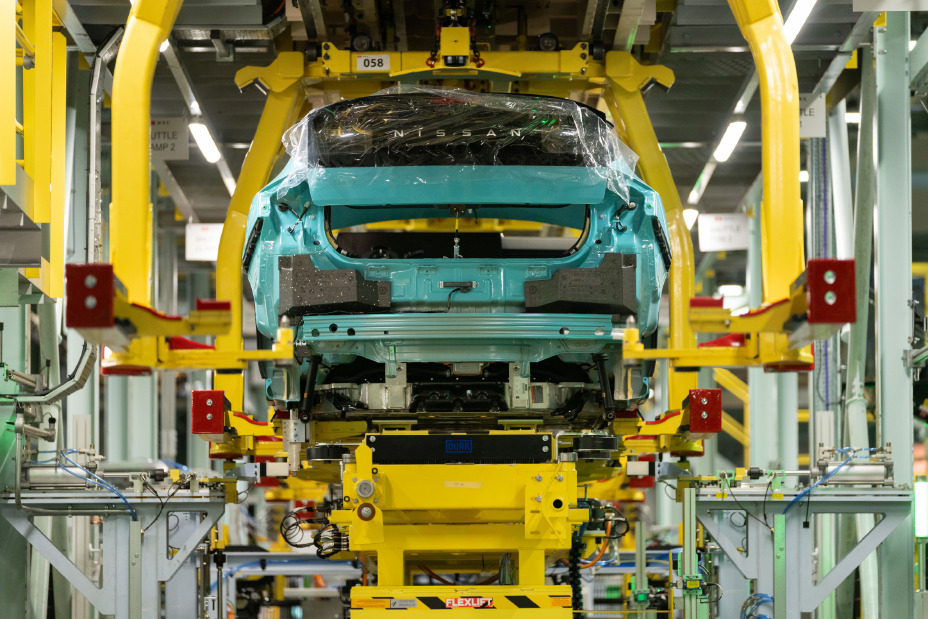
Image source: Nissan.
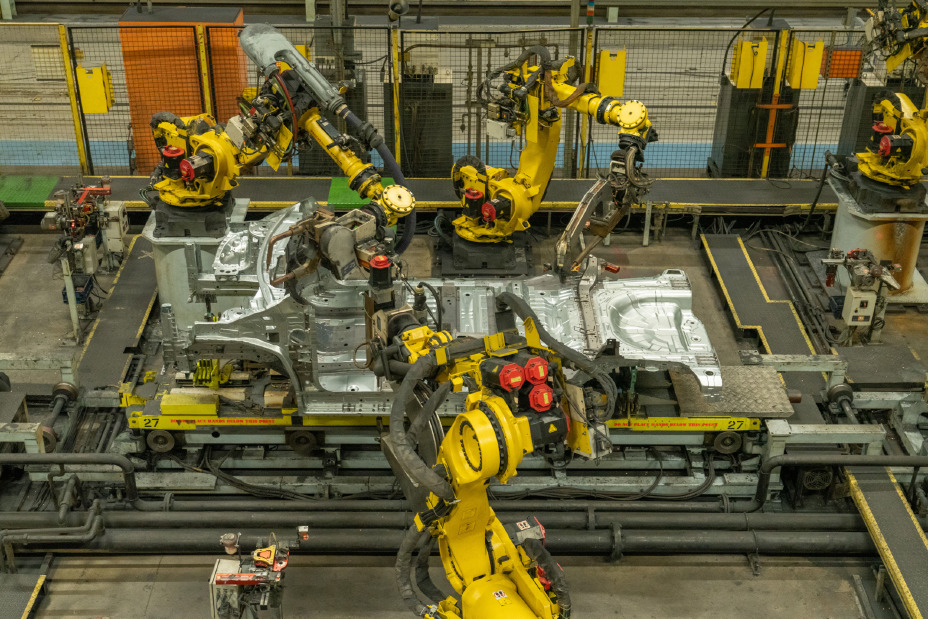
Image source: Nissan.
Image source: Nissan.
Image source: Nissan.
Source: Chart by AutoMusic based on the public sources listed in the article; first published on the AutoMusic WeChat account.