European road freight costs rise: contract rate index hits record 148.9 points, heavy truck registrations up 2.7% in the quarter:
European road contract freight rates hit a record 148.9 points in Q3, with diesel up 32% year on year and volumes down 4.5% quarter on quarter. EU heavy truck registrations rose only about 2.7% year on year in the quarter, and Germany and France have turned negative.
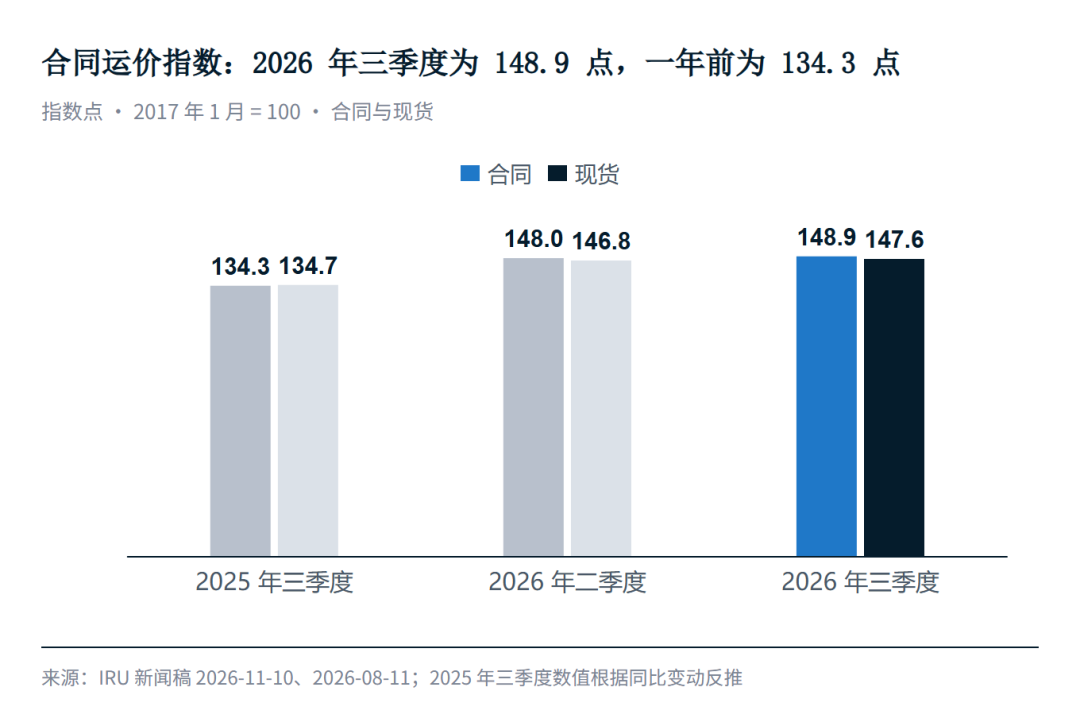
On Nov 10, the International Road Transport Union (IRU), Upply and Transport Intelligence released their Q3 European road freight rate report: the contract rate index stood at 148.9 points and the spot rate index at 147.6 points, both record highs for the index series, which uses Jan 2017 as its base. The report showed road freight volumes between major EU economies (5–7) fell 4.5% from the previous three months.
The divergence between freight rates and volumes reflects the impact of diesel costs. The average EU diesel price in the third quarter was EUR 2.05 per liter, 32% higher than a year earlier. Hauliers were unable to pass the full rise in fuel costs on to freight rates, and vehicle purchases slowed accordingly: EU heavy-truck registrations in Q3 rose only about 2.7% year on year, compared with 11.1% growth in the first half. Large logistics companies trialing electric trucks at this point are doing so through pay-per-kilometer rental, without having to buy the vehicles.
Freight rates driven up by diesel bills
Contract rates rose 14.6 points within a year, about 10.9%; spot rates rose 12.9 points, about 9.6%. Gains were concentrated in the first half; in Q3 both rose by only 0.8 points each and stayed at high levels.
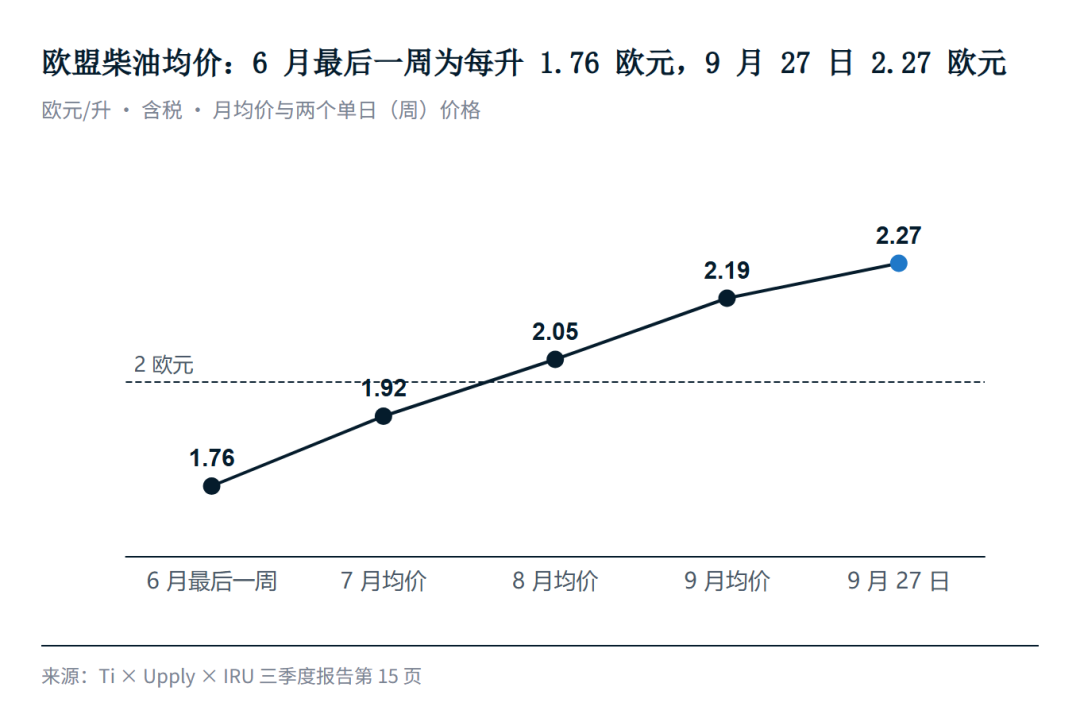
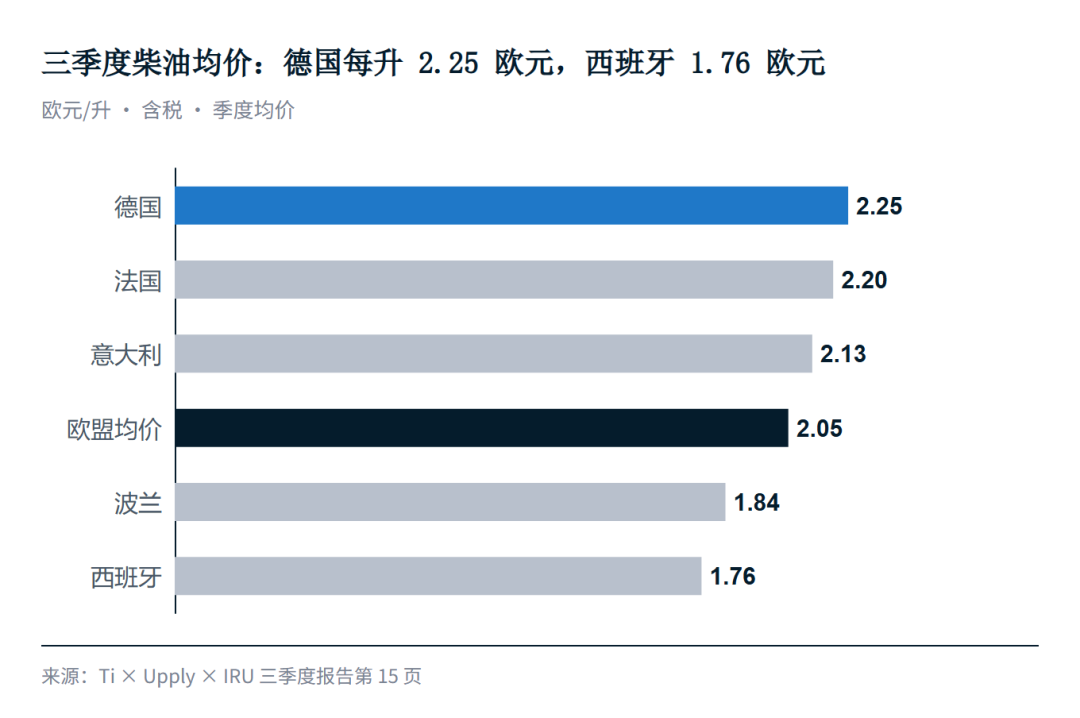
Diesel prices are still rising. The EU average was €1.76 per litre in the last week of month 6 and averaged €2.19 in month 9. On Sep 27 it hit €2.27, above the two highs of month 4 this year and Jun 2022. The Strait of Hormuz closed again in month 7, and the sharp fall in diesel exports from the Middle East and Russia is the main external driver of the increase. Among the major markets, Germany has the highest prices, averaging €2.25 in Q3. Spain has held at €1.76 thanks to excise tax cuts and professional diesel rebates.
The long-haul truck cost index of France's Comité National Routier (CNR) rose 13.2% year on year in month 9, but only 1.3% excluding diesel, meaning about 90% of the cost increase came from fuel. IRU told shipping and logistics media that French operating costs rose about 14% from month 1 to month 9, while contract rates rose only about 7%. A survey by the UK Road Haulage Association (RHA) found that only one in ten operators can pass fuel price increases on to customers; the rest must absorb some or all of the increase themselves.
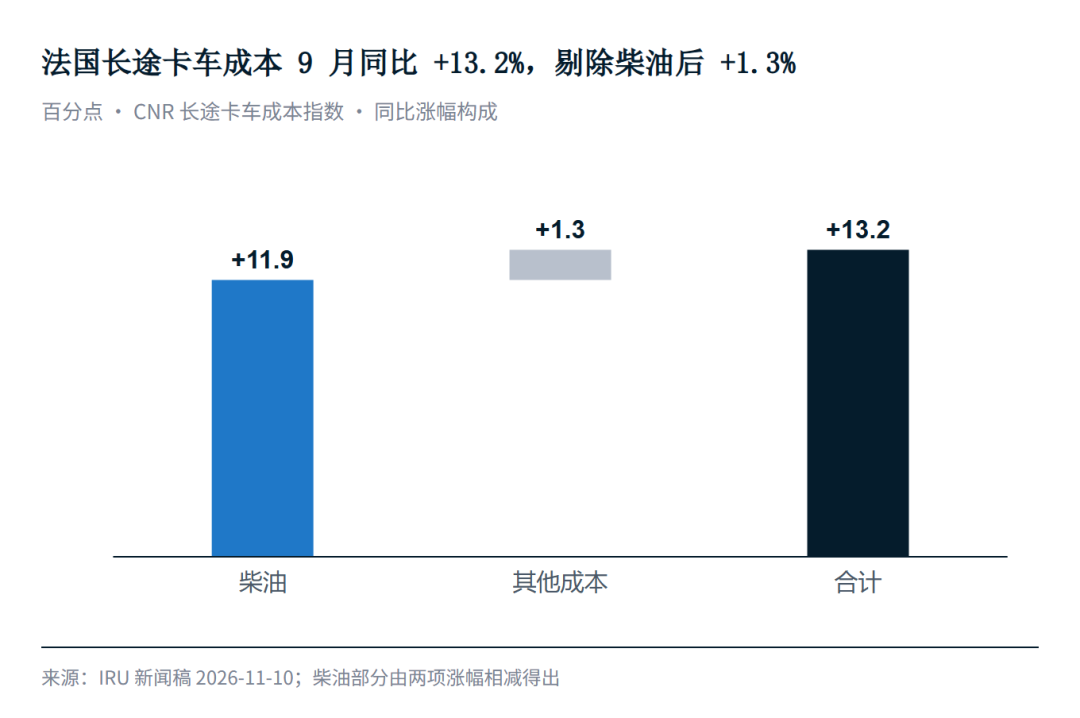
Although freight rates hit a record, carriers recovered only part of the fuel costs they had already incurred.
Volumes are falling, tolls are rising
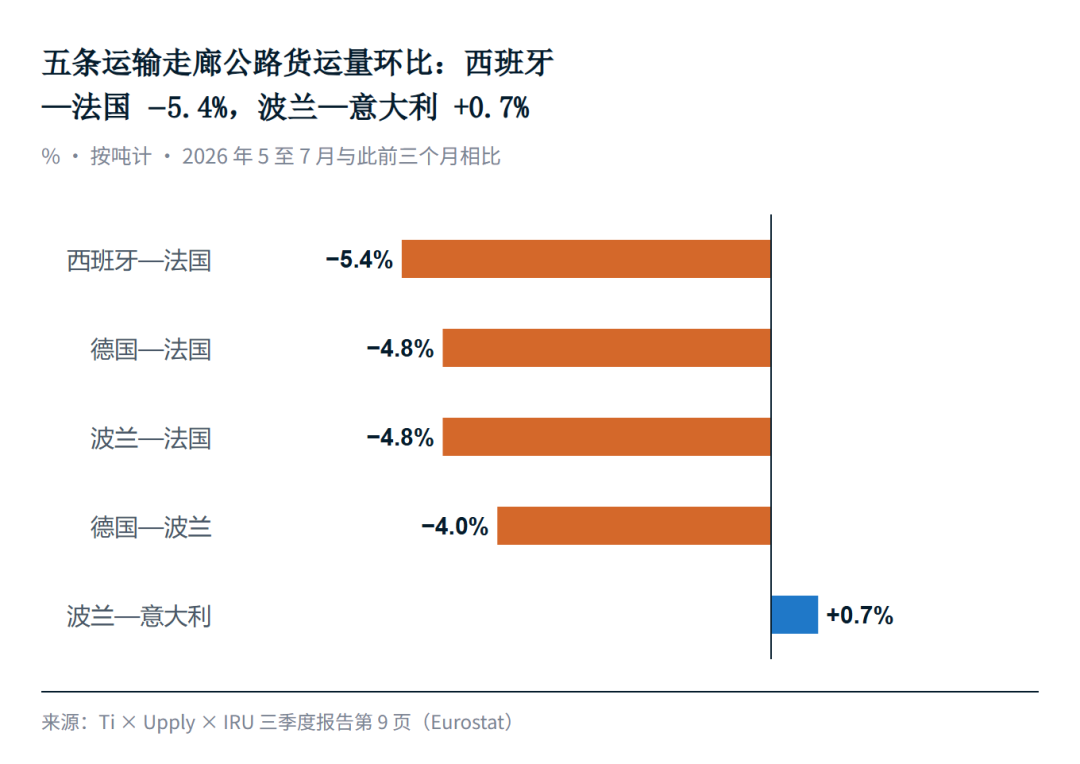
Demand offered no support either. Road freight volumes between the major economies in 5–7 fell 4.5% from the previous three months, compared with a seasonal decline of just 1.7% in the same period last year; in 7 alone, volumes were down 8% year on year. Of the five corridors tracked, Spain–France fell 5.4%, and only Poland–Italy edged up 0.7%.
Beyond diesel, tolls are also rising. The IRU EU toll index stood at 116.6 in the third quarter, 7% higher than a year earlier. The Netherlands introduced a truck distance charge on Jul 1, and Germany tightened the CO₂ class thresholds for its toll on the same day, pushing some trucks down a class, so they pay more even though the rates for each class are unchanged. Most national fuel relief measures run only until Oct 31 or Dec 31. With freight volumes offering little support, hauliers can only try to cut costs, and vehicles and fuel are two items they cannot avoid.
Heavy truck registrations up 2.7% in the quarter
In the 12 months to 9, EU heavy truck registrations rose 7.0% year on year, compared with 8.4% as of 6, the first slowdown since the market began recovering early this year. Subtracting the European Automobile Manufacturers' Association (ACEA) first-half figures from its nine-month figures makes the quarterly change clearer. For heavy trucks of 16 tonnes and above, 60101 units were registered in the third quarter this year versus 58526 a year earlier, a year-on-year increase of about 2.7%; first-half growth was 11.1%.
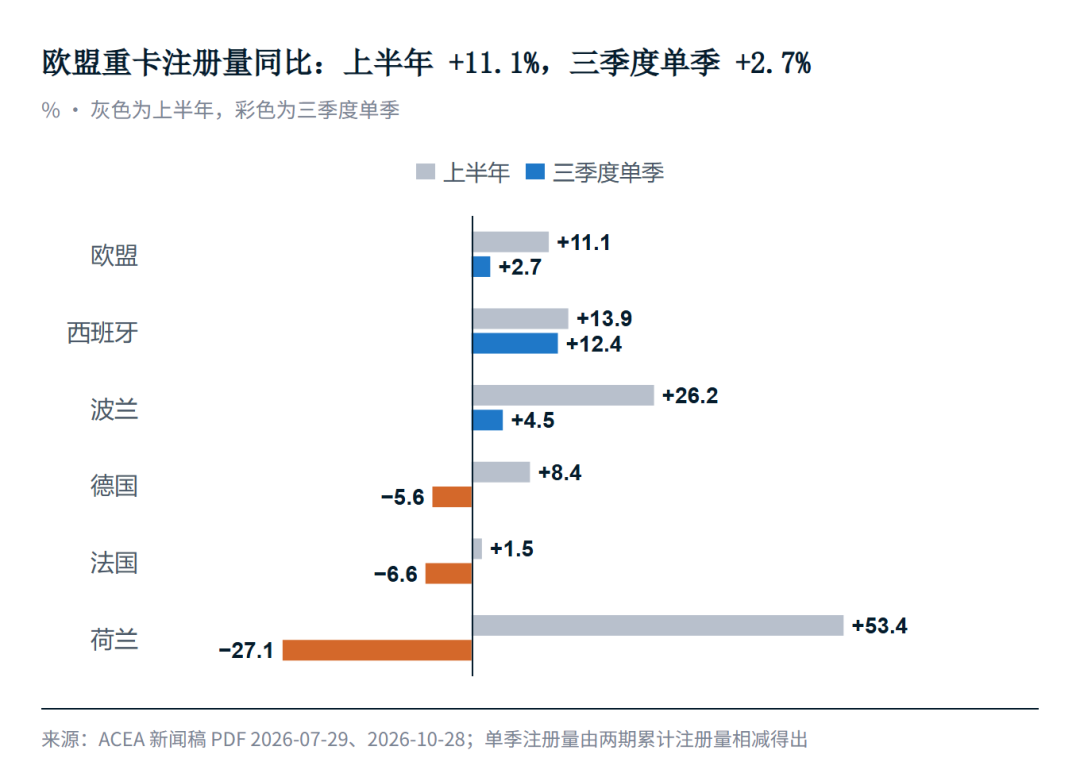
The slowdown is concentrated in Western Europe. Germany registered 12070 units in Q3, down about 5.6% year on year; France 7867, down about 6.6%; and the Netherlands 1605, down about 27%. Poland and Spain are still growing, by about 4.5% and 12.4% respectively. Fleets are postponing replacement rather than adding capacity. With 2022 = 100, the road freight bankruptcy index so far this year stands at 210 in the Netherlands and about 175 in France. For truck OEMs, the recovery in Western Europe's core markets stalled in Q3, and growth now depends mainly on Poland and Spain.
Electric heavy truck share 2.6%
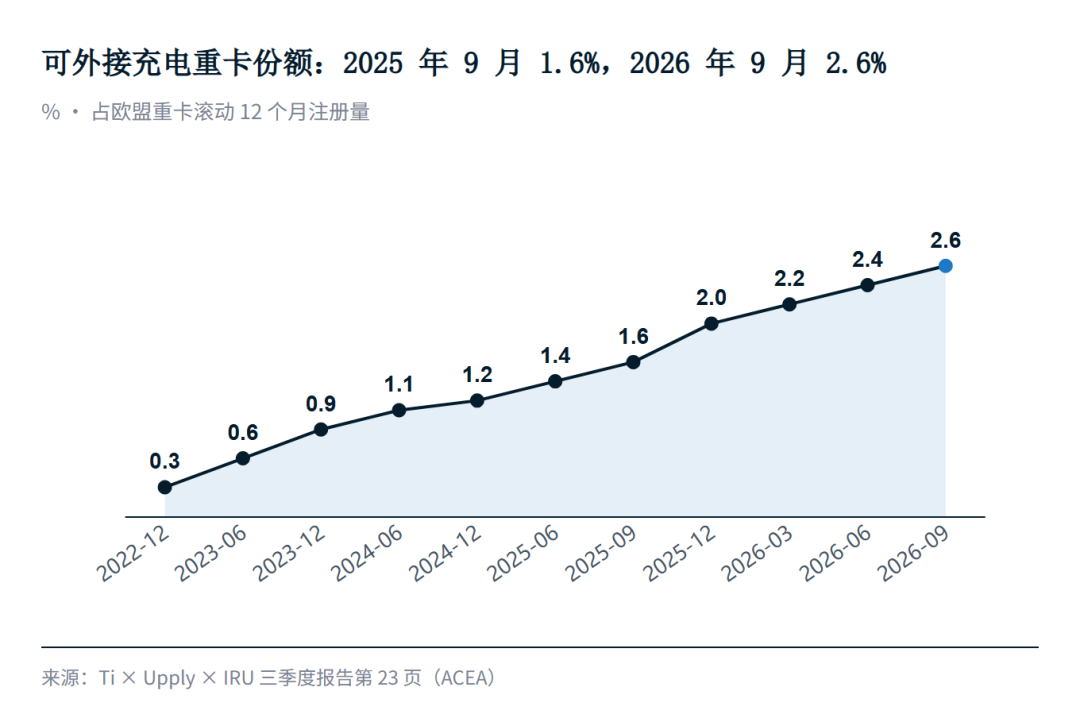
Although fleet renewal has been delayed, the share of electric heavy trucks is still rising slowly. Externally chargeable heavy trucks accounted for 2.6% of rolling 12-month registrations, up from 1.6% a year earlier. Growth is also slowing: subtracting one ACEA dataset from the other gives Q3 registrations of 1602 units, up about 25% year on year, compared with 83.3% growth in the first half.
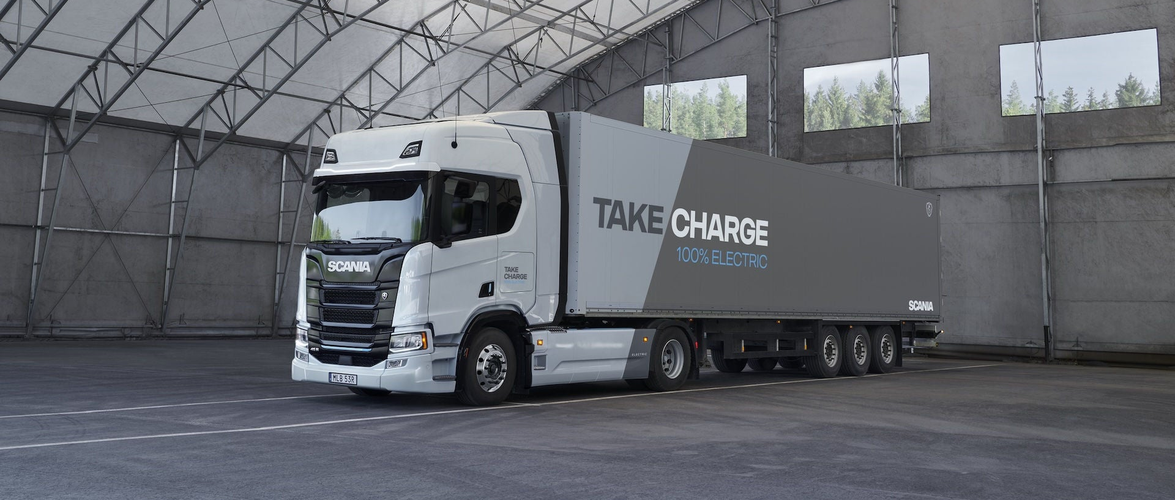
Policy support for electric heavy trucks is concentrated on operations: Germany's toll exemption for zero-emission trucks has been extended to Jun 30, 2031. Support at the point of purchase is far thinner. Juna, the joint venture between Scania and digital freight forwarder Sennder, says electric trucks cost two to three times as much as comparable diesel trucks, while about 70% of Europe's trucks belong to companies with fleets of fewer than 10 vehicles. Germany plans to raise its 2027 EV purchase subsidy budget by EUR 917 million to EUR 1.72 billion, but the subsidy only covers new cars bought or leased privately and does not reach these companies. The toll exemption cuts per-kilometre operating costs, but haulers still have to finance a purchase price two to three times higher themselves — one reason electric heavy trucks' share remains in single digits.
Pay per kilometer
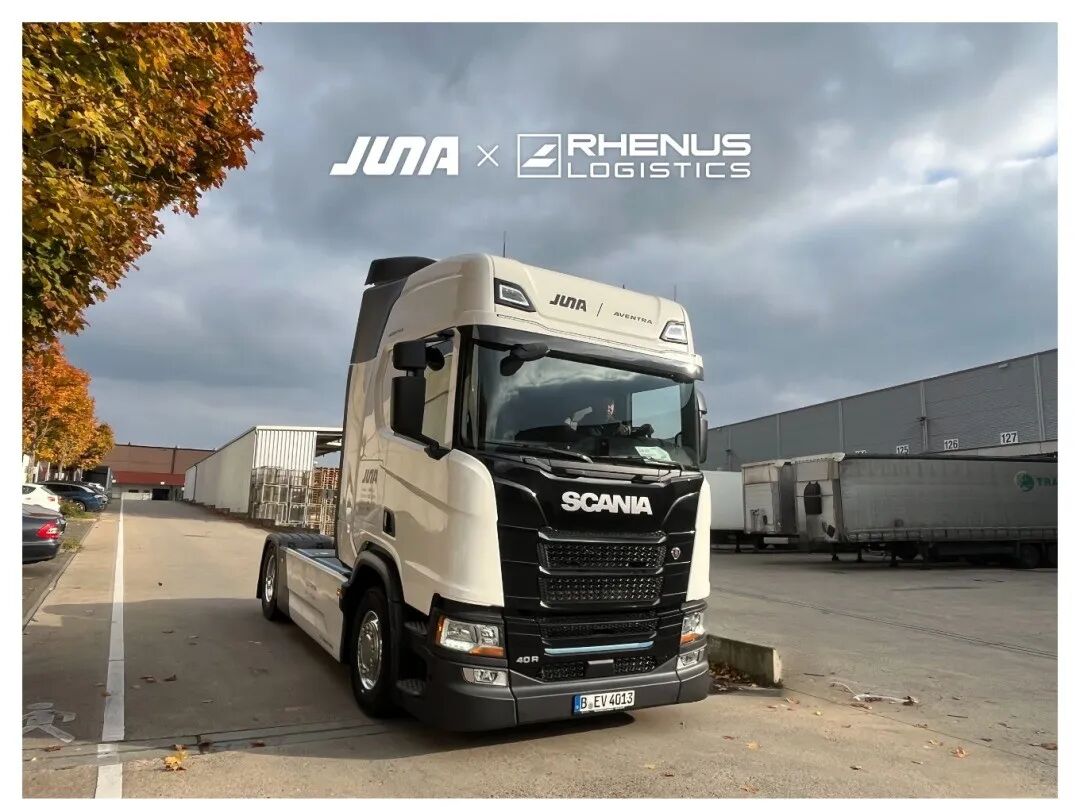
Logistics company Rhenus is choosing to lease. It has signed a letter of intent with Juna to test the latter's "truck-as-a-service" model: Juna supplies Scania battery-electric trucks and charges per kilometre driven, with the fee covering maintenance, insurance, telematics and support with charging infrastructure. The first truck is already running in Düsseldorf, and by the end of 2027 Rhenus will deploy up to 12 units across its German sites. This is still only a letter of intent. Whether deployment expands depends on whether electric trucks beat diesel on cost on specific routes.
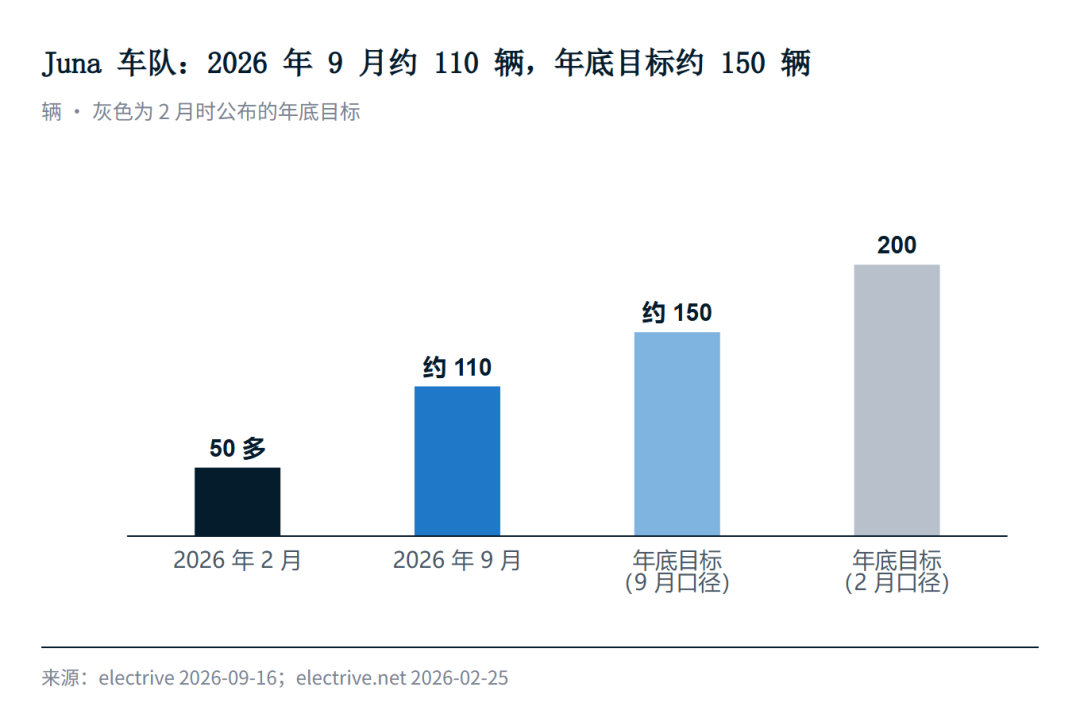
Juna's own fleet is also small: in 9 this year it had about 110 vehicles across four countries. Its year-end target is about 150 vehicles, compared with a target of 200 announced in 2. DHL's German parcel business uses the same model, ordering 42 Mercedes-Benz eActros 600 trucks through leasing company Hylane and paying per kilometre actually driven. Yard equipment is a separate vehicle category: according to manufacturer information republished by Charged EVs on Nov 11, TII KAMAG delivered 25 electric swap-body tractors to DHL.
Pay-per-kilometre models shift part of the purchase financing burden and residual value risk from hauliers to service providers. Individual orders currently range from a dozen or so to several dozen vehicles, still far from changing the industry's fuel cost structure.
DPD UK's 722 electric vans
Van electrification is moving faster. DPD UK added 381 Ford E-Transits (3.5-tonne class) in month 11, all on the road by mid-month. The previous batch was 341 Mercedes-Benz eSprinters, entering service from month 9 and expected to be fully deployed by the end of month 10. The two batches total 722 vehicles, taking its electric fleet above 4000.
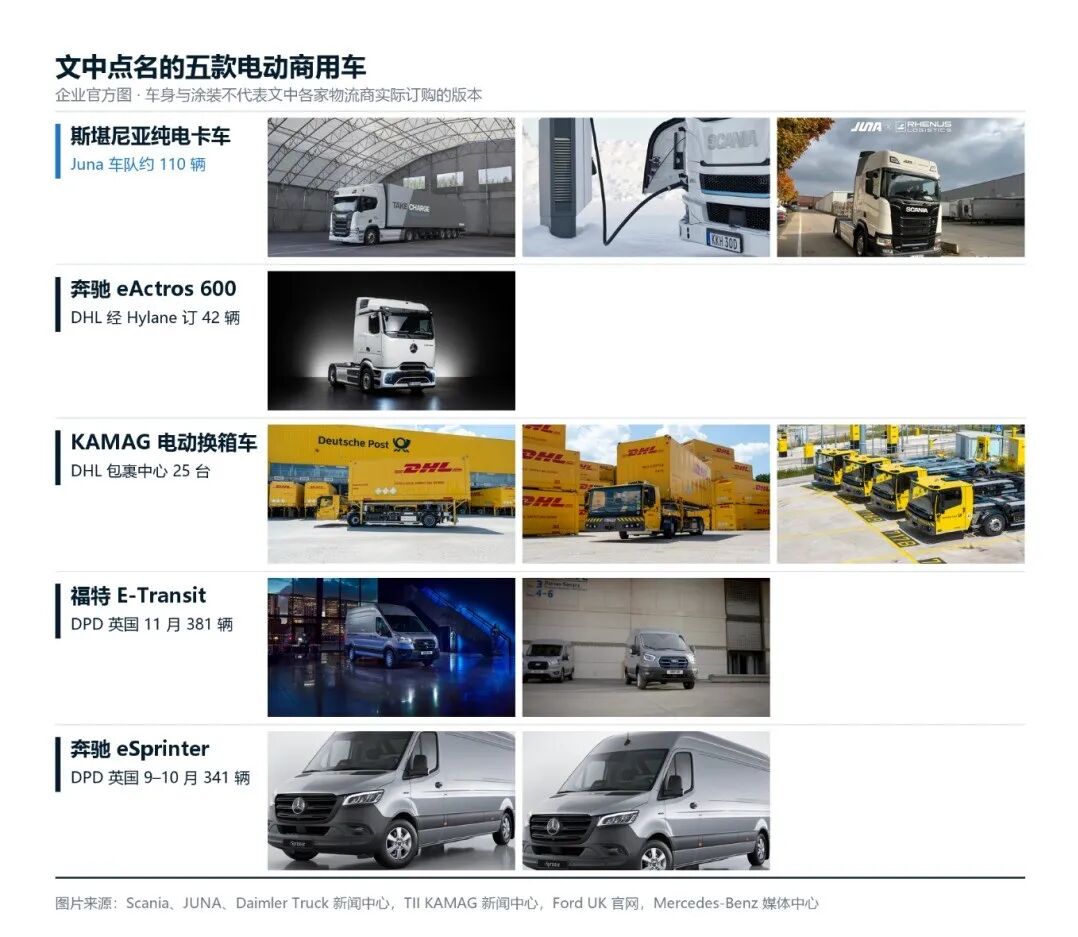
Source: Chart by AutoMusic based on the public sources listed in the article; first published on the AutoMusic WeChat account.
DPD cited range and maintenance as its reasons. The new E-Transit has a longer range, allowing it to run longer regional routes beyond urban areas; one reason for choosing Ford was dealer TrustFord's mobile service network. The fleet reached this size later than planned: DPD UK originally aimed for about 5000 units by the end of 2023, later cut the target to 4000, and only exceeded that number this autumn. For large parcel networks like DPD, electric VANs are now routine purchases; the focus in procurement is whether range meets regional route needs and how quickly vehicles can be repaired after a breakdown.
Key dates before year-end
Diesel remains the biggest variable in Q4. The International Energy Agency expects Europe's tight diesel market to persist into 2027. In Jan 1, the Netherlands' temporary reduction in truck kilometre charges ends, and Lithuania introduces a new toll that includes a CO2 component. Shippers and carriers are negotiating 2027 contracts, and 81.2% of respondents in the report's survey expect freight rates to keep rising over the next three months.
Whether freight rates stay high depends on diesel prices. Once demand recovers, deferred fleet renewals and a shrinking number of carriers could make capacity the next constraint. For commercial vehicle companies focused on Europe, leasing, per-kilometre pricing and service networks are more useful for now. A recovery in new-vehicle orders will have to wait until hauliers' cash flow improves.