Switzerland's new CO₂ rules: looser for vans, tighter for heavy trucks
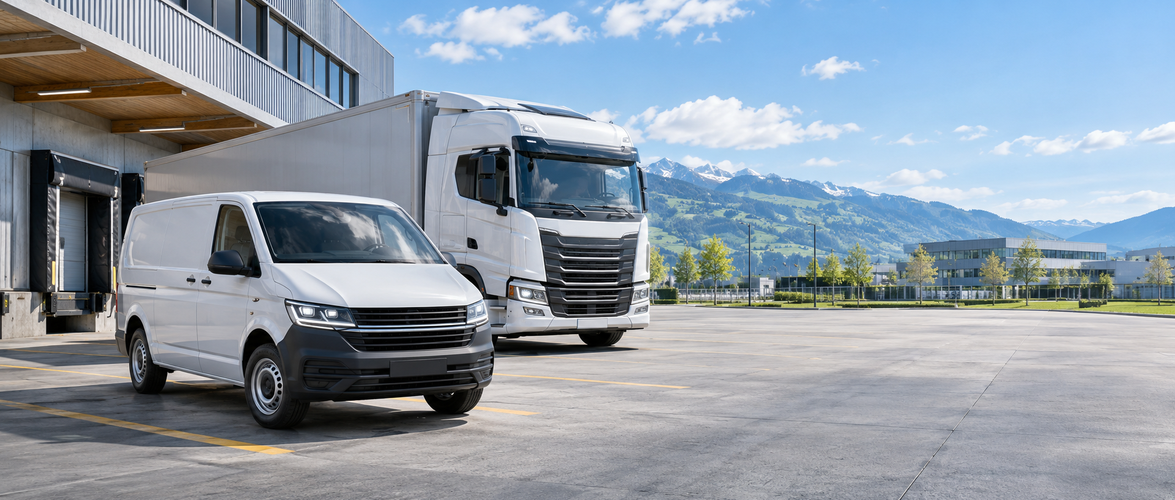
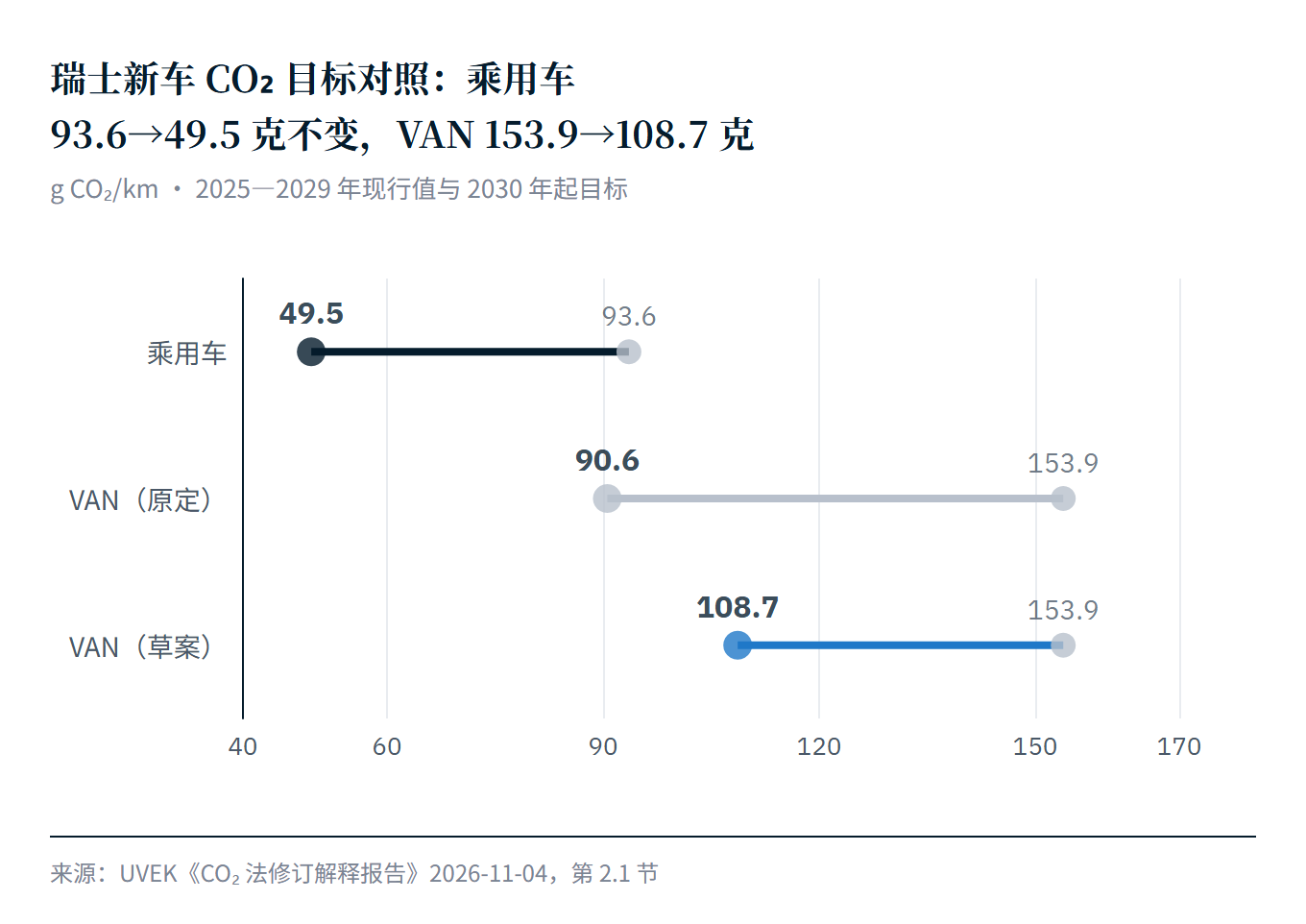
In Nov 4, Switzerland's Federal Council put a draft revision of the CO₂ Act out for consultation, aligning new-vehicle CO₂ targets from 2030 with the EU: the target for light commercial vehicles (vans) is relaxed from 90.6 g/km to 108.7 g/km, while the heavy truck reduction requirement rises from 30% to 45%. Compliance pressure on van importers eases; the heavy truck target tightens, but the Swiss market starts from a much better position than the EU.
Van targets relaxed
108.7 g represents a 40% cut from the EU's 2021 baseline of 181.1 g, versus the originally planned 50%; even after the relaxation it is still about 29% below the 153.9 g for 2025–2029. The passenger car target of 49.5 g/km is unchanged. For 2030–2032, passenger cars and vans are assessed on a registration-weighted three-year average, with penalties settled after 2032.
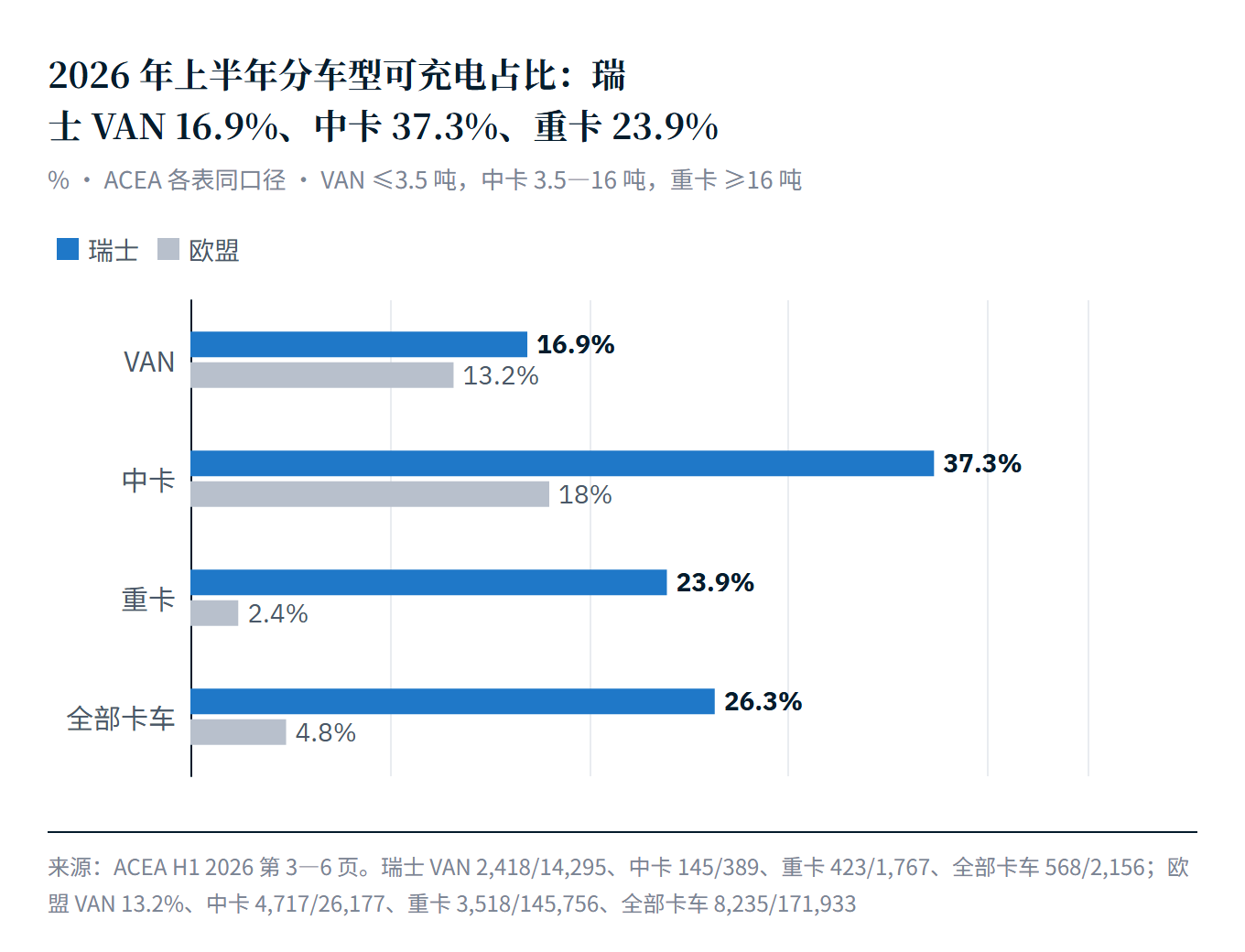
The report estimates that without relaxed rules, van importers would face fines in the low double-digit millions of Swiss francs in some years after 2030; with the relaxation, they could avoid fines with an unchanged model mix, although lower sales of zero-emission models could still result in fines. In the first half of this year, plug-in vans accounted for 16.9% of new registrations in Switzerland, versus 13.2% in the EU.
For van importers, the compliance benefit of selling more EVs is shrinking, and sales momentum depends more on model pricing and customer purchasing.
Tougher heavy truck emissions targets
The heavy truck target follows EU Regulation 2024/1610: from 2030, a 45% reduction against the EU 2019–2020 new-vehicle baseline. It applies only to freight trucks, not buses or coaches. Penalties for exceeding the target remain at CHF 4,250 to 6,800 per g CO₂/tkm per vehicle, scrapping the previously planned increase.
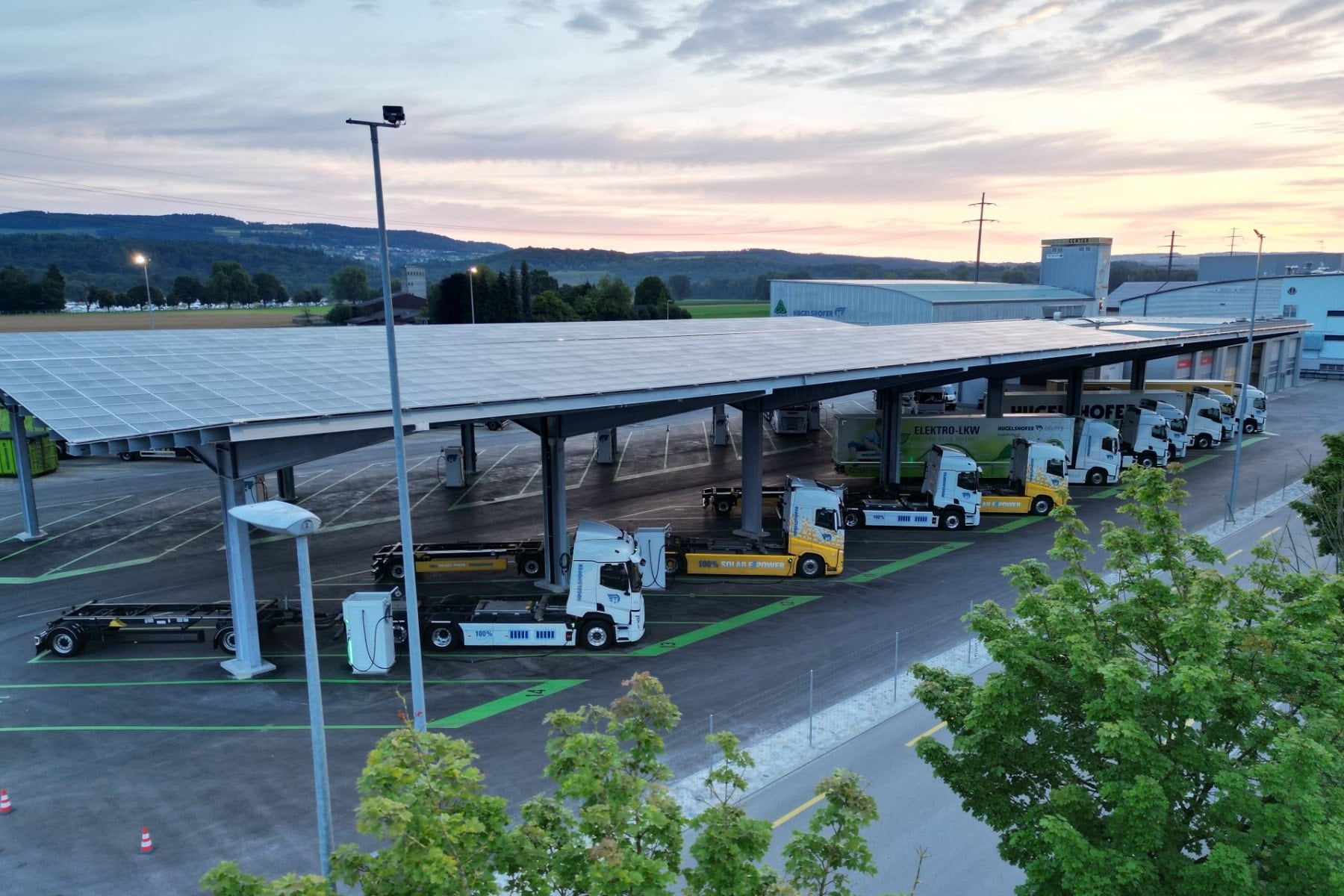
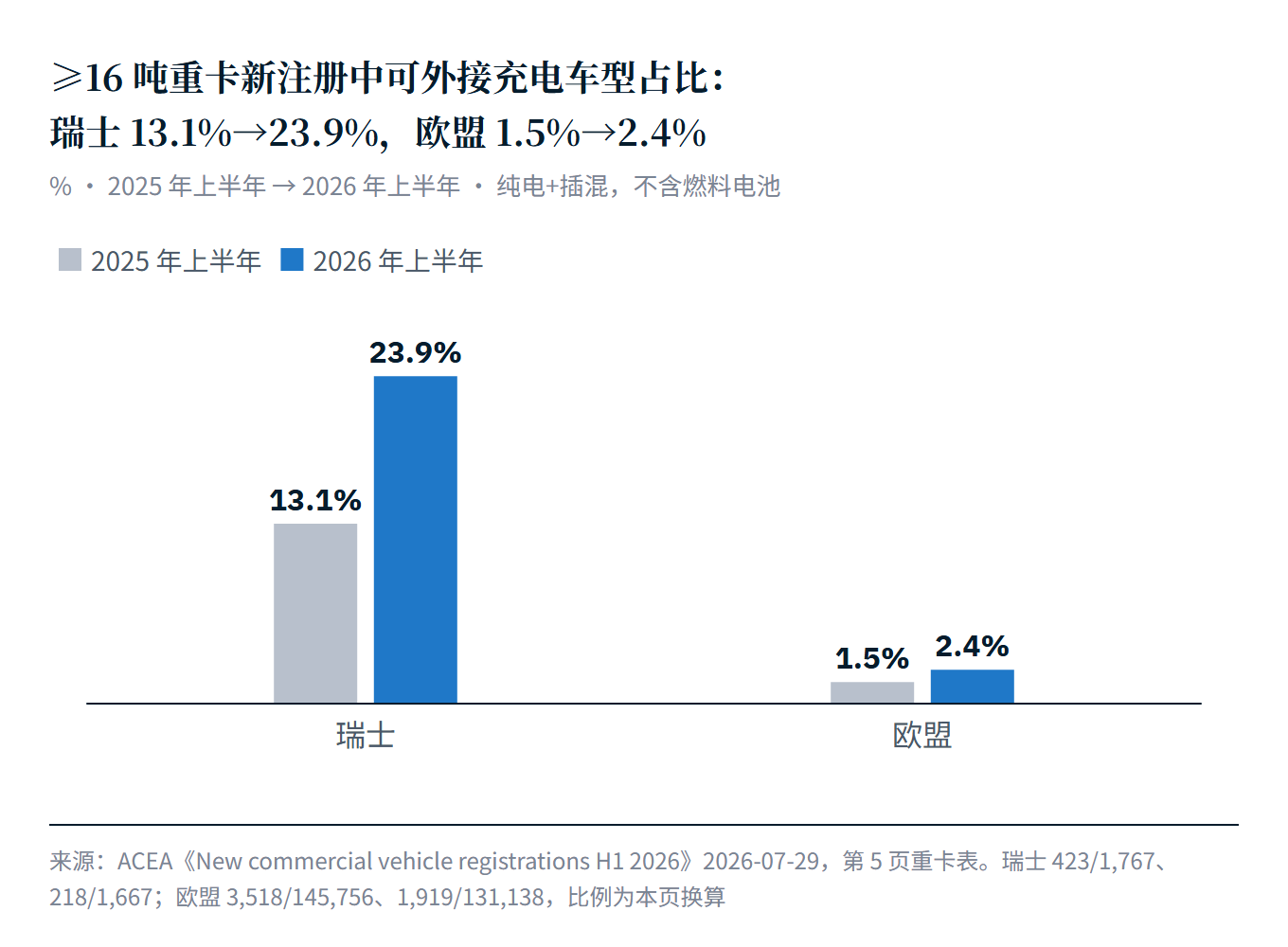
ACEA data show that in H1 2026, Switzerland registered 1,767 new heavy trucks of 16 tonnes and above, of which 423, or 23.9%, were electrically chargeable (13.1% a year earlier), versus just 2.4% in the EU on the same basis. Electric trucks are currently exempt from the weight- and distance-based heavy vehicle charge (LSVA); an amendment passed by parliament in October will introduce the charge from 2031, with reductions of at least 70% in 2031 and 50% in 2032. Truck charging subsidies for small and medium-sized transport companies doubled in October to nearly CHF 40 million.
Leading the national share does not mean every importer will comply, but against the 45% target Swiss importers start from a clearly stronger position than their EU peers; for hauliers, the cost change lies in the phased introduction of the LSVA from 2031.
Compared with the EU
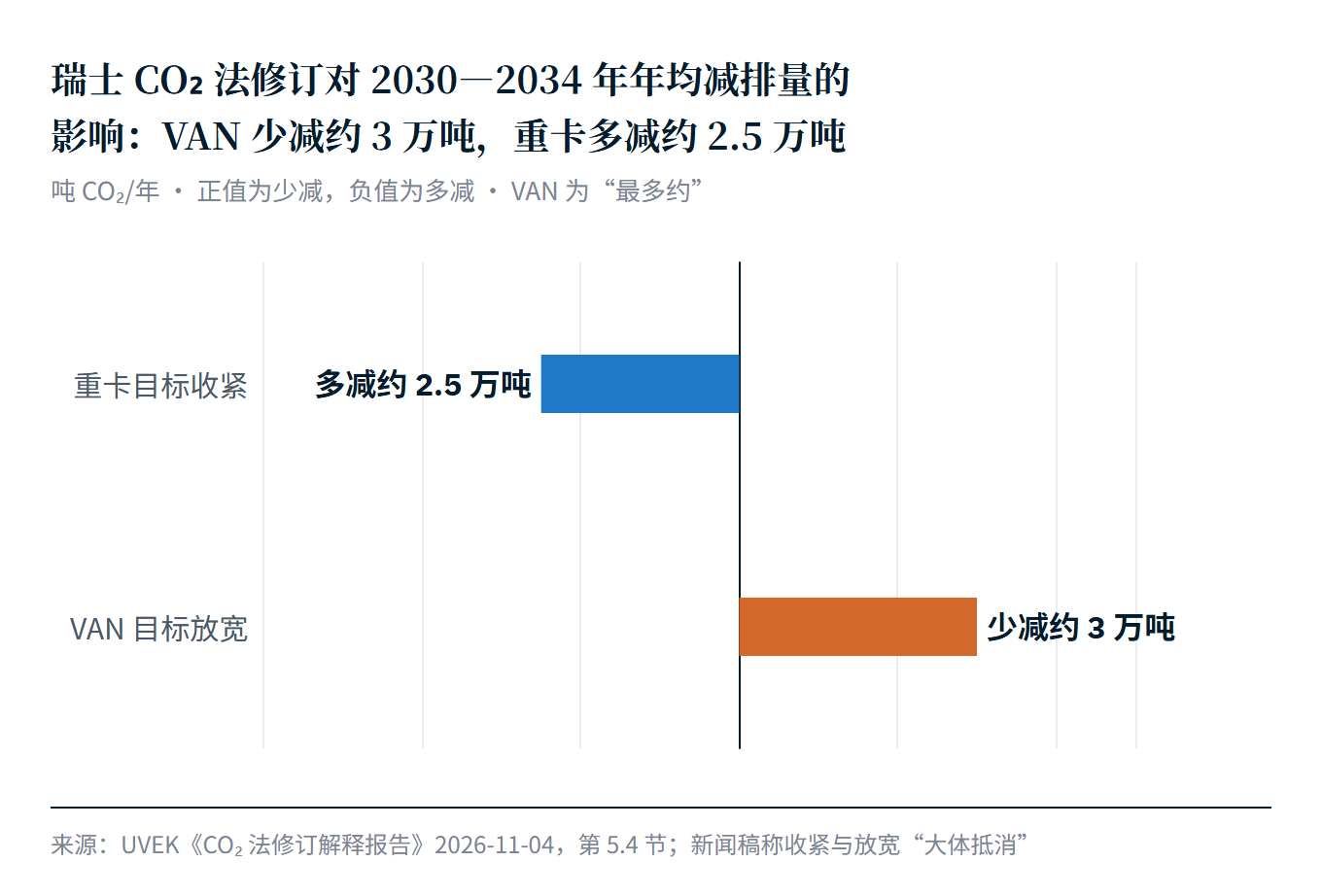
The EU's 45% target was legislated in 2024, and carbon credit calculation rules were relaxed again this March, yet ACEA and Daimler Truck are still calling for the 2030 deadline to be tied to the charging rollout. Switzerland is only adjusting heavy truck targets that have been out of step with the EU since 2024. The report estimates that over 2030–2034, easing the van target cuts annual CO₂ reductions by up to about 30,000 tonnes, while tightening the heavy truck target adds about 25,000 tonnes of reductions, so overall emission cuts slow slightly.
The consultation runs until Feb 18, 2027; if the EU proposal changes, the Swiss draft may also be adjusted. For Chinese electric heavy truck makers, Swiss customers already benefit from charging subsidies and LSVA reductions, but whether they can take advantage depends on vehicle homologation, distribution and after-sales.
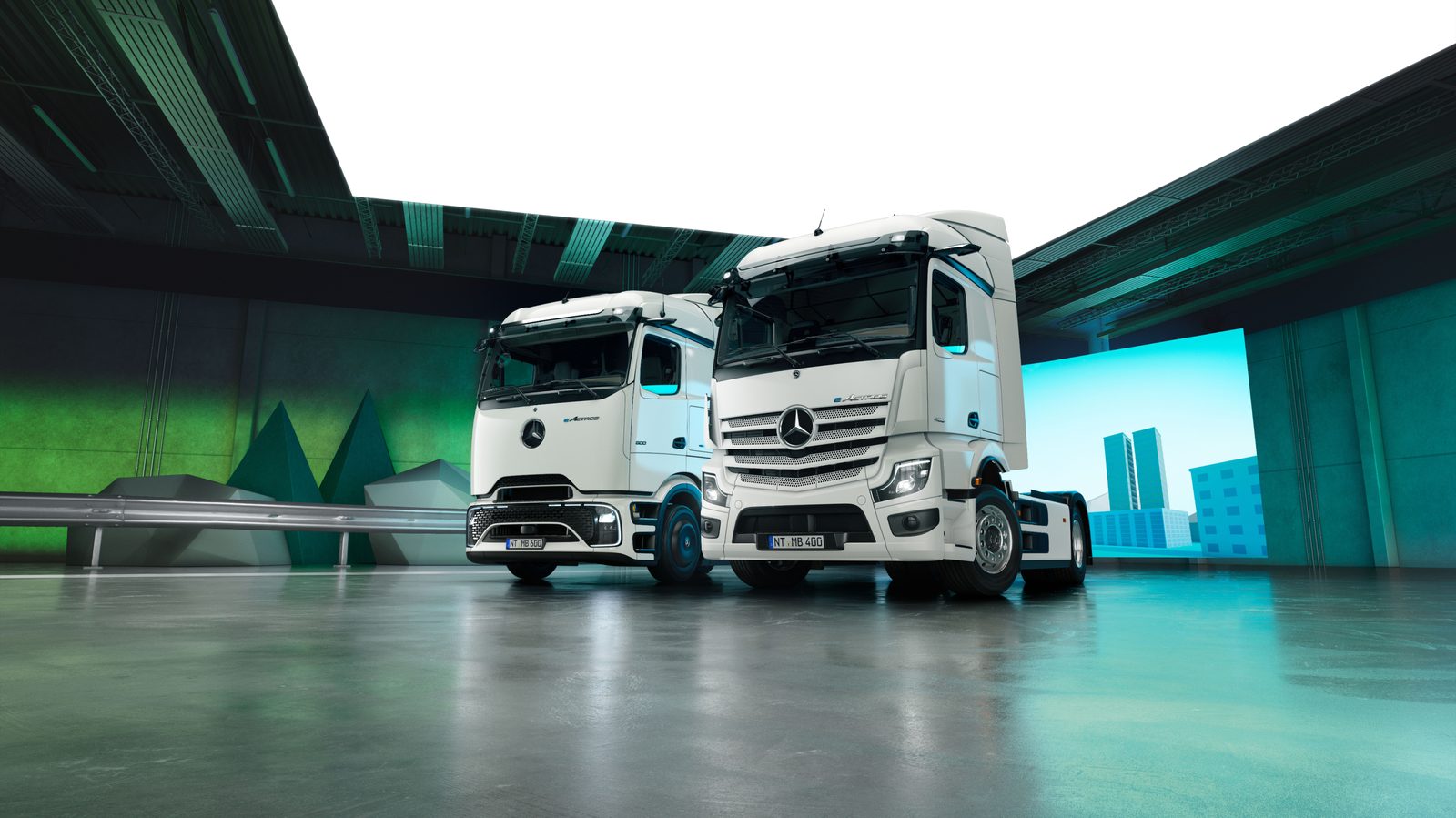
Image source: Mercedes-Benz Trucks.
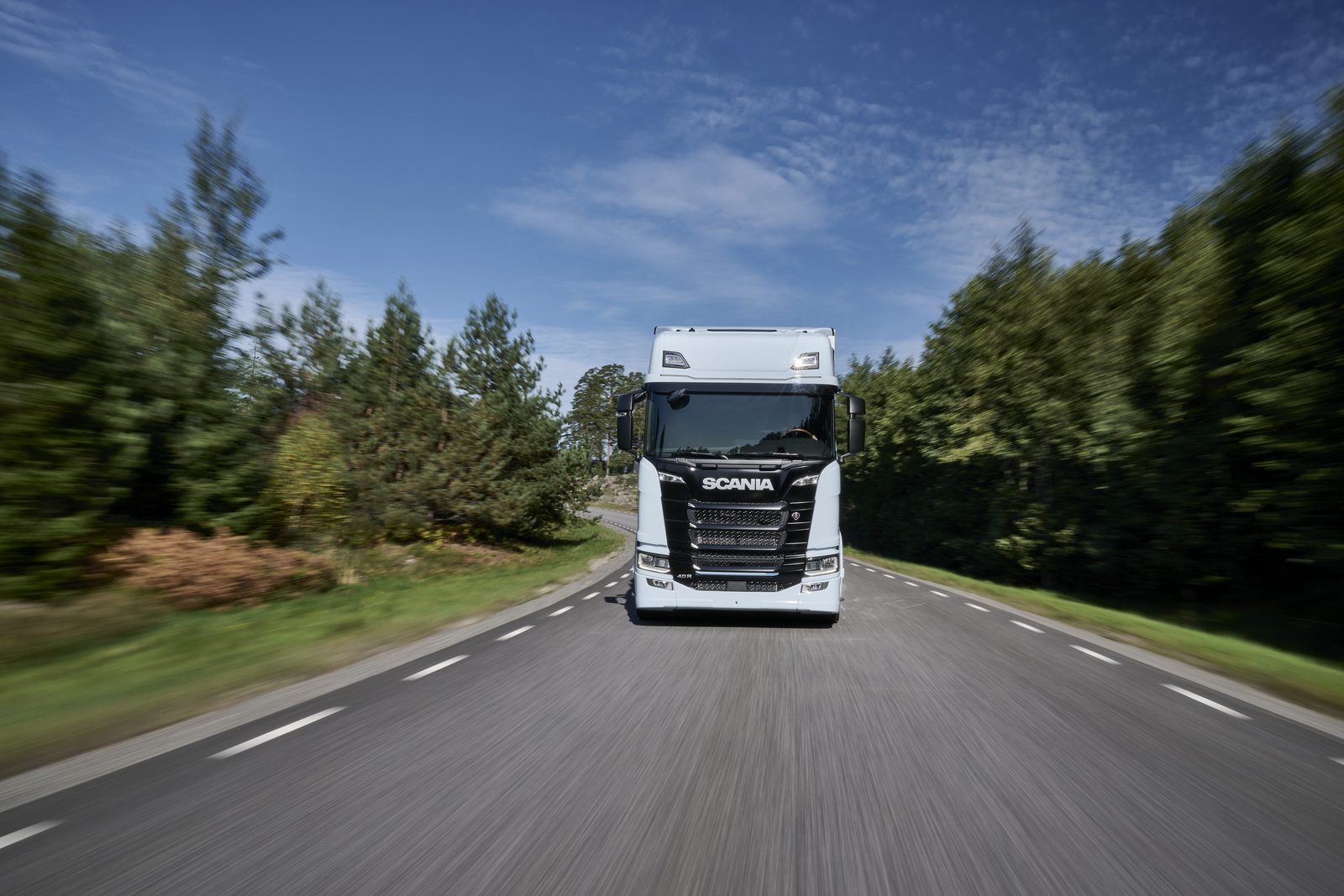
Image source: Scania.
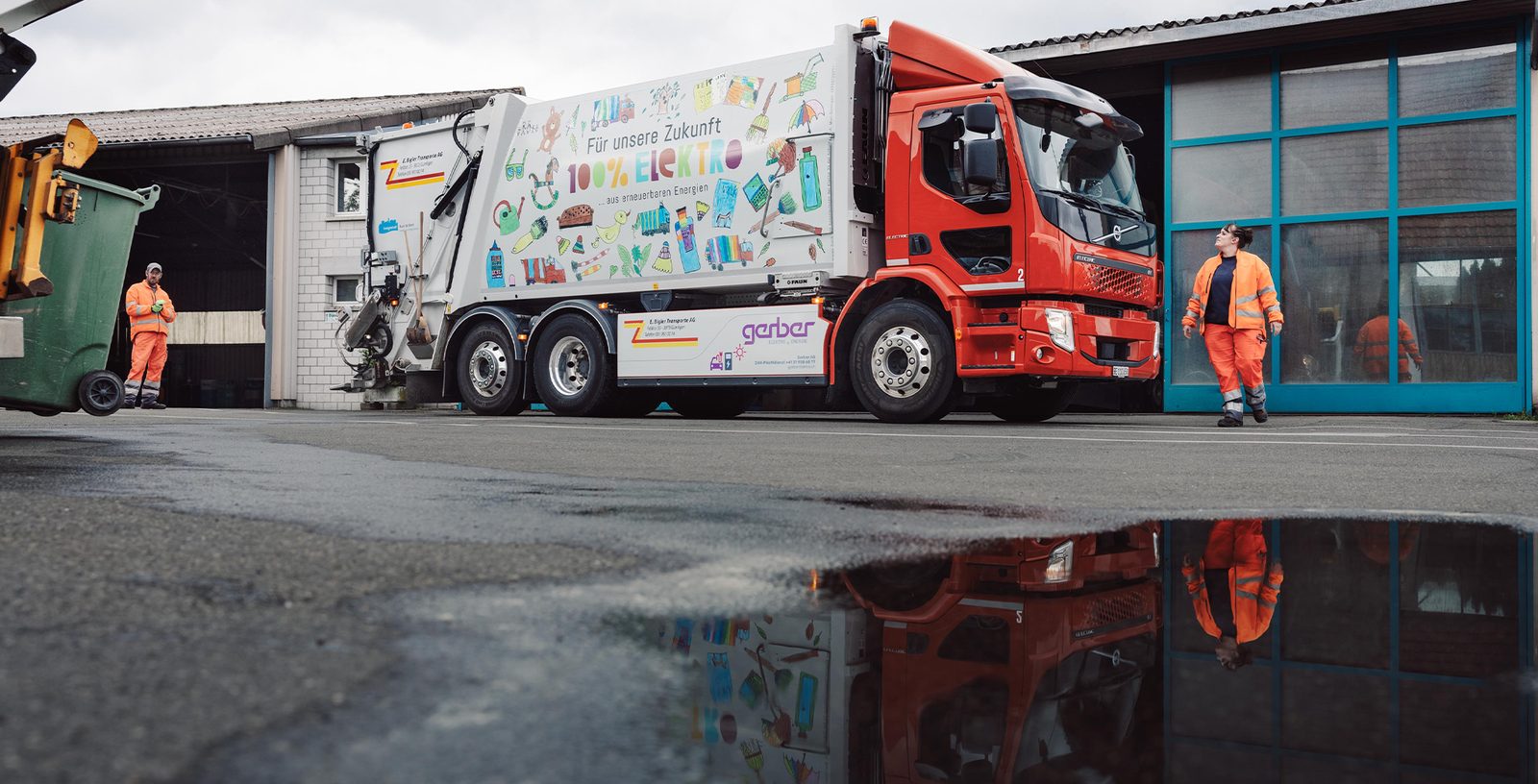
Image source: Volvo Trucks.
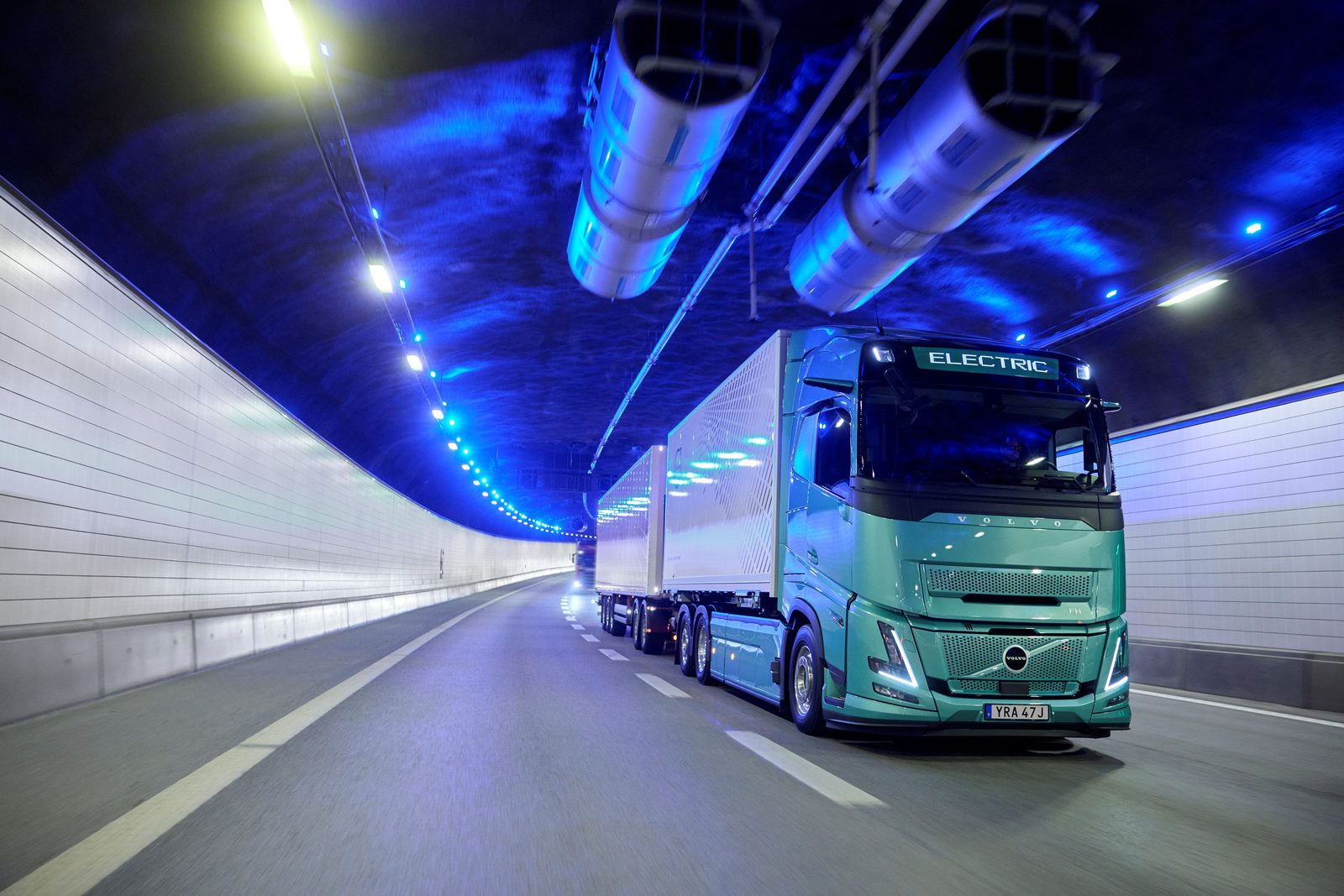
Image source: Volvo Trucks.
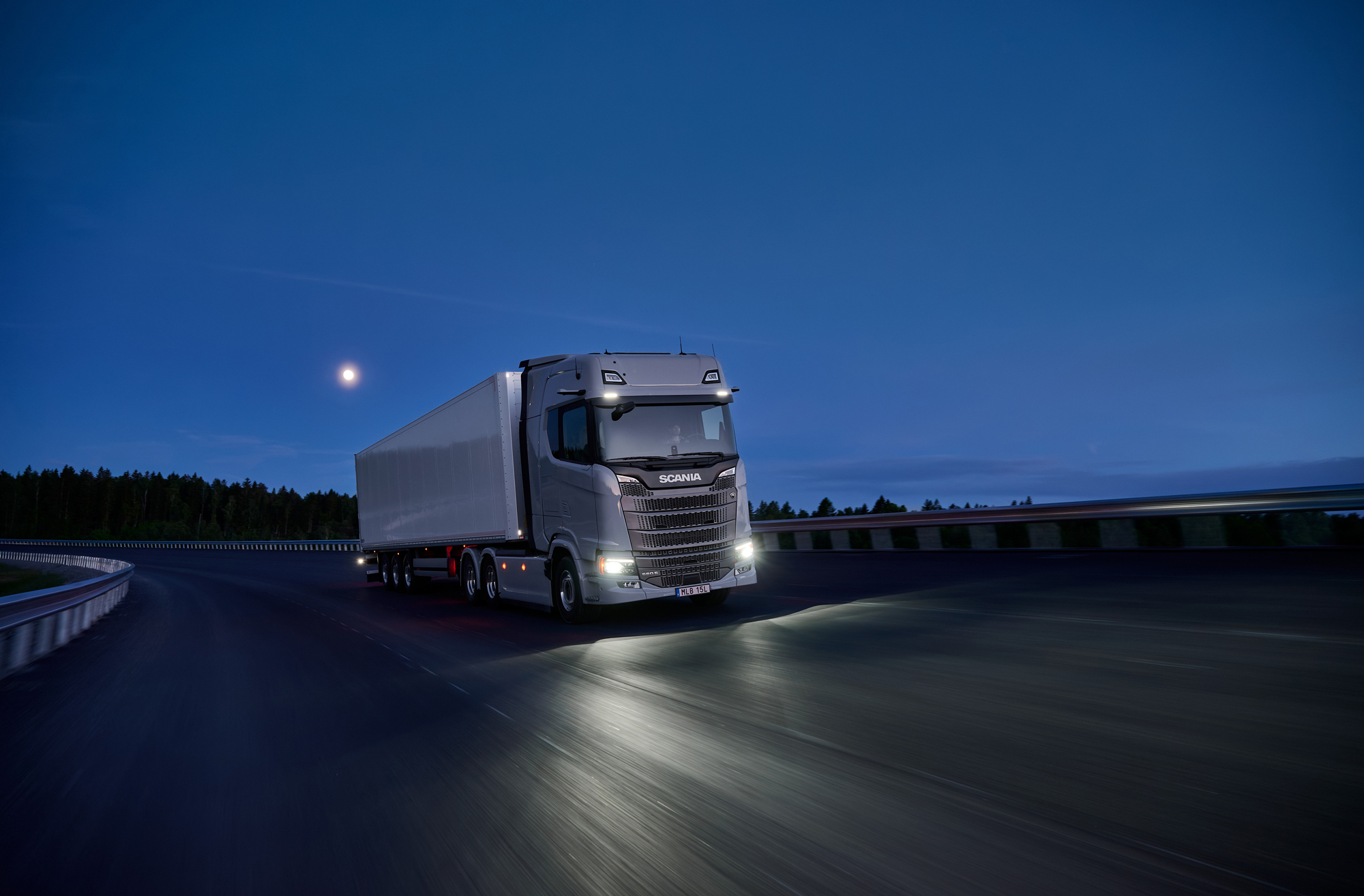
Image source: Scania.
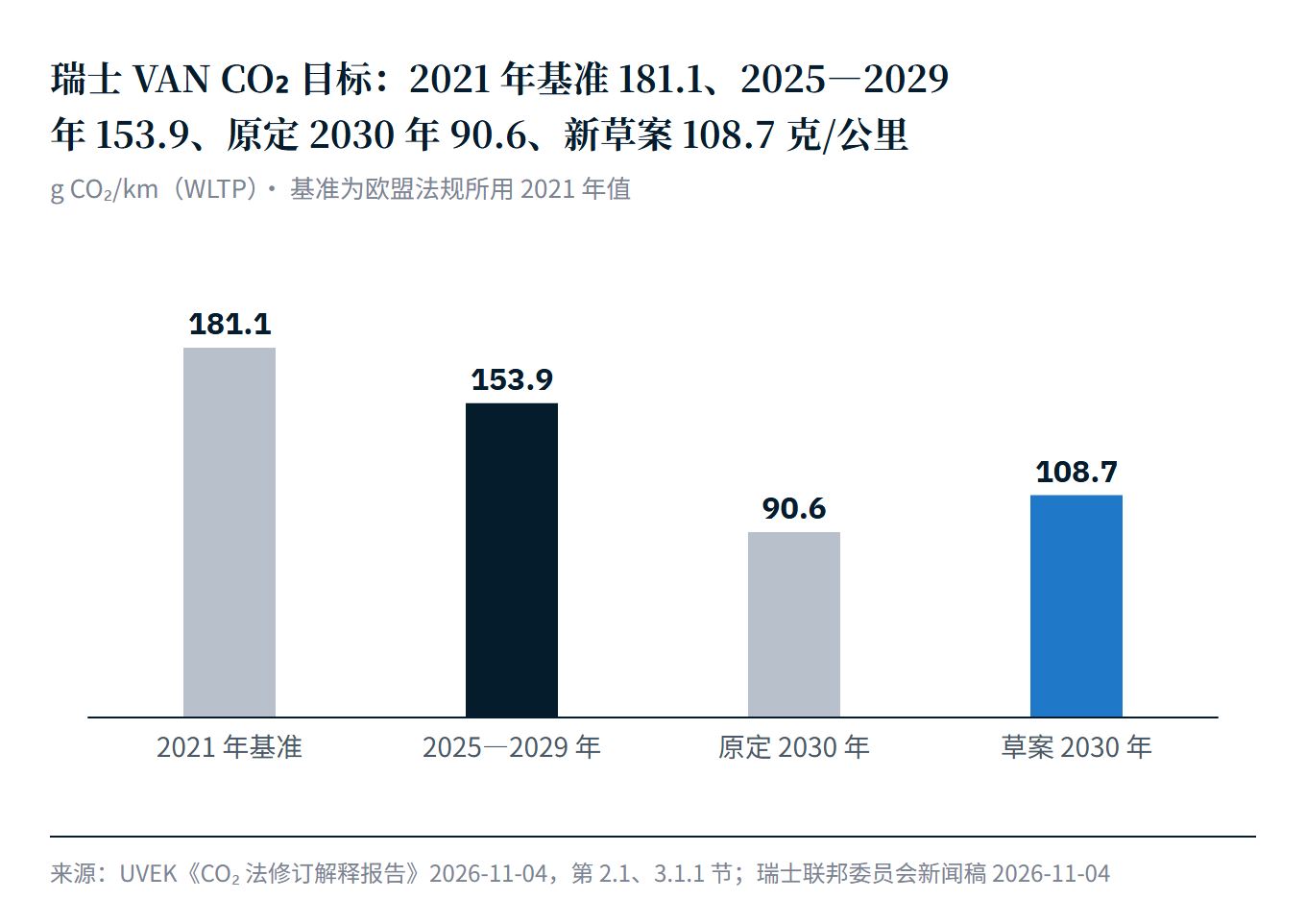
Source: Chart by AutoMusic based on the public sources listed in the article; first published on the AutoMusic WeChat account.