Volkswagen's Elli stops selling own home chargers to focus on charging cards and V2G
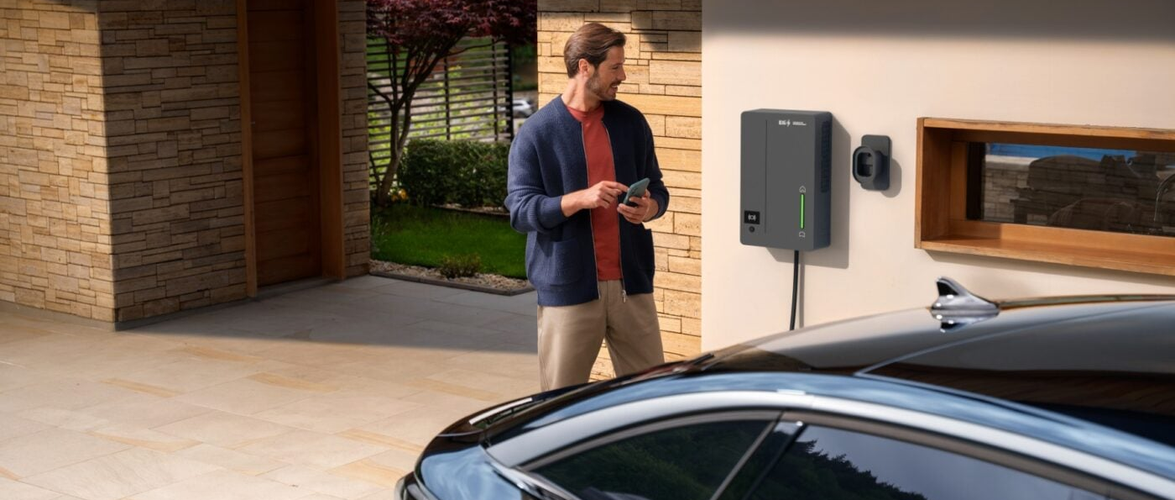
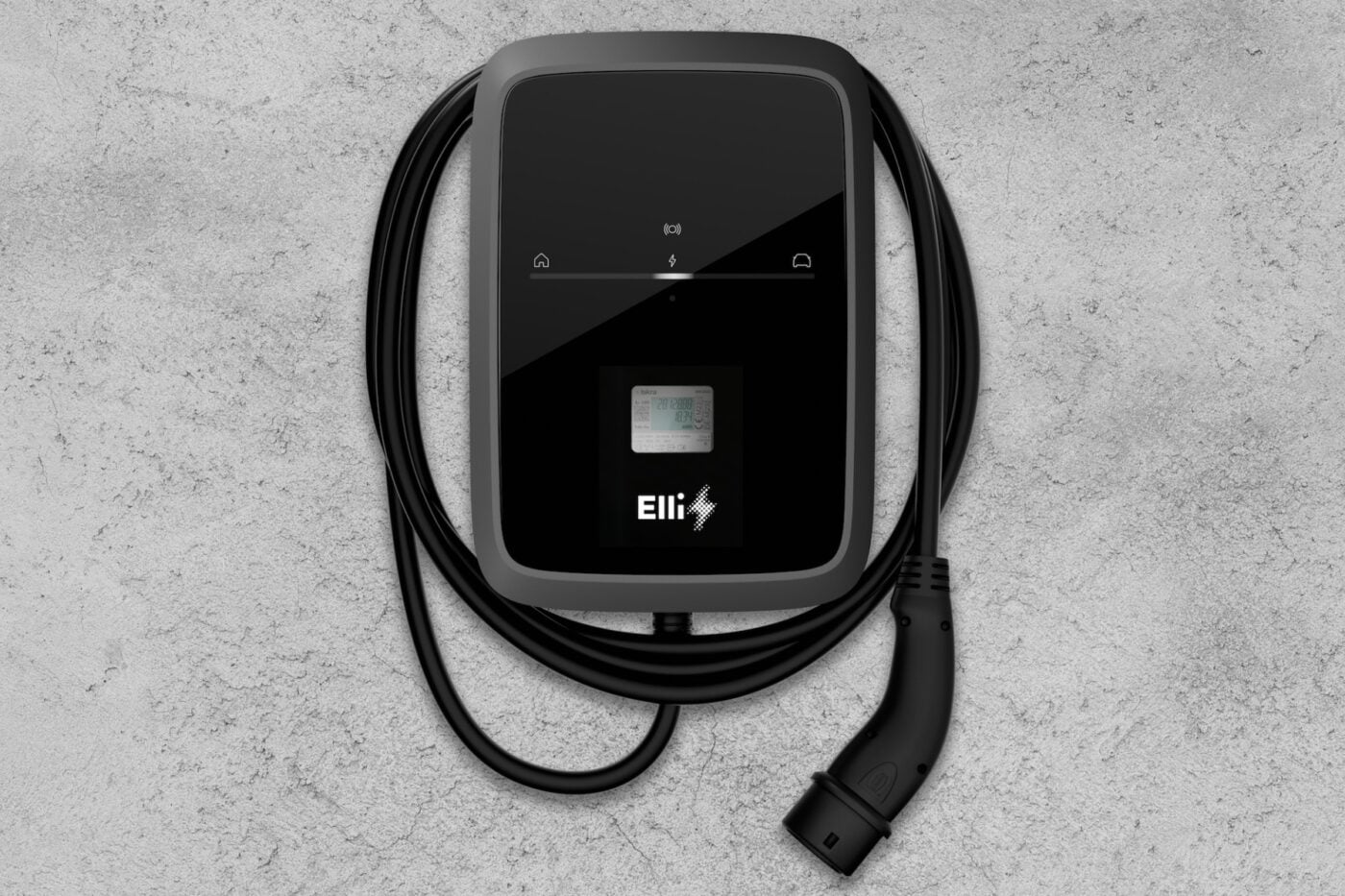
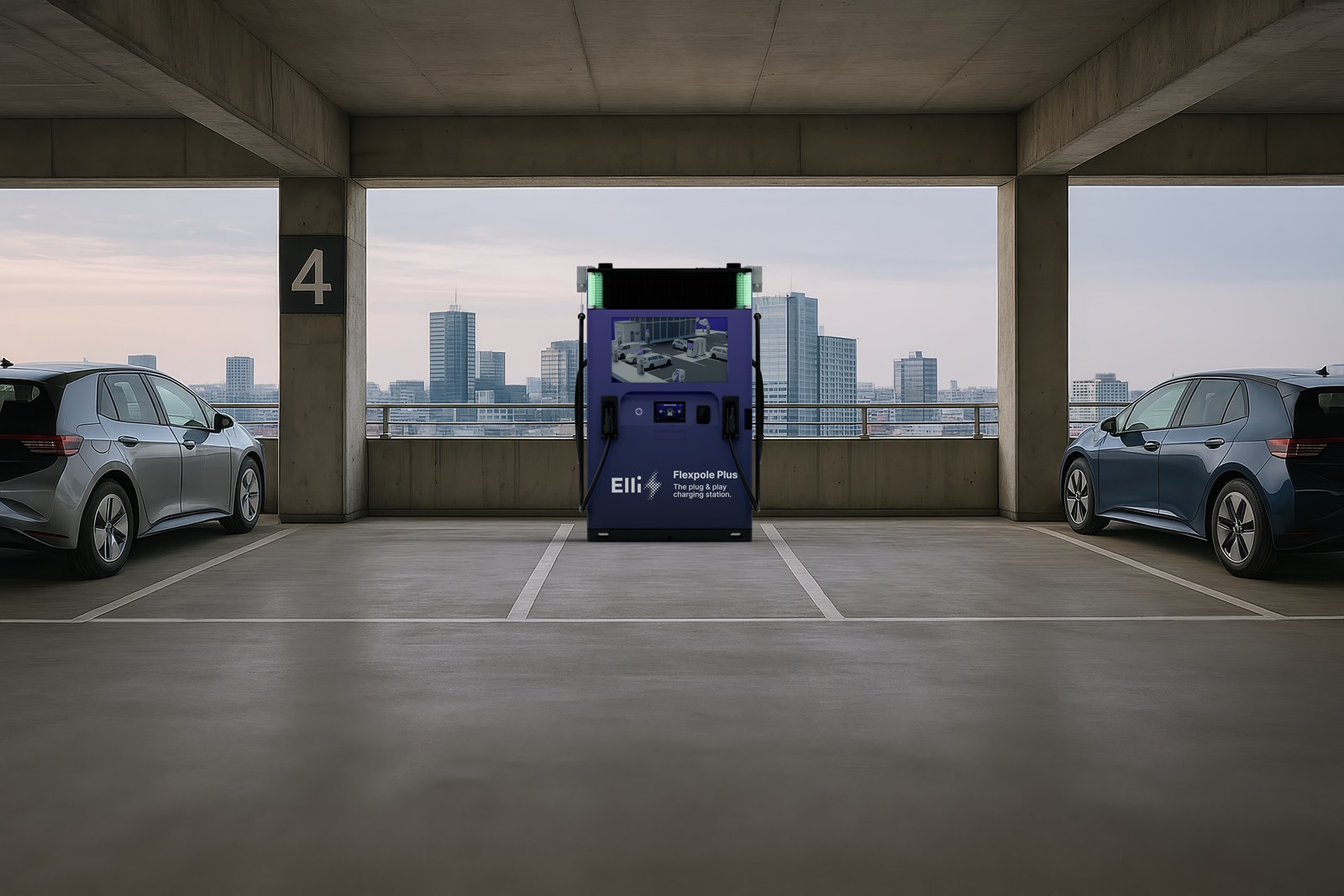
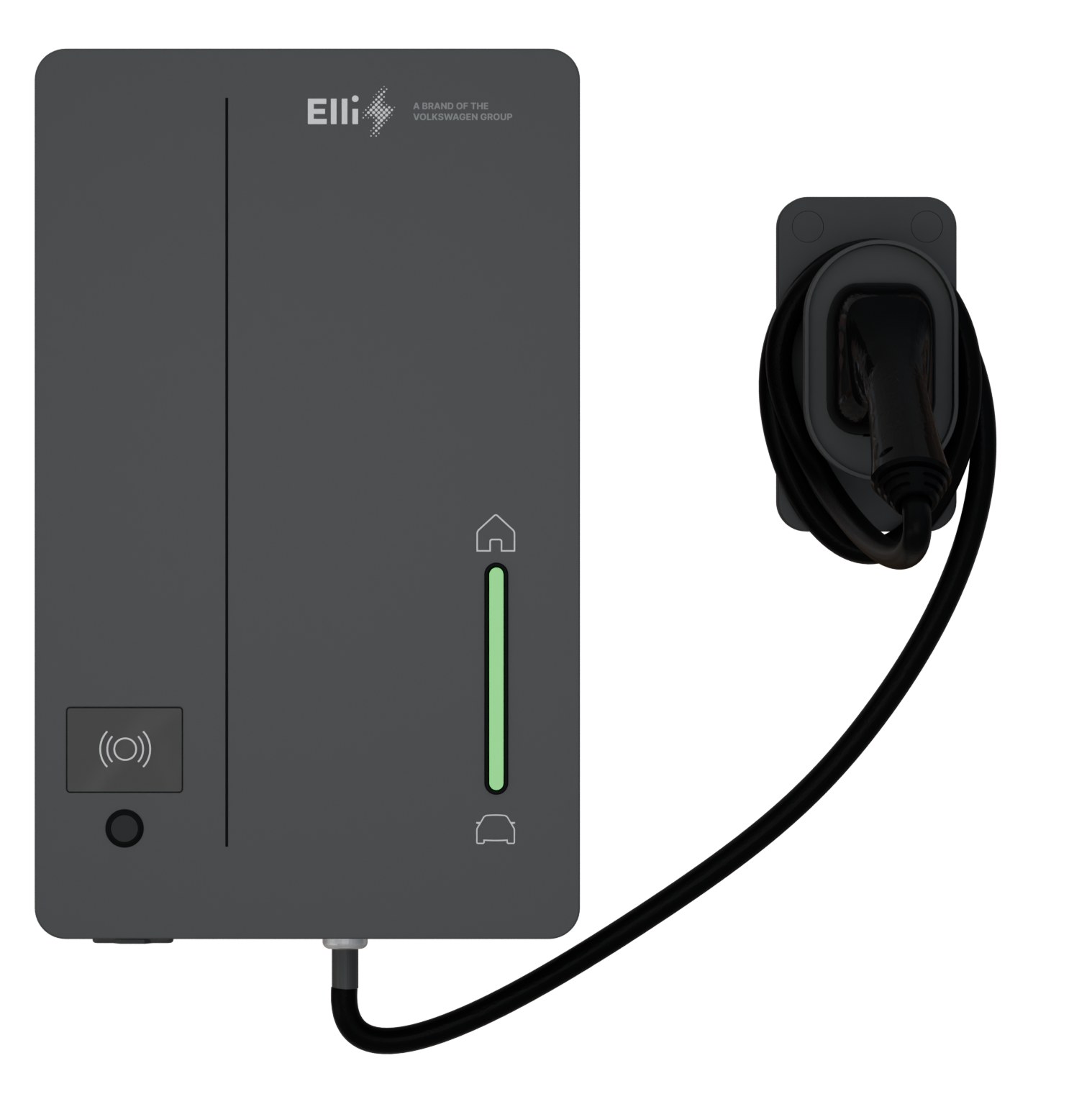
On Nov 3, Palazzo, CEO of Volkswagen Group charging subsidiary Elli, told European media that the company will sharply scale back its hardware business: sales of its own AC home chargers will stop, with no new orders once inventory is sold out, and production of the Flexpole battery-buffered fast charger assembled in Hanover will end. Elli's focus is shifting from selling chargers to transaction-based services.
Discontinued hardware
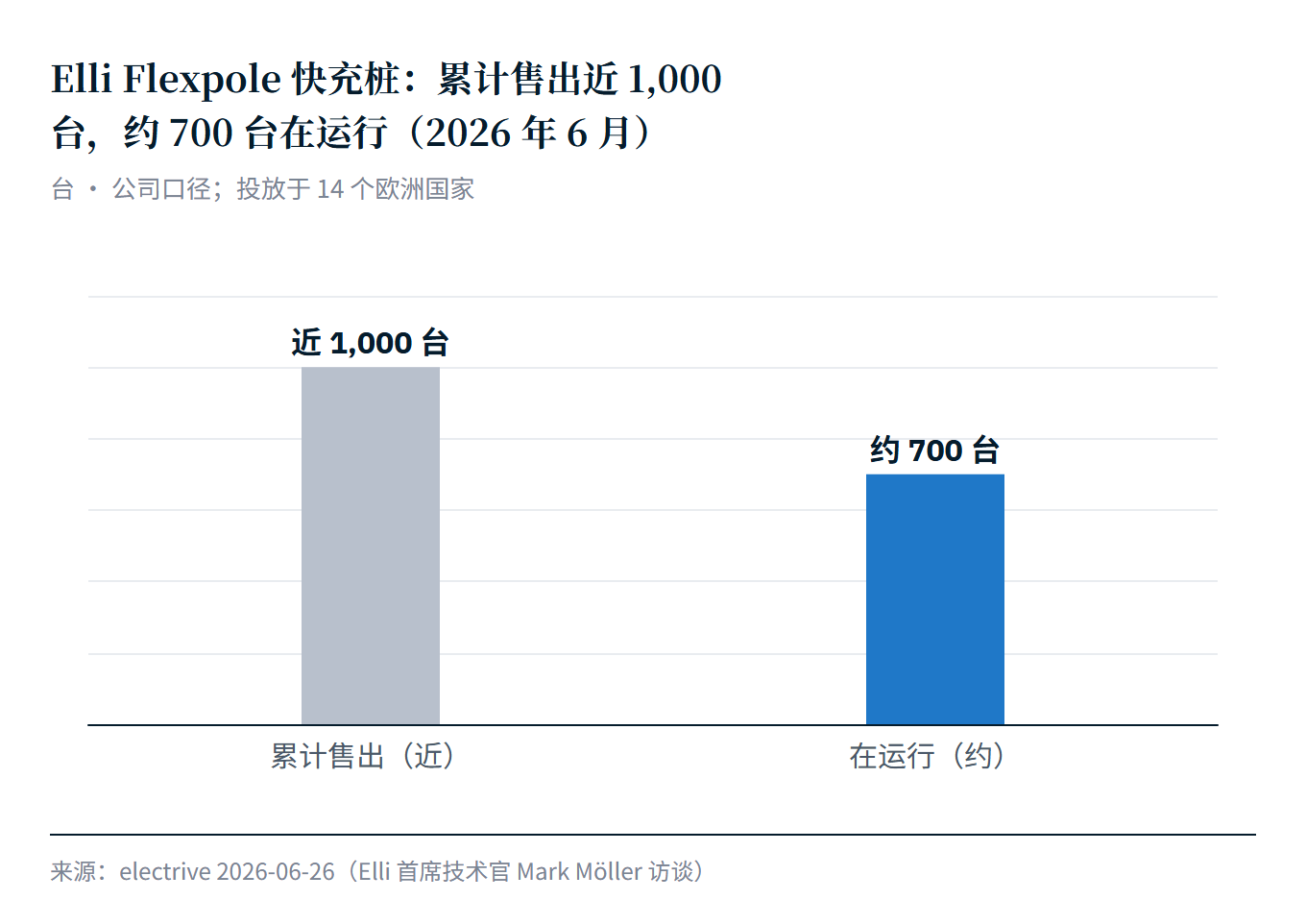
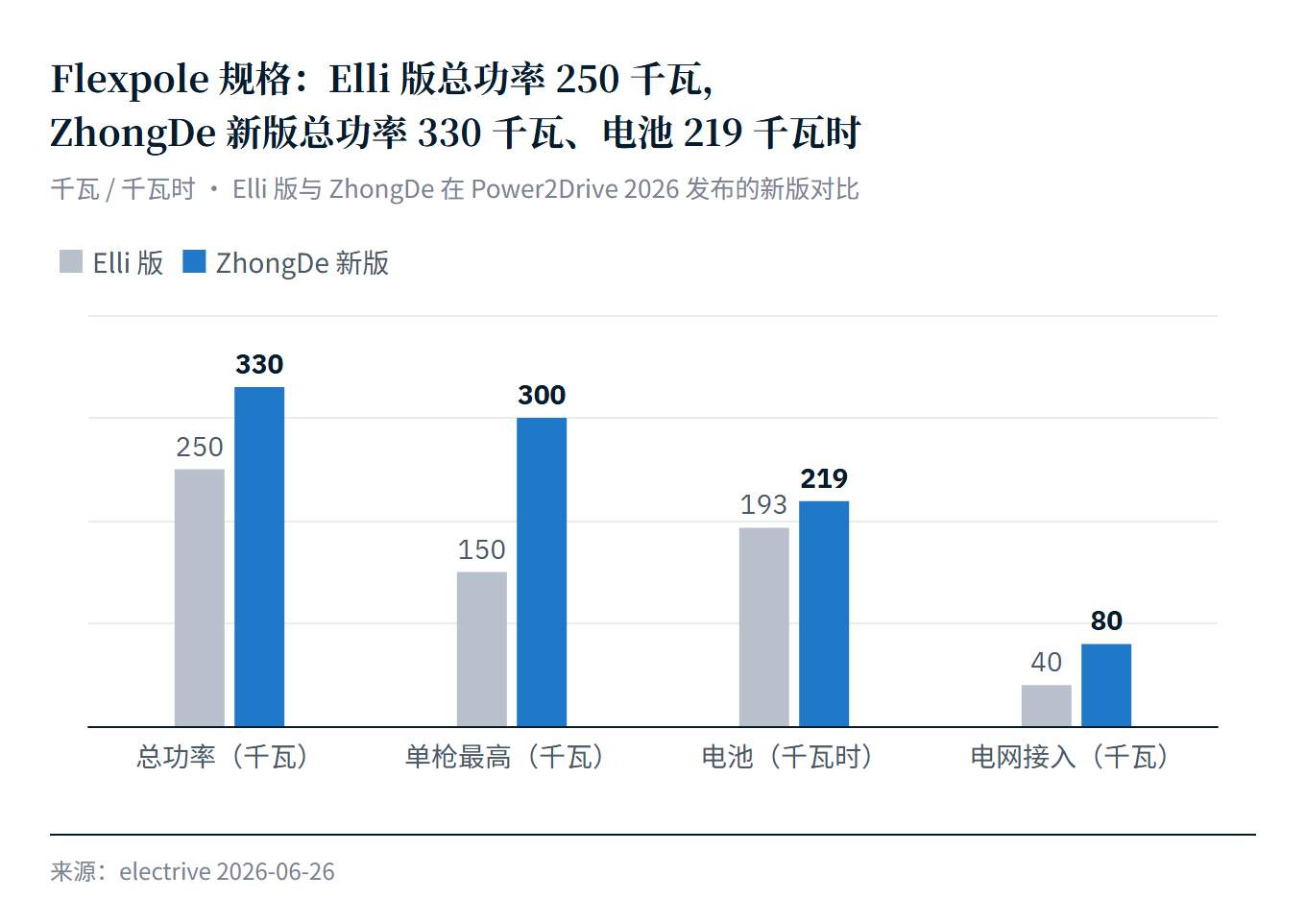
Elli's chief technology officer said in month 6 that nearly 1000 Flexpole units had been sold across 14 European countries, with about 700 still in operation. Final assembly in Hanover will end before year-end, and the business will be taken over by ZhongDe Energy, the partner that supplies the main components. Palazzo pledged that use, customer service and maintenance for units already sold will remain unchanged. Going forward, planning, installation and maintenance of charging infrastructure for corporate fleets and within the group will be handled by specialist partners. How the existing fleet business will be handled is still under review, with changes to be completed by the end of 2027.
For fleet customers, charger installation and maintenance are handled by specialist contractors; Elli is responsible only for connection, charging and billing.
Reasons for scaling back
Palazzo said the company wants businesses that charge per transaction, can scale digitally and tie up as little capital as possible. Digital services can be rolled out to new customers and markets through the platform, while hardware, installation and infrastructure projects require large numbers of staff and a lot of capital. The discontinuation has nothing to do with sales or technology; the reason is that one-way home chargers no longer fit the company's requirements for scaling up the business. He expects the charging industry to consolidate further over the next few years. Several companies have expressed interest in taking a stake or partnering, but nothing has been finalized yet.
Services retained
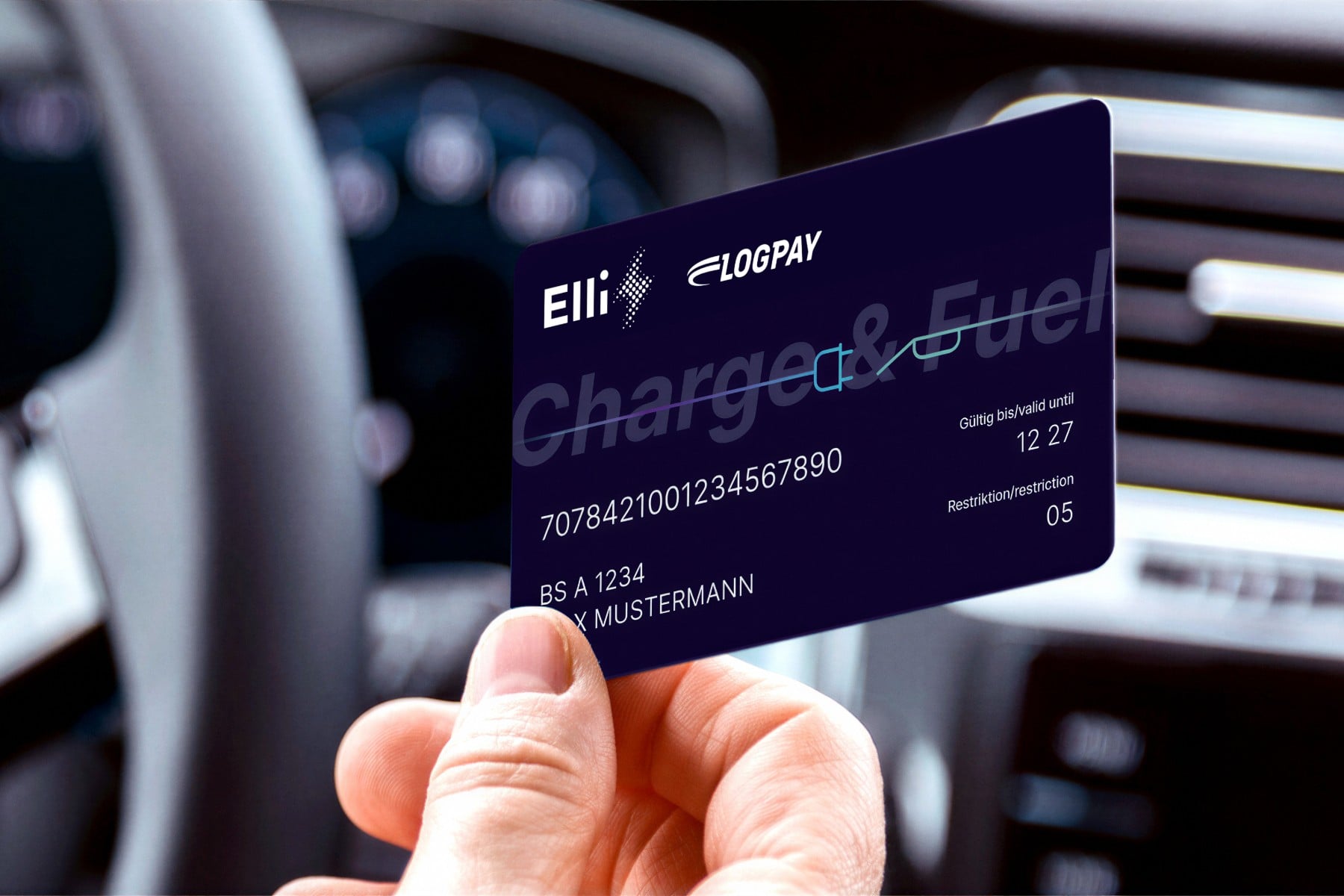
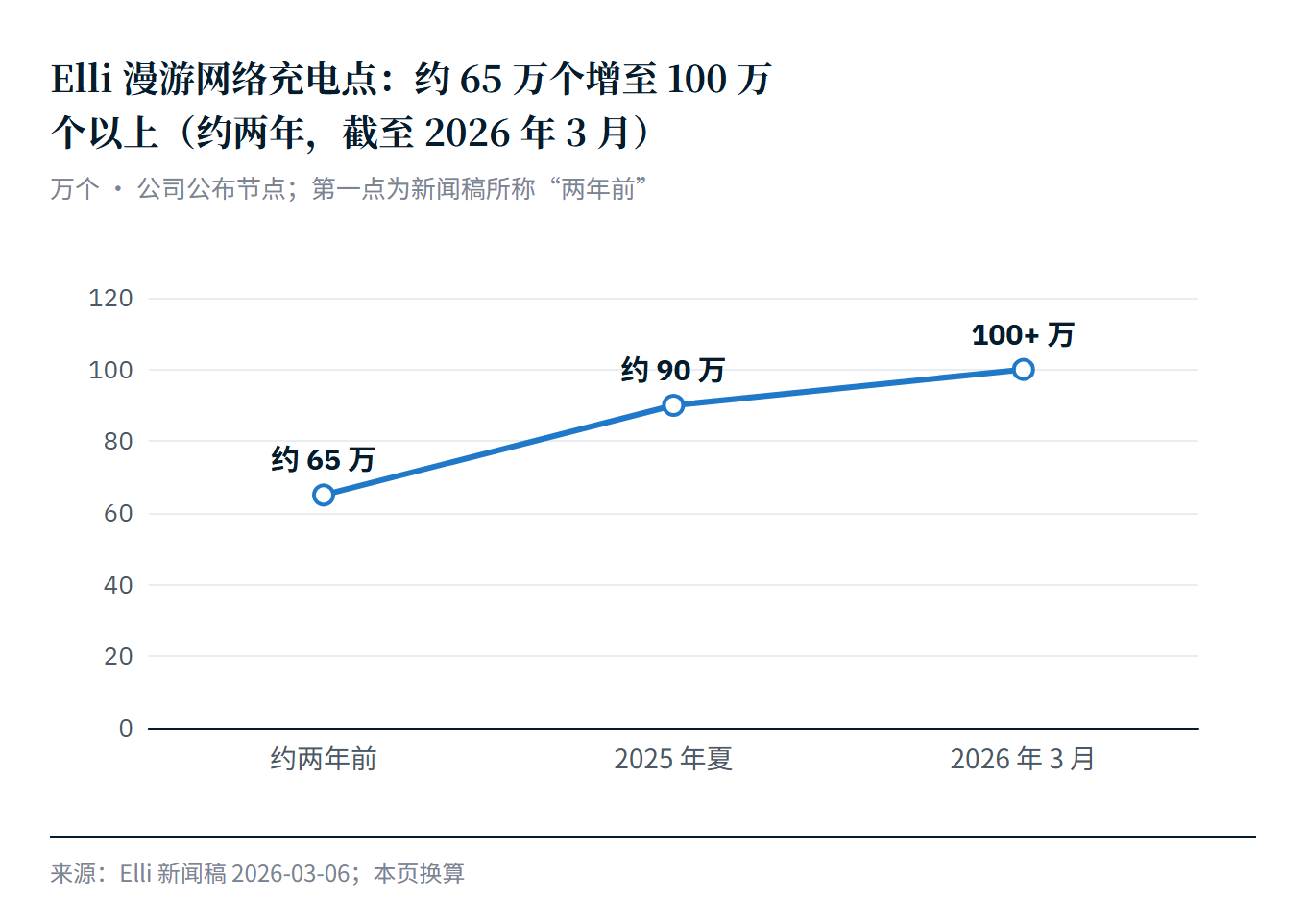
On the "Mobility" side, Volkswagen announced in Jan 2025 that it would fold its LogPay fuel card business into Elli, with a single card covering refuelling, charging and car washes, aimed at fleets running both combustion and electric vehicles. Palazzo said commercial charging customers typically carry higher margins than private customers. Elli's roaming network grew from about 650,000 charge points to more than 1 million in two years, an increase of more than half.
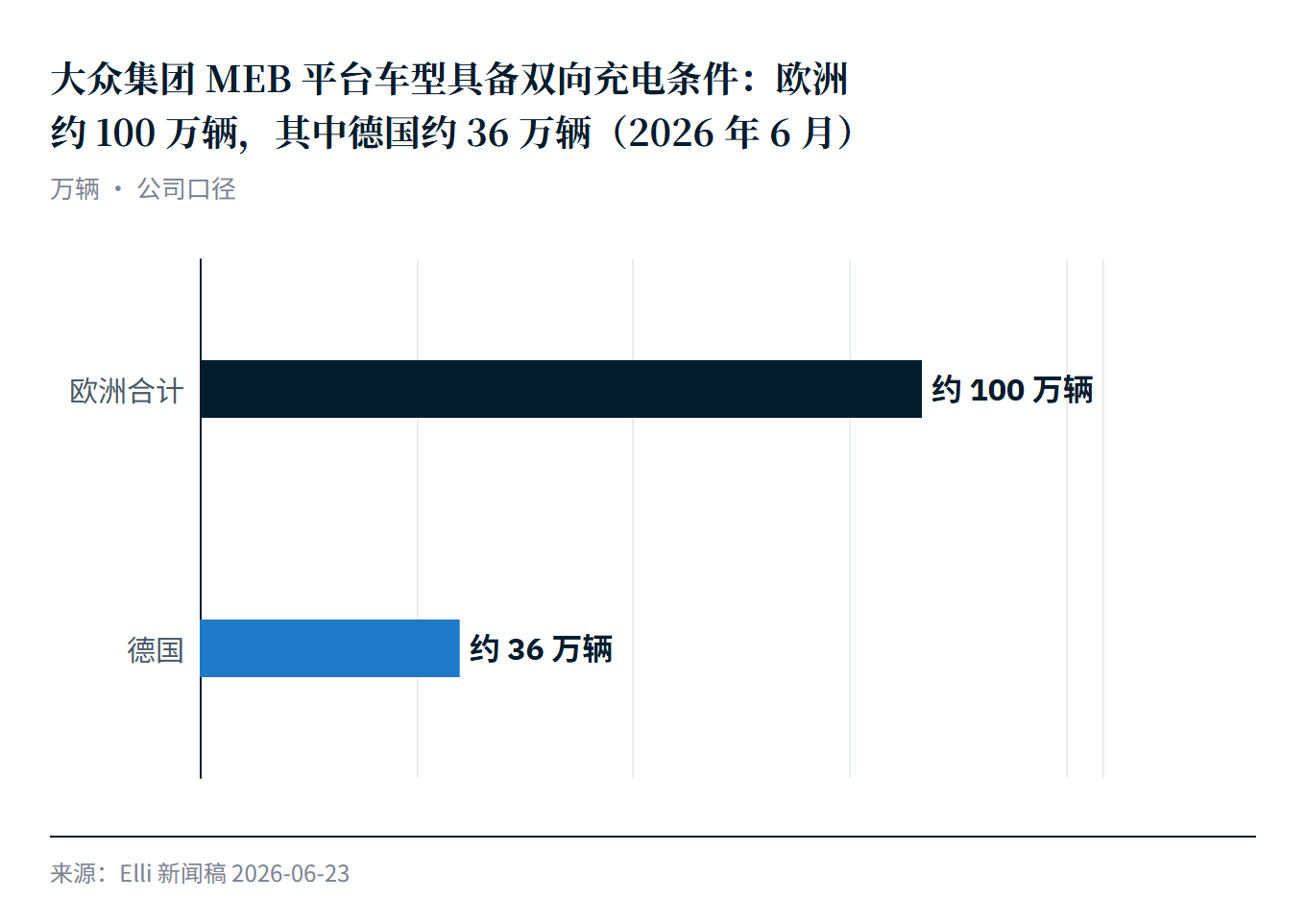
On "Energy", the focus is bidirectional charging. Volkswagen said in June that about 1 million MEB vehicles in Europe are capable of bidirectional charging, with the package offered first to customers in Germany; the first-year grid bonus is up to EUR 720, provided the car is connected in V2G mode for 250 hours a month, equivalent to about EUR 0.24 per hour. Bidirectional chargers are supplied by external partners. Going forward, Elli's competition with rivals will centre mainly on cards, billing and network coverage.
Peers' financial position
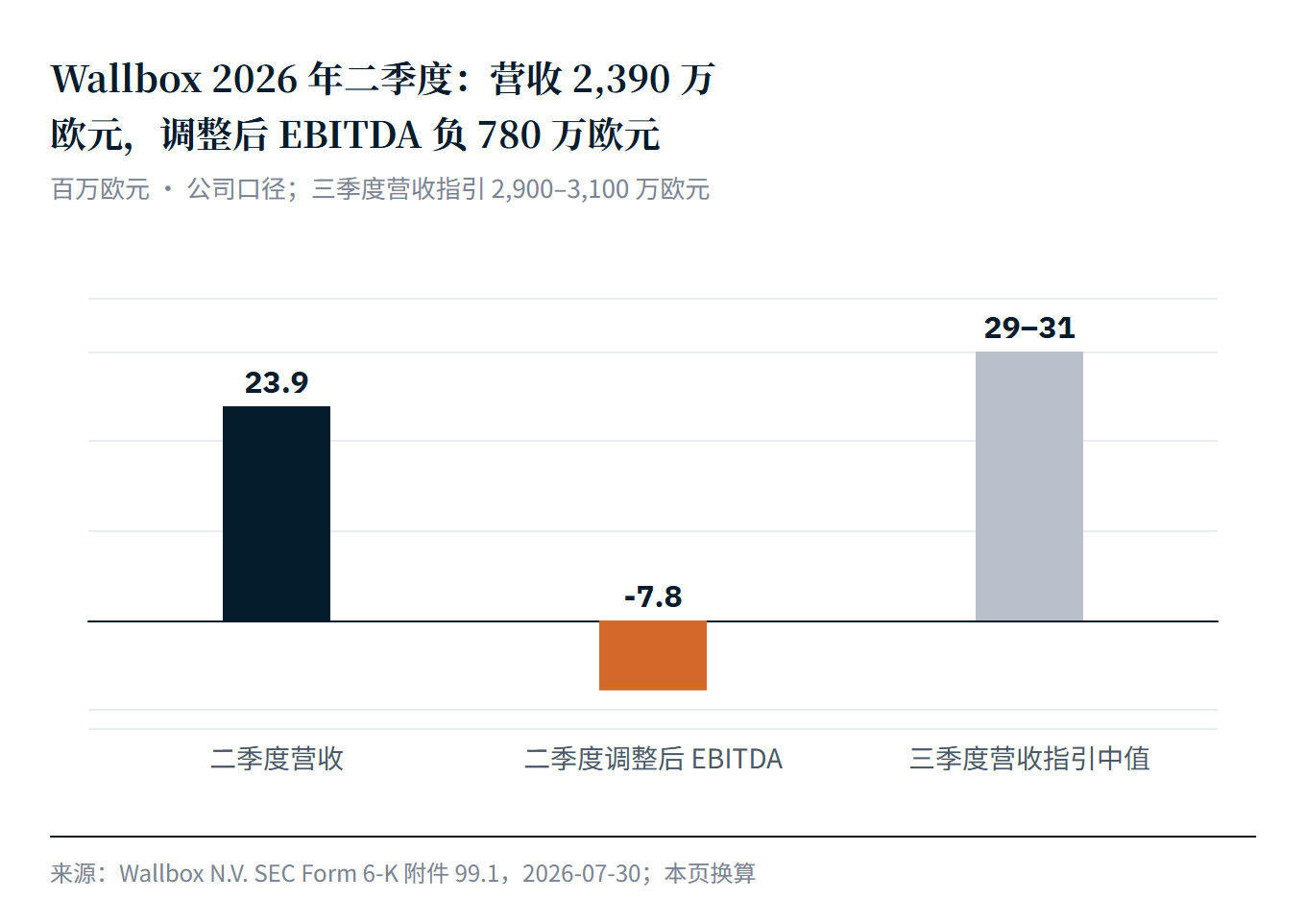
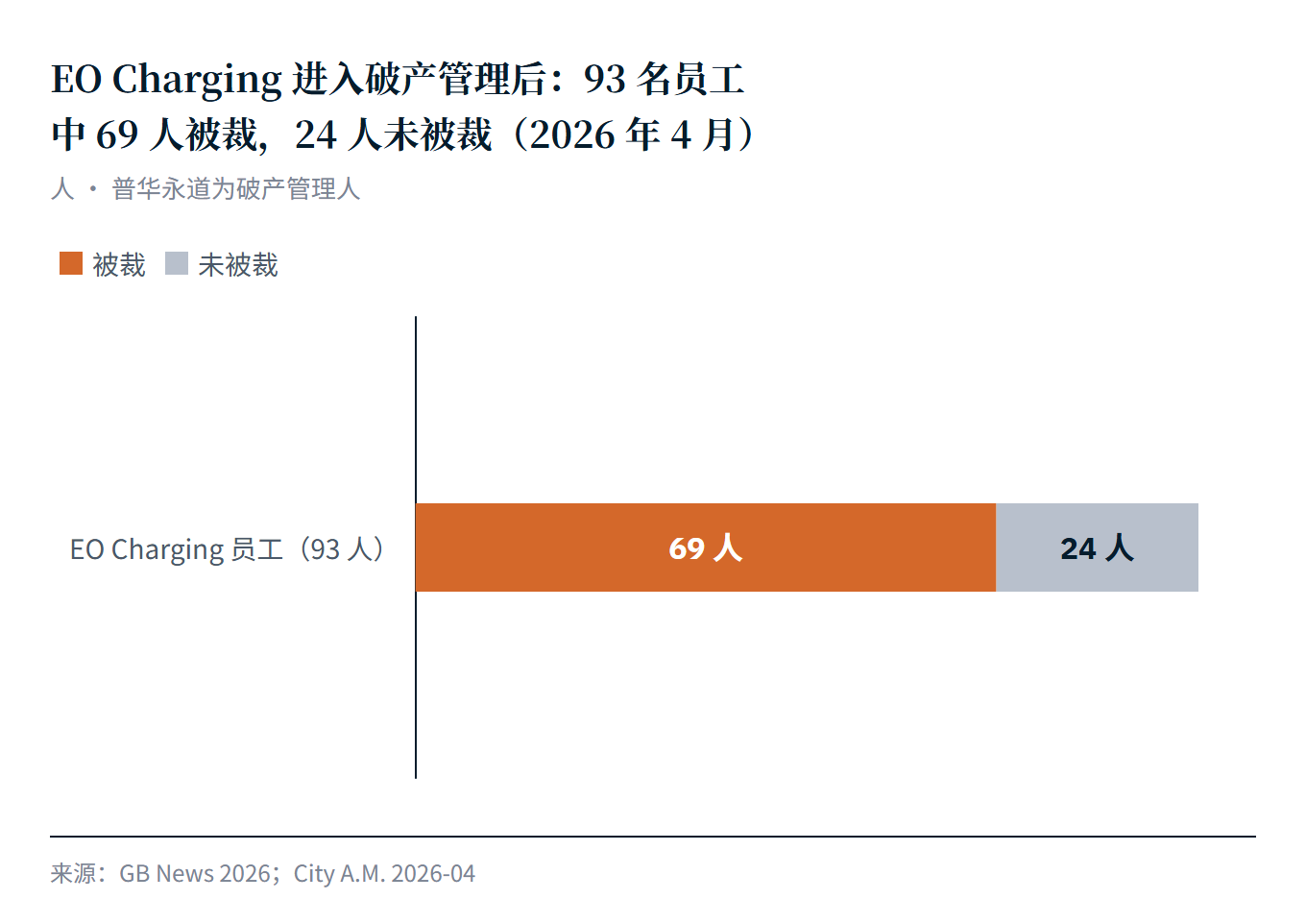
Charger maker Wallbox reported Q2 revenue of EUR 23.9 million and adjusted EBITDA of minus EUR 7.8 million, about one-third of revenue. UK-based EO Charging scaled back to its home market in the second half of last year and pivoted to a cloud-based charging management platform, but still entered administration in April this year, with 69 of its 93 employees laid off.
Shifting to services can reduce headcount and capital tied up, but the EO case shows the pivot alone does not guarantee a company survives industry consolidation.
Whether Elli's services business can establish itself depends on how many owners sign up for the upcoming V2G package, and whether fleet customers stay once the hardware business has been handed off.

Source: Chart by AutoMusic based on the public sources listed in the article; first published on the AutoMusic WeChat account.