MAN trials bidirectional charging on electric heavy trucks
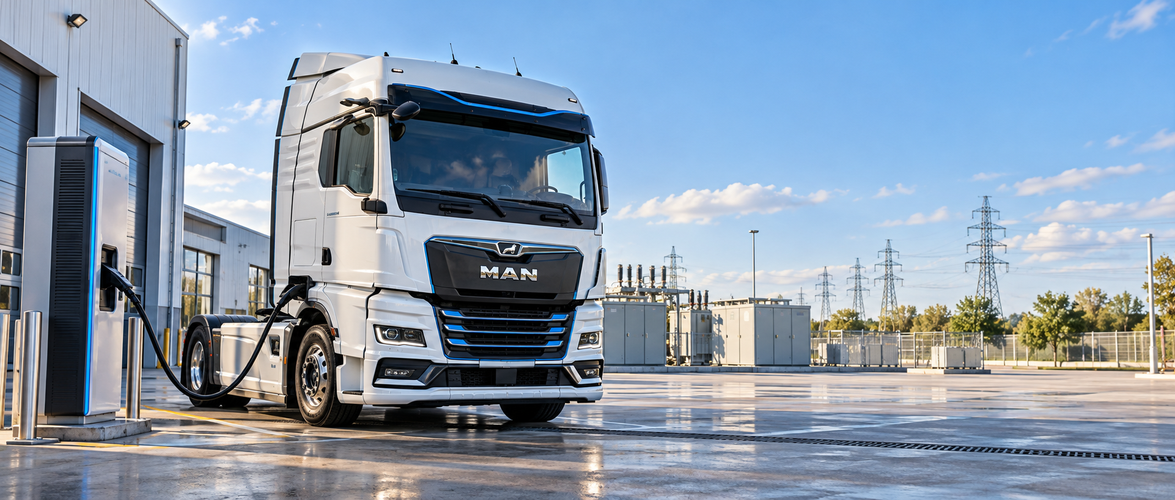
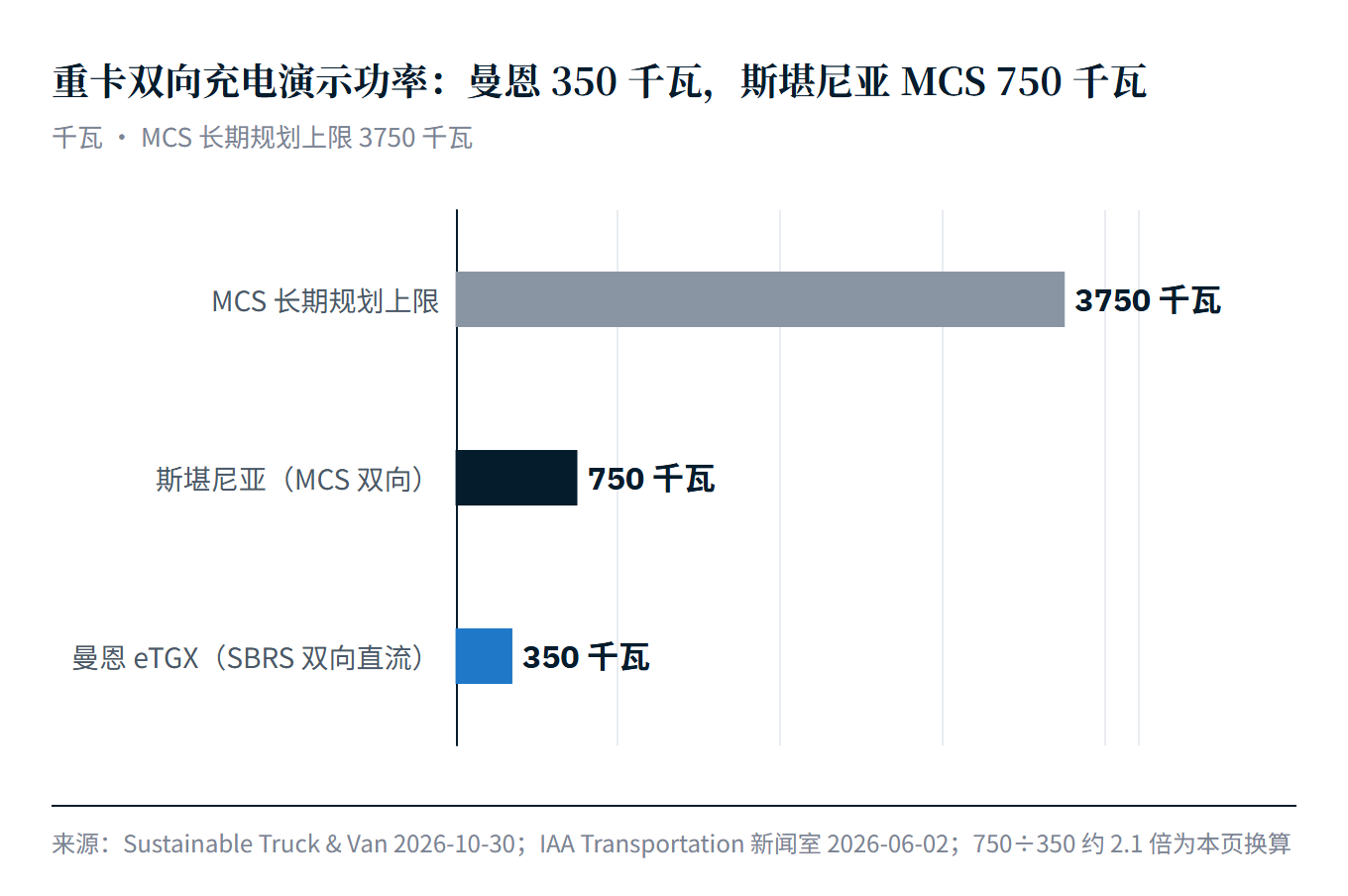
On Oct 30, Germany's SPIRIT-E project published its results: a MAN eTGX electric heavy truck fed power to a logistics depot and the public grid via a bidirectional DC charger at up to 350 kW. The vehicle-side technology already works. Whether fleets can make money from it depends on when German grid operators implement new energy storage rules at depots.
Test vehicles and depots
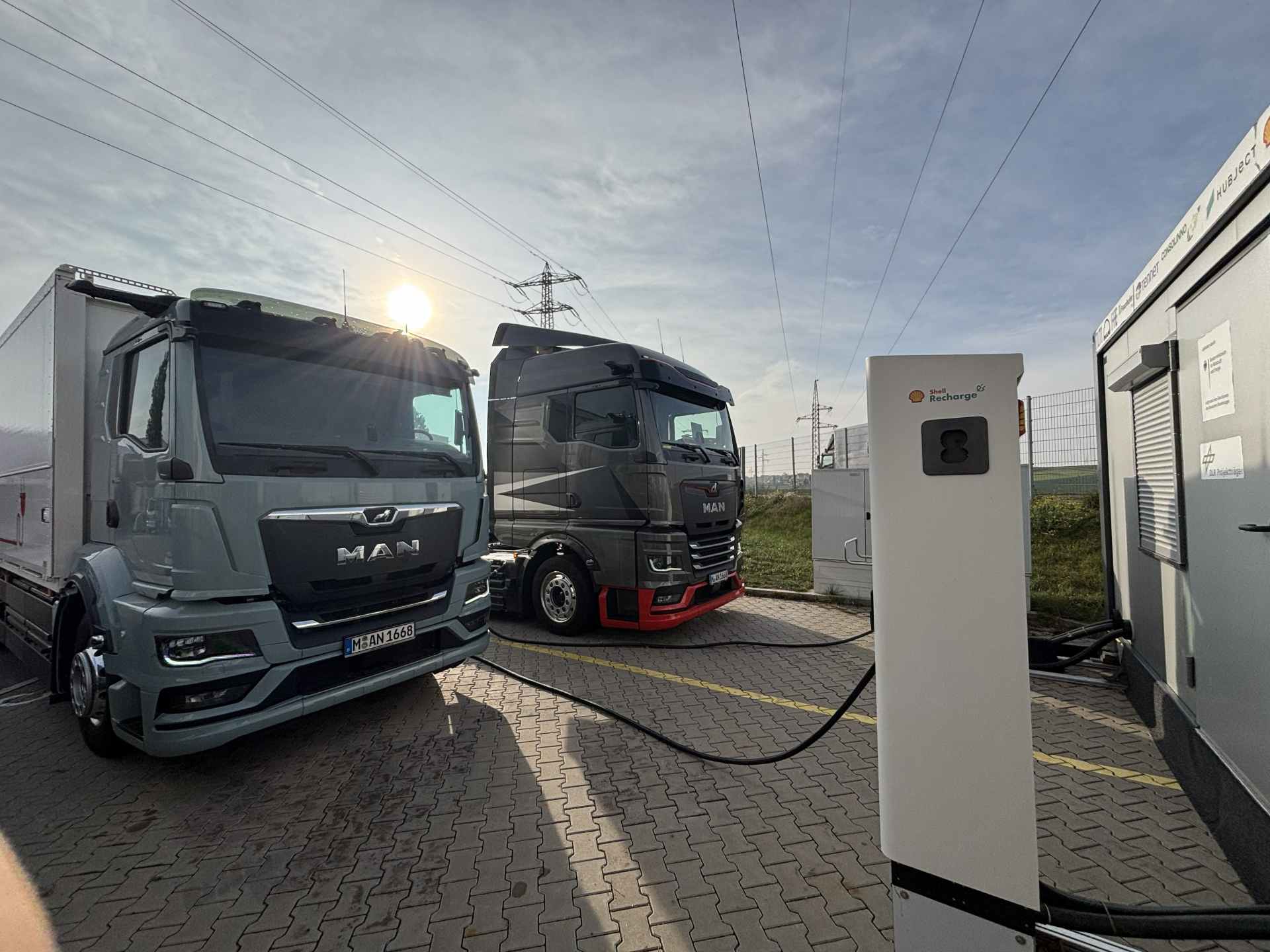
The three-year project is led by the Technical University of Munich (TUM) and has eight members, including transmission system operator TenneT and Shell's charging company SBRS. Testing takes place at the depot of logistics company Schmid near Regensburg. The test vehicle has 480 kWh of usable energy and uses ISO 15118-20 for vehicle-to-charger communication. The project demonstrated supplying power to the depot, charging other vehicles and feeding power back to the grid.
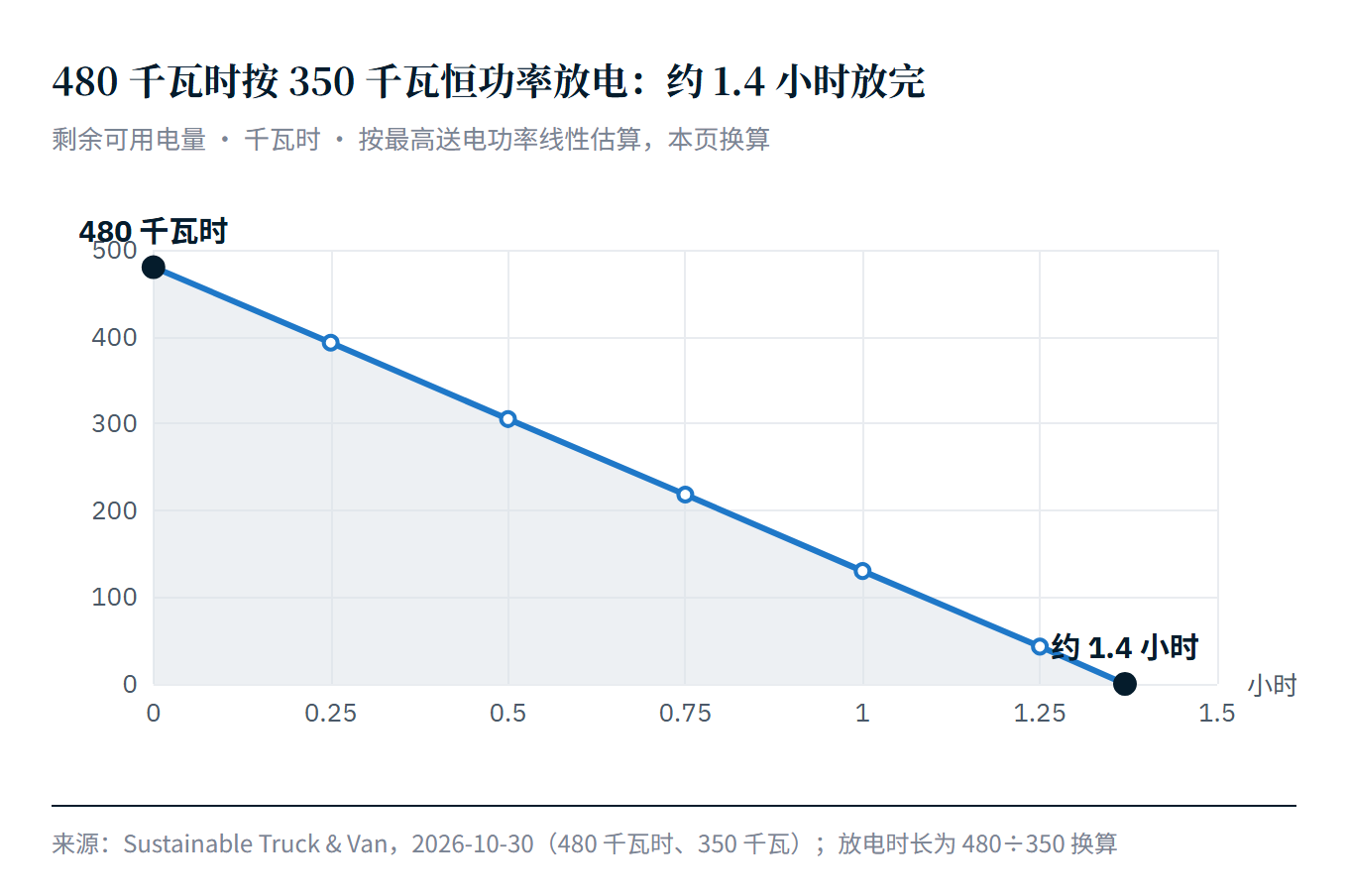
At a full 350 kW, 480 kWh would be discharged in about 1.4 hours. Heavy trucks park at the depot for several hours overnight, so time is not the bottleneck, but the energy available for discharge must first exclude what is needed for the next day's run.
Electricity cost savings
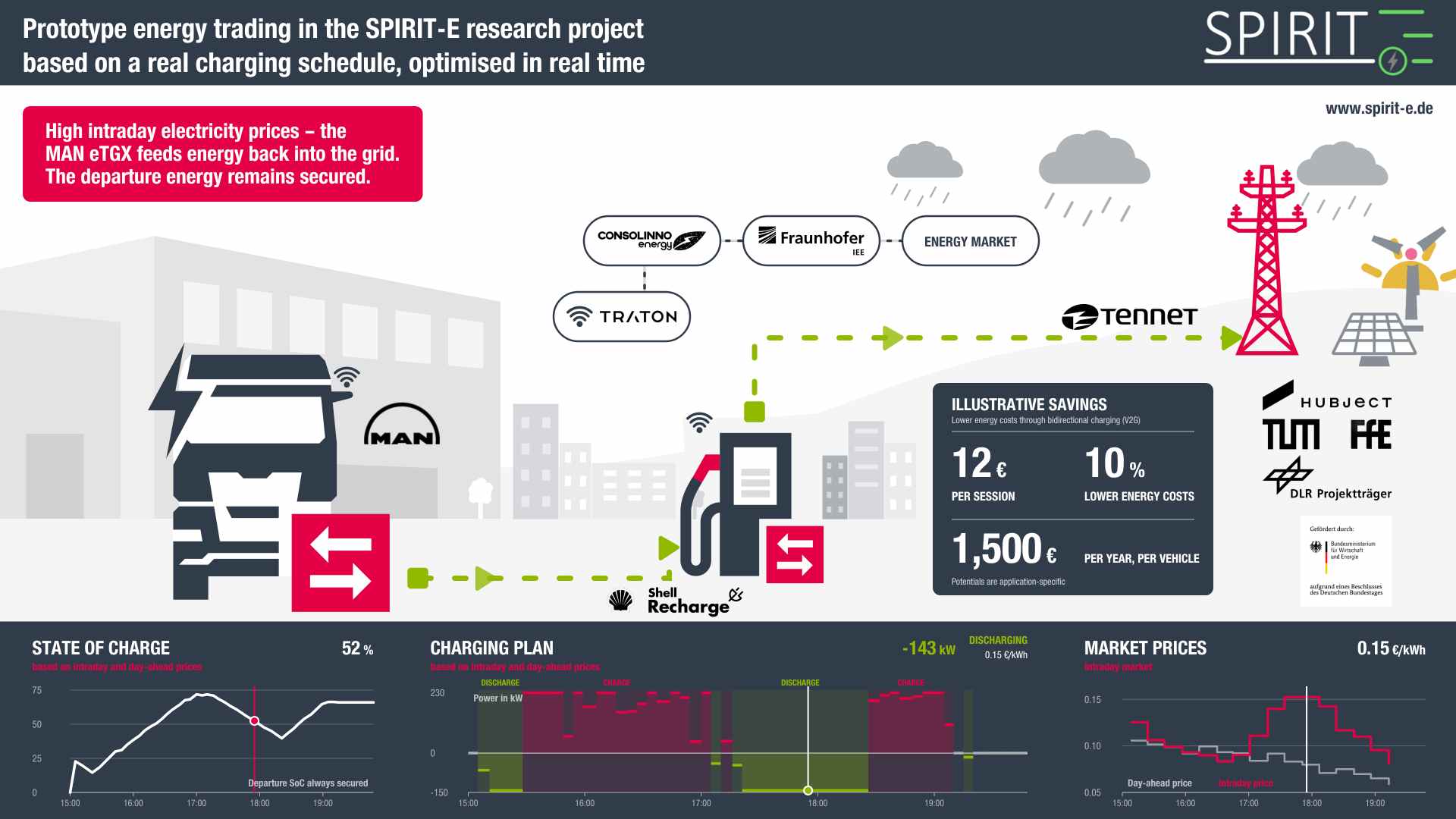
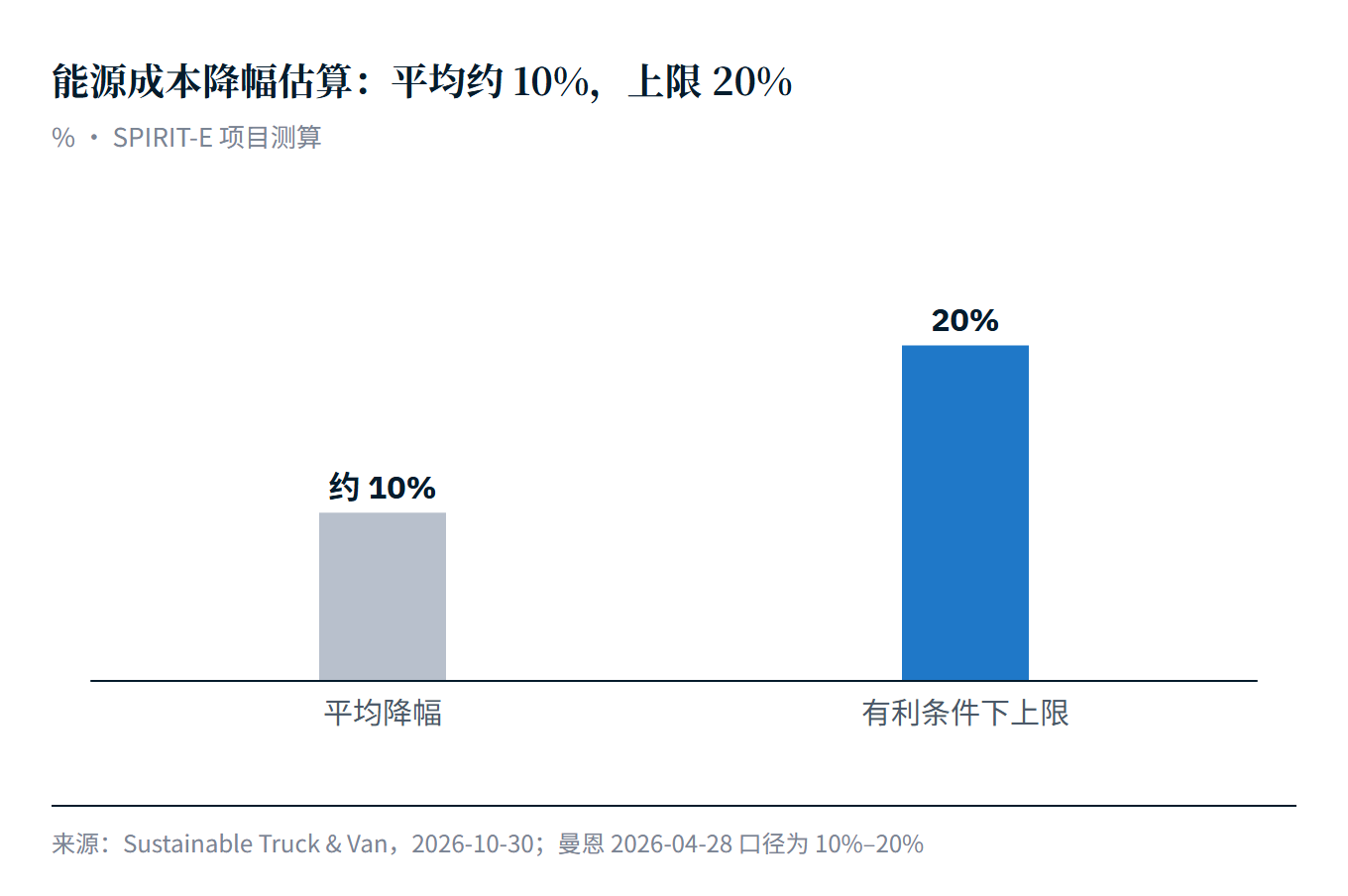
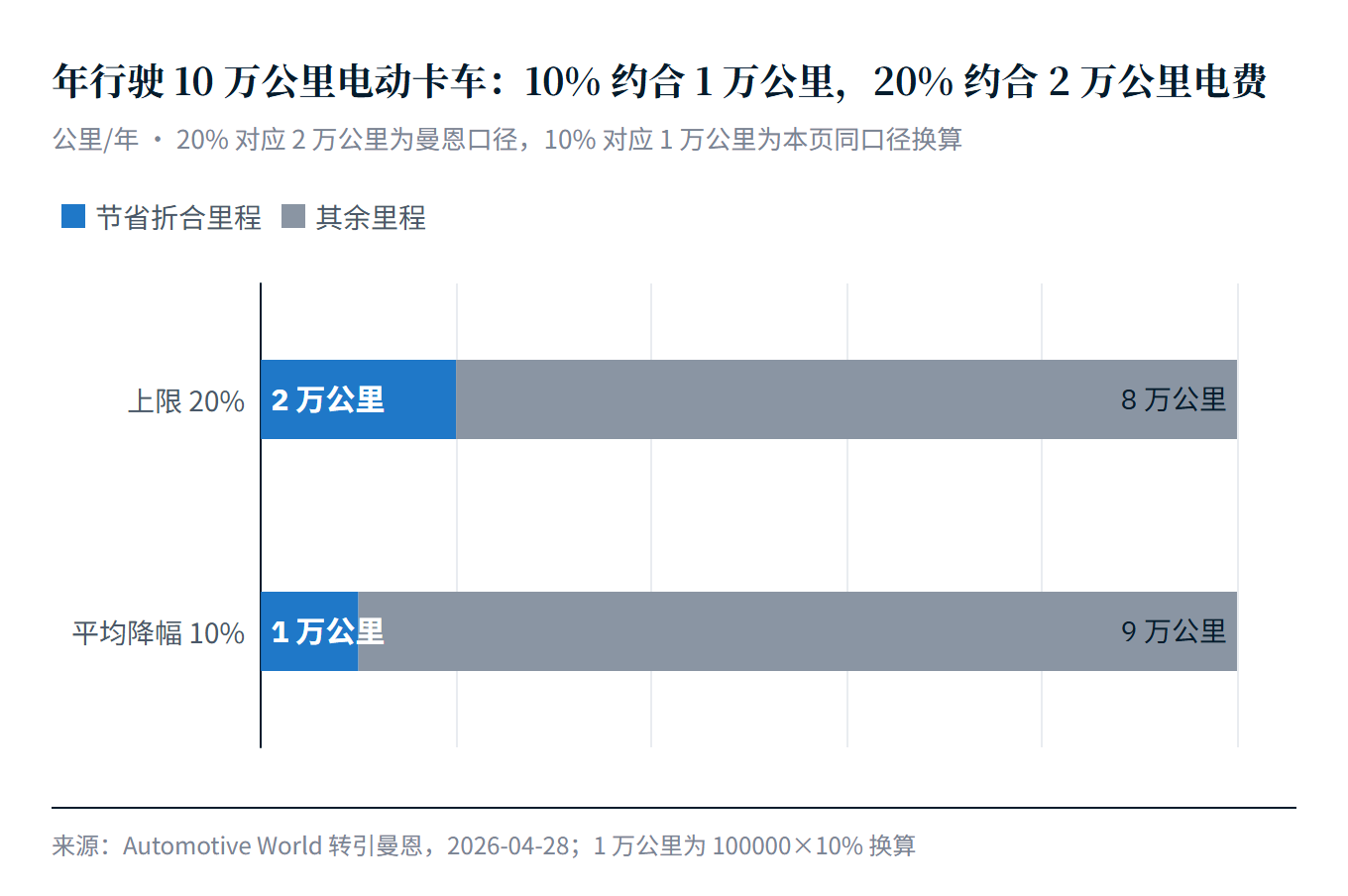
The project estimates that smart scheduling of on-board batteries can cut energy costs by about 10% on average, and by up to 20% under favourable conditions. MAN puts it this way: for an electric truck covering 100,000 km a year, up to the equivalent of 20,000 km of electricity a year would be free. The best fit is trucks covering less than 100,000 km a year on regional routes that return to the same depot every day.
Buying power cheaply and selling it at a higher price has only been tested in simulation. Once the production version launches, the first savings for fleets will come from depot self-consumption and peak shaving, and regional distribution fleets that return to the depot at fixed times each day will benefit first.
Germany's regulatory timeline
On Nov 13, 2025, the German Bundestag amended the law to exempt electricity drawn from the grid, stored and then fed back into the grid from grid fees and electricity tax, with bidirectionally charging electric vehicles also covered; previously this electricity was effectively charged twice. The new rules took effect on Jan 1, 2026. In month 10, the Federal Network Agency also approved the MiSpeL implementing rules, which treat bidirectional chargers as storage facilities; grid and metering operators must implement them by the end of Sep 2027 at the latest.
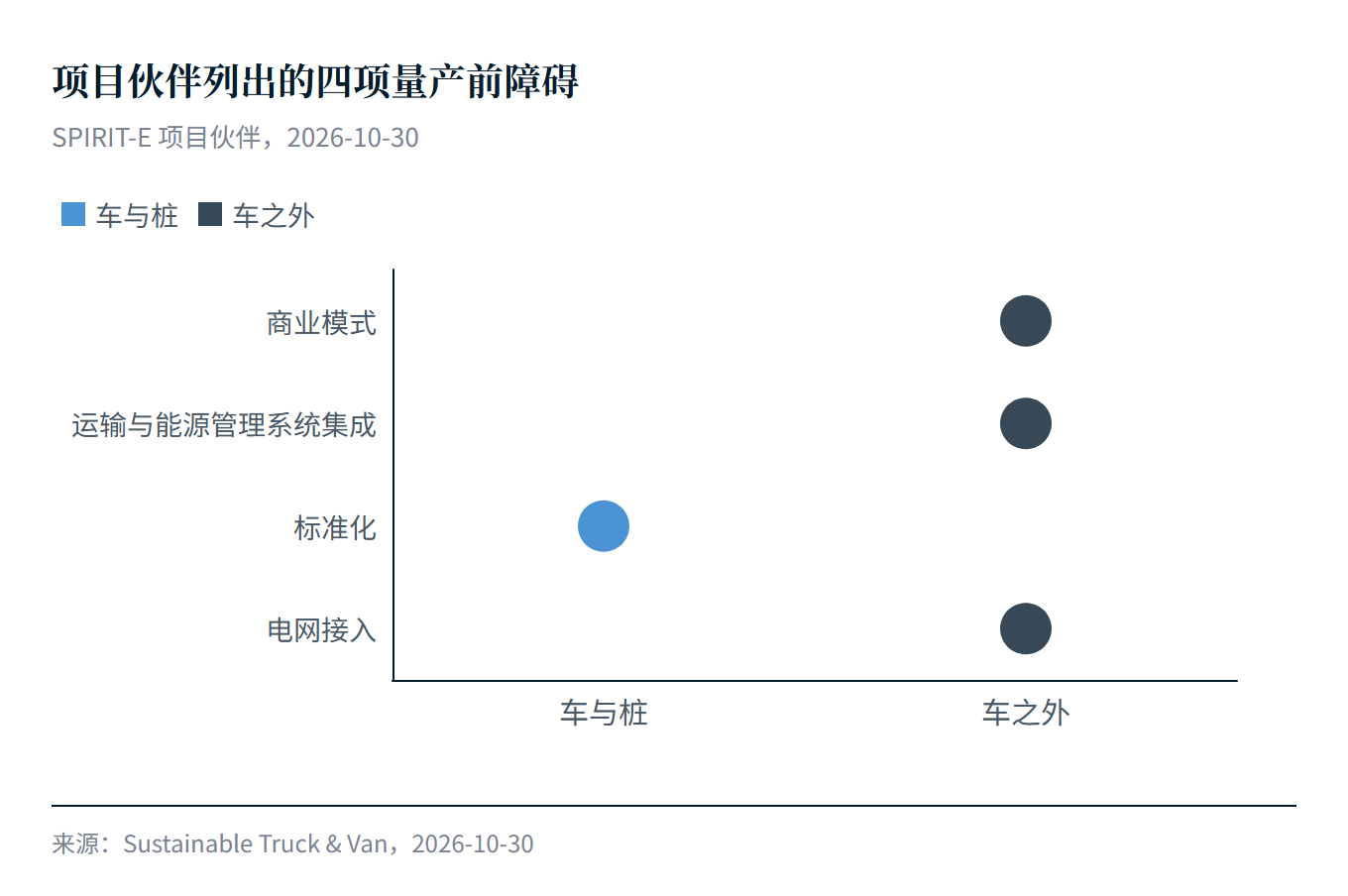
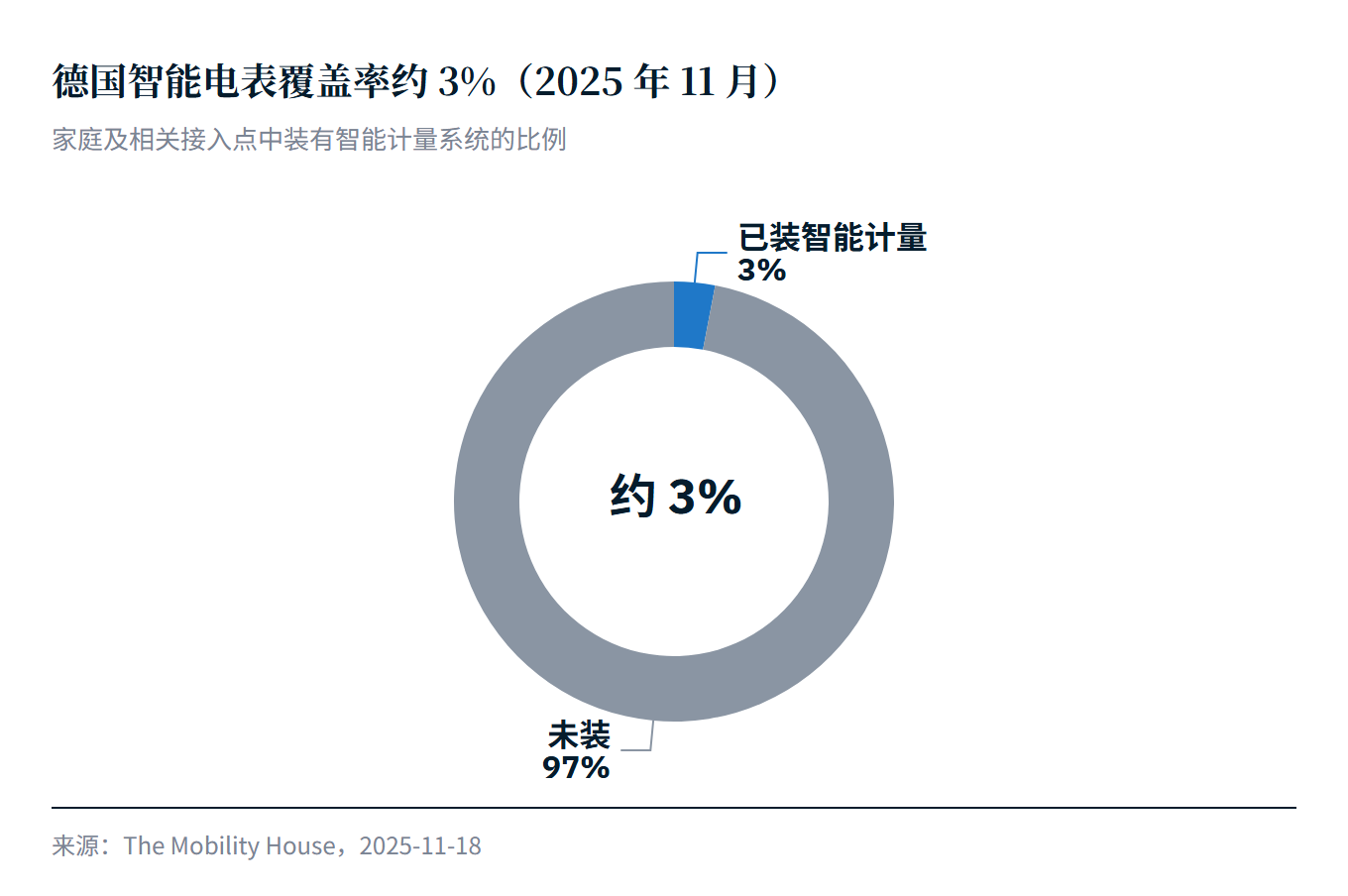
Implementing the new rules also requires solving metering issues: according to statistics at the end of 2025, smart meter coverage in Germany was only about 3%, and it was estimated at the time that grid operators would need 6 to 12 months to adapt their systems. The obstacles listed by project partners also centre on grid connection, standardisation, interoperability between transport and energy systems, and business models. MAN is working towards series production but has not given a date.
Scania has already demonstrated 750 kW bidirectional charging and discharging on the Megawatt Charging System (MCS) this year, about 2.1 times this figure, with initial applications likewise planned for depots. The two companies have achieved the same function through different interfaces. When procuring, fleets must first confirm that the truck, charger and depot energy system use the same protocol.
MAN itself expects V2G to become a revenue source for fleets only around 2030. Until grid operators finalise the rules, bidirectional charging is a depot feature that lowers electricity costs for fleets; earning revenue from it will have to wait.
Source: Chart by AutoMusic based on the public sources listed in the article; first published on the AutoMusic WeChat account.