DAF adds multi-axle configurations to its electric heavy trucks
DAF is pushing electric heavy trucks beyond long-haul tractors into construction and specialist applications…
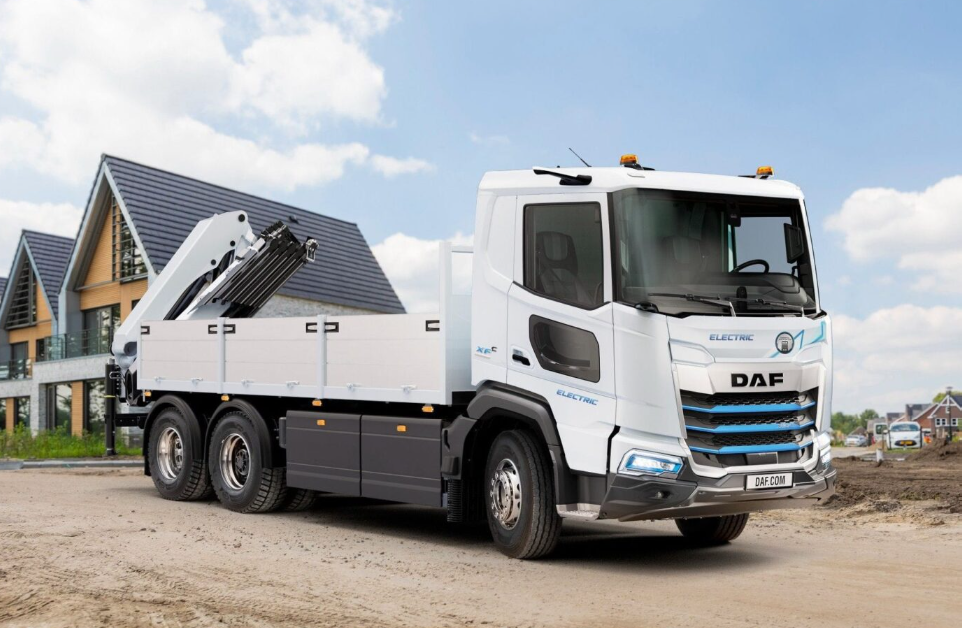
DAF is pushing electric heavy trucks beyond "long-haul tractors" into "construction and specialist applications." Its latest move to expand the BEV range is in chassis axle configurations: new 6×2 tractors and 6×2 rigids, plus 6×4 and 8×4 dual-drive rigid versions for construction and heavy-duty work.
The new axle configurations target heavy-duty distribution, frequent urban turning, tippers/demountable bodies, mixers and site transport, addressing the specific use cases where the question is whether electric trucks can replace diesel.
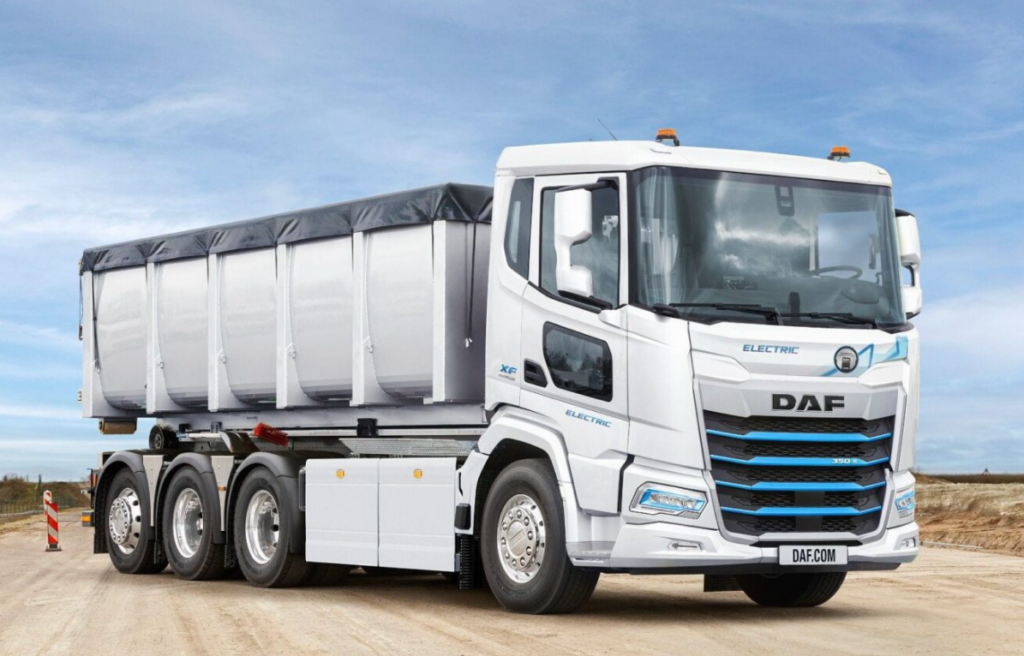
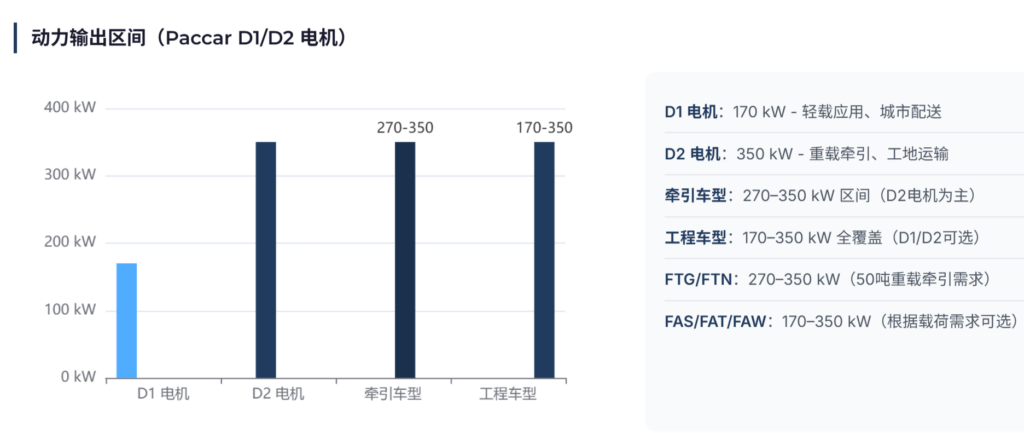
The FTG and FTN Electric are 6×2 tractors with a gross combination weight of up to 50 tonnes, suited to heavy-duty distribution and applications that need agile steering. The FAS Electric uses a 10-tonne tandem trailing axle, with a gross weight of 28 tonnes and a liftable third axle that cuts energy consumption and tyre wear when running empty. The FAT Electric is a 6×4 rigid with a 21-tonne tandem drive axle, a gross weight of 29 tonnes and power output from 170 to 350 kW. The FAW Electric is a 8×4 configuration with a gross weight of up to 37 tonnes, designed specifically for aggregate and asphalt haulage.
In an electric architecture, battery packs eat into payload and bodywork space, especially on construction vehicles. DAF uses a modular combination of 2–5 battery packs, equivalent to roughly 210–525 kWh. Top-spec versions target a range of over 500 km, with DC fast charging at 325 kW.

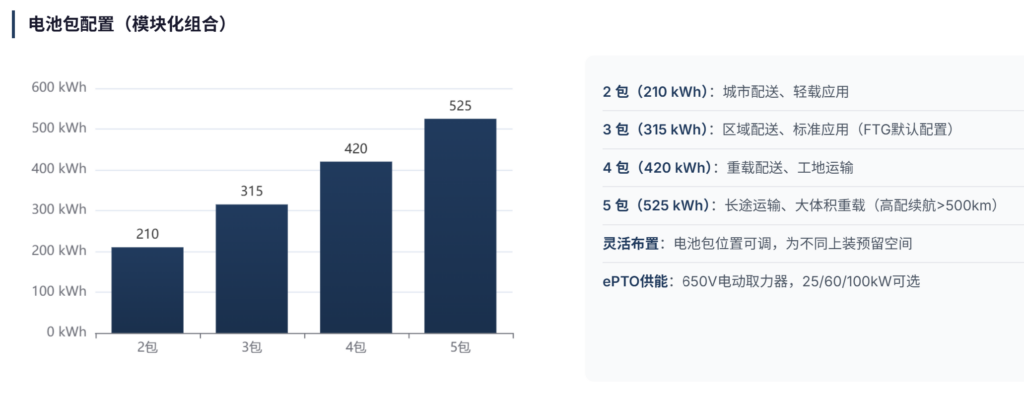


The battery packs can be positioned flexibly, leaving mounting and load-bearing space for different bodies. A 650V ePTO (25/60/100kW) is also provided to power refrigeration units, demountable bodies and other equipment, which determines whether the vehicle can really "go on site and carry a body". For bodybuilders and fleets, these "interface and engineering details" often matter more than peak power in deciding whether large-scale deployment is possible.
Heavy-duty regional distribution needs higher payload and sensible axle load distribution, making the 6×2 tractor with pusher axle the better fit. Urban and yard operations with frequent turning call for the 6×2 tractor with steered trailing axle, which prioritises manoeuvrability. Tippers and demountable bodies need the static load capacity of a third axle while balancing energy consumption and tyre wear. Construction sites and concrete mixer transport need the traction and off-road capability of 6×4 dual drive. Cranes plus demountable bodies require 8×4 dual drive with a steered trailing axle, balancing traction and manoeuvrability, with enough chassis space left for the body.
In terms of technical approach, DAF's electric trucks were developed from the outset as dedicated electric vehicles rather than converted from diesel models.
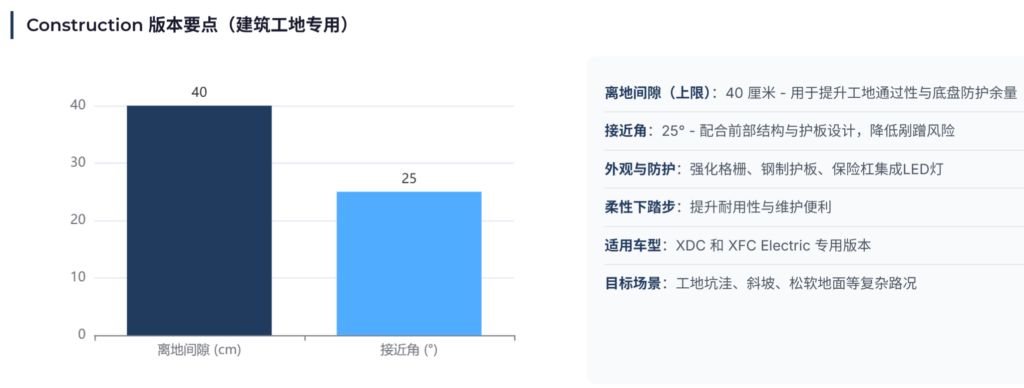
The XDC and XFC Electric are versions designed specifically for construction, with ground clearance increased to 40 cm and an approach angle of 25 degrees. This greatly improves off-road capability, allowing them to handle potholes, slopes and soft ground on construction sites with ease.
For logistics companies and construction firms, the operating cost advantages of electric trucks are clear: electricity is cheaper than diesel, maintenance costs are lower, and in many countries and regions they also benefit from tax incentives and preferential road access. With the multi-axle configurations launched this time, DAF's electric trucks can match conventional diesel trucks on both economics and practicality.