U Power wins battery-swap order in Thailand
Chinese battery-swapping technology is gaining ground fast in Southeast Asia. U Power has signed a strategic cooperation agreement with Thailand's Whale Logistics Group…
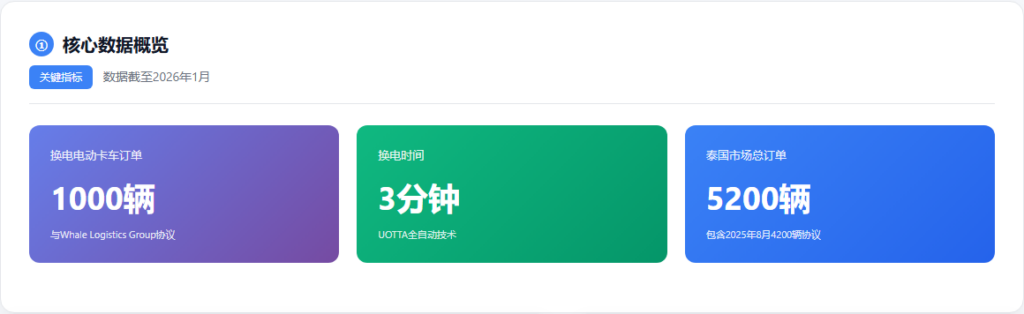
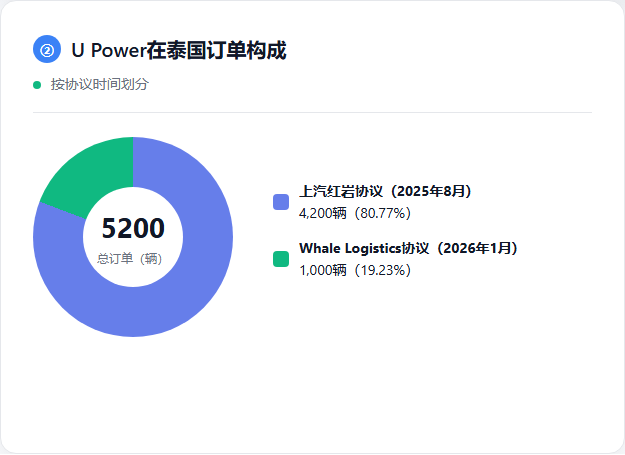
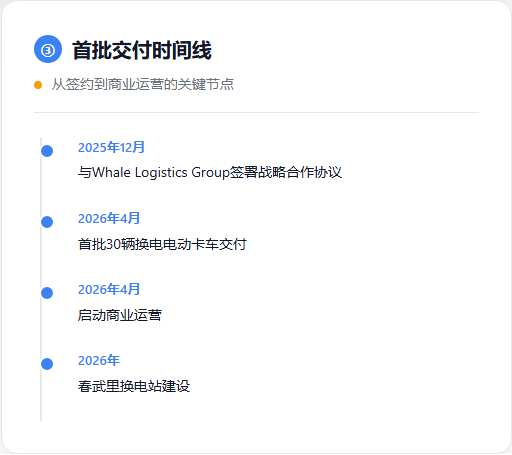
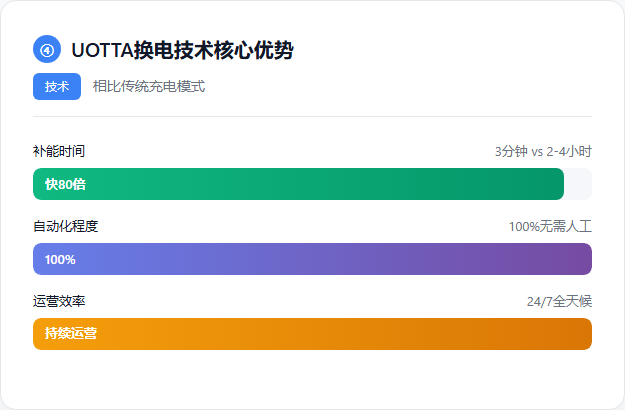
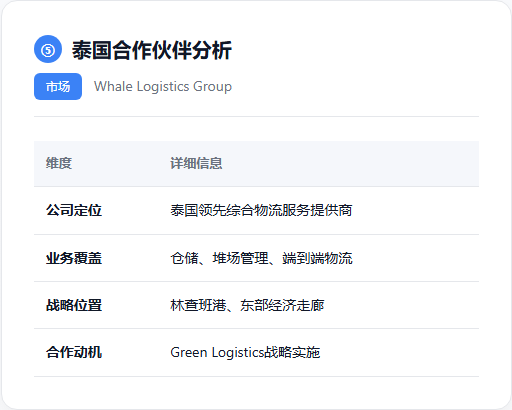
Chinese battery-swapping technology is spreading quickly in Southeast Asia. U Power has signed a strategic cooperation agreement with Thailand's Whale Logistics Group to deploy up to 1000 battery-swap electric tractor units in Thailand, with the first 30 due for delivery in Apr 2026. This follows the Aug 20254200-unit electric heavy truck agreement, and a battery swap takes just 3 minutes.
**The operational value of a 3-minute swap
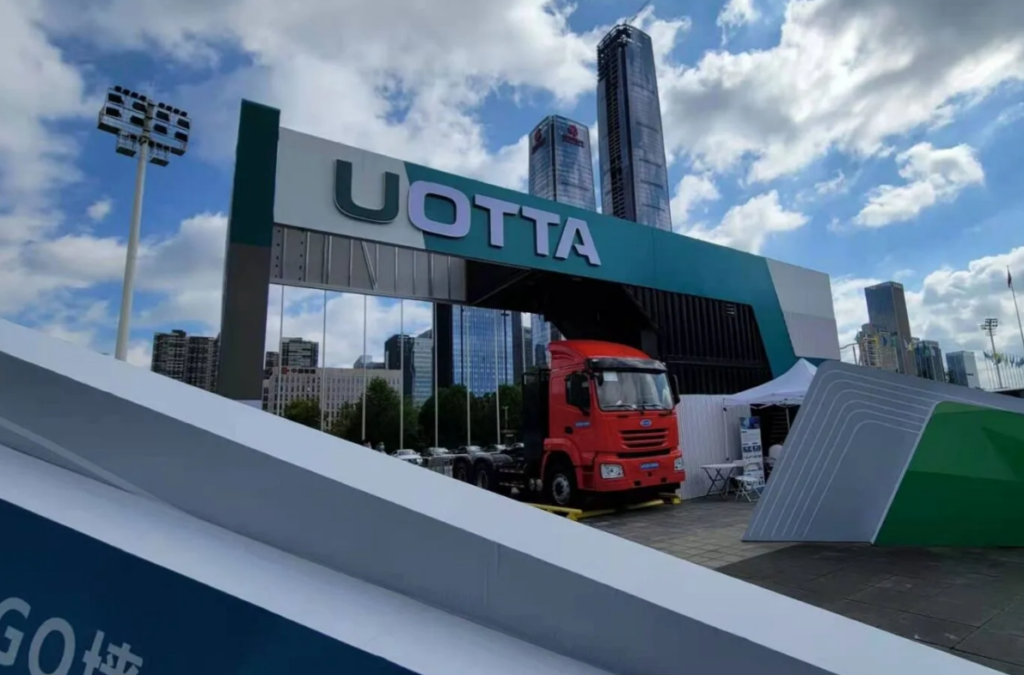
**The core challenge in electrifying commercial vehicles is the trade-off between operating time and recharging efficiency. U Power's UOTTA fully automated battery-swapping technology has been proven in Phuket, Thailand. In Jul 2025, Southeast Asia's first smart battery-swap station went into operation, completing a swap in 3 minutes and offering 24/7 round-the-clock service.
For logistics, this model takes electric trucks from "downtime for charging" back to diesel-level operating continuity. Whale Logistics Group, a leading Thai logistics company, operates at Laem Chabang port and in the Eastern Economic Corridor. Its choice of battery swapping targets the balance between time costs and electrification. In port logistics and high-frequency short-haul freight, a 3-minute swap means every cut in downtime translates directly into higher operating efficiency.
**From 4200 to 1000: replication accelerates
**In Aug 2025, U Power signed a memorandum of understanding with SAIC Hongyan and UNEX EV to deploy 4200 swap-compatible electric heavy trucks. 4 months later came a new order for 1000 units, a clear sign that Chinese companies are picking up the pace in Southeast Asia.
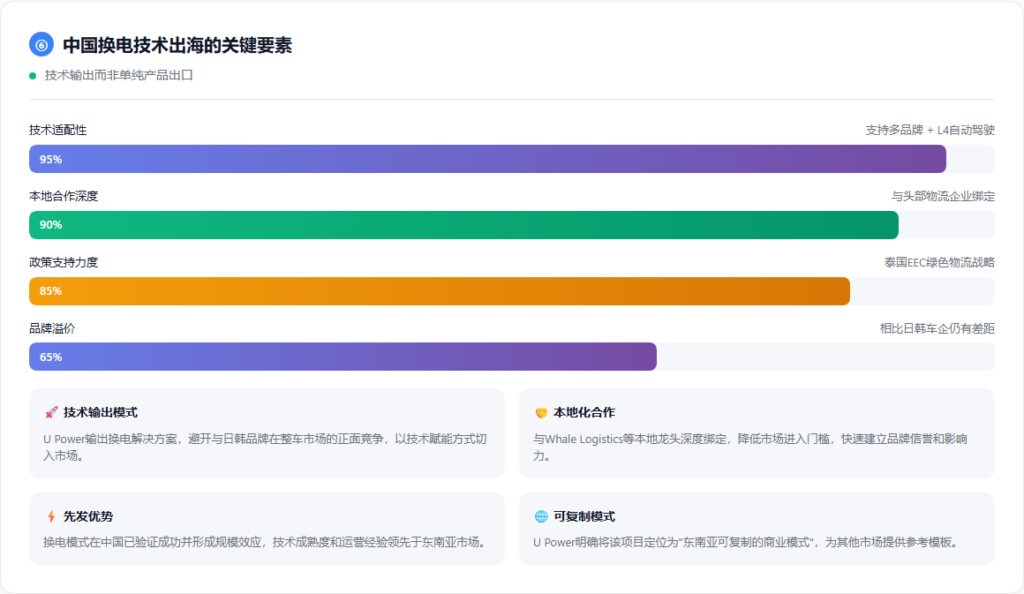
U Power has stated explicitly that the project aims to become "a replicable business model for battery-swap electric trucks in Southeast Asia". Technical adaptability (UOTTA supports multiple brands and L4 autonomous driving), local partnerships (ties with leading players such as Whale Logistics) and policy support (Thailand's backing for electrification in the Eastern Economic Corridor) form the basis for replication. Thailand is not just a single market but a testing ground and template for battery-swap electric trucks across Southeast Asia.
**Exporting technology, not just products
**U Power's case shows a new path for Chinese tech companies going global: exporting technology rather than simply exporting products, and partnering closely with local leaders. Because battery swapping has already proven itself in China, it carries a first-mover advantage.
In 2026, U Power will install additional swap stations in Chonburi to support the start of commercial operations with the first 30 trucks.
**Thailand is only the starting point
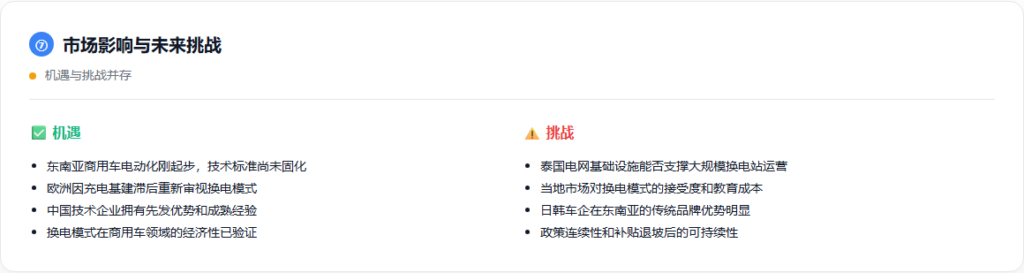
**U Power's model in Thailand cannot simply be copied to every market. Still, in regions where charging networks are immature, electric heavy trucks do not have to "wait for infrastructure". For China, projects like this are an opportunity to stake out a position early: the goal is not to grab sales volume, but to gain influence over the operating model.