Grab × GAC: 20,000-unit EV partnership
Grab has signed a strategic partnership with GAC to deploy 20000 GAC Aion EVs within two years across Indonesia, Malaysia, the Philippines, Singapore, Thailand…
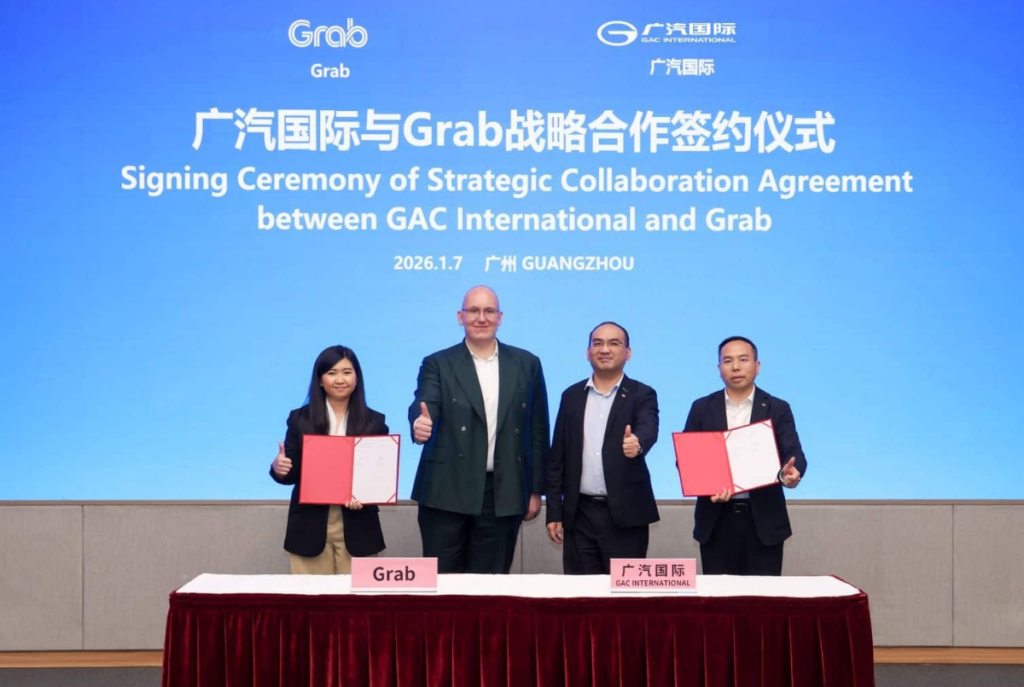
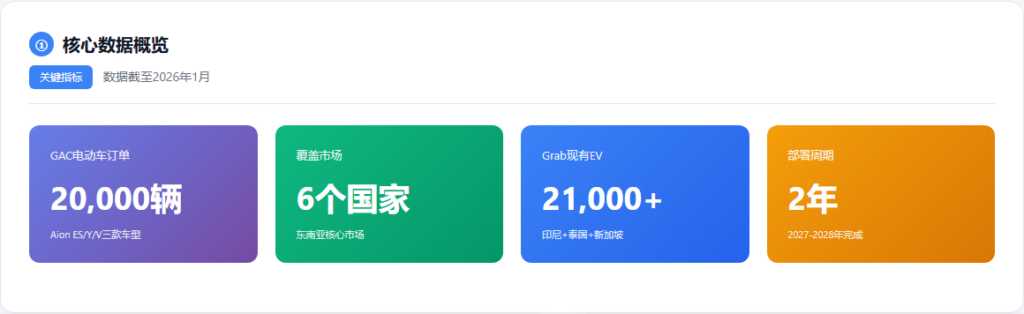
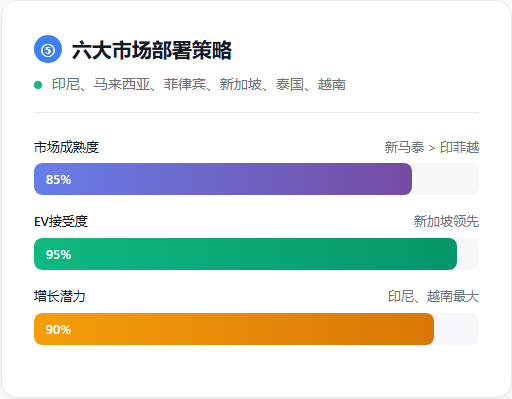
Grab has signed a strategic partnership with GAC to deploy 20000 GAC Aion electric vehicles over two years across six markets: Indonesia, Malaysia, the Philippines, Singapore, Thailand and Vietnam. It is Grab's largest single-OEM EV partnership to date.
**Platform-level collaboration
**GAC will deeply integrate the Grab driver app into the vehicles' infotainment systems, making order alerts, navigation and safety prompts native features. The vehicle is becoming a smart terminal of the platform, with the platform's dispatch logic built directly into the vehicle system. This goes beyond conventional "fleet procurement" and is closer to platform-level infrastructure collaboration.
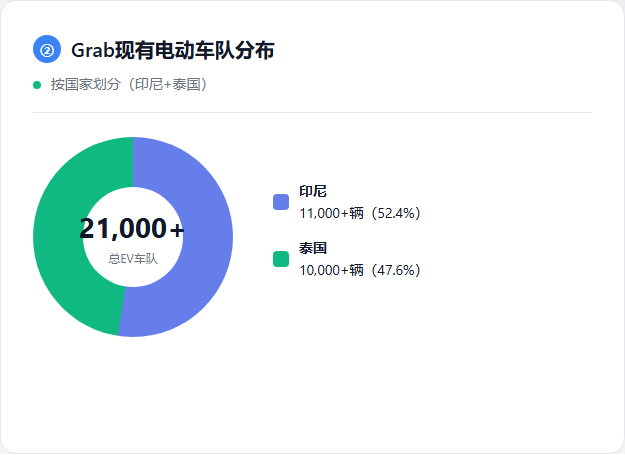
Grab currently has 11000+ EVs in Indonesia and 10000+ in Thailand, while in Singapore 100% of its fleet is already hybrid or battery-electric.
B2B demand defines the models
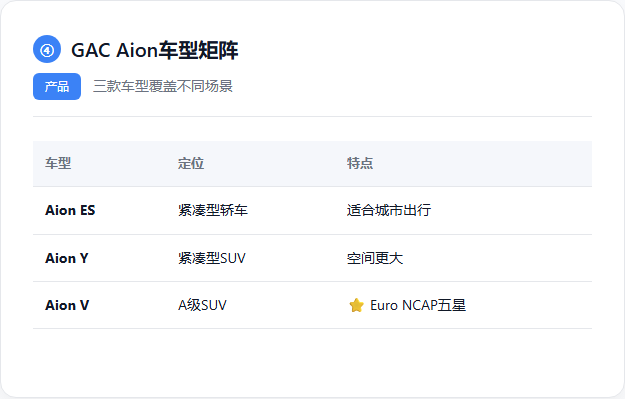
From the Aion ES compact sedan and Aion Y compact SUV to the Aion V SUV, the line-up covers high-frequency urban commuting as well as medium- and long-distance trips, clearly chosen around "ride-hailing efficiency" rather than consumer selling points. In Southeast Asia, B2B operating needs are now defining model choices.
**Financing and leasing as accelerators
**Grab is also launching financing support and leasing schemes. Lowering the entry barrier for drivers is a precondition for scaling EVs. Whether EVs take off depends not on technological maturity, but on whether the numbers work for drivers and whether they can keep up with orders.
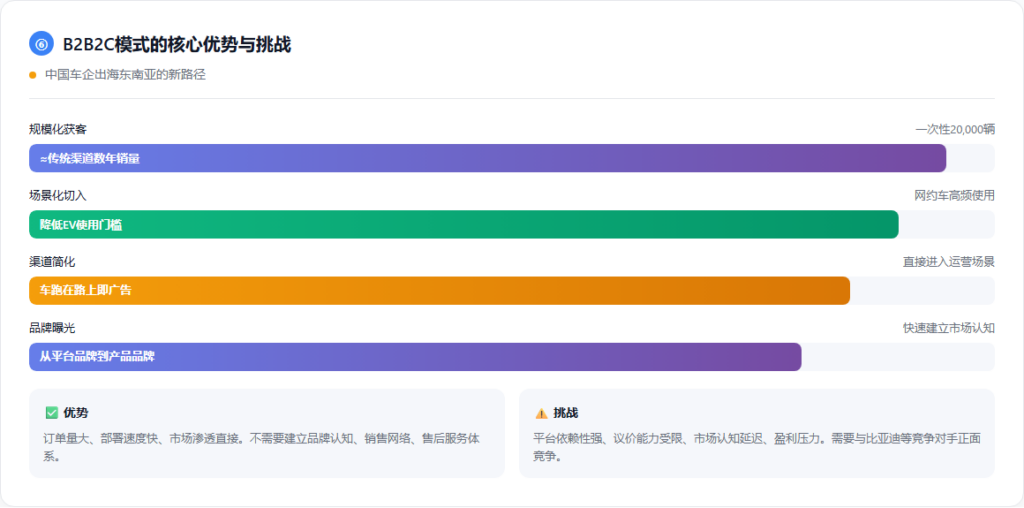
The advantages of this B2B2C model are large order volumes (20000-unit scale), fast deployment (completed within two years) and direct market penetration (every car on the street is a brand showcase). GAC does not need to build brand awareness, a sales network or an after-sales system; it goes straight into operating use cases.
**The platform as a second customer
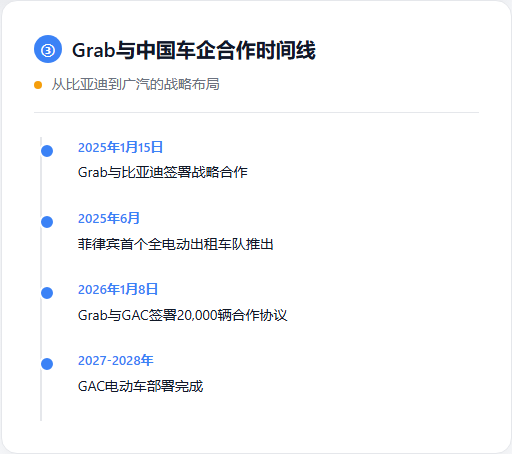
**This is not Grab's first partnership with a Chinese automaker. On Jan 15, 2025, Grab announced a strategic partnership with BYD. With partnerships with both GAC and BYD within a single year, Chinese brands' collective advantage in Southeast Asia's ride-hailing EV market is becoming clear.
Chinese OEMs are using super-apps such as Grab to establish a regional presence quickly, bypassing fragmented retail channels and going straight into high-frequency use cases. B2B platforms are becoming a fast lane for Chinese EVs going global.
**Testing a co-opetition relationship
**By working with both GAC and BYD, Grab is pursuing a multi-supplier strategy to avoid dependence on any one company. For Chinese automakers, this co-opetition is both an opportunity and a challenge. Japan's Toyota and Honda have deep roots in internal combustion vehicles, and Korea's Hyundai and Kia are also expanding actively. But Chinese automakers, leveraging their first-mover advantage in the EV supply chain, are rapidly building market presence through platform partnerships.
Southeast Asia's EV market grew by nearly 50% in 2024 and is in a phase of rapid growth. Grab is targeting carbon neutrality by 2040, and the 20000 GAC EVs are an important step in that strategy.
**A shift in who defines the product
**20000 GAC EVs, two years, six Southeast Asian markets. The significance lies not in "how many units were sold", but in the fact that whoever starts defining the vehicle, the system and the financing structure will hold the initiative in the next phase of mobility.
This route to overseas markets, using platforms as the bridge and use cases as the core, is becoming a new globalisation model for Chinese automakers.