Fuel cell heavy trucks: mass production timing hinges on hydrogen prices
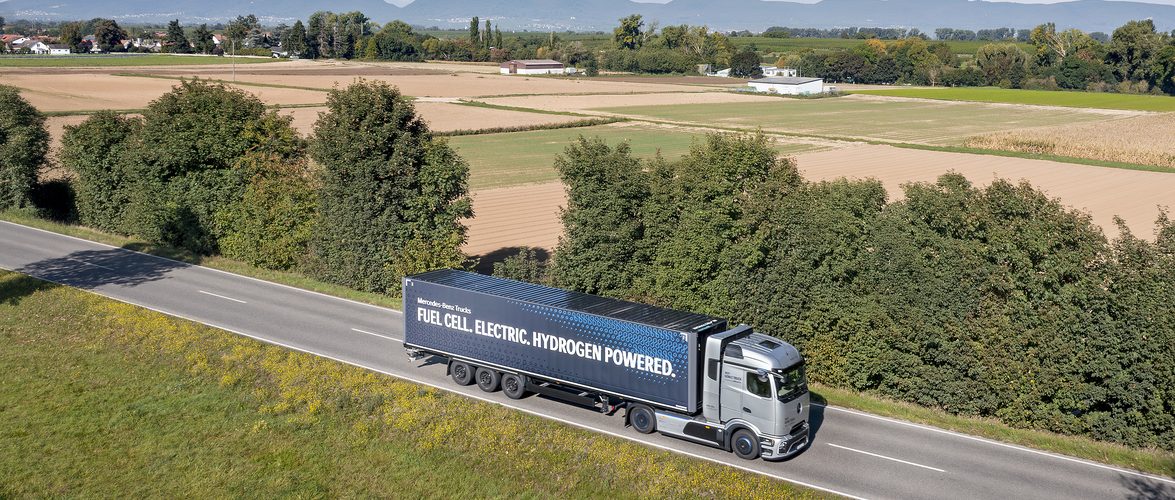
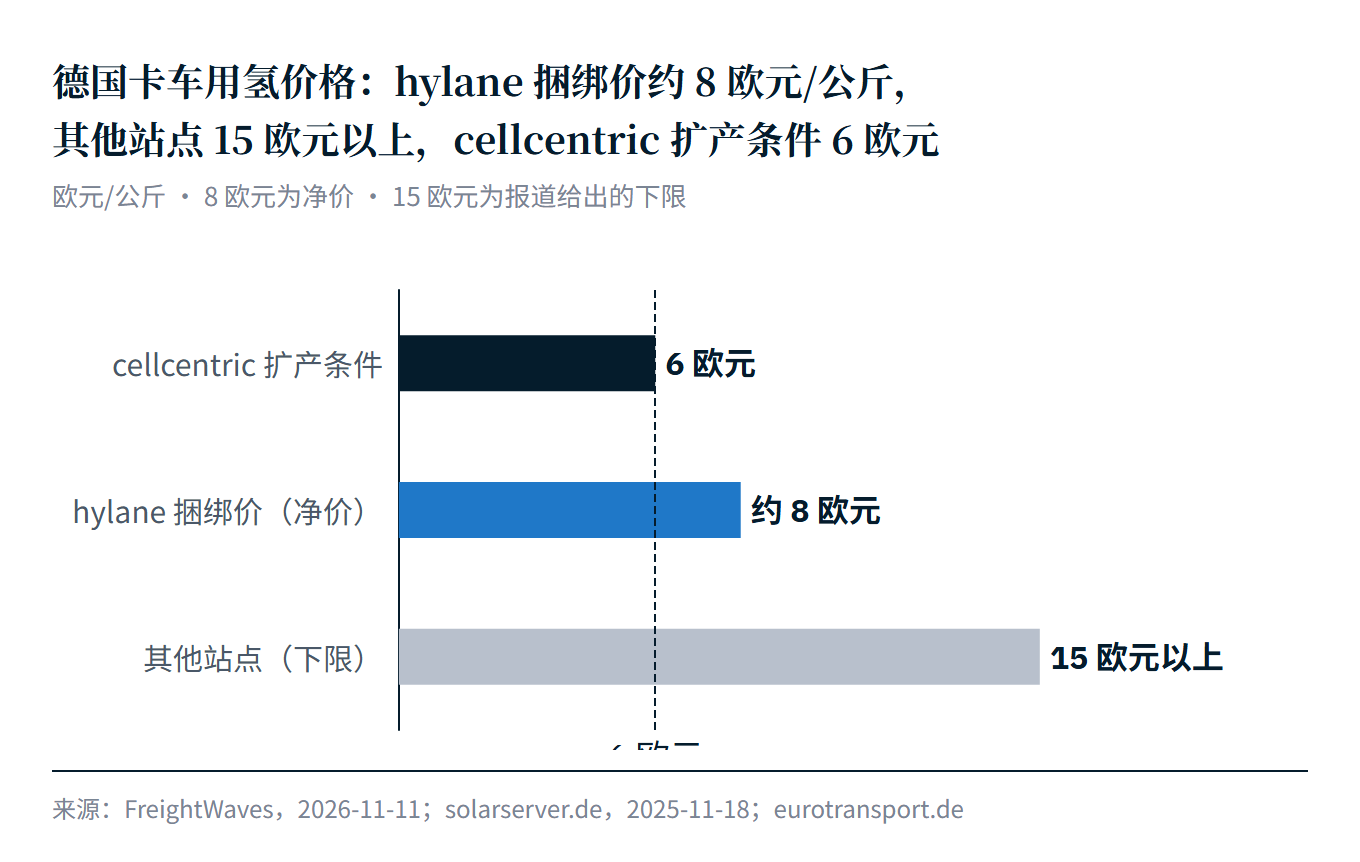
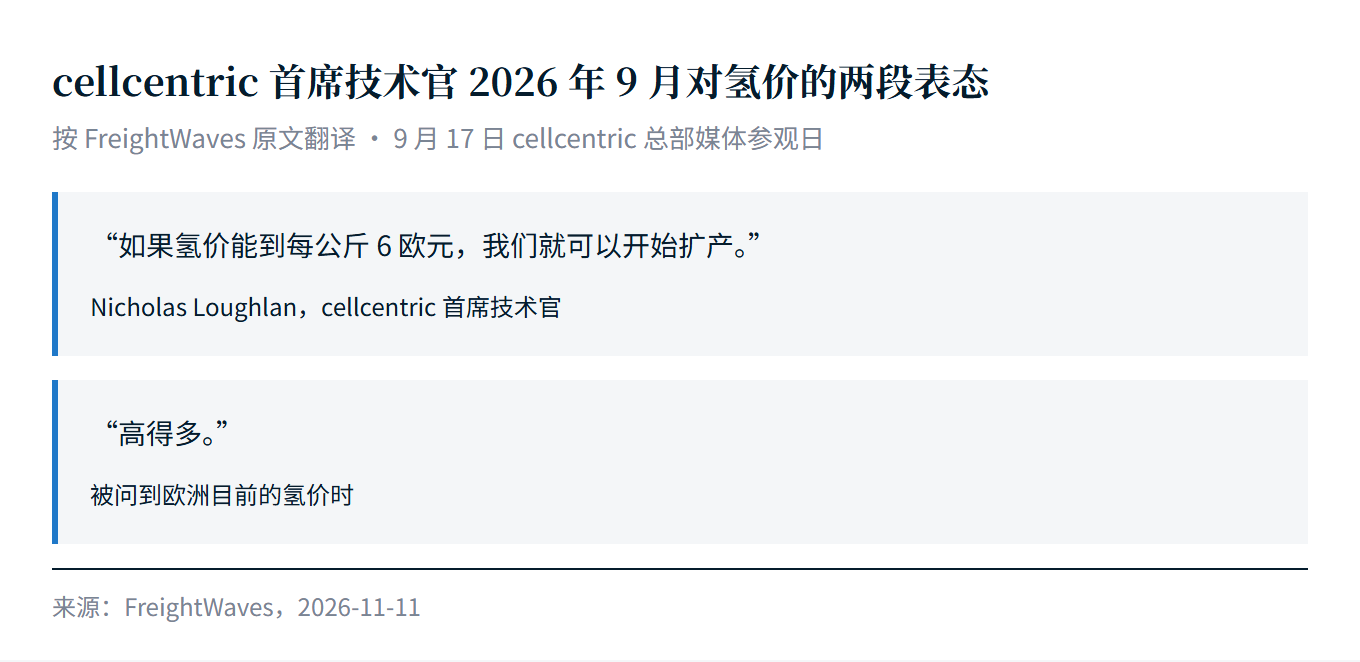
cellcentric, the fuel cell joint venture of Daimler Truck and Volvo Group, has still not started building its series production plant in Weilheim. FreightWaves reported on Nov 11 that the company's CTO said at headquarters in month 9 that it could begin scaling up production once hydrogen falls to EUR 6 per kilogram; asked about current hydrogen prices in Europe, he replied "much higher." The fuel cell system has reached the sample stage, and when construction starts in Weilheim depends first on when hydrogen prices reach that level.
Factory timeline
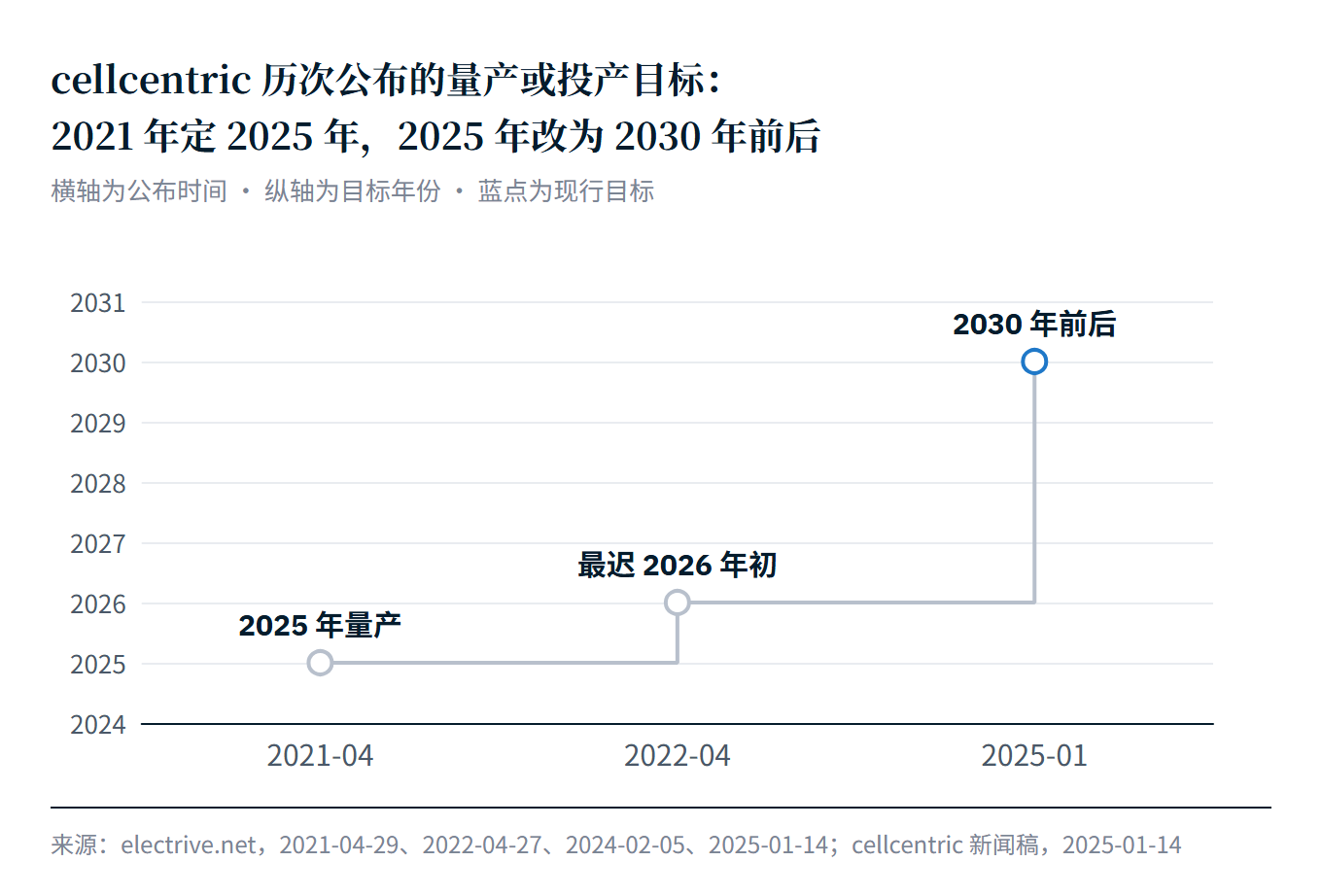
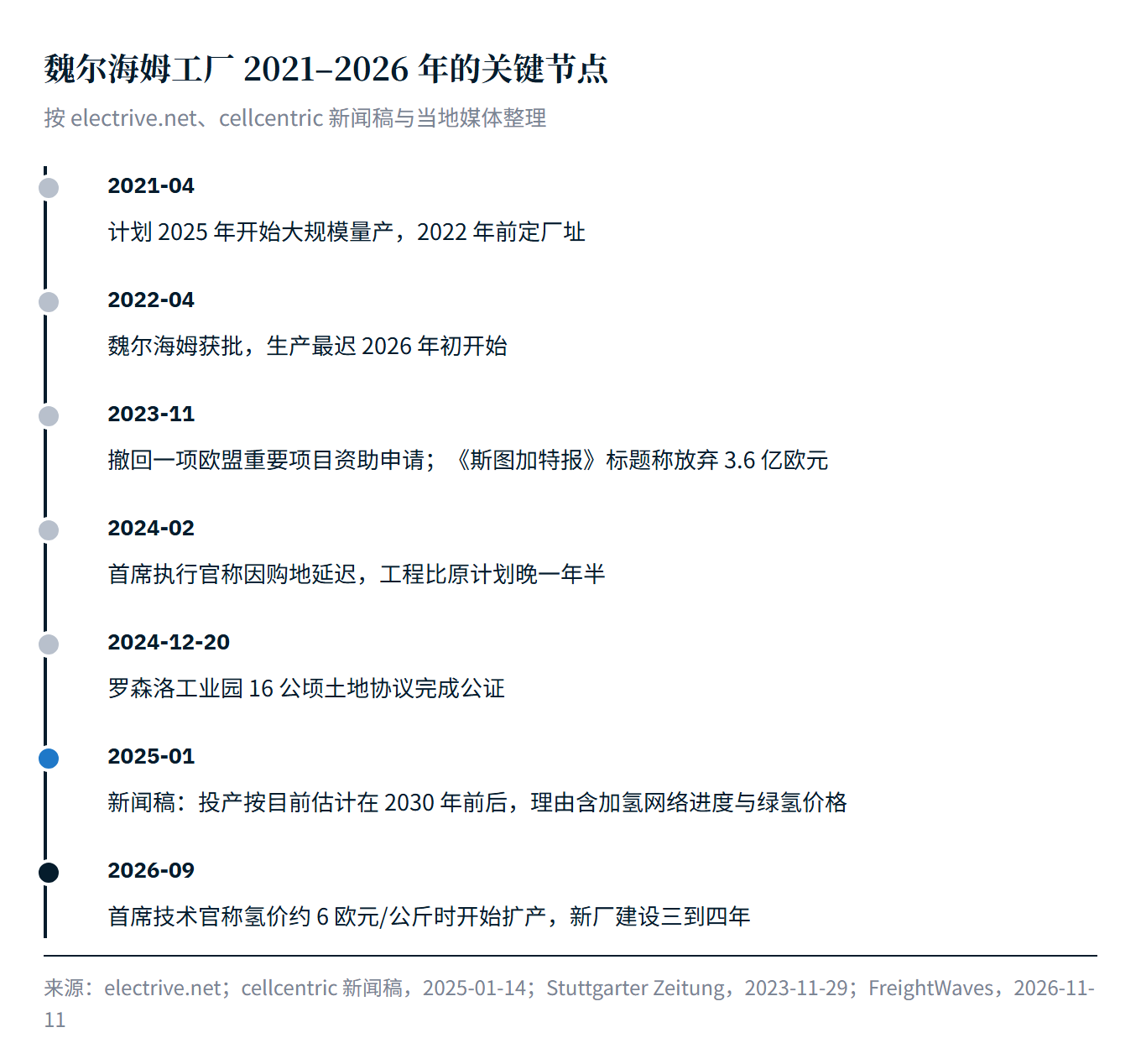
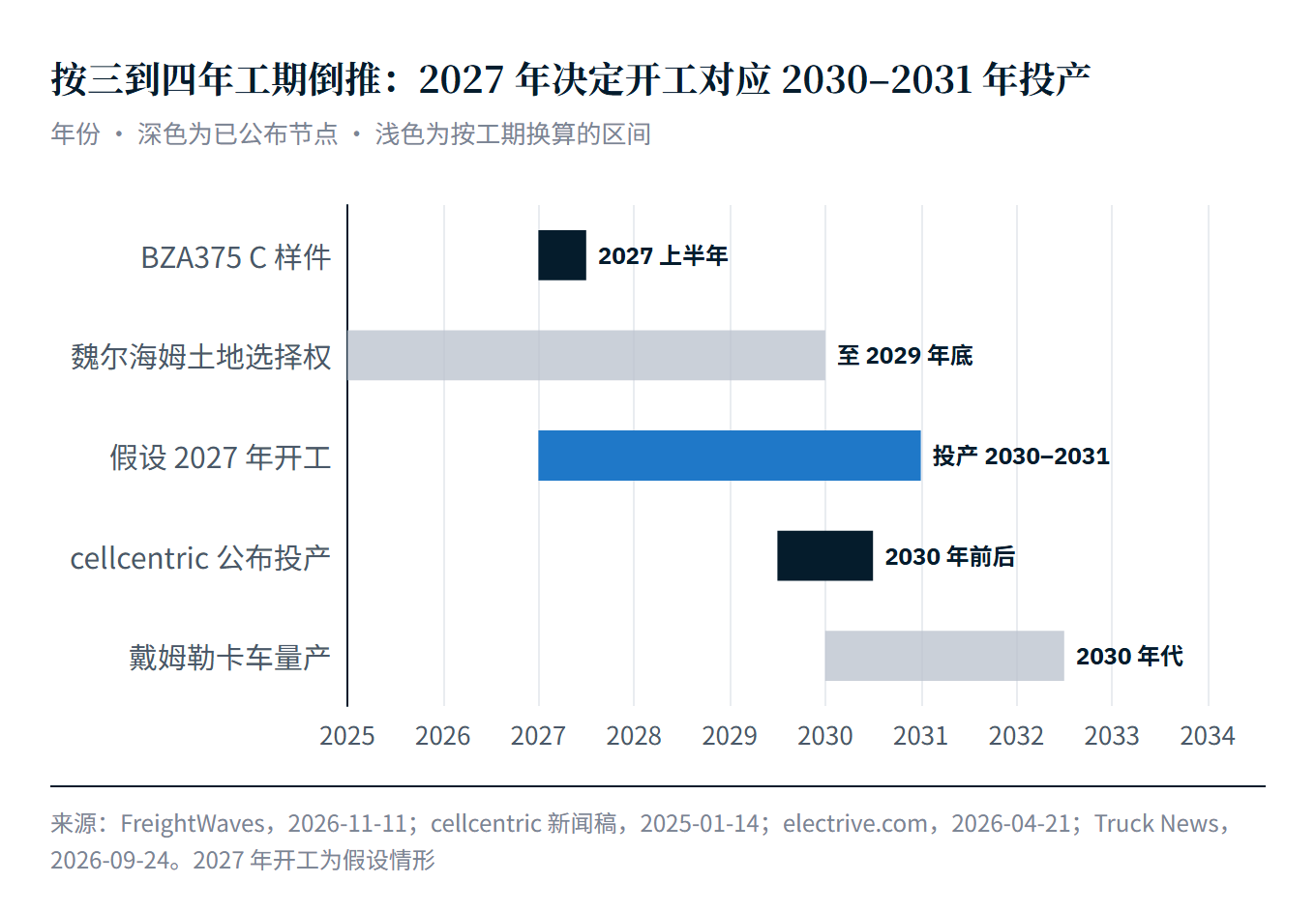
In Apr 2021, cellcentric planned to start large-scale series production in 2025. When the Weilheim site was approved in Apr 2022, the target was to begin production by early 2026 at the latest. In Feb 2024, the CEO acknowledged that delays in land acquisition had put the project 18 months behind schedule, and that the first systems would instead be supplied from the pilot plant in Esslingen. A company press release in Jan 2025 changed the start of production to "around 2030", citing not only the slow build-out of the hydrogen refuelling network but also the price of green hydrogen.
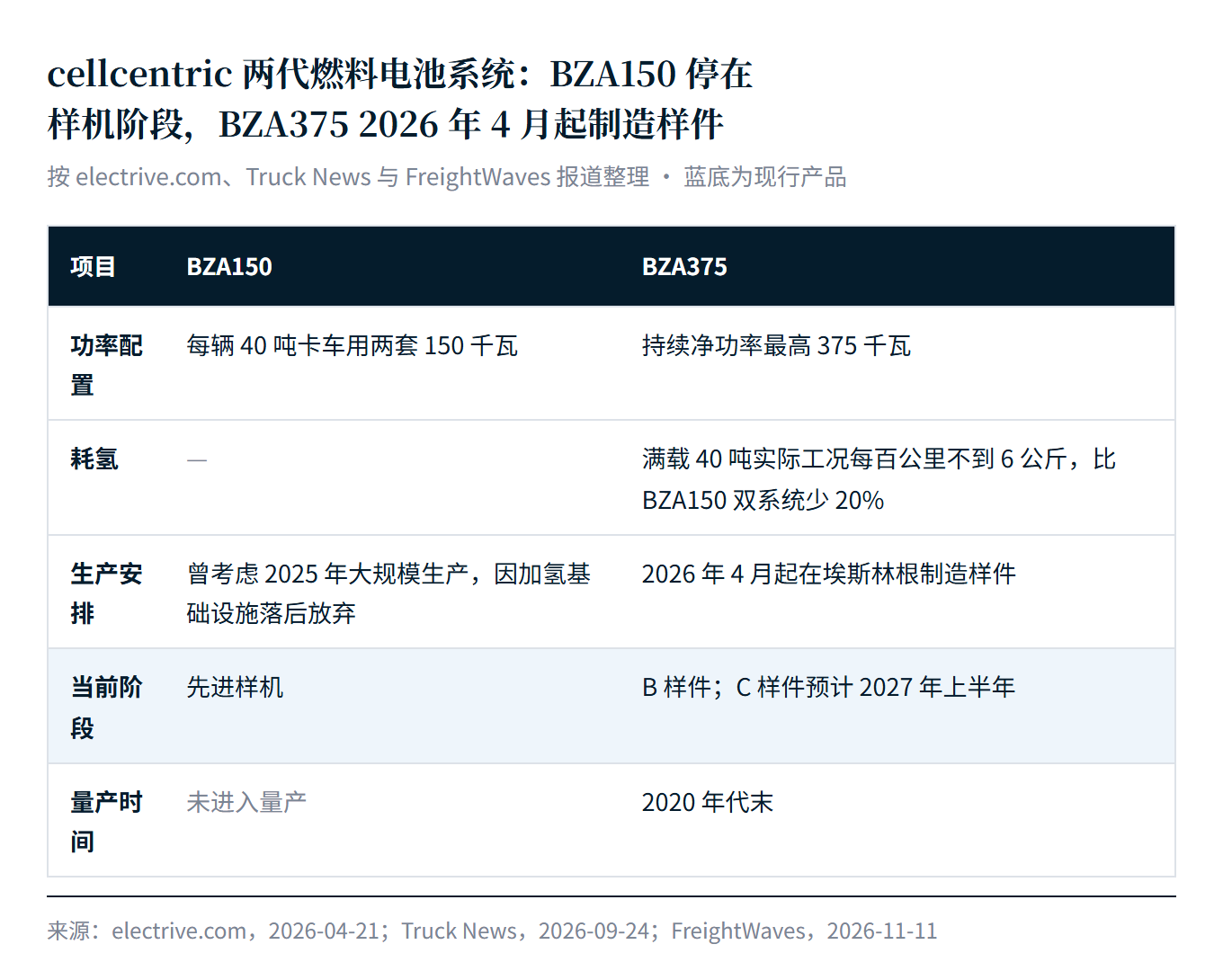
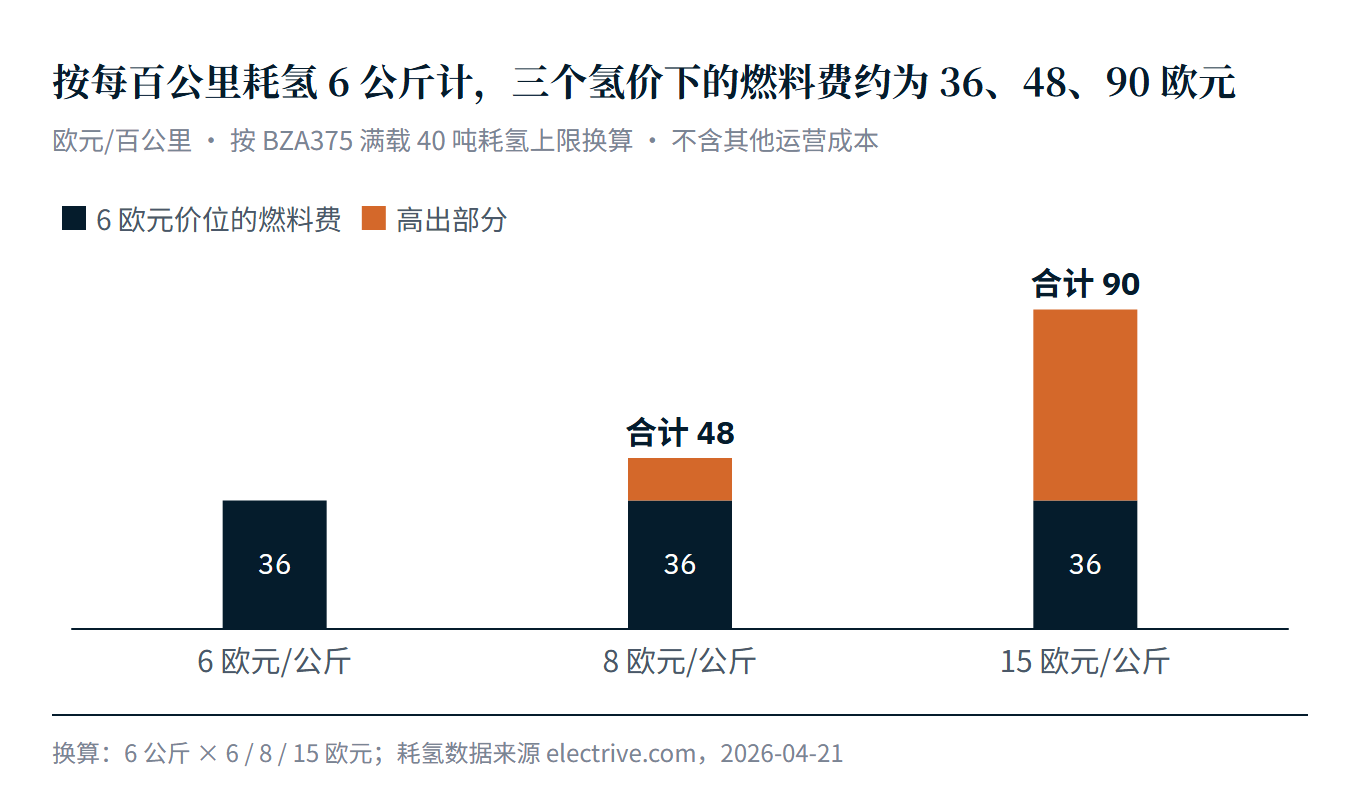
The previous-generation BZA150 was once considered for large-scale production in 2025 but was dropped because the hydrogen refuelling network lagged behind, and it never went beyond the prototype stage. The new-generation BZA375 has been built as prototypes in Esslingen since month 4 this year, with hydrogen consumption below 6 kg per 100 km for a fully laden 40-tonne truck. Start of production has slipped about 4 years from the 2022 target, and hydrogen prices have now been added to the reasons for the delay.
Hydrogen price gap
The lowest truck hydrogen price in Germany at present was negotiated between truck leasing company hylane and refuelling station operator H2 Mobility: from month 1 this year, hylane customers can refuel at selected stations in two locations, including Düsseldorf, at a net price of about EUR 8 per kg, on condition that hylane pools fleet demand and commits to sustained high-volume purchases. Other stations charge EUR 15 per kg or more.
Going from EUR 8 to EUR 6 would still require a price cut of a quarter. At the upper limit of 6 kg of hydrogen per 100 km, fuel costs per 100 km at the three price points would be roughly EUR 36, EUR 48 and EUR 90 respectively.
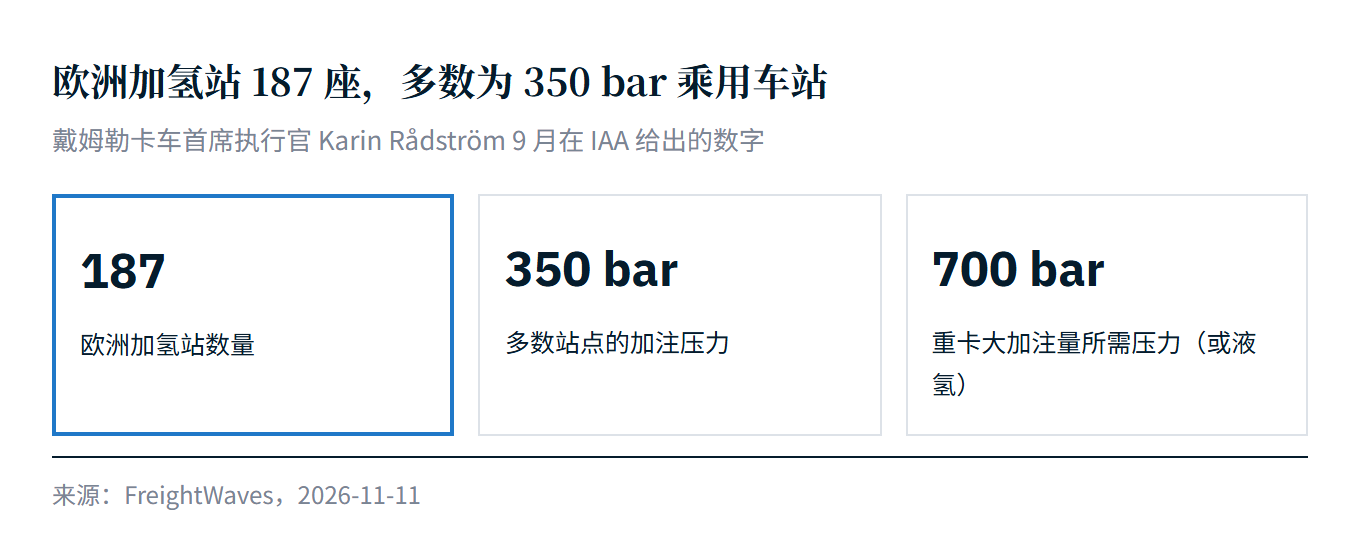
Hydrogen refuelling stations are also in short supply. Daimler Truck's CEO said at the IAA Transportation show in Hanover in 9 that most of Europe's 187 hydrogen stations operate at 350 bar and mainly serve passenger cars, with refuelling capacity unable to meet heavy truck needs. For fleets, the biggest cost gap for fuel cell heavy trucks at present is the price of hydrogen.
Working back to the production start date
A new plant typically takes three to four years to build. cellcentric holds an option on 16 hectares of land at the Rosenloh industrial park in Weilheim, valid until the end of 2029. Working back from that timeline, even a decision in 2027 would mean production starting only in 2030–2031.
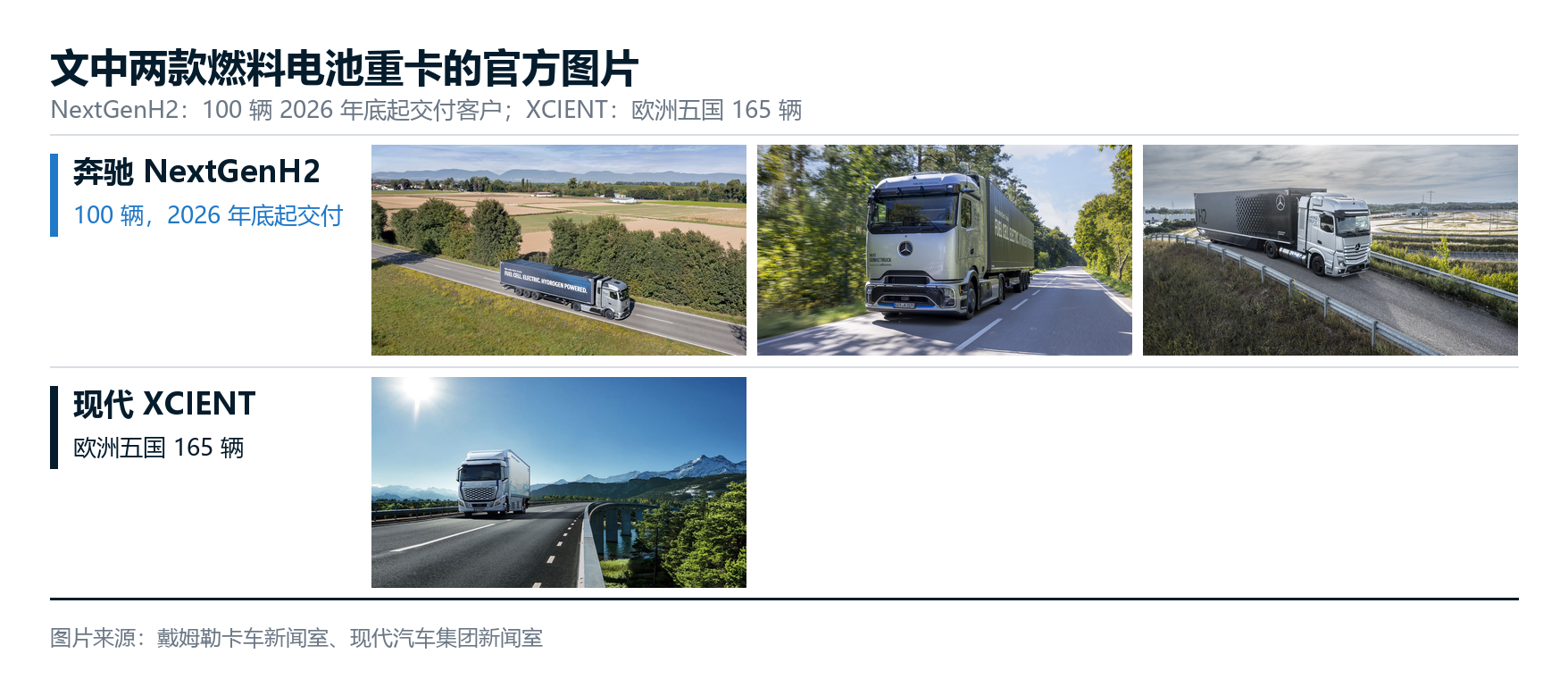
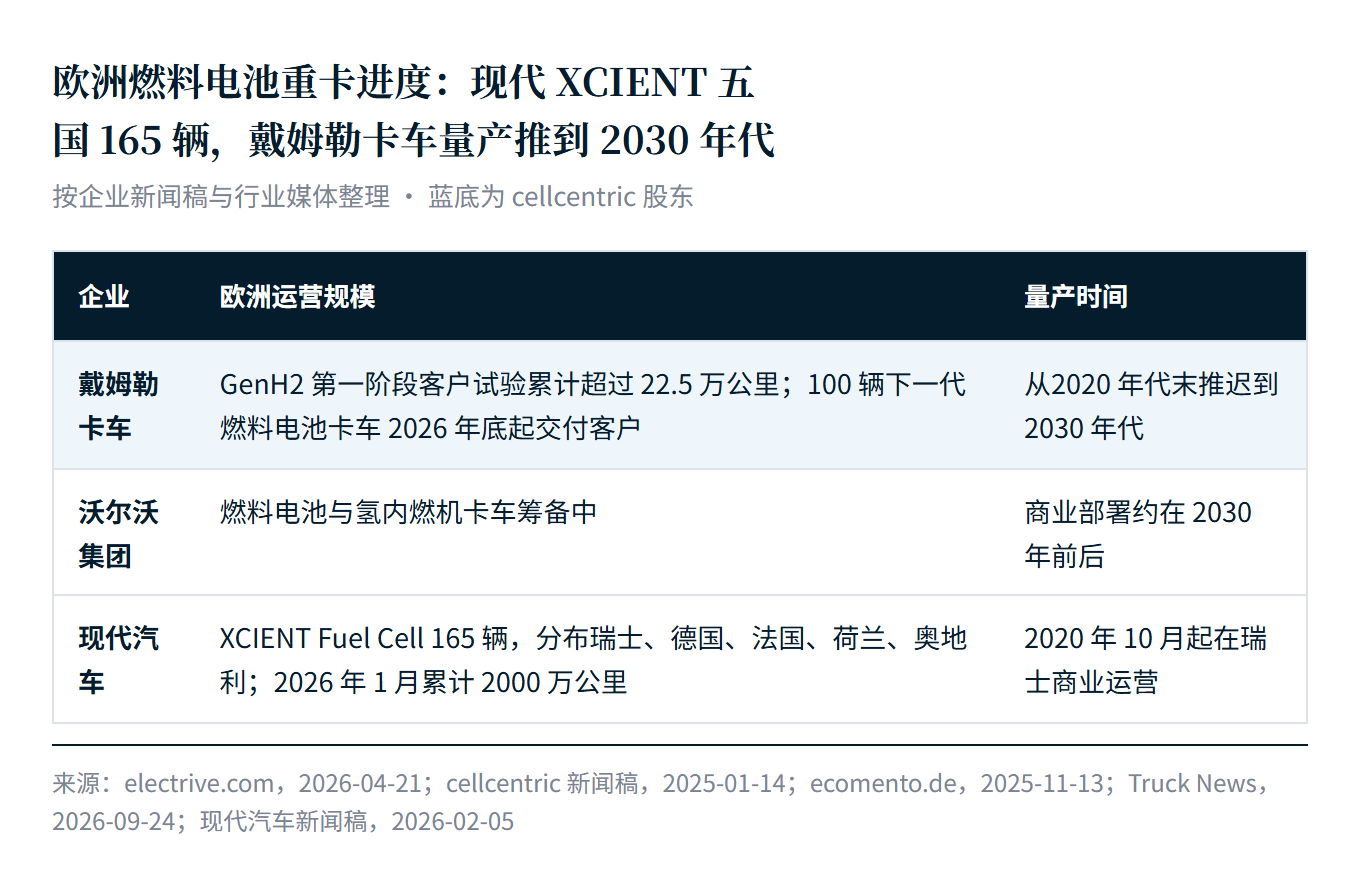
OEM timelines are consistent with this. Daimler Truck has pushed series production of fuel cell trucks back from the late 2020s to the 2030s, and from the end of this year will first deliver 100 next-generation trucks to customers. Hyundai's XCIENT Fuel Cell heavy trucks have operated in Switzerland since 2020, and there are now 165 units across five European countries.
When drawing up fleet procurement and energy supply plans before 2030, fuel cell heavy trucks are better treated as pilot models.
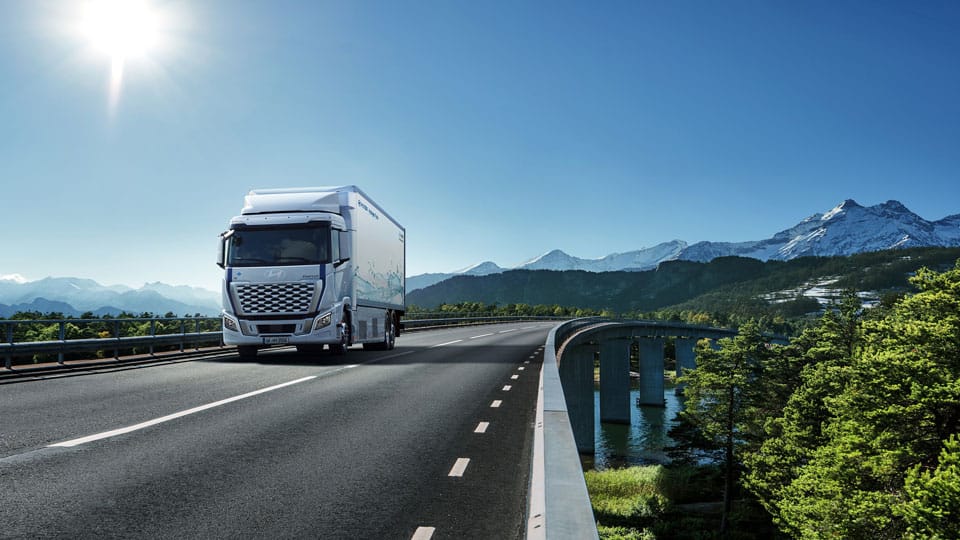
Image source: Hyundai.
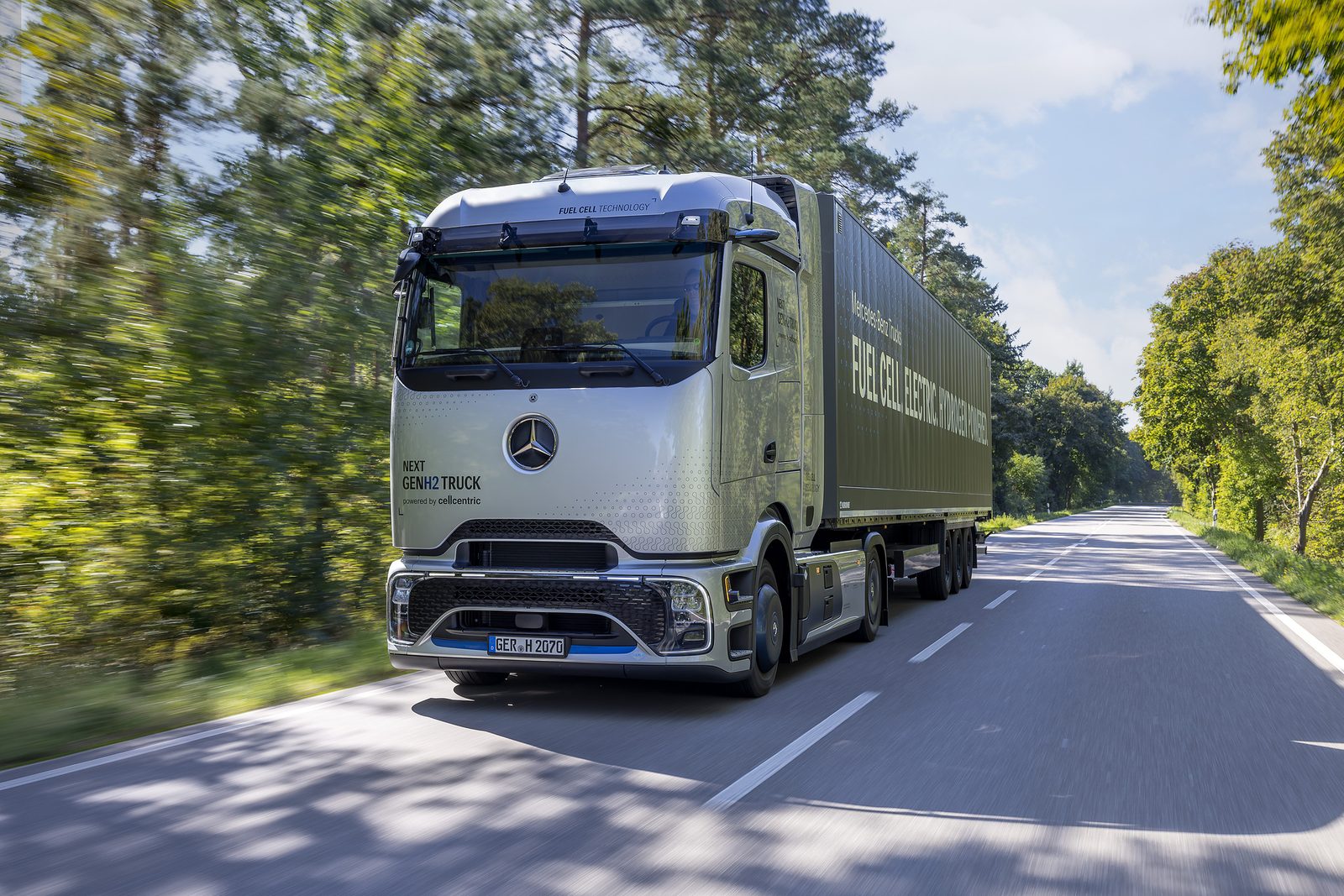
Image: Daimler Truck.
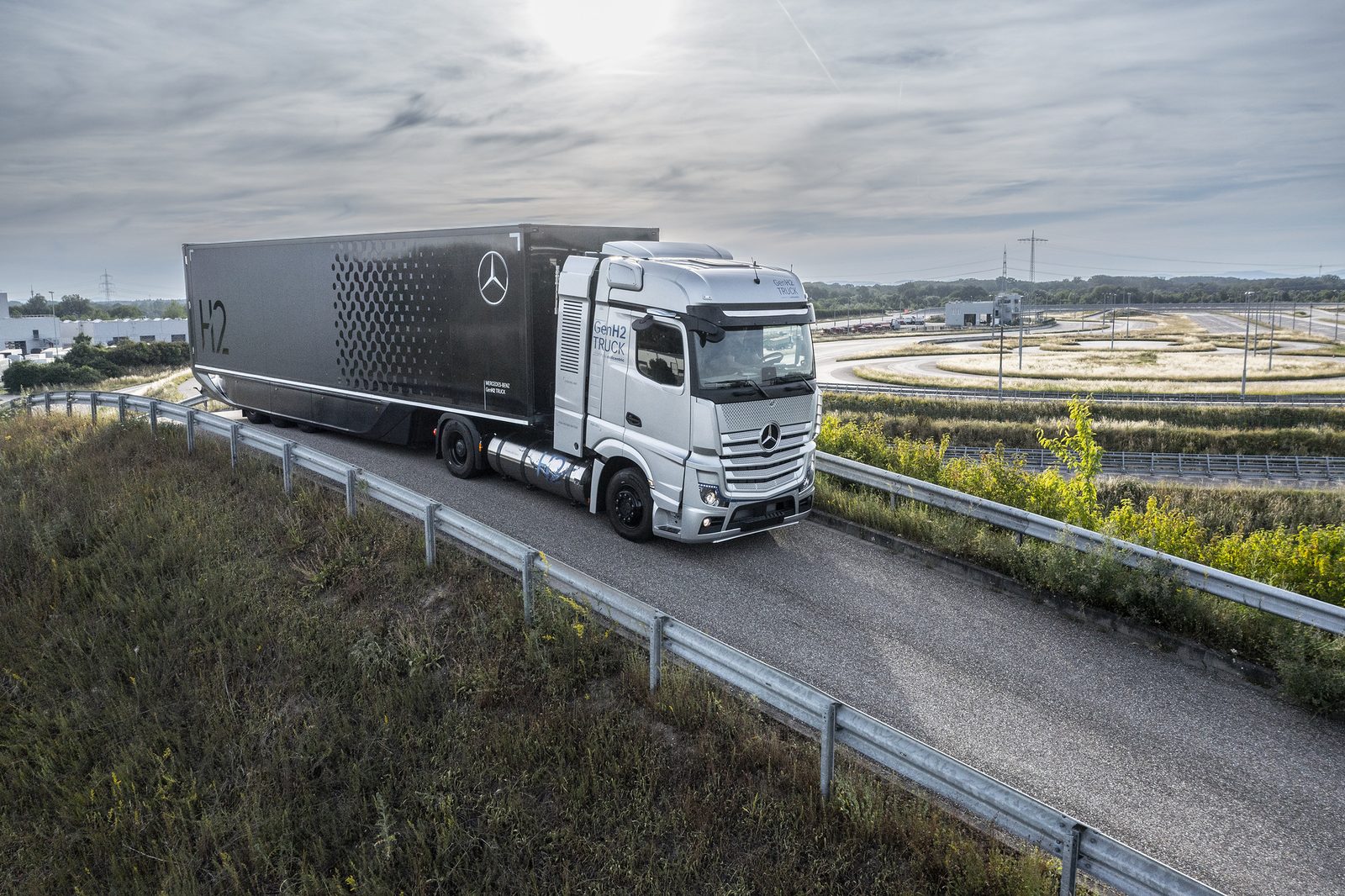
Image: Daimler Truck.
Source: Chart by AutoMusic based on the public sources listed in the article; first published on the AutoMusic WeChat account.