UK-EU EV rules of origin may be delayed again
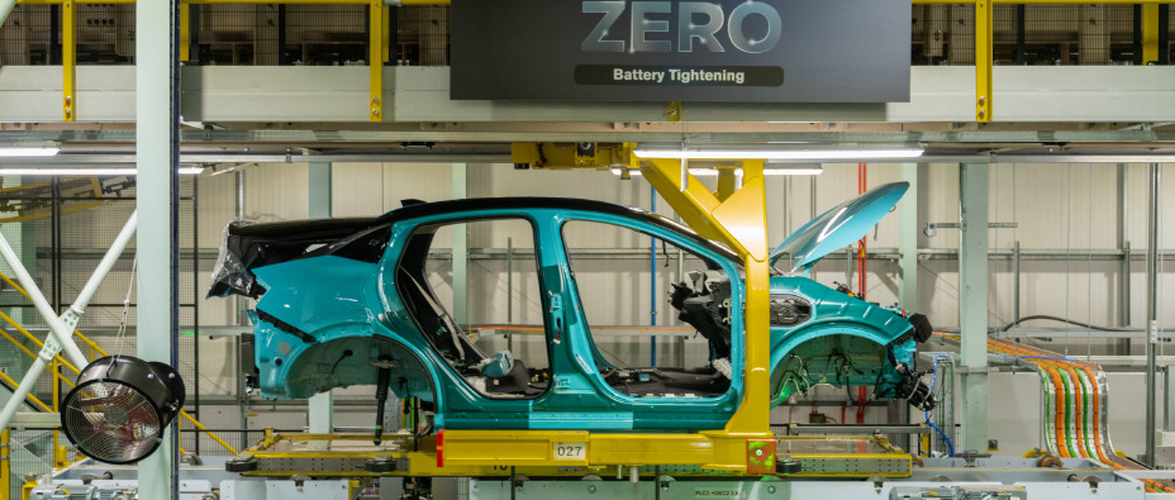
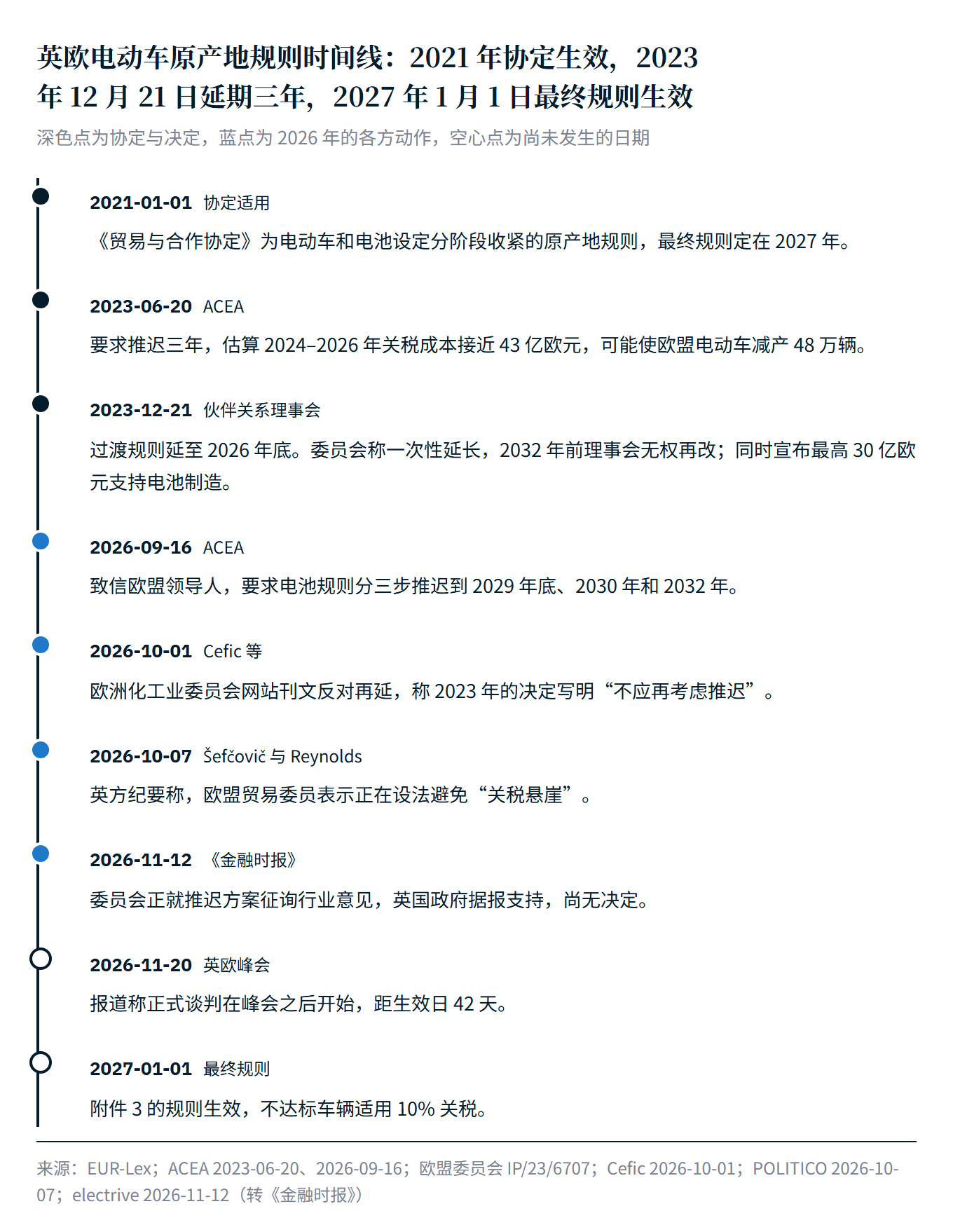
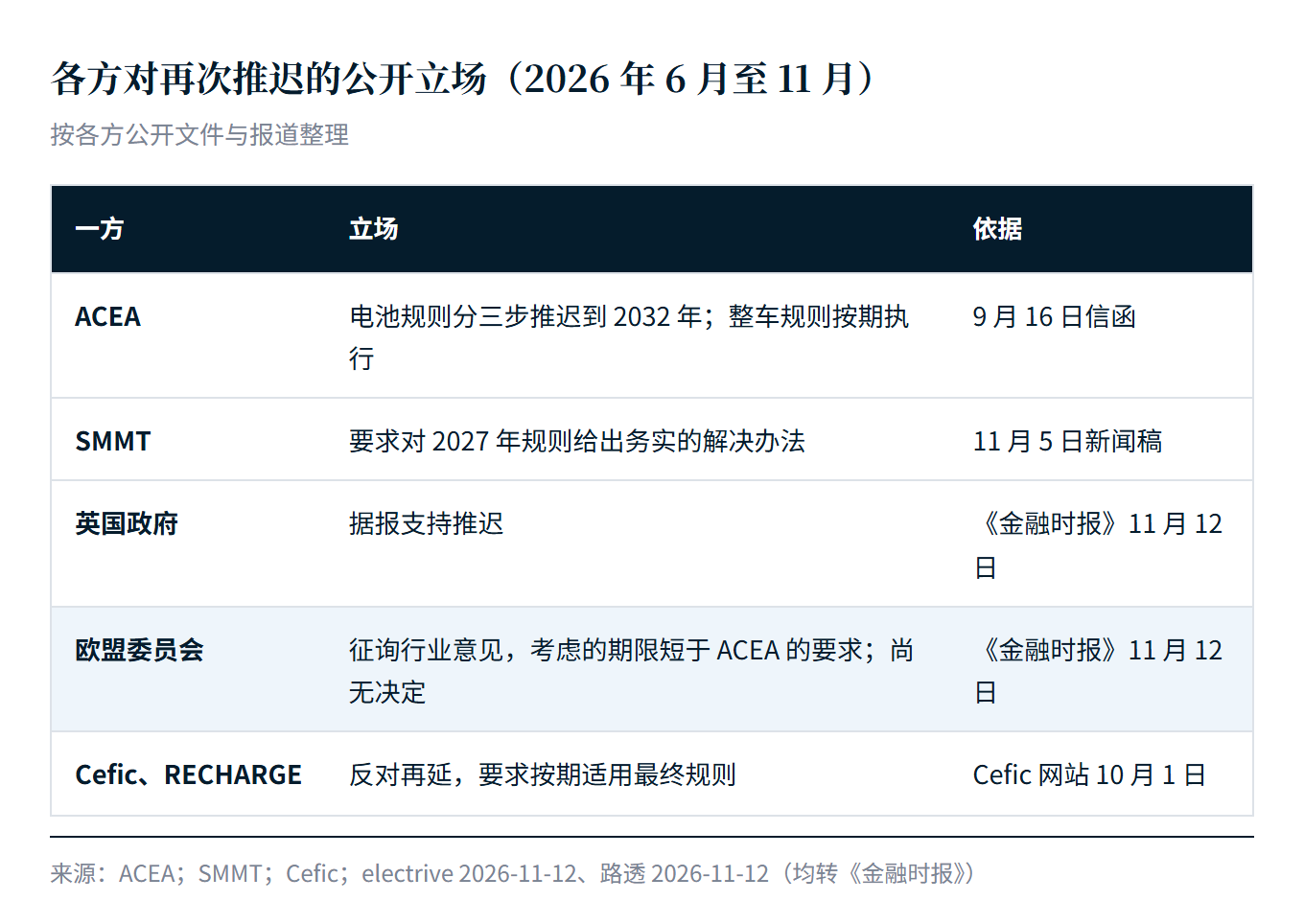
On Nov 12, the Financial Times reported that the European Commission is consulting industry on another postponement of the UK-EU rules of origin for electric vehicles, and that the UK government reportedly also supports a delay; no decision has yet been made. 50 days remain before the rules take effect on Jan 1, 2027. Without a delay, non-compliant EVs traded between the UK and the EU will face 10% tariffs; UK-built, EU-bound Nissan Leafs and Stellantis electric vans are also subject to these rules. What automakers cannot meet are the battery requirements, and how long a delay can be depends on how the EU balances automakers against battery materials suppliers.
Three rules of origin
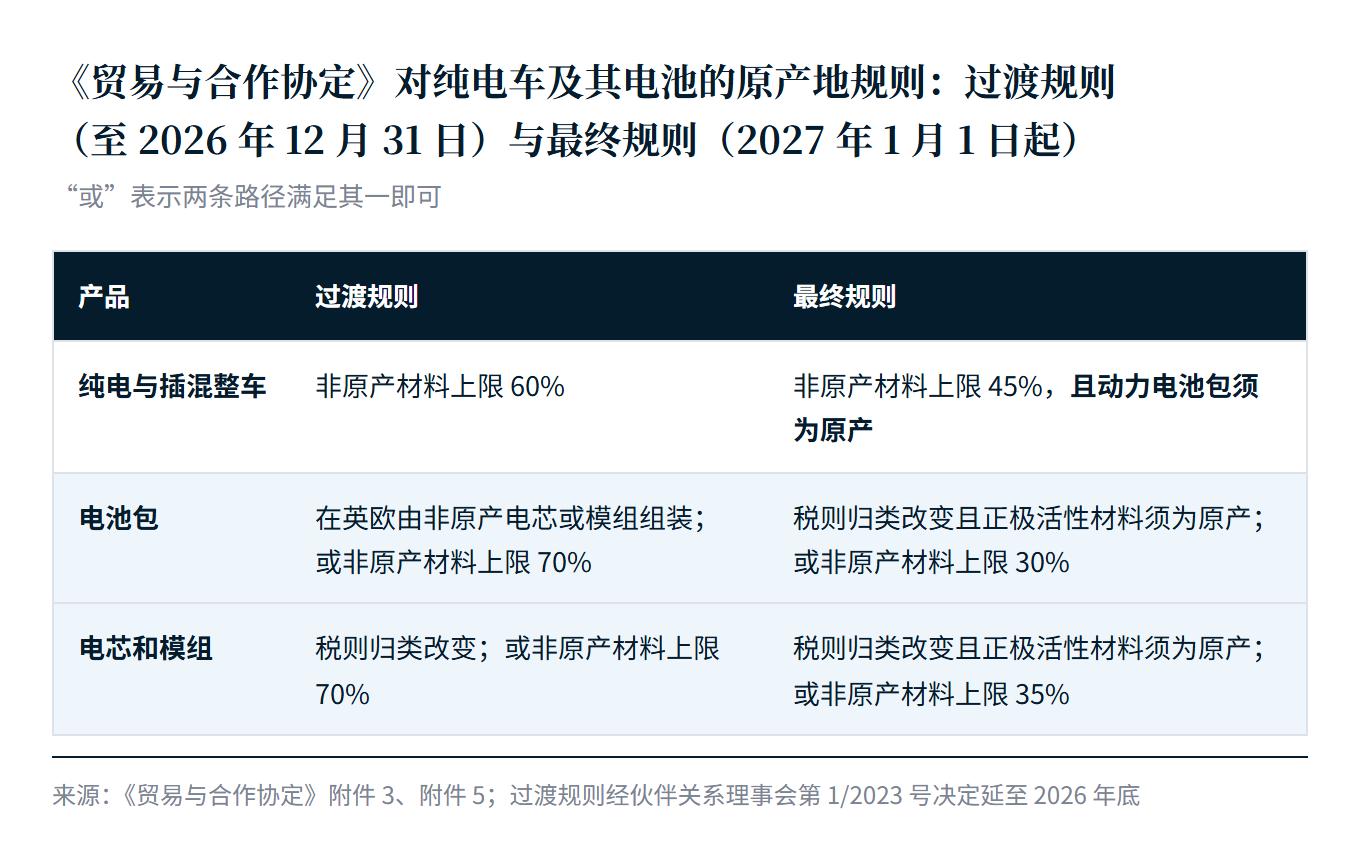
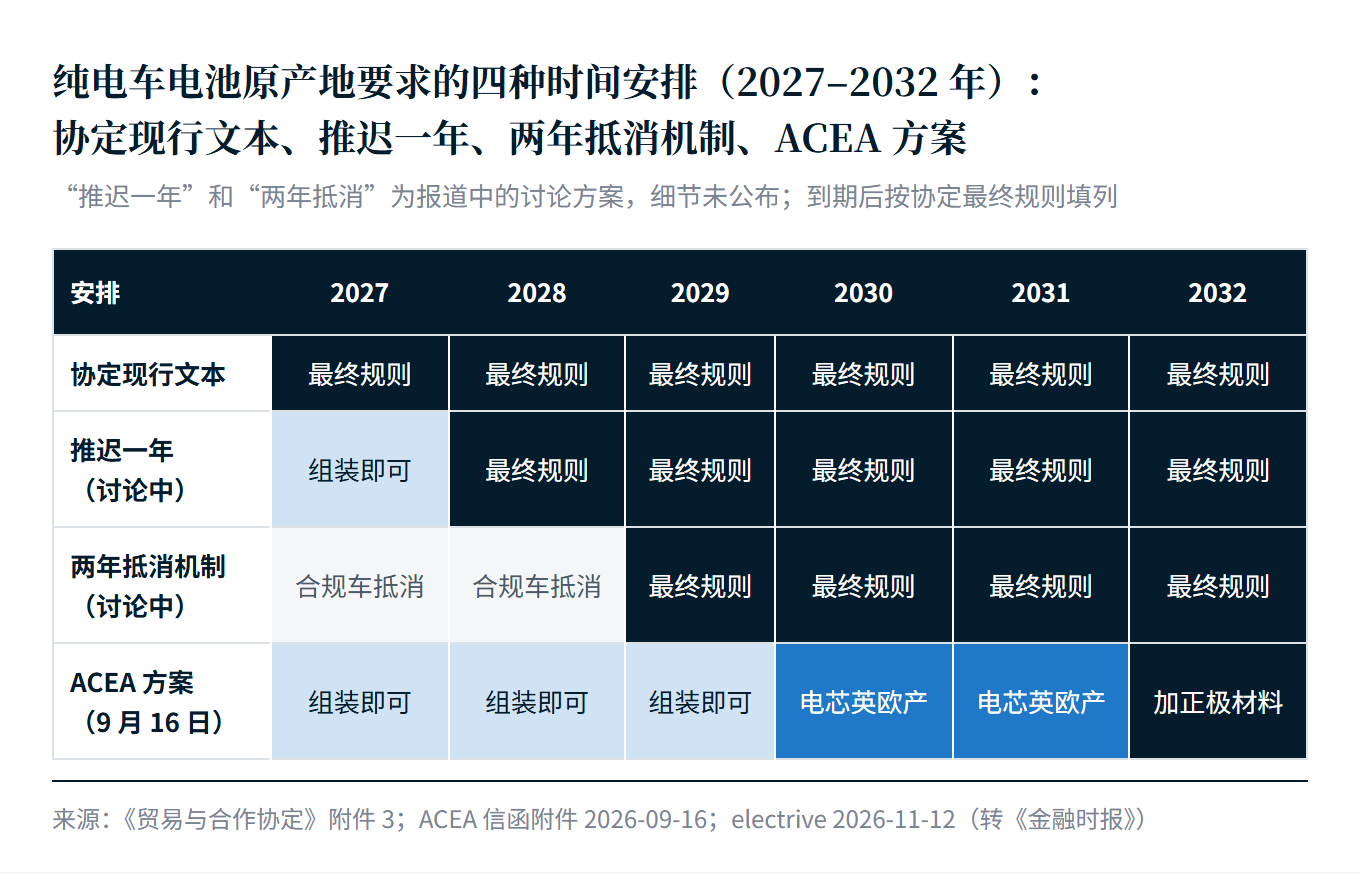
Under the UK–EU Trade and Cooperation Agreement, from 2027 electric vehicles qualify for zero tariffs only if at least 55% of the vehicle's value comes from the EU or UK, and the battery pack itself must also be of UK/EU origin: either the cells are made in the UK or EU and the cathode active material also meets origin requirements, or the pack reaches 70% local value with cells and modules at 65%. The current transitional rules are much looser: a battery pack assembled in the UK or EU counts as originating. In a letter to EU leaders in Sep 16, the European Automobile Manufacturers' Association (ACEA) said its members have consistently met the 55% whole-vehicle requirement and are not seeking an extension there; what they cannot meet is the battery requirement. Vehicles that comply at whole-vehicle level but whose battery packs do not qualify as originating will still face a 10% tariff from month 1.
80% of exports non-compliant
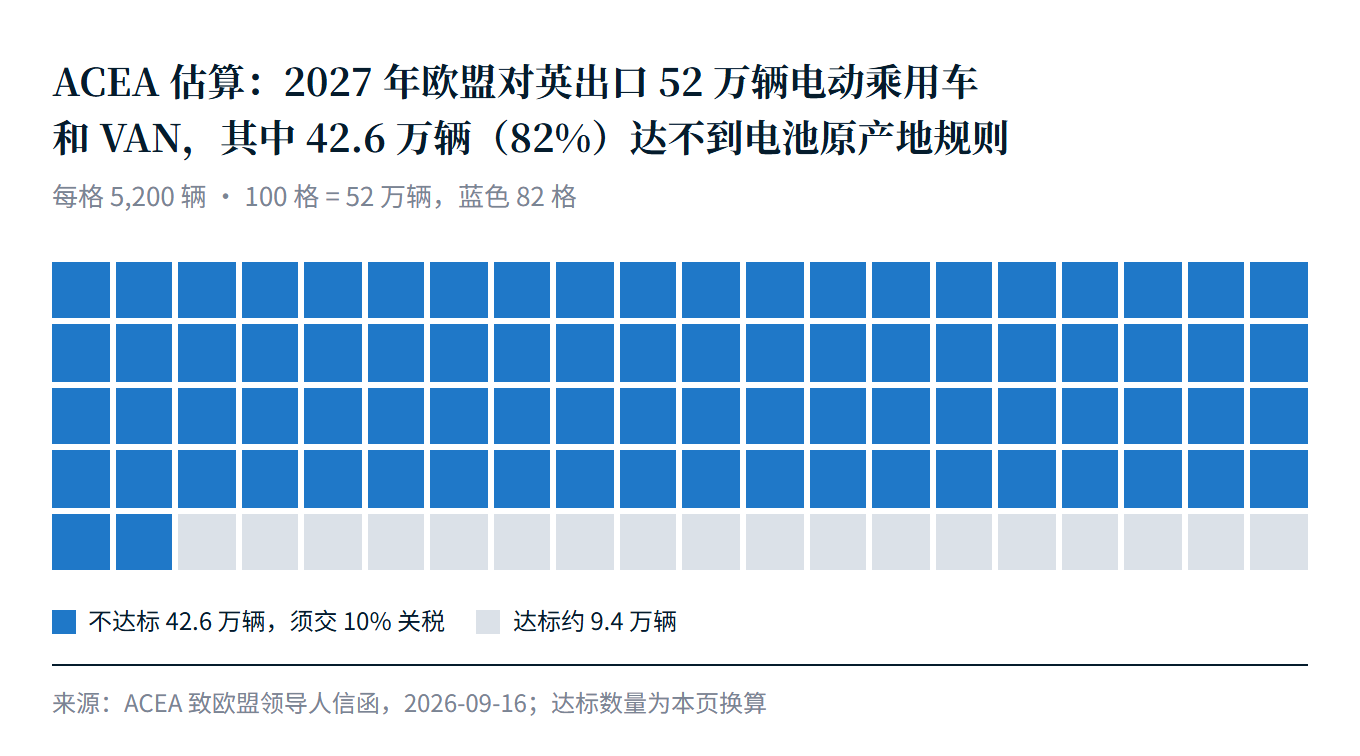
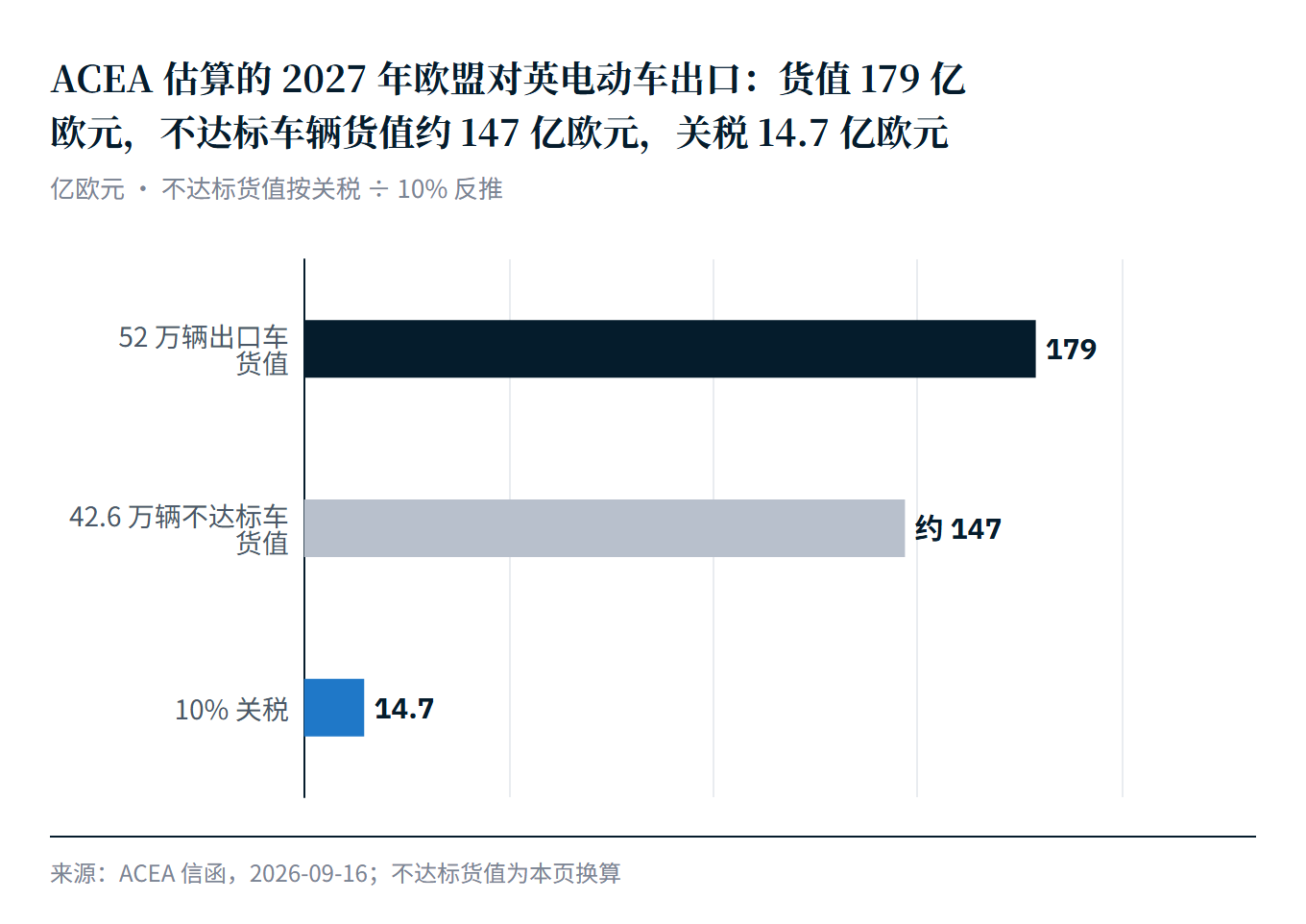
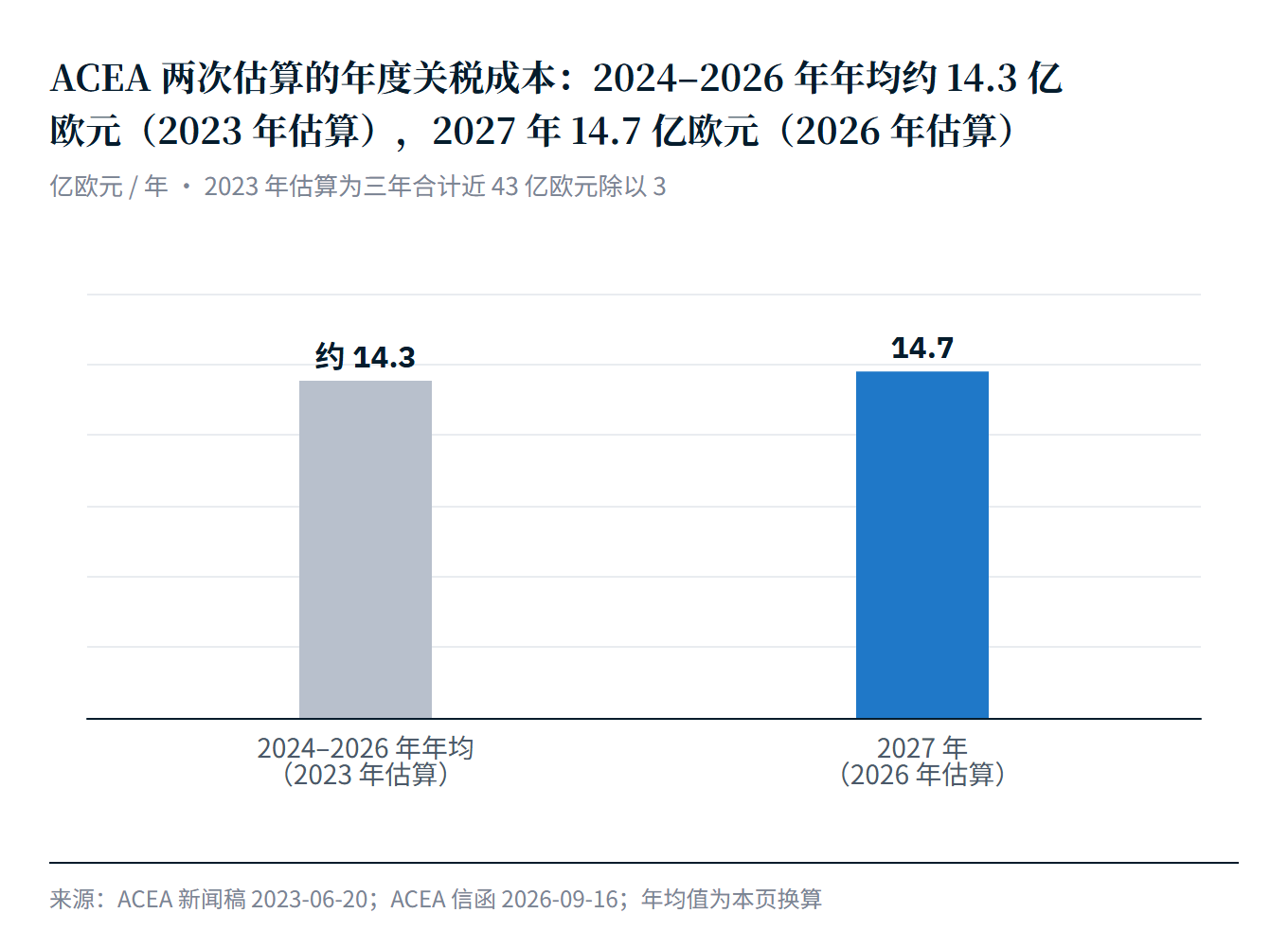
In its letter, ACEA projected that the EU will export 520,000 electric passenger cars and vans to the UK in 2027, of which 426,000, or 82%, will fail to meet the battery rules; tariffs in 2027 alone would reach EUR 1.47 billion, or about EUR 3,450 per non-compliant vehicle on average.
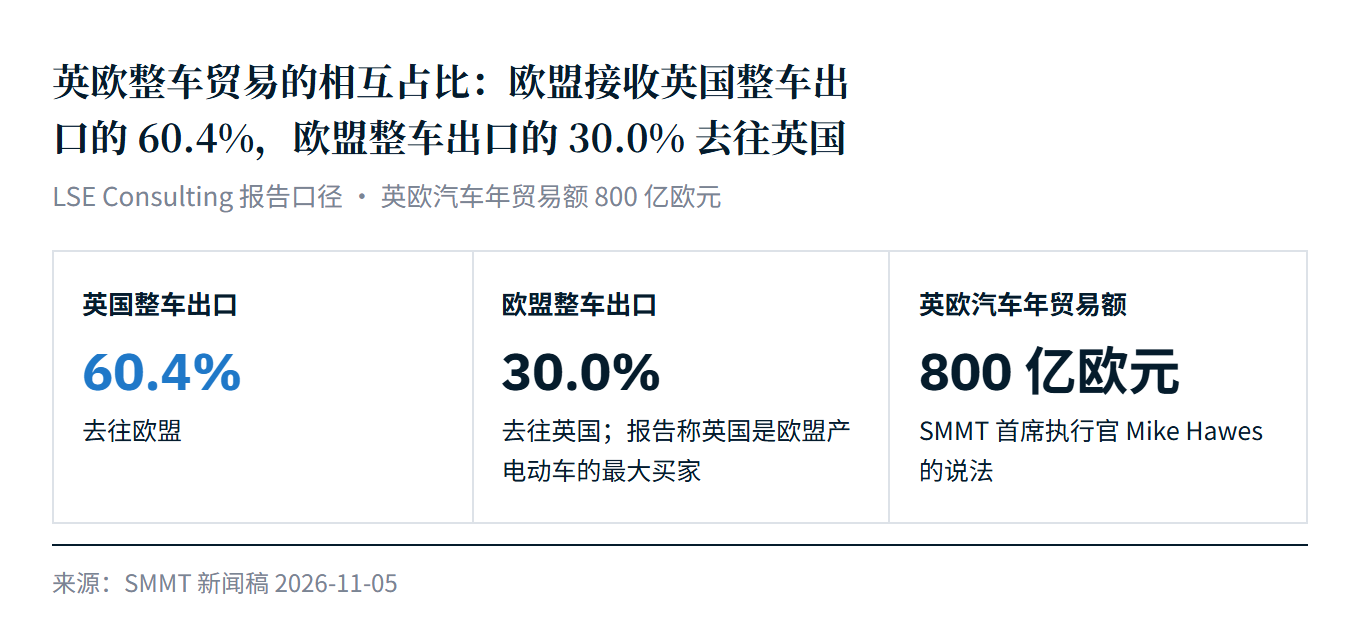
The UK is the largest buyer of EU-built electric vehicles. Chinese-built EVs entering the UK also pay a 10% tariff, and from 1 European-built EVs that fail to qualify will lose the price advantage that duty-free access gave them.
The promise made at the last extension
These rules were originally due to tighten by one step in 2024. In Jun 2023, ACEA called for a three-year delay, estimating three years of tariffs at about EUR 4.3 billion, or about EUR 1.43 billion a year. On December 21 that year, the UK-EU Partnership Council extended the current rules to the end of 2026; the European Commission called this a one-off arrangement and said the Council has no power to change them again before 2032. The two estimates of annual tariffs are similar, and after the three-year extension, carmakers still cannot meet the battery rules.
Options under Commission discussion
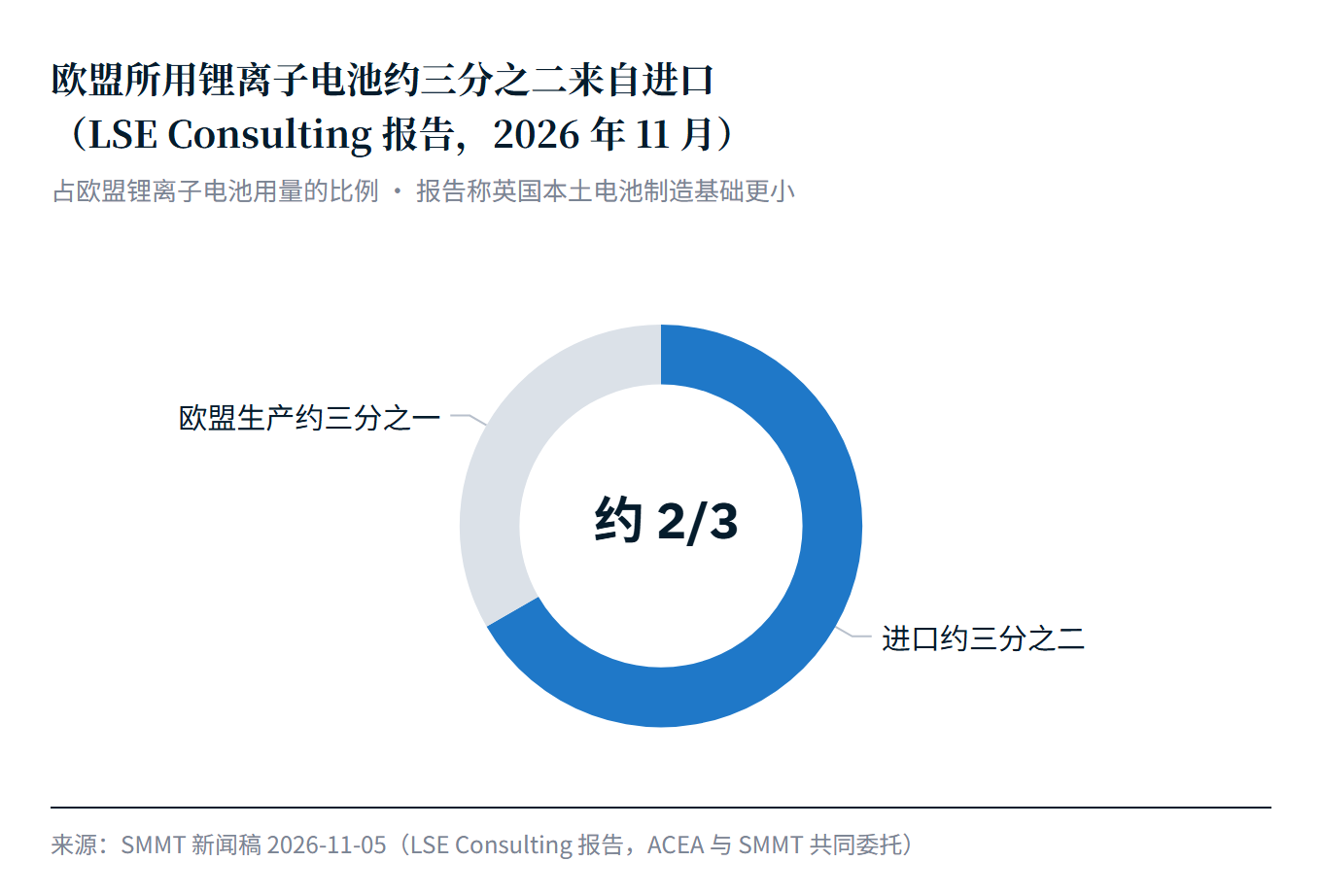
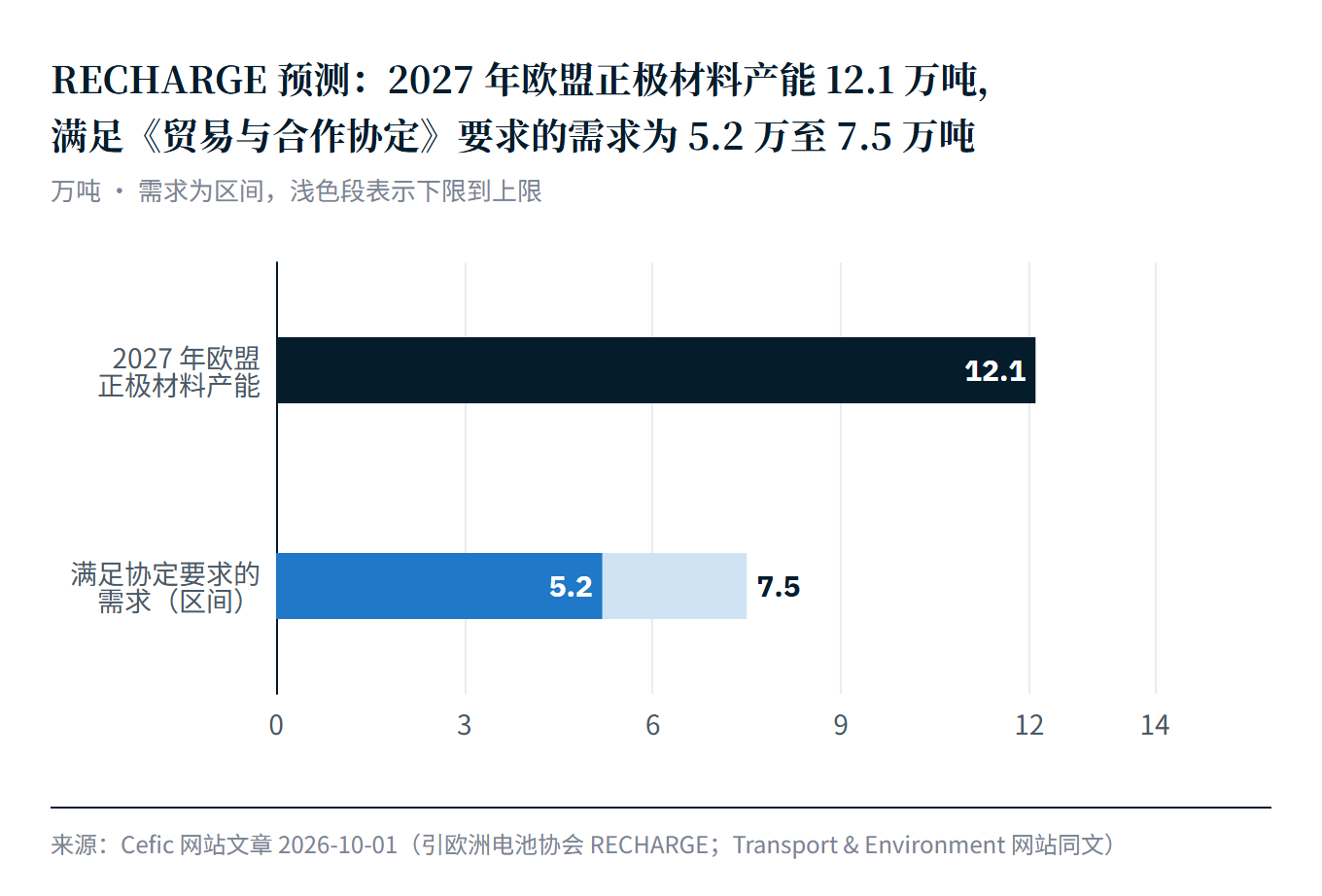
At least two options are reportedly under discussion: a one-year delay, or allowing automakers for two years to offset non-compliant exports with compliant vehicles sold in their home market. ACEA is asking for a longer delay: keep the current rules until the end of 2029, require cells to be produced in the UK or EU from 2030, and add cathode active material requirements from 2032. The European chemicals industry opposes another delay: battery association RECHARGE expects EU cathode material capacity of 121,000 tonnes in 2027, while meeting the agreement's requirements would take only 52,000 to 75,000 tonnes. The chemicals industry argues that what material suppliers lack is orders from automakers.
Formal negotiations are expected to begin after the UK-EU summit on Nov 20, leaving at most 42 days before the rules take effect. If the deadline is pushed back by only one or two years, automakers exporting to the UK will soon face the same battery rule again, so sourcing of cells and cathode materials has to be settled within that window.
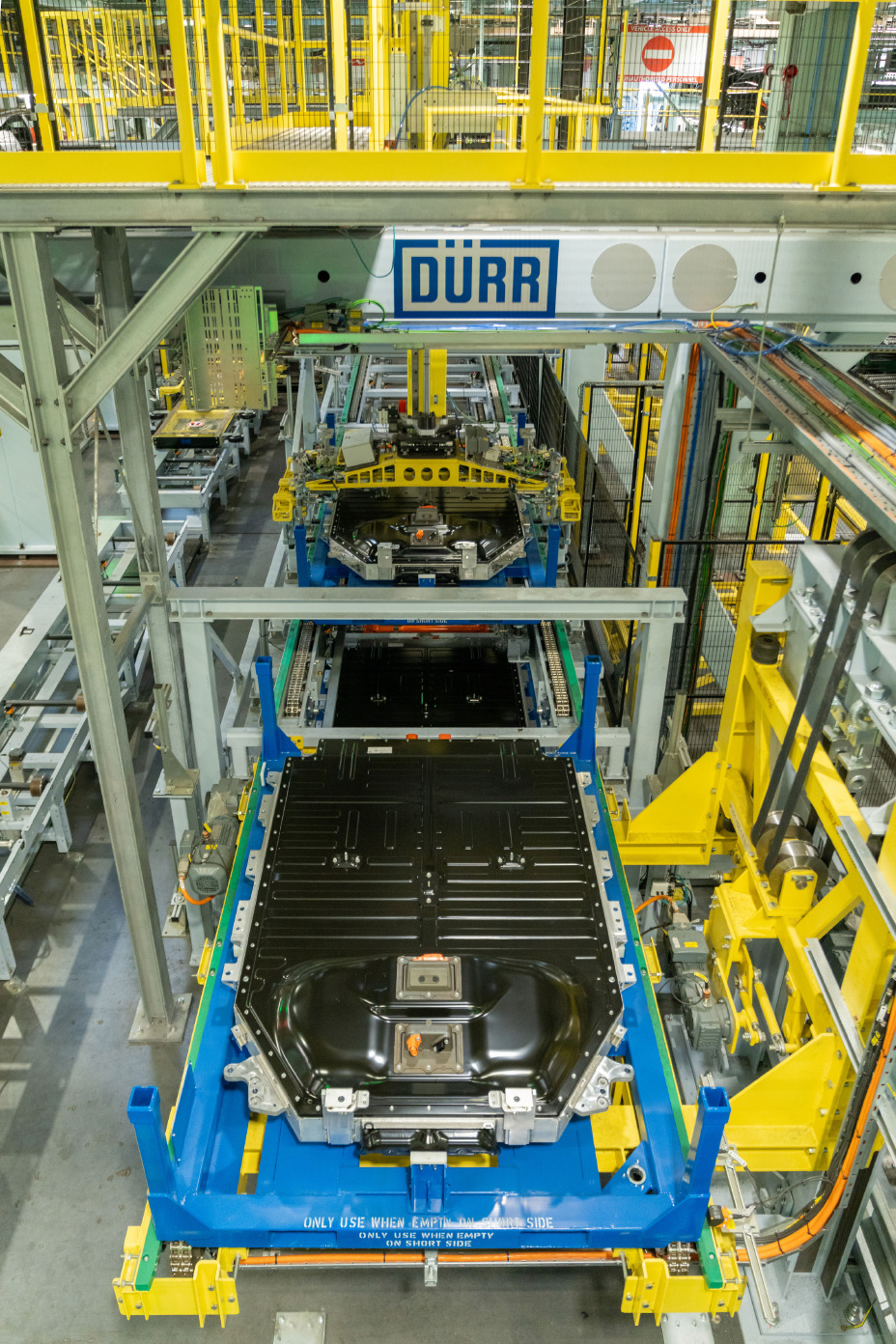
Image source: Nissan.
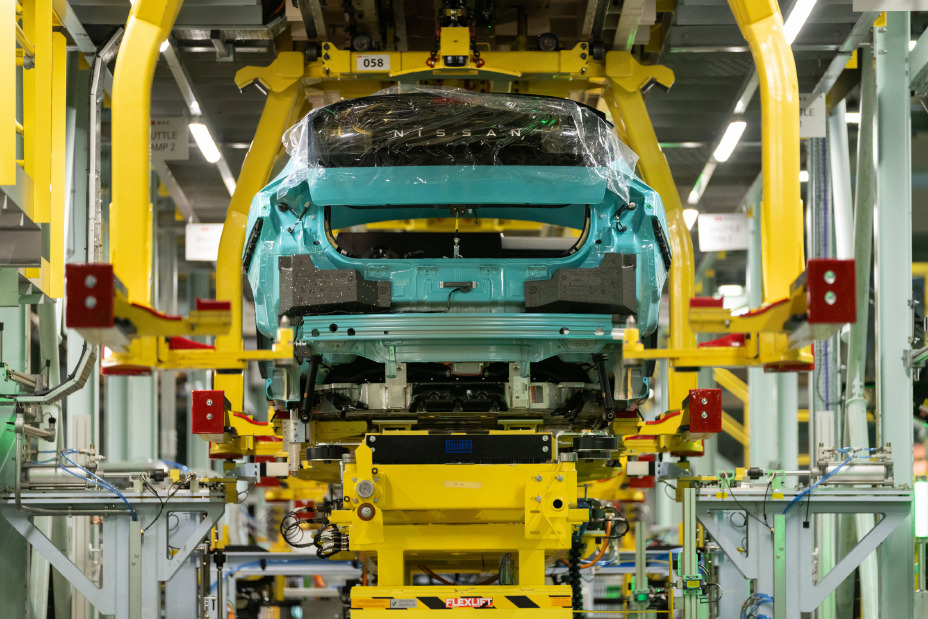
Image source: Nissan.
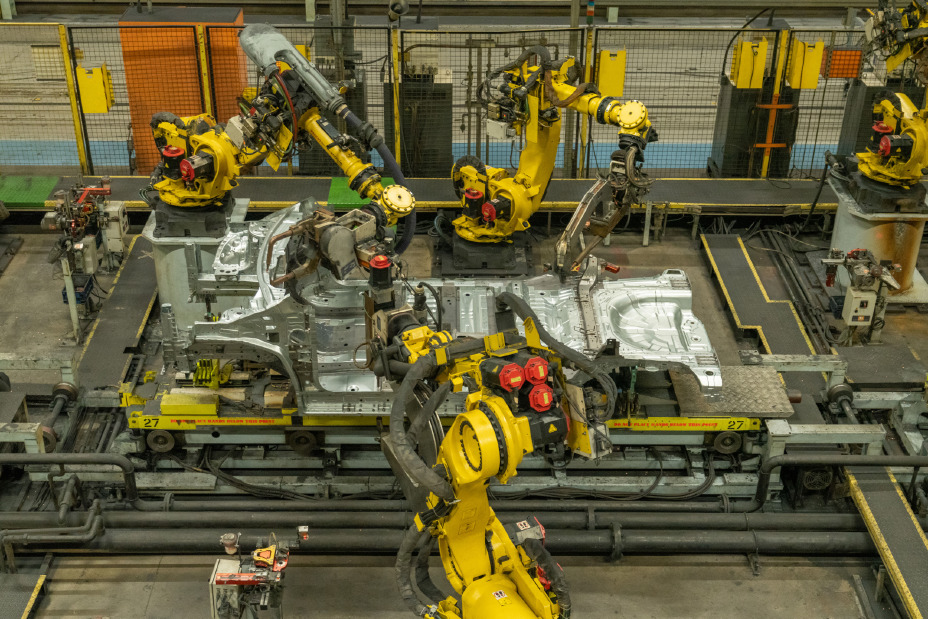
Image source: Nissan.
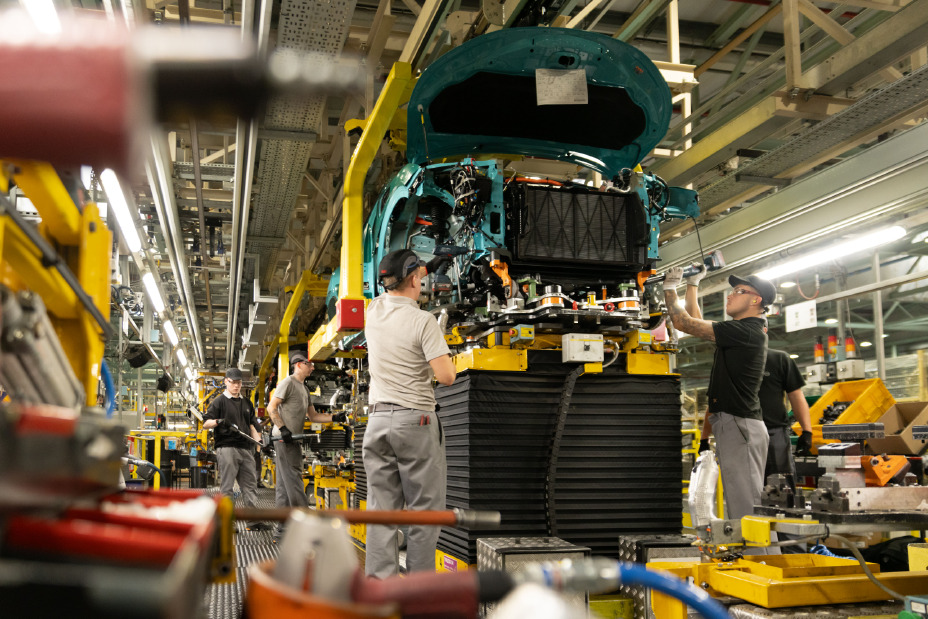
Image source: Nissan.
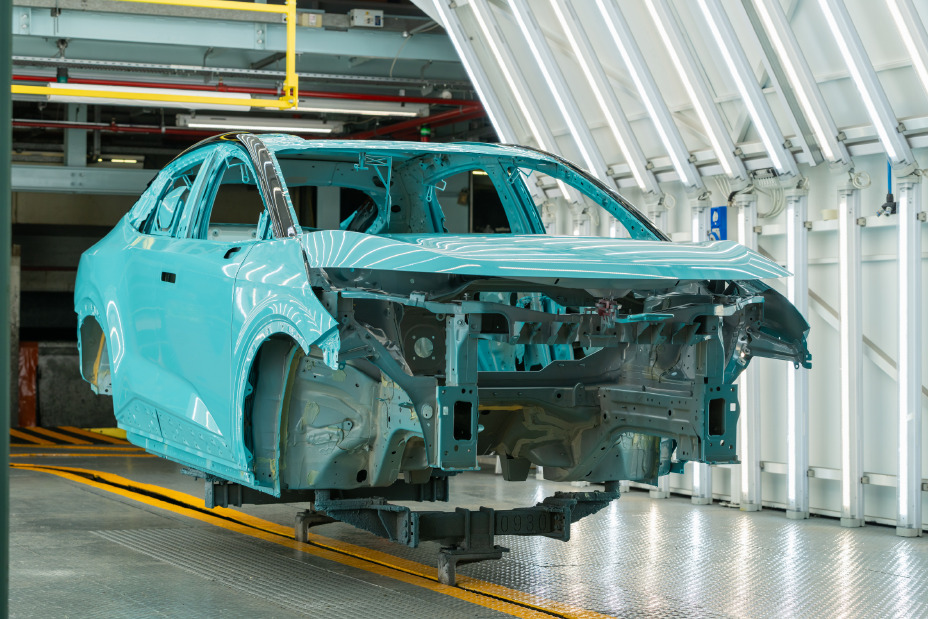
Image source: Nissan.
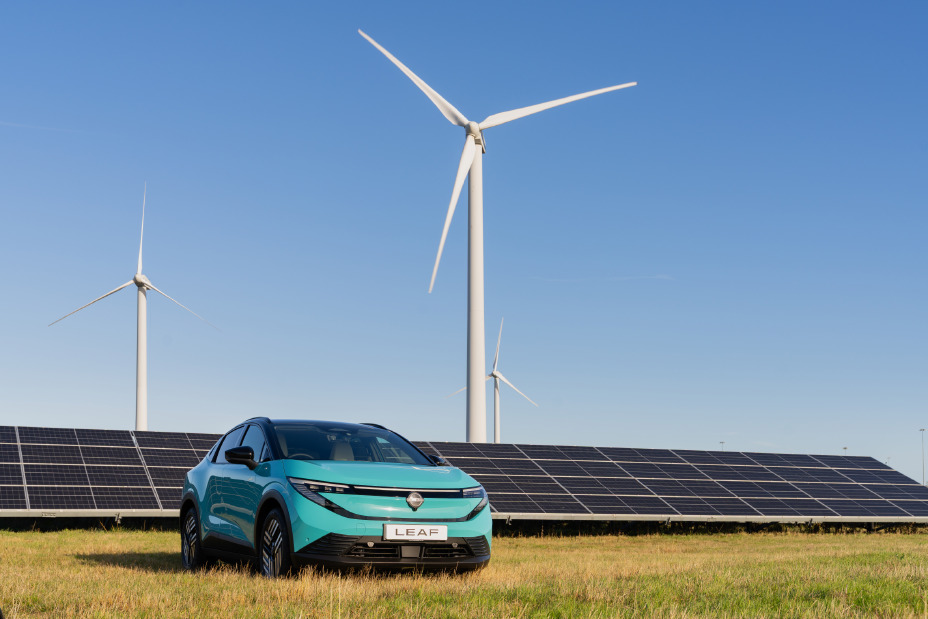
Image source: Nissan.
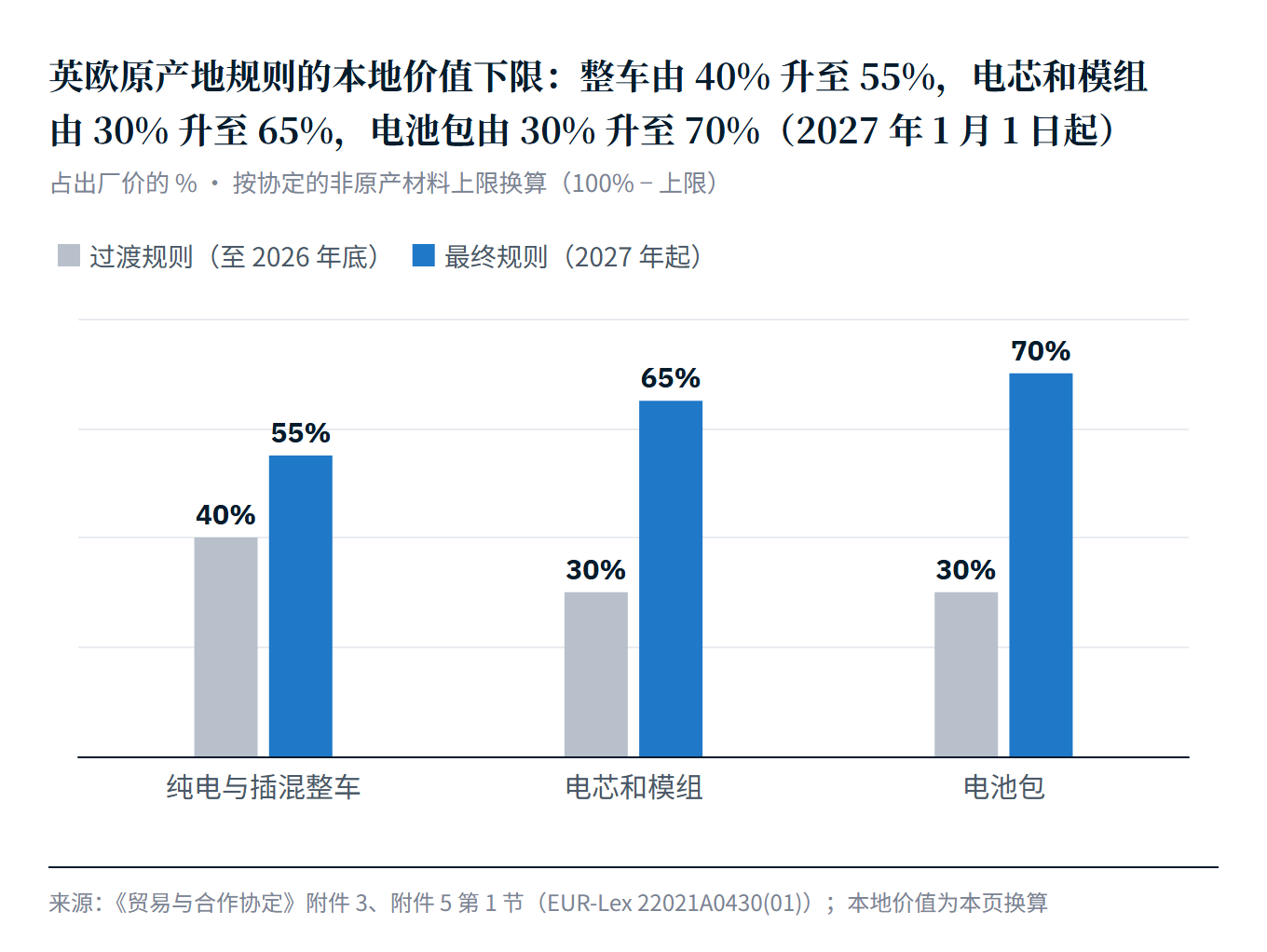
Source: Chart by AutoMusic based on the public sources listed in the article; first published on the AutoMusic WeChat account.