RWTH Aachen benchmarks 115 motors: the China-Europe gap lies in materials
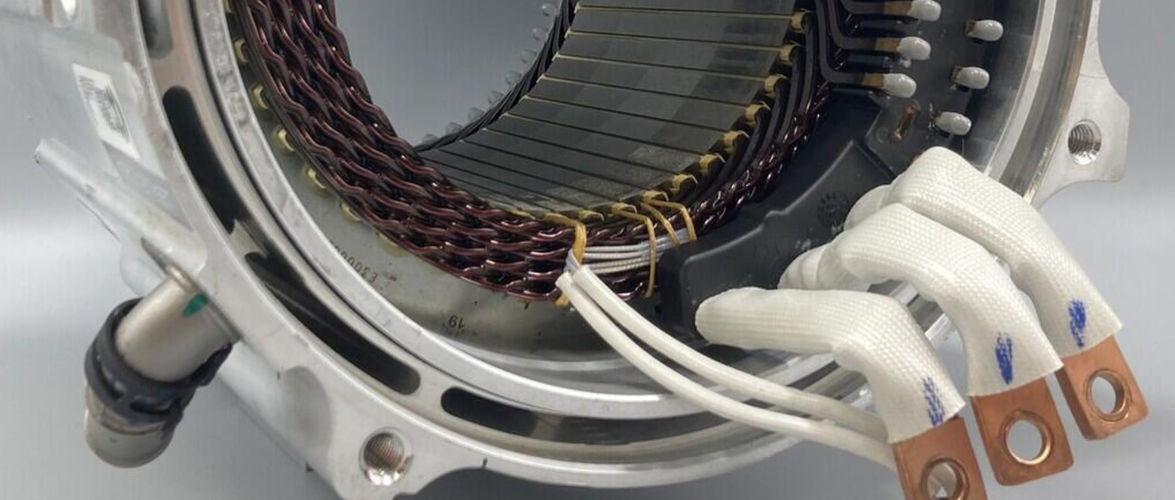
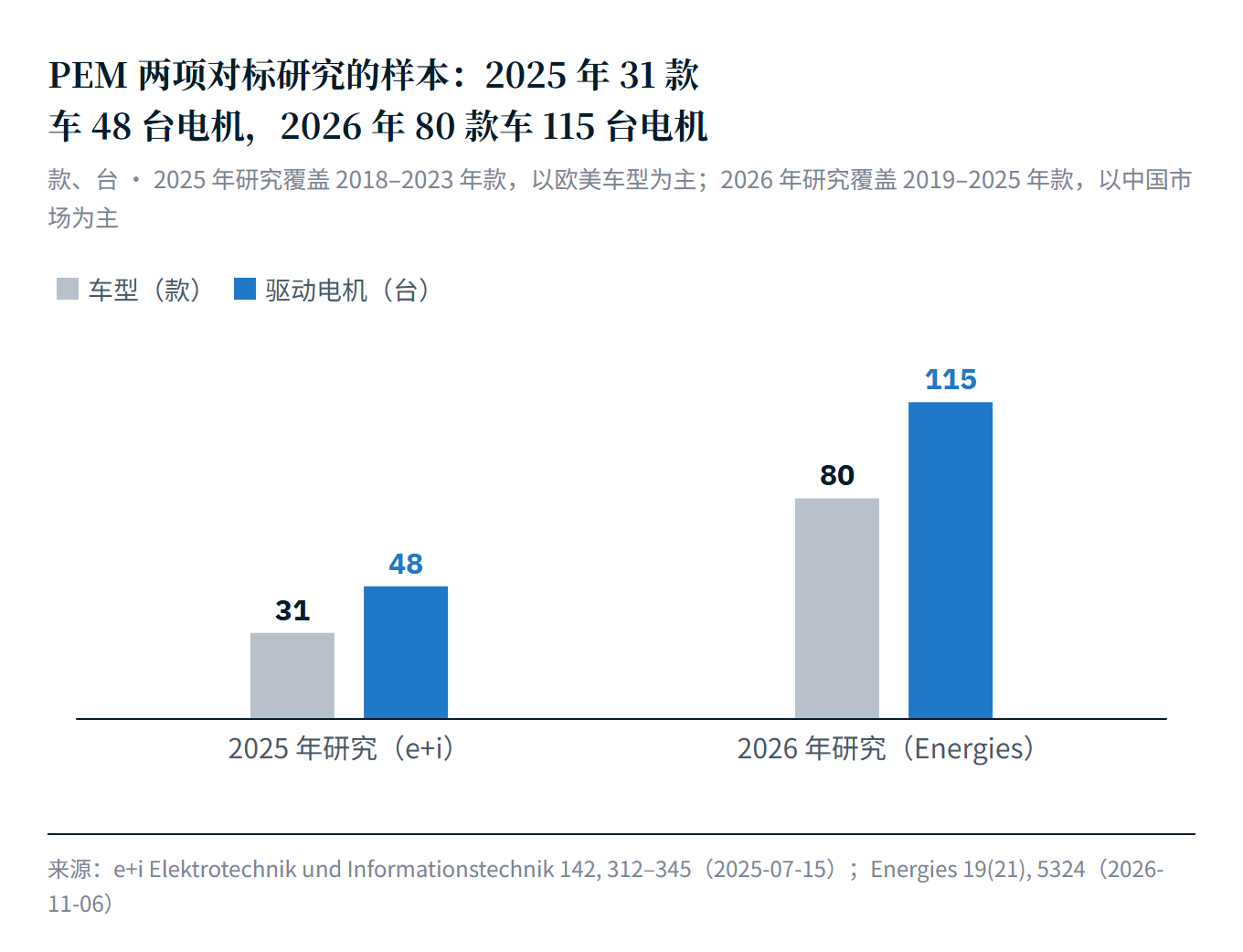
On Nov 6, the PEM chair at RWTH Aachen University published a benchmarking study in the journal Energies, analyzing 115 traction motors from 80 electric vehicles of model years 2019 to 2025, mainly from the Chinese market, and comparing them with European and US motors examined in earlier studies. The study finds no fundamental difference in the basic architecture of e-drives across the three regions; the differences lie mainly in materials and component details. For European suppliers, the points of comparison are materials and component design; the paper does not quantify the cost gap itself.
Housing and busbar materials
The paper says several Chinese automakers have in recent years switched to magnesium alloy for e-drive housings and structural parts, while European manufacturers still mostly use aluminum; magnesium housings are about 20% to 30% lighter than aluminum ones. For the stator busbars connecting the windings, Chinese models mostly use powder-coating insulation, whereas European models mostly use assemblies with multiple copper bars embedded in a polymer part, a more complex design. The sample included no electrically excited synchronous motors, which use no rare-earth permanent magnets and have been in volume production at BMW and Renault for years. The authors suggest these differences may relate to raw material supply, labor costs and regulatory requirements, and state that these explanations are only hypotheses. According to the European Commission, 97% of the EU's magnesium comes from China. If European manufacturers switch to magnesium housings, they will first face the procurement risk of supply concentrated in a single country.
Higher rpm boosts power density
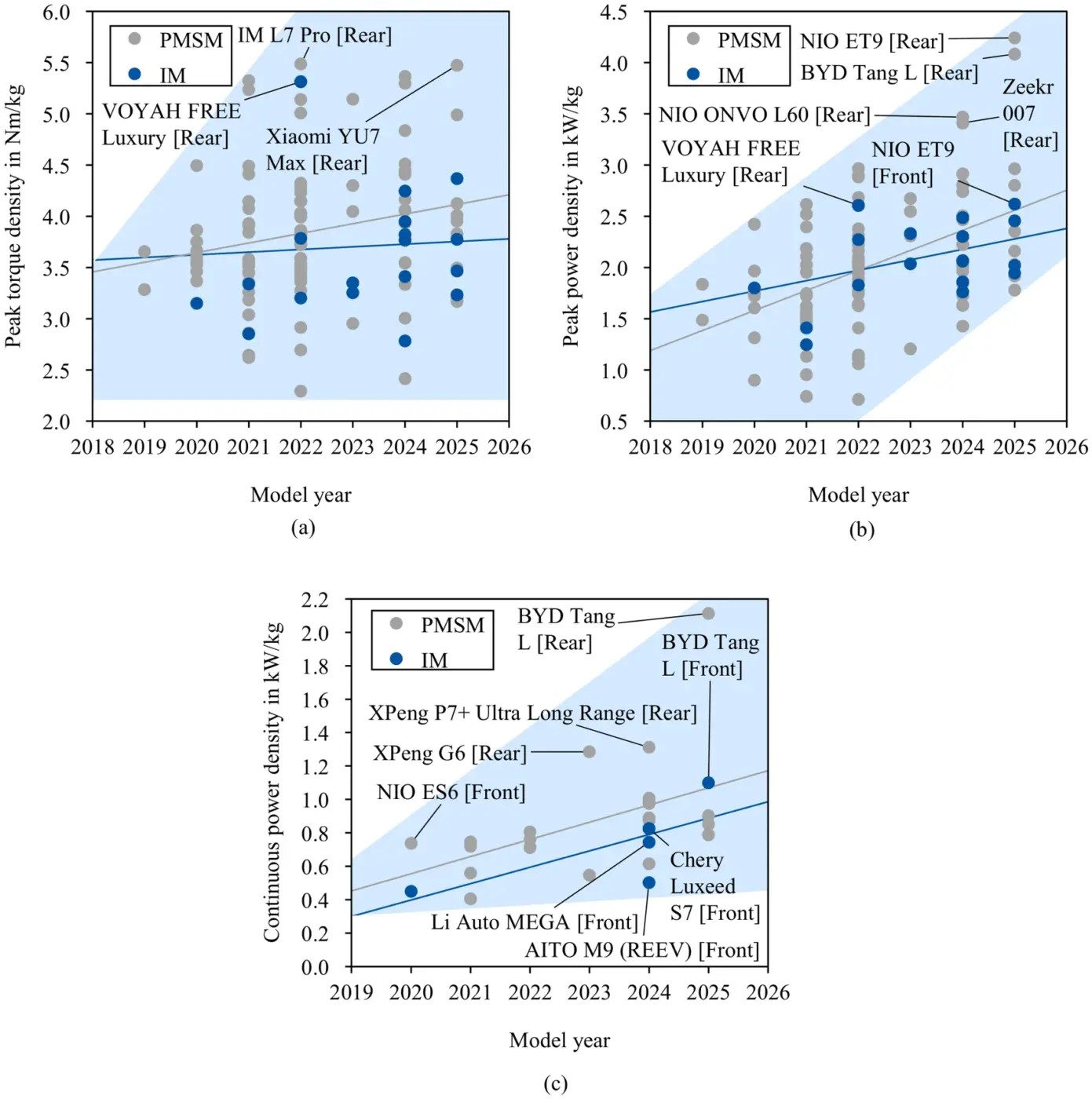
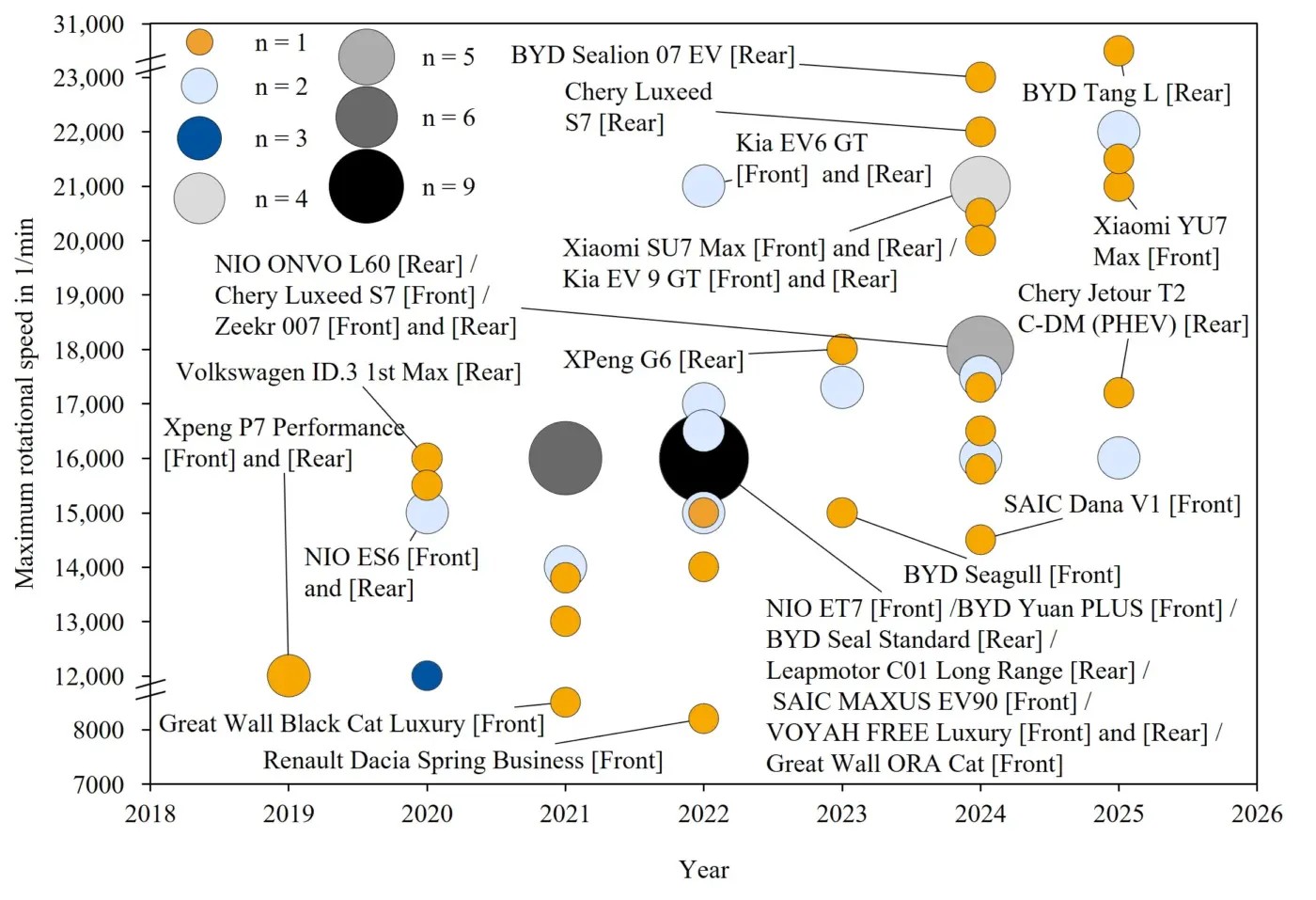
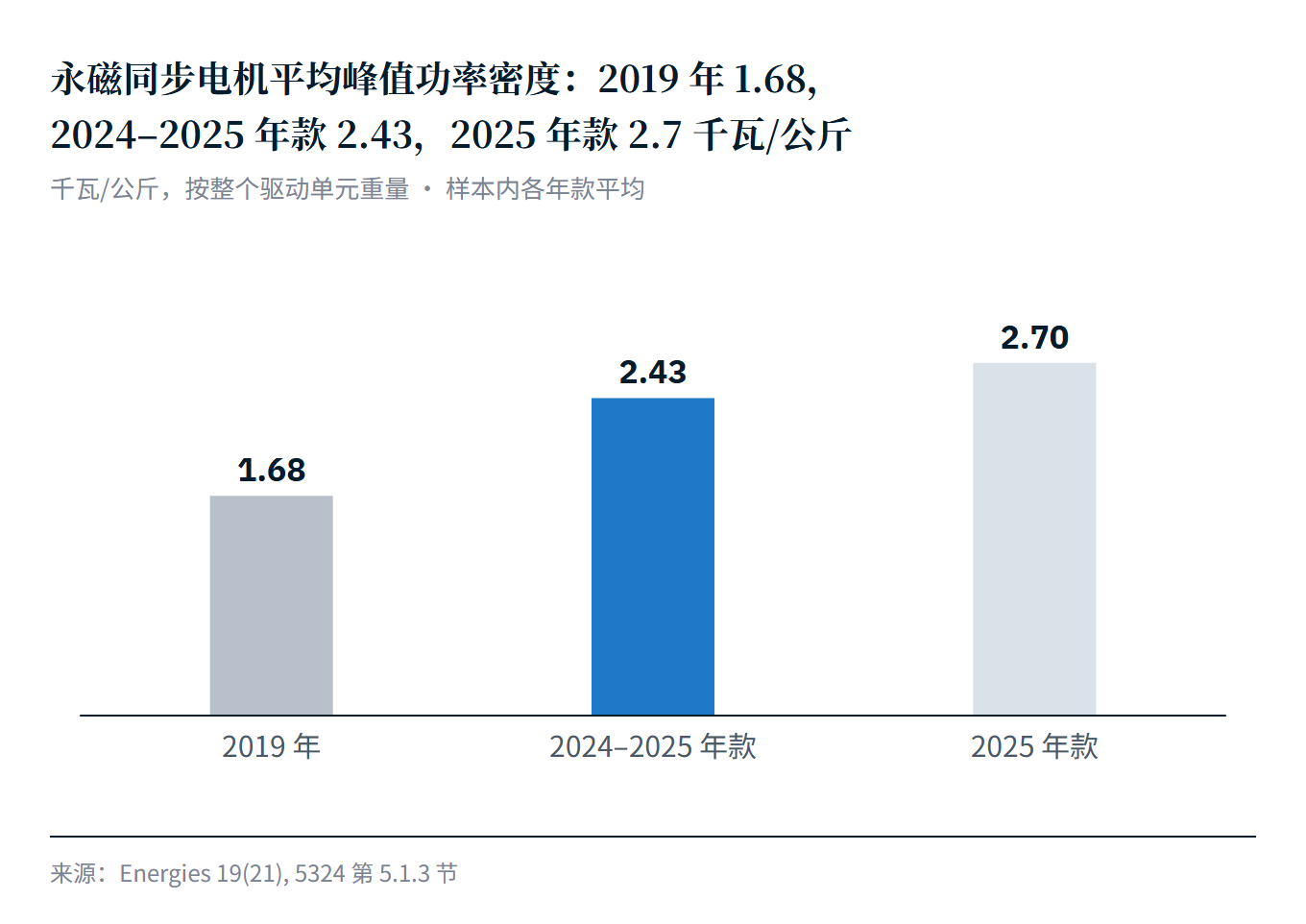
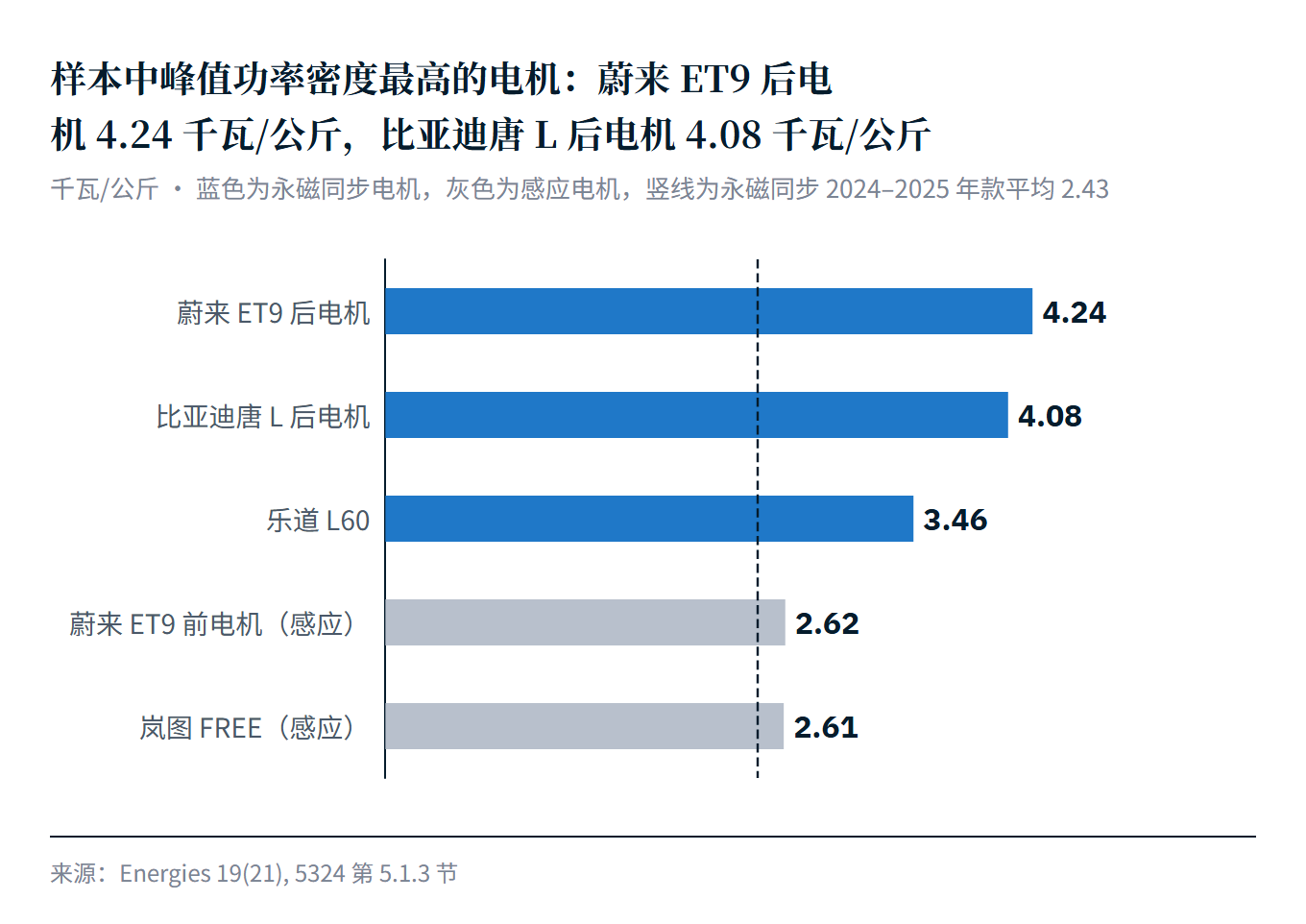
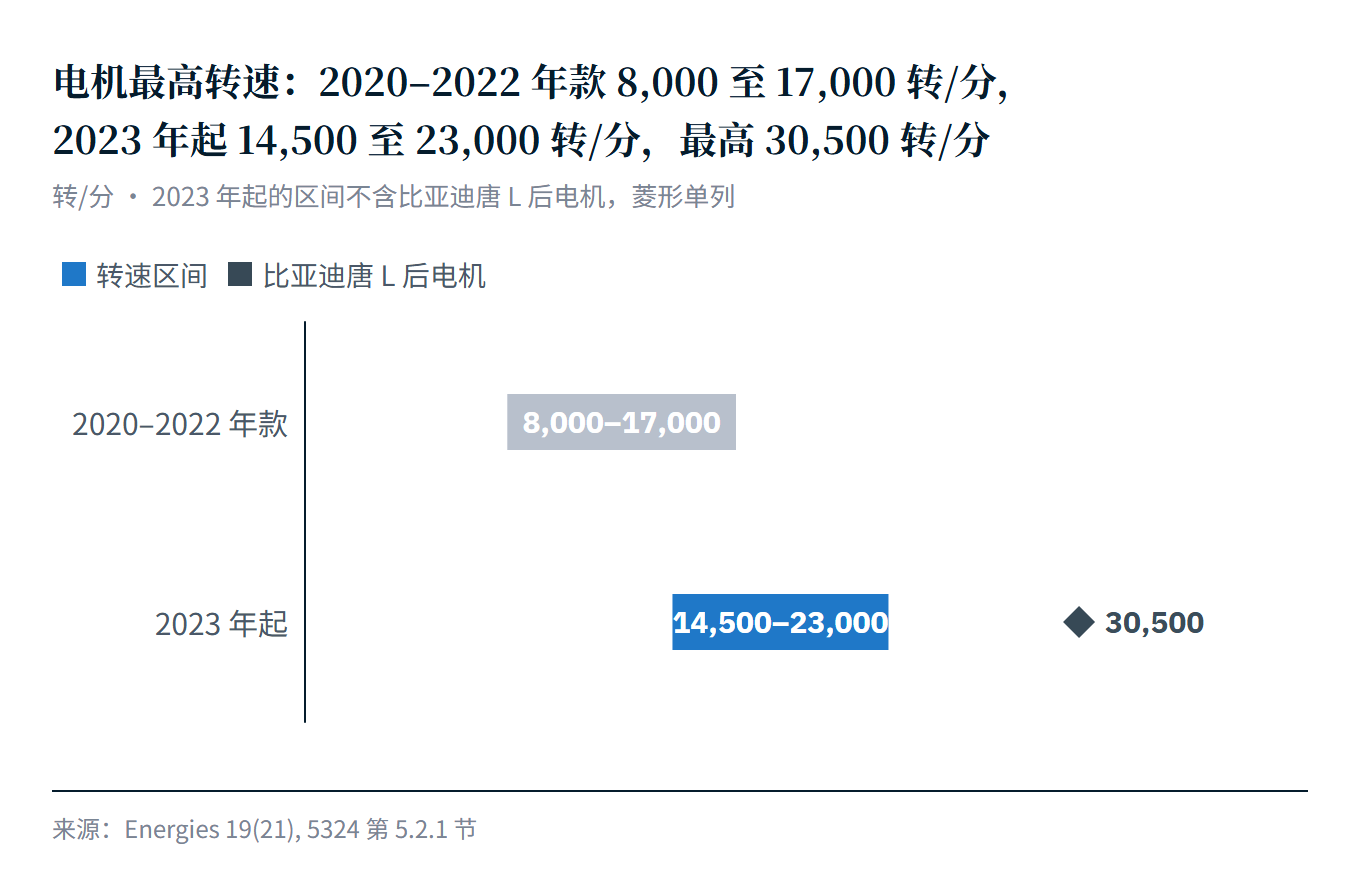
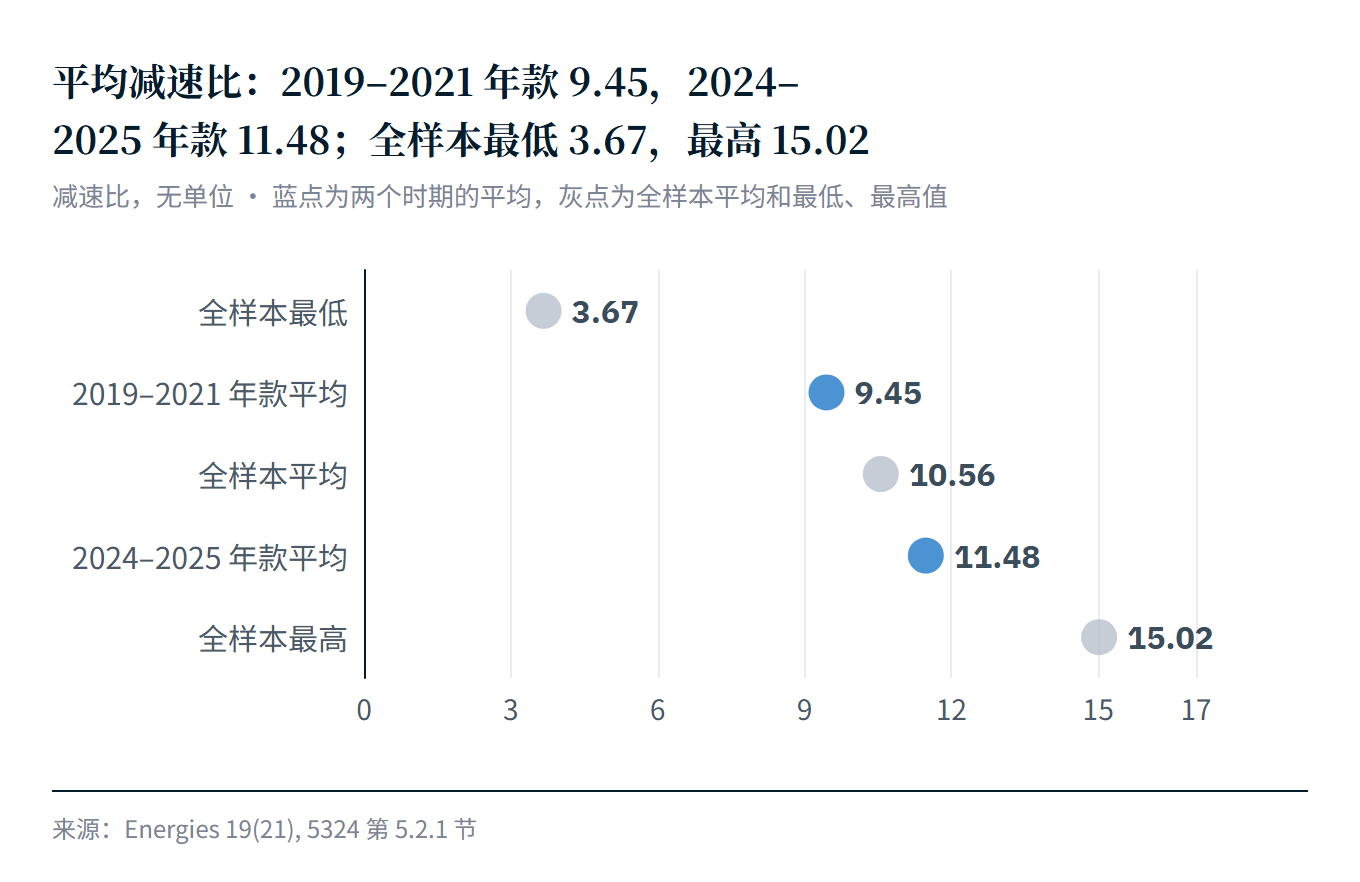
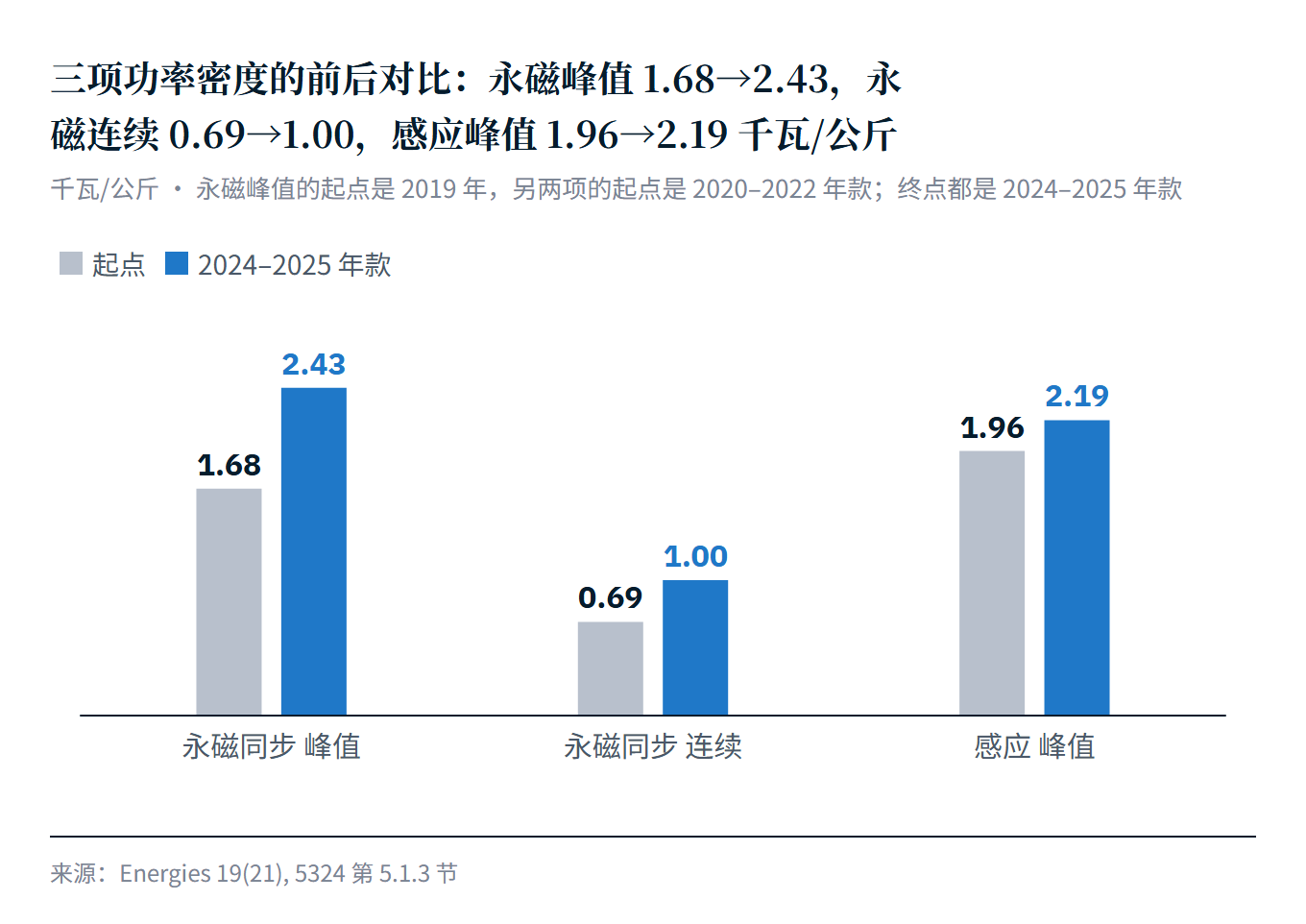
Measured against the weight of the entire drive unit, the average peak power density of permanent-magnet synchronous motors rose from 1.68 kW/kg in 2019 models to 2.43 kW/kg in 2024–2025 models, an increase of about 45%. Most 2020–2022 models had maximum speeds of 8,000 to 17,000 rpm, while newer models are trending above 20,000 rpm; the average reduction ratio rose from 9.45 in 2019–2021 models to 11.48. The highest-revving unit in the sample, a rear motor, reached 30,500 rpm with a reduction ratio of 10.9, lower than the 11.5 of a model with a 16,000 rpm motor. The paper argues that the extra speed mainly serves to raise vehicle top speed, and the motor did not get much smaller as a result.
Shrinking the stator and rotor and cutting material use requires raising both rotational speed and reduction ratio, along with 0.25 mm silicon steel laminations and smaller-section conductors.
Oil cooling and high integration
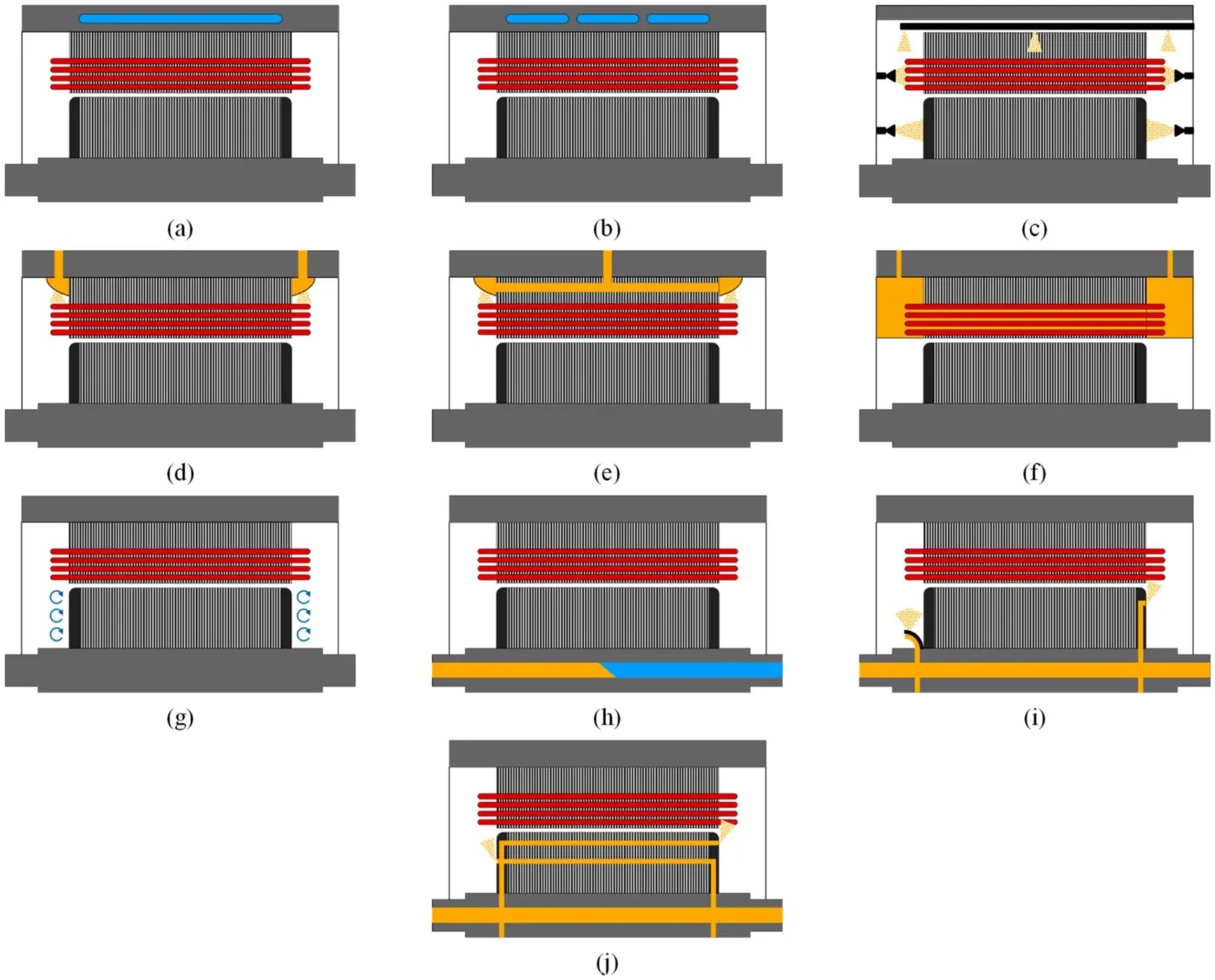
Model years 2019 to 2021 almost all used water-jacket cooling; from 2024, combinations with direct oil cooling of both rotor and stator became more common. Because oil flows through the core laminations, sealing requirements rise accordingly, which the paper sees as one reason for the growing use of bonded laminations. From 2022, highly integrated drive units such as three-in-one and multi-in-one designs made up the majority of the sample. Inverters using silicon carbide rose from 4 of 23 units in model years 2022 to 2023 to 16 of 44 in model years 2024 to 2025, a share increase from 17% to 36%; the highest e-drive voltage in the sample was 945 V.
Oil cooling, higher voltages and silicon carbide place greater demands on lamination bonding, sealing and insulation, and e-drive suppliers have more process steps to validate.
PEM's earlier study, published in 2025, covered 48 motors from 31 vehicles of model years 2018 to 2023, mainly European and US models. What the paper can establish are differences in materials and component design; how much cost these differences represent still needs to be determined through teardown and quotation.
Source: Chart by AutoMusic based on the public sources listed in the article; first published on the AutoMusic WeChat account.