Daimler's new eCitaro electric bus to launch in 2028
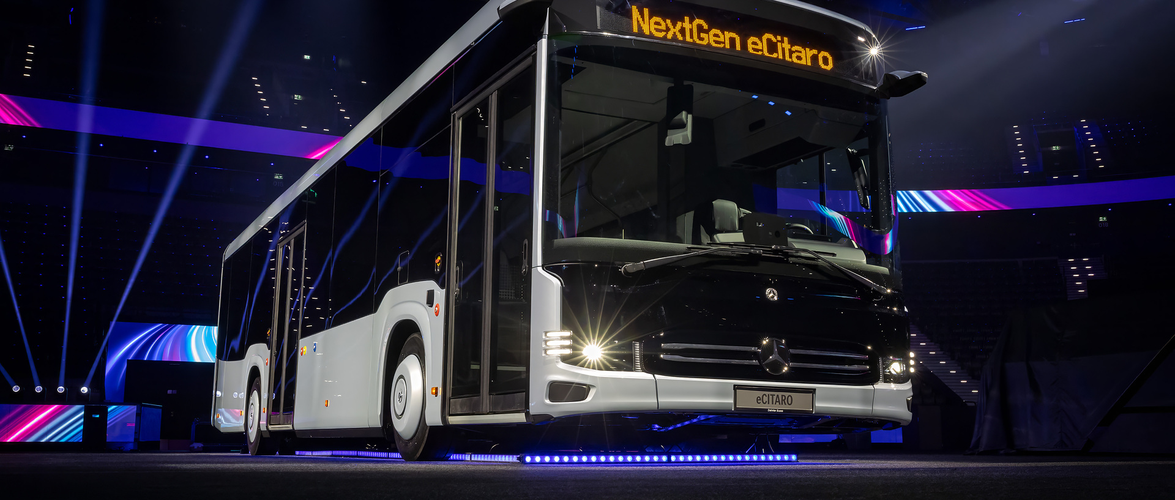
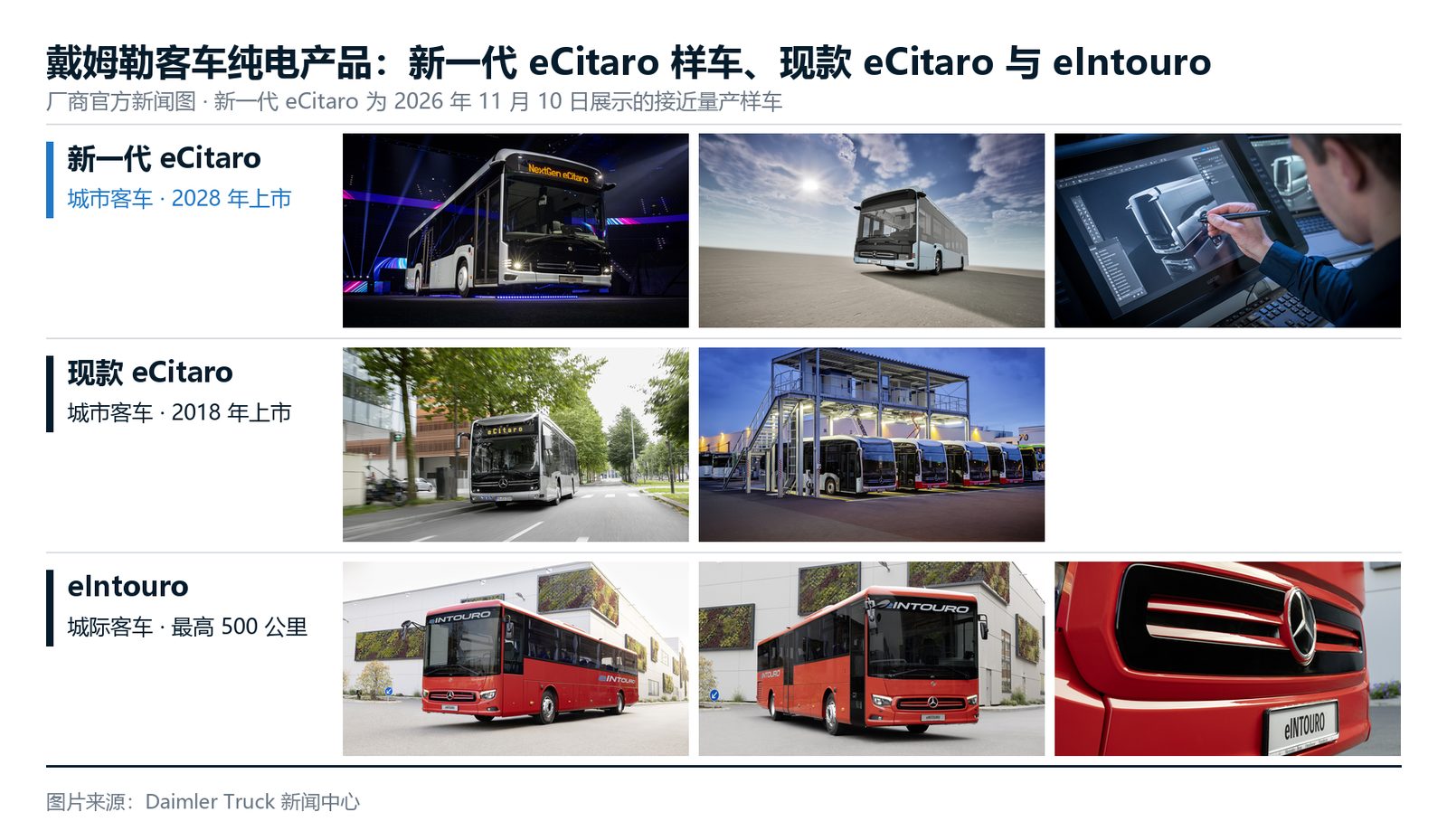
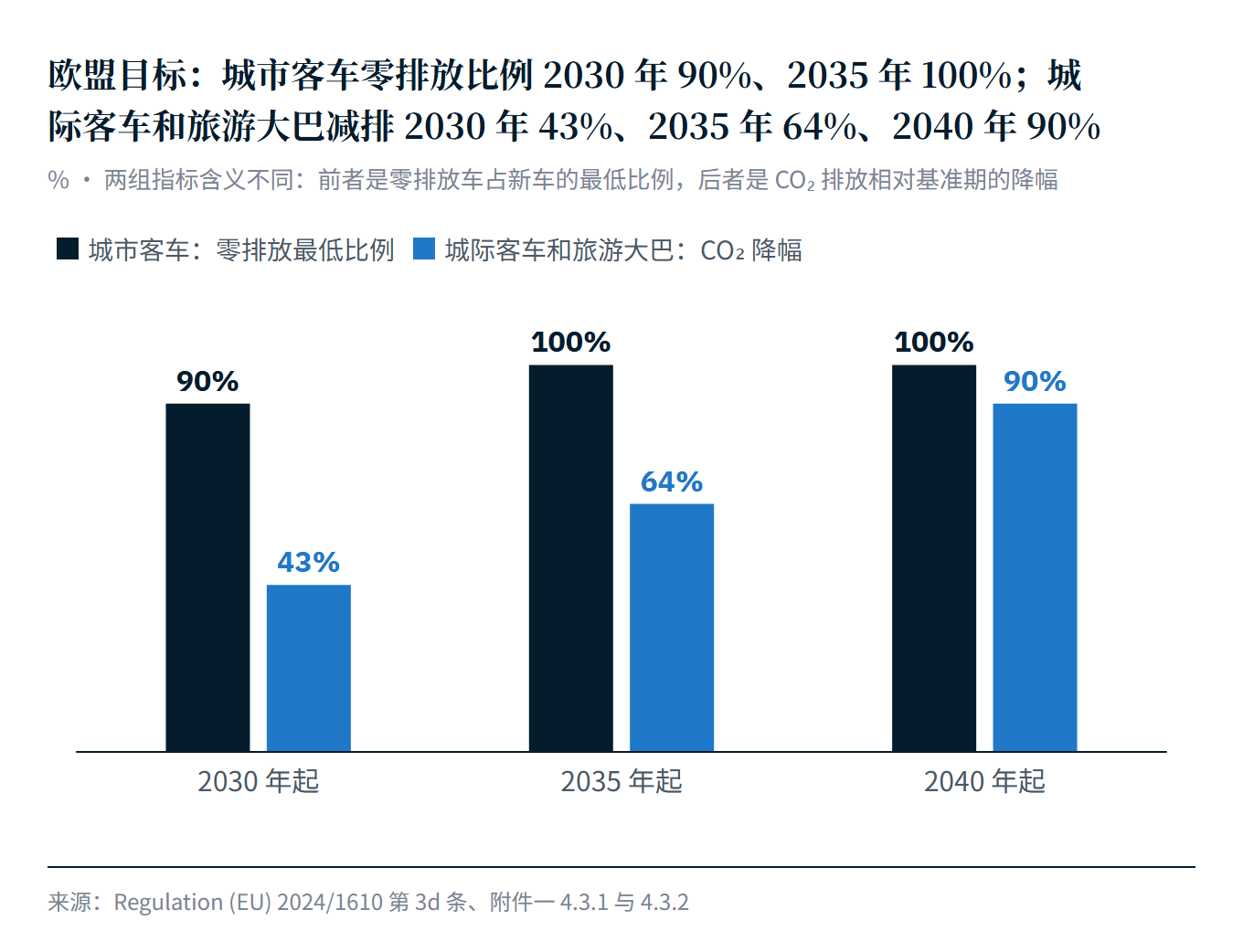
In November 10, Daimler Buses presented a near-production prototype of the new-generation Mercedes-Benz eCitaro in Munich, ahead of its European launch in 2028. From 2030, all new city buses it sells in Europe will be electric. Daimler supports the EU requirement for 90% of city buses to be zero-emission by 2030, but is also calling for the reduction targets for intercity buses and touring coaches to be pushed back to 2033. The difference comes down mainly to charging: city buses charge at their own depots, while touring coaches and some intercity routes depend on public charging along the route and at destinations.
BEV developed from scratch
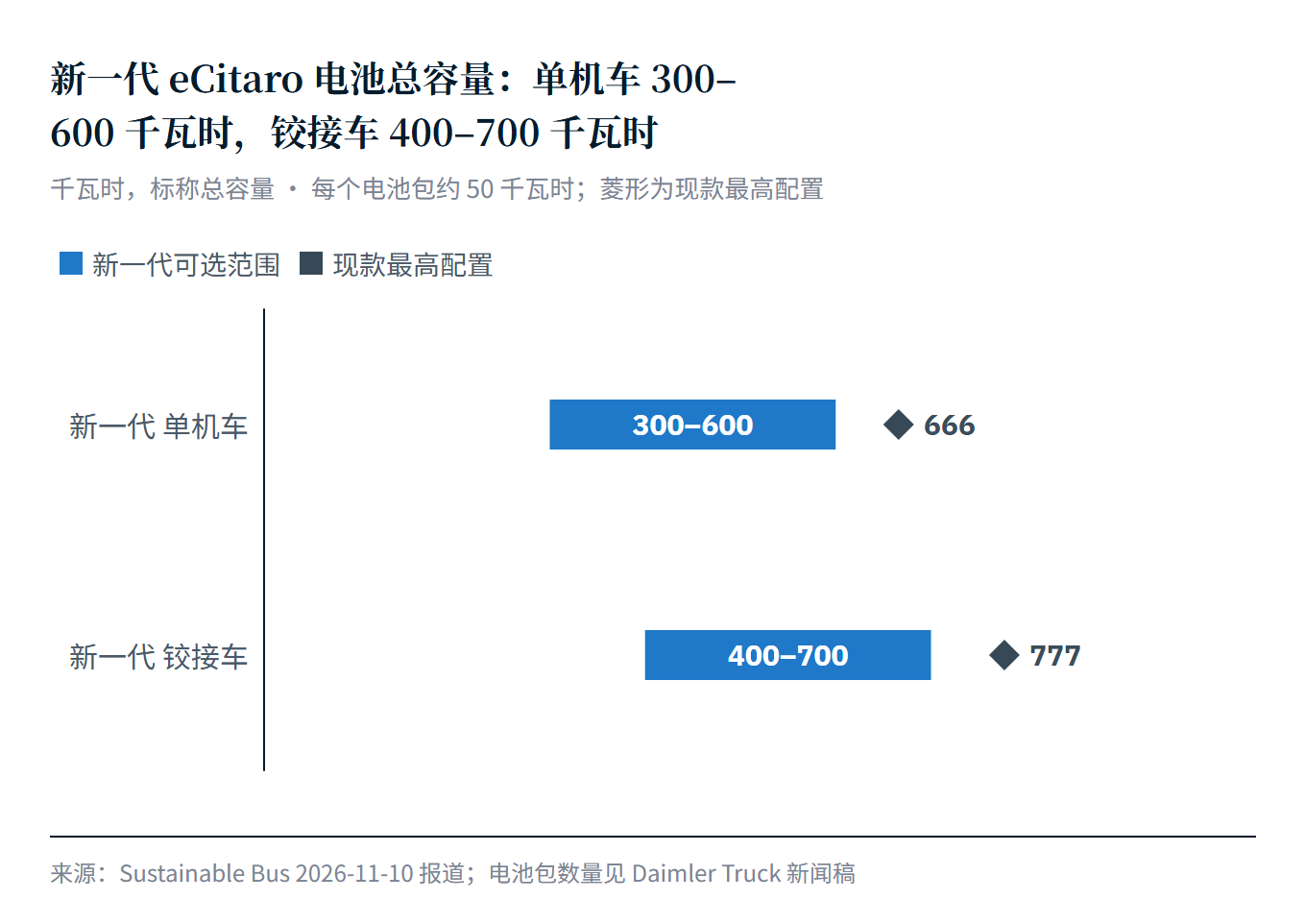
The current eCitaro launched in 2018 on the platform of the combustion-engine Citaro and has since passed 4600 deliveries in Europe. The new generation is the first developed from scratch as a battery-electric bus and switches to LFP batteries, with 6 to 12 battery packs on the rigid bus and 8 to 14 on the articulated version.
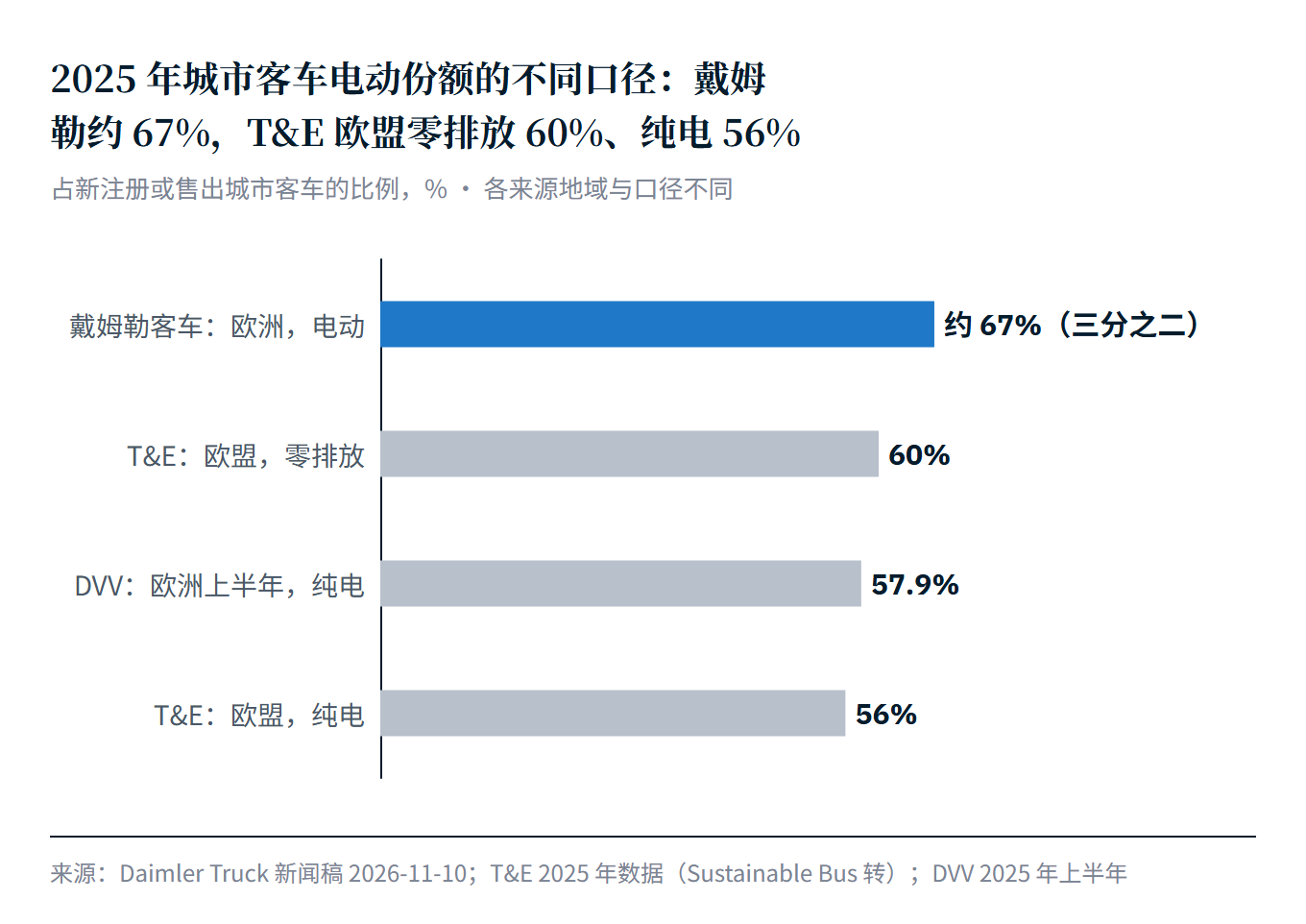
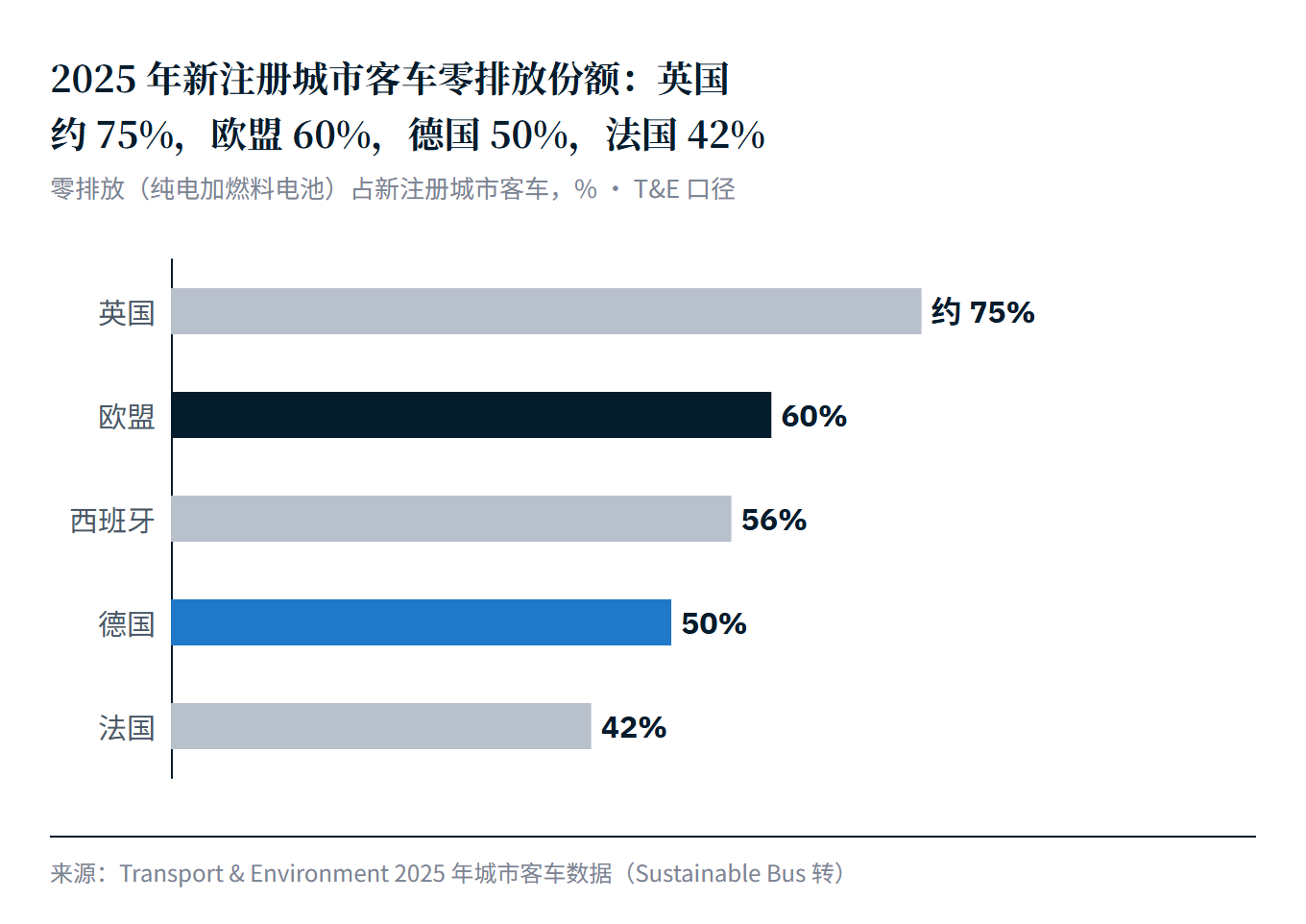
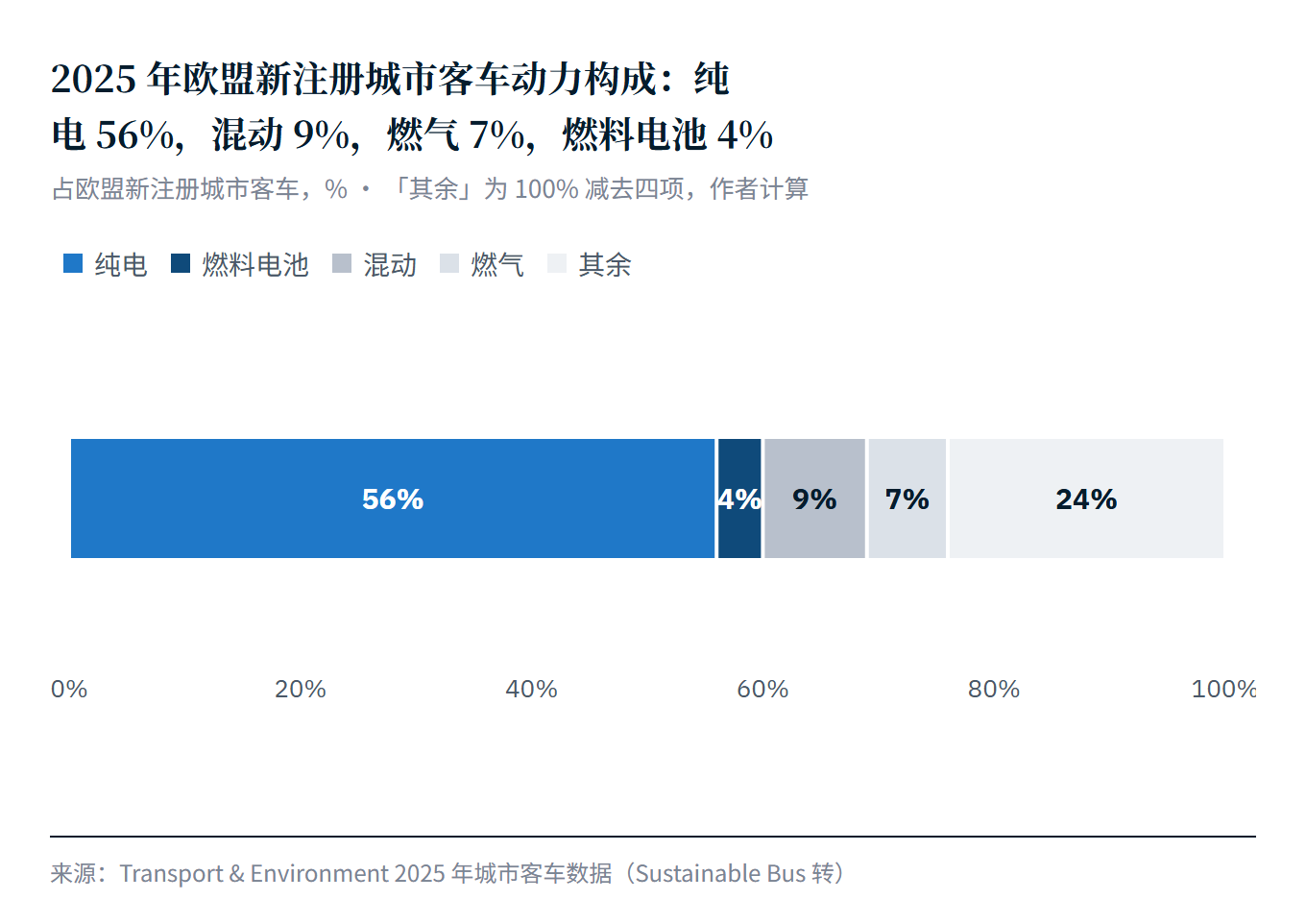
According to Daimler, two-thirds of city buses sold in Europe in 2025 were electric. T&E, based on EU registrations, puts zero-emission models at 60% of newly registered city buses that year, including 50% in Germany and 42% in France.
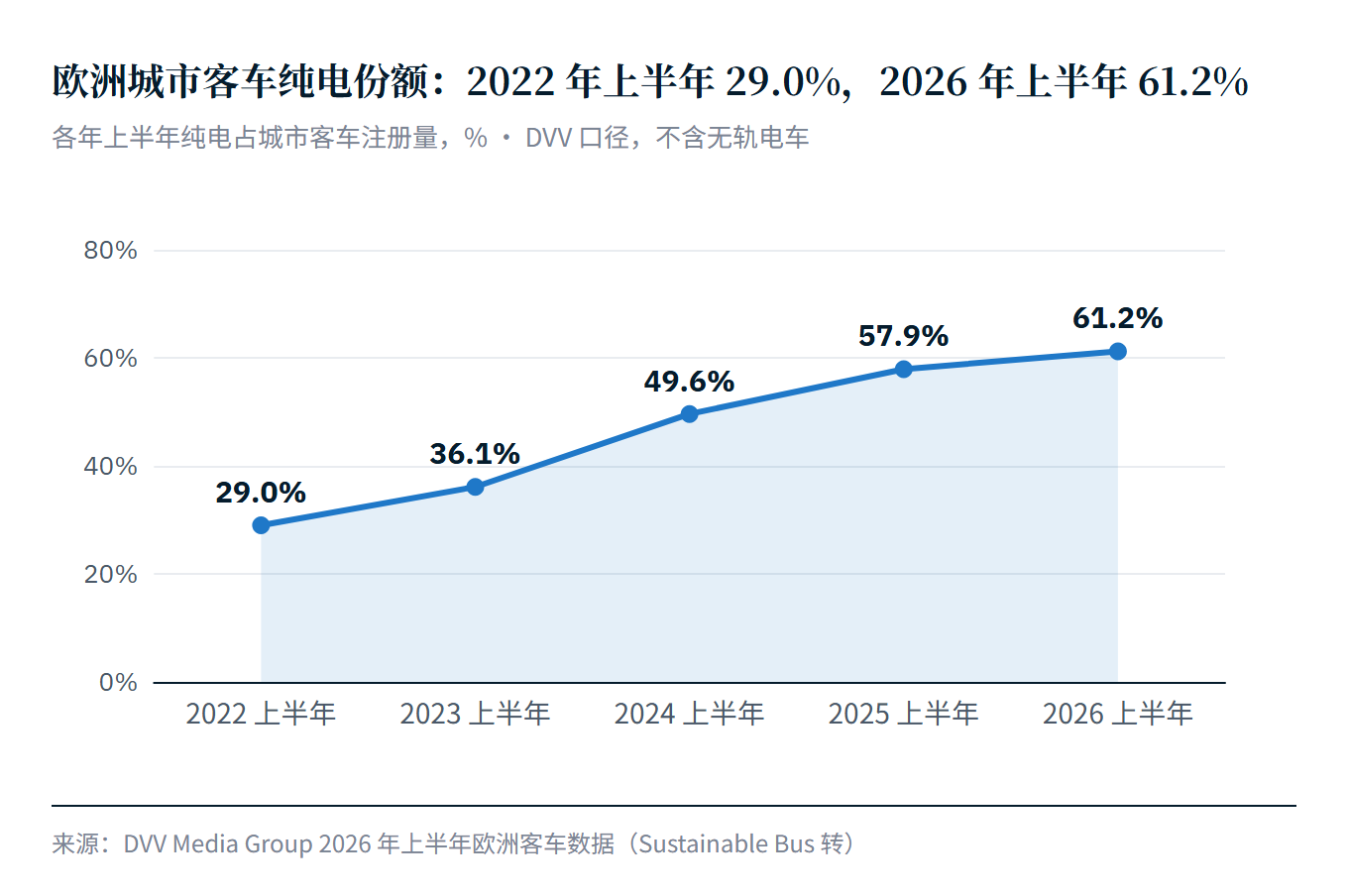
Electric vehicles already account for the majority of new city buses, giving dedicated platforms a sales base; in the two large markets of Germany and France, around half of new buses have yet to switch to electric.
Buses rely on public chargers
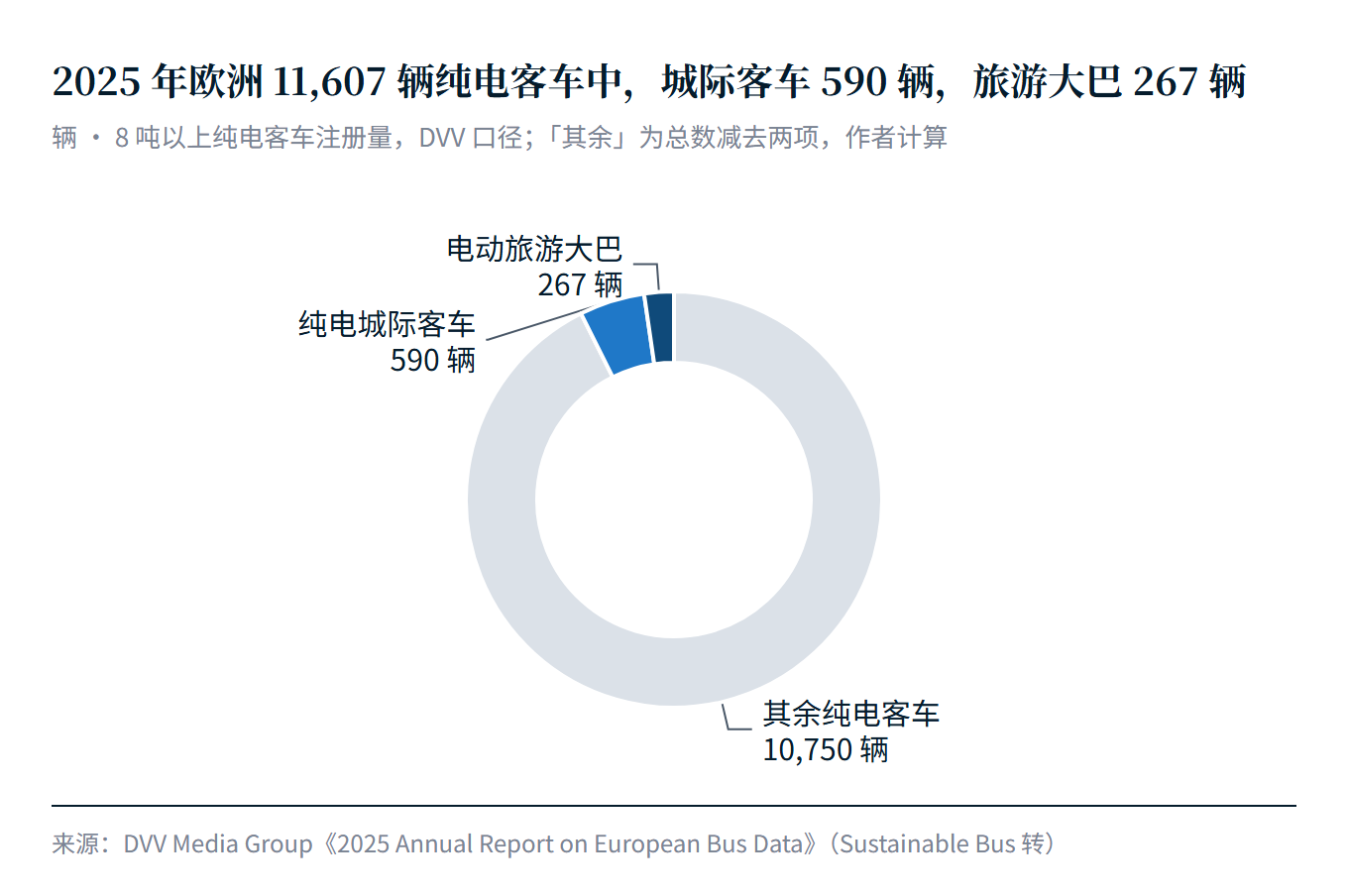
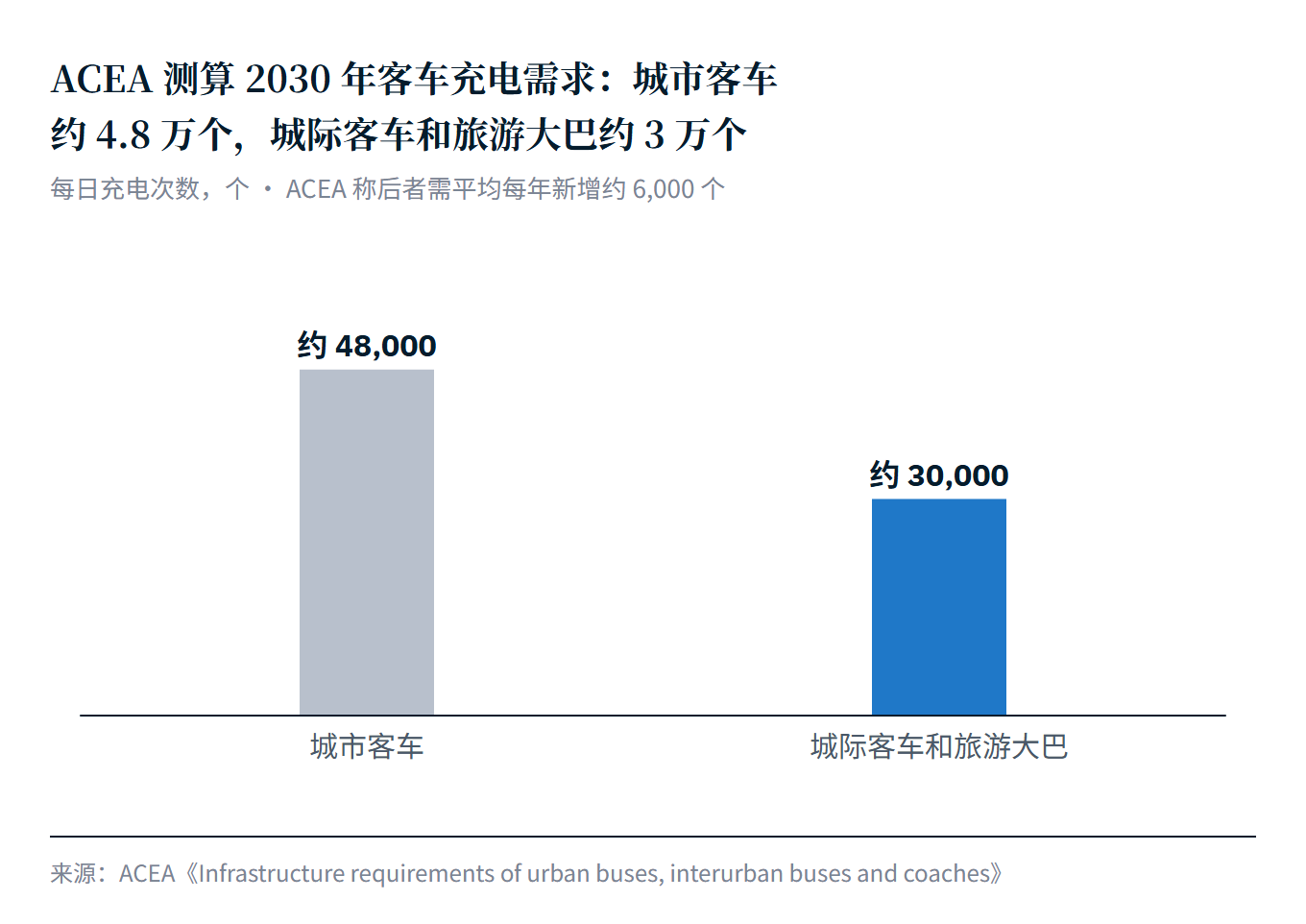
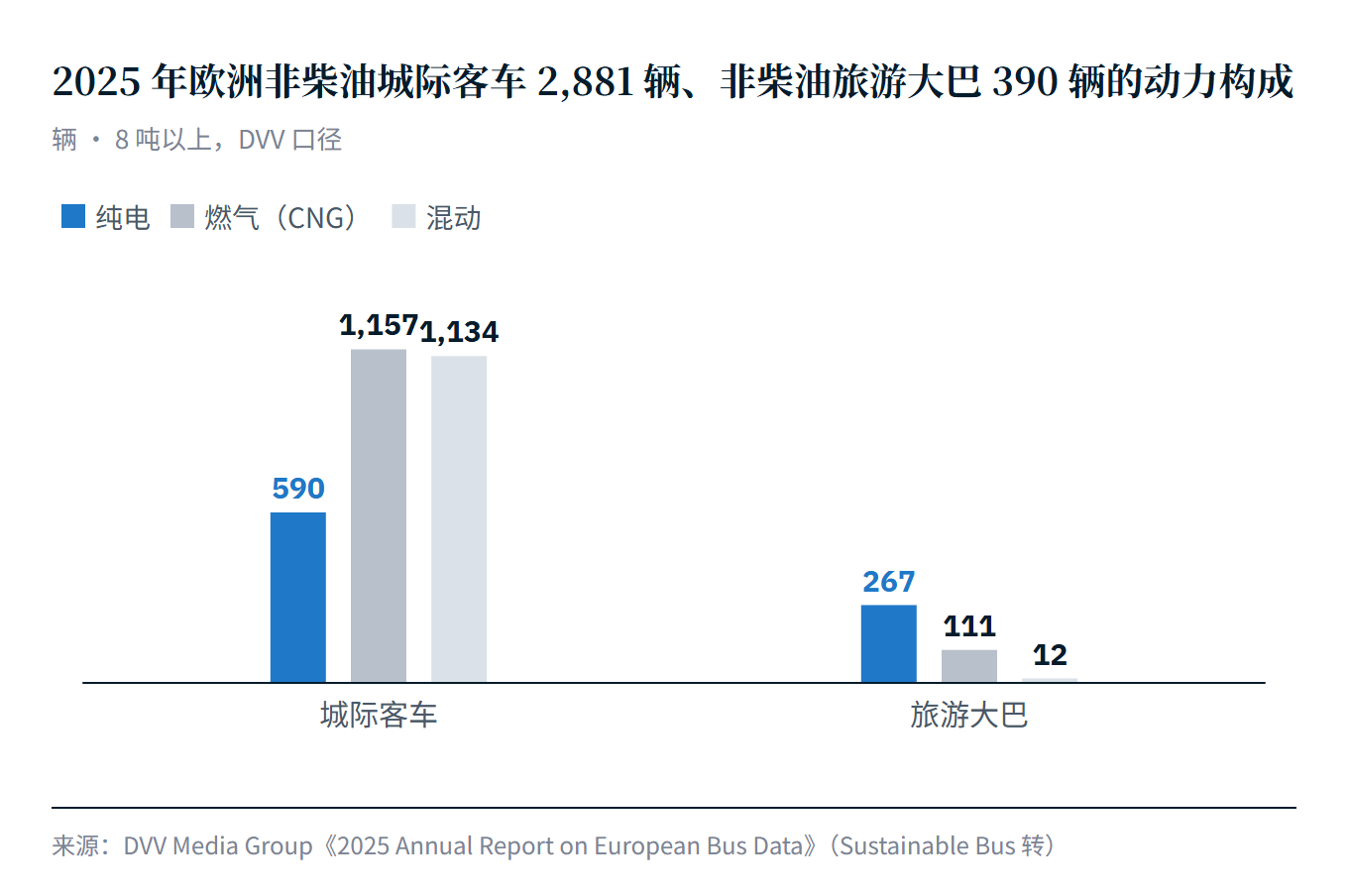
EU regulation requires carmakers' new intercity buses and coaches to achieve average emissions 43% below the reference period from 2030. Daimler says public charging infrastructure is at least three years behind and is calling for the review to link the targets to charging rollout. ACEA estimates that by 2030 these two vehicle categories will need about 30,000 charging sessions a day, around 98% of them off the TEN-T core corridors; even excluding operators' own depots, about 45% are not covered by existing plans. According to DVV, 590 battery-electric intercity buses and 267 electric coaches were registered in Europe in 2025, together about 7.4% of the 11,607 battery-electric buses registered that year.
Daimler's battery-electric intercity coach, the eIntouro, was delivered to its first customers this month, and MAN's battery-electric touring coach is due to enter production at the end of 2026. Daimler is building its own public charging stations in Hamburg and two other cities, but says it will not take responsibility for building a wide-scale network. Model launches are on schedule, but who will invest in the public charging network remains undecided, and OEMs' compliance risk is concentrated in these two vehicle types.
Germany cuts subsidies
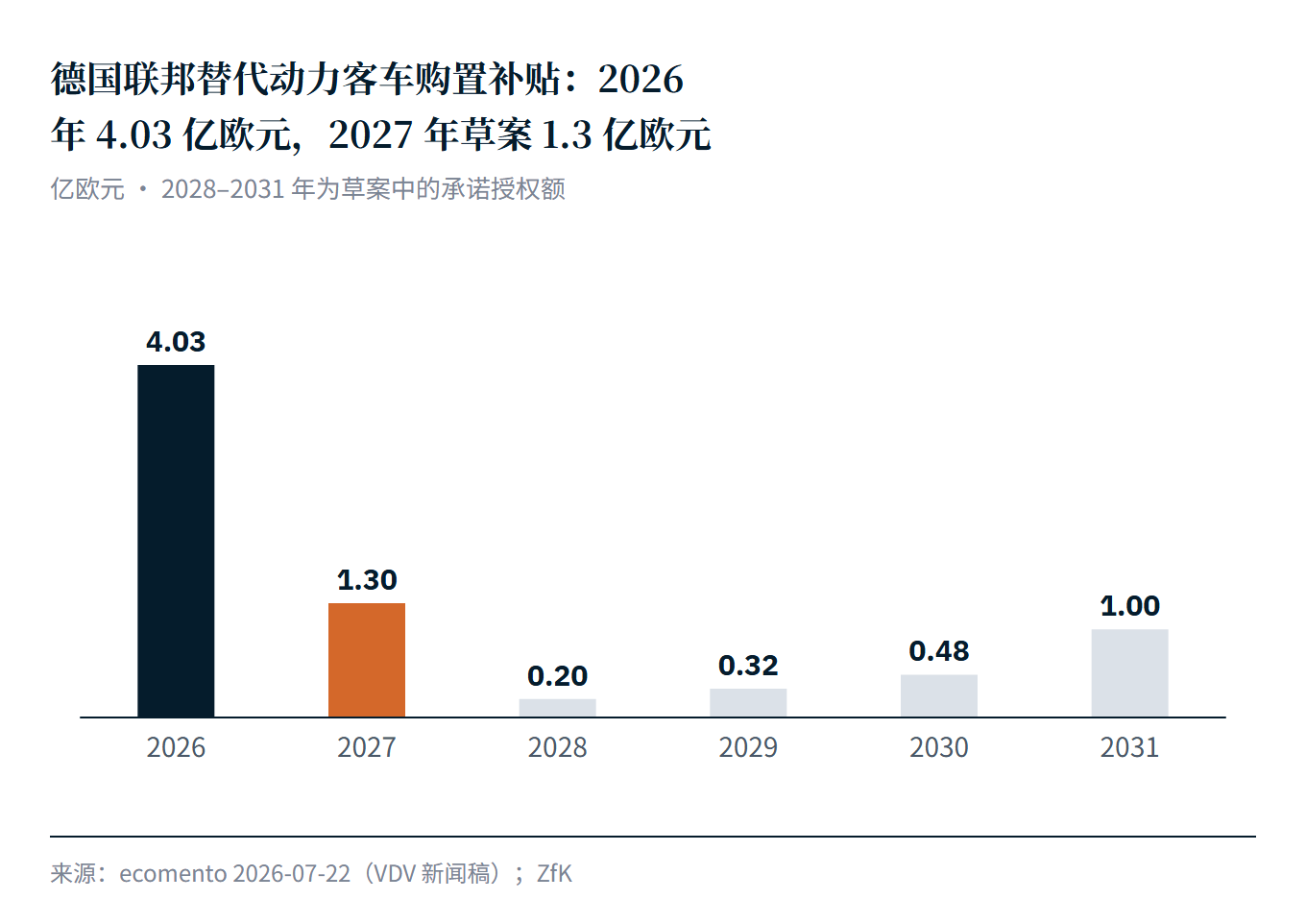
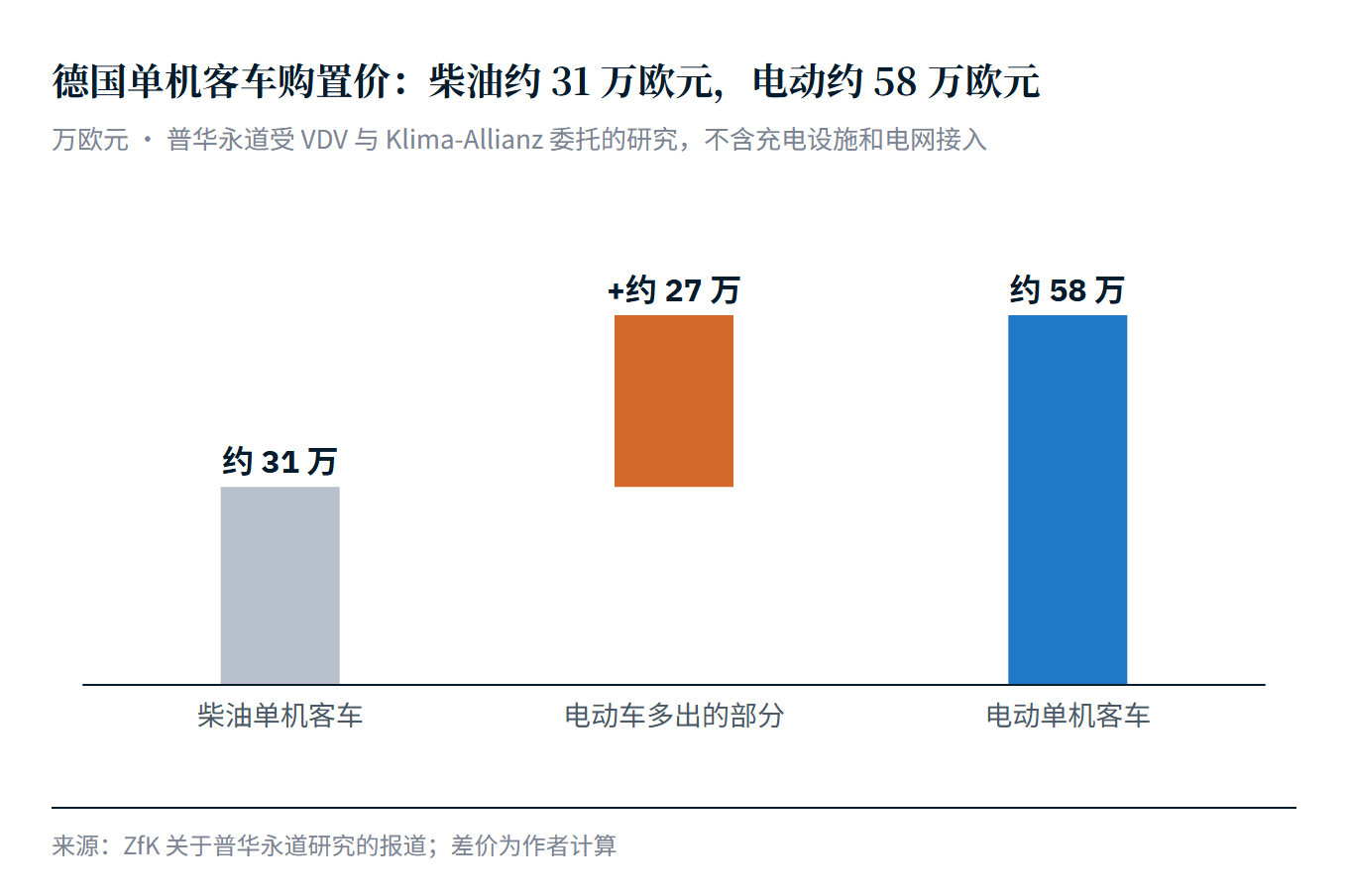
Daimler also criticised Germany's plan to cut subsidies for electric buses in 2027. Under the draft federal budget, the subsidy would fall from EUR 403 million in 2026 to EUR 130 million, a reduction of about 68%. A study commissioned by the German public transport association VDV puts the cost of an electric single-deck rigid bus at about EUR 580,000, against about EUR 310,000 for a diesel bus.
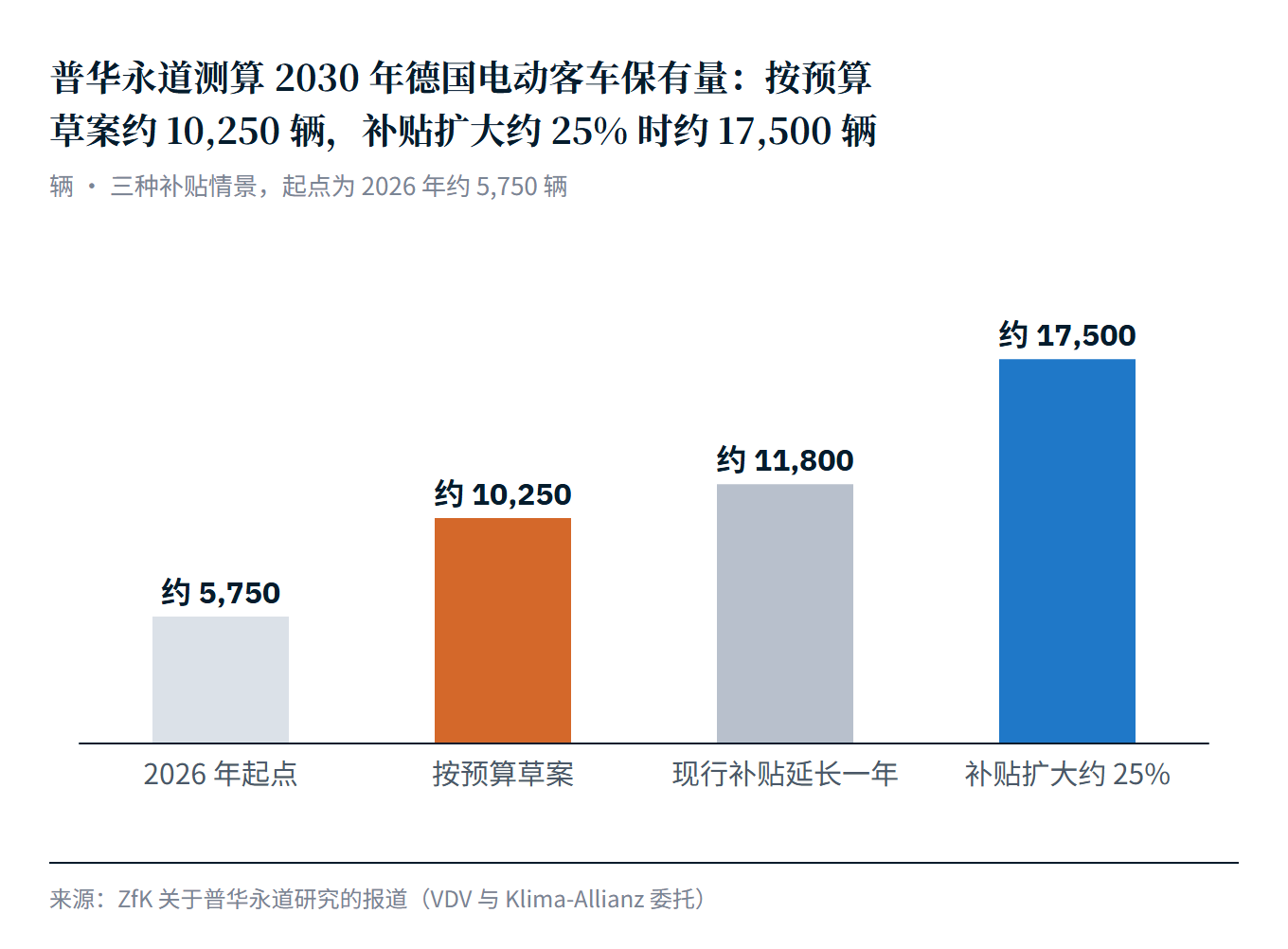
The purchase price gap is about EUR 270,000, not counting charging infrastructure and grid connection costs. If subsidies are cut as the draft proposes, bus operators will need to raise more funds and procurement plans will come under pressure.
The European Commission must submit a review report by the end of 2027, and any change to the deadlines would also require a legislative amendment. For Chinese manufacturers selling buses in Europe, the 2030 requirement for city buses has not been relaxed; whether the deadlines for the other two categories are pushed back depends on the review and the legislation that follows.
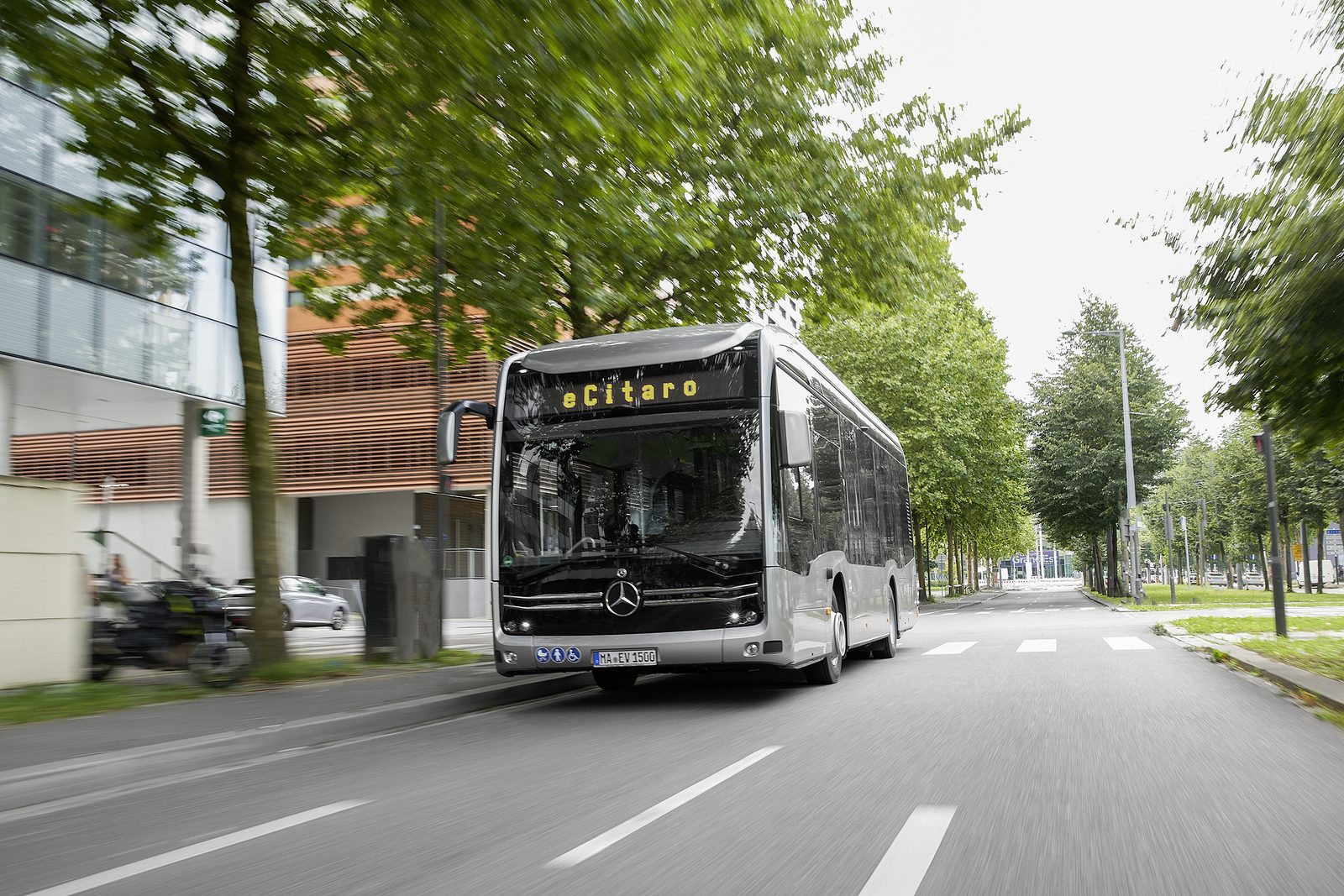
Image: Daimler Truck.
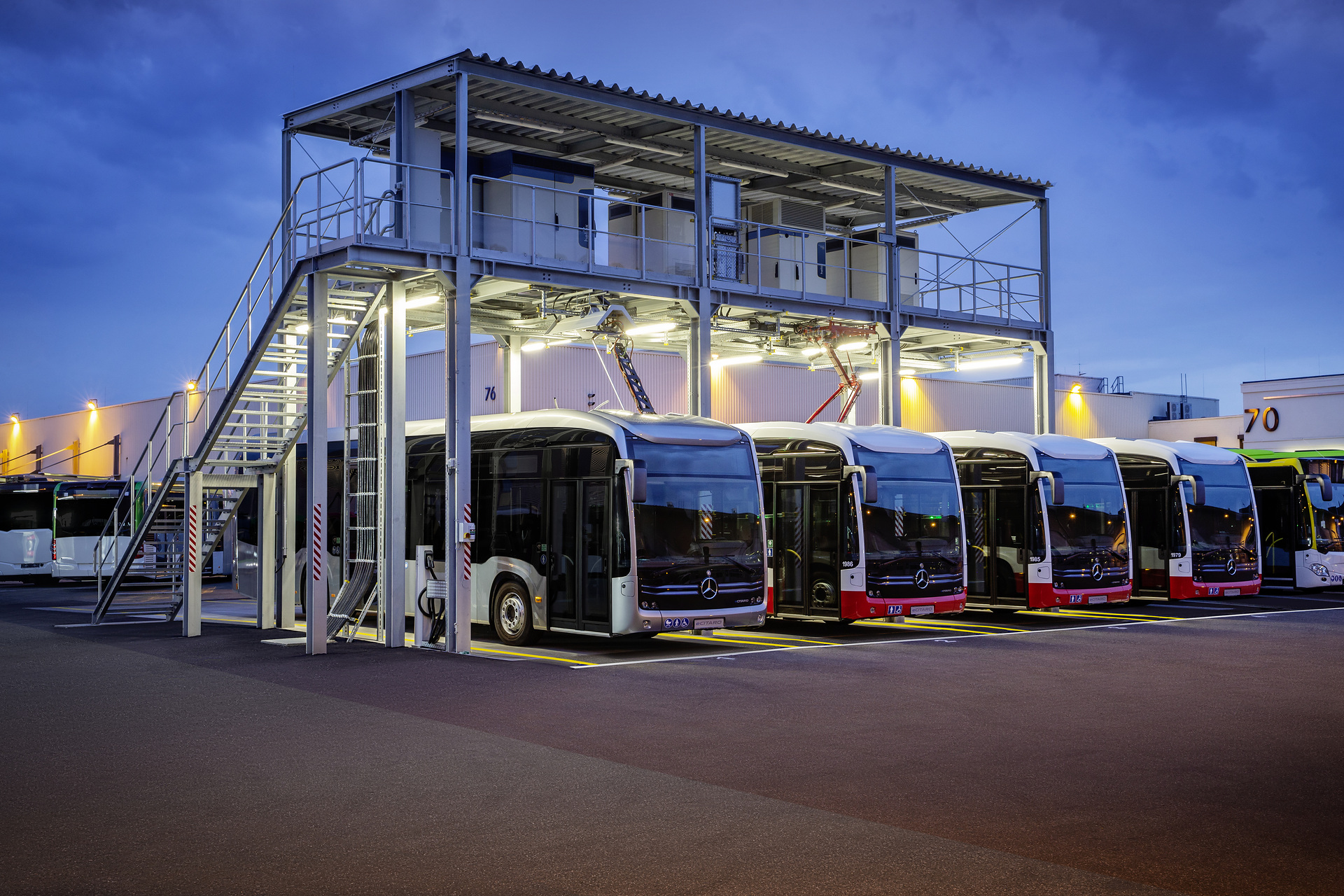
Image: Daimler Truck.
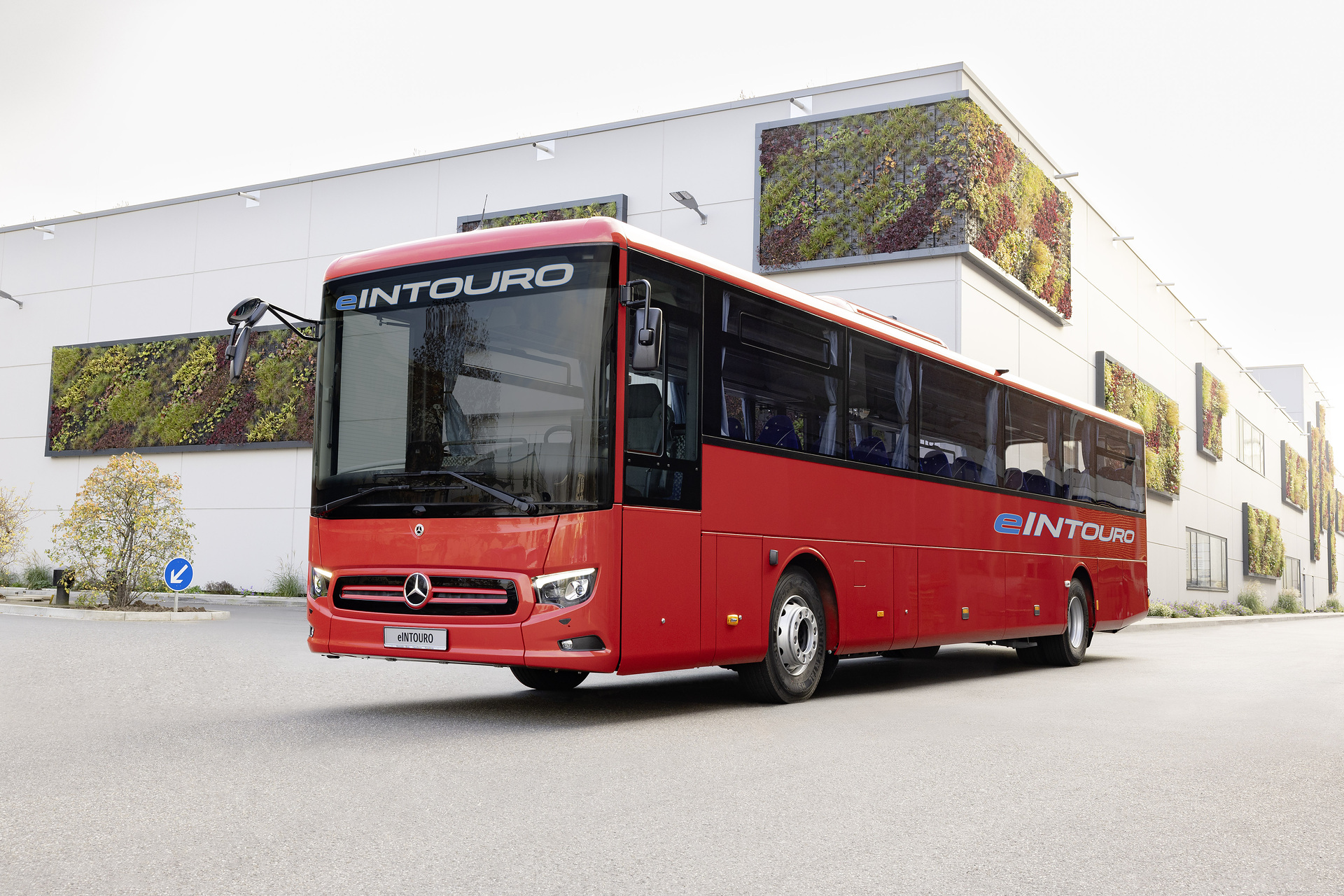
Image: Daimler Truck.
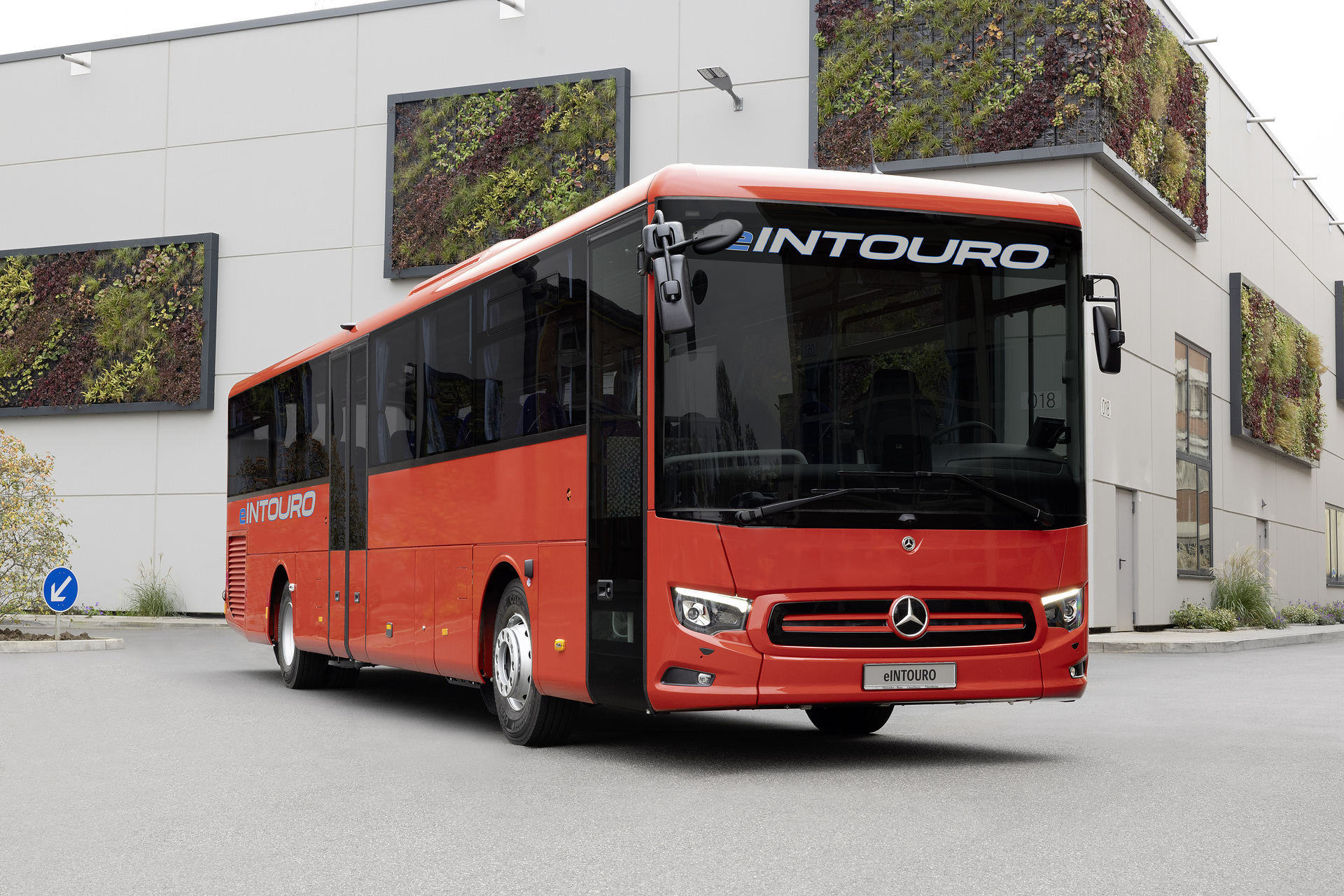
Image: Daimler Truck.
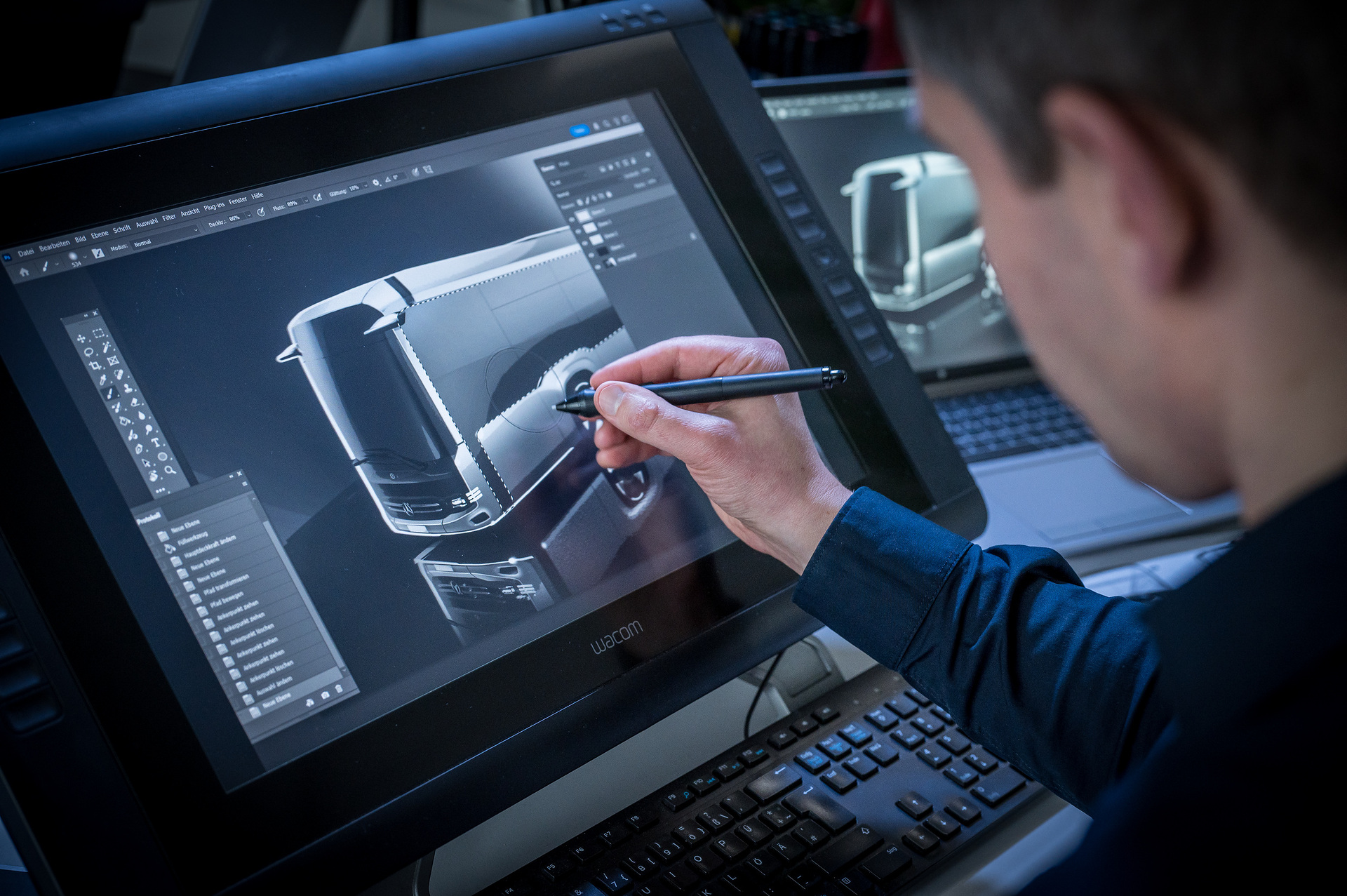
Image: Daimler Truck.
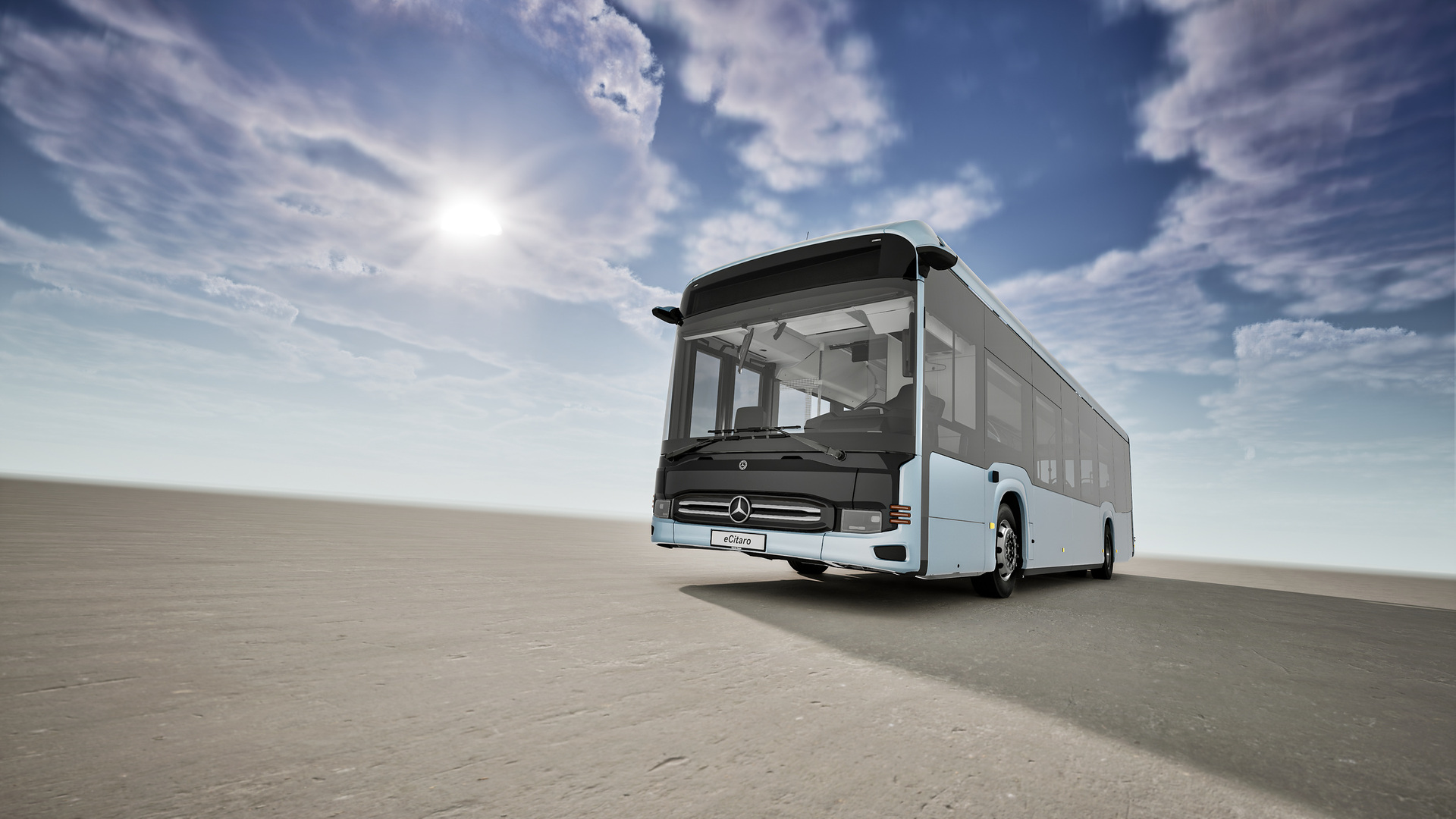
Image: Daimler Truck.
Source: Chart by AutoMusic based on the public sources listed in the article; first published on the AutoMusic WeChat account.