BYD Indonesia plant hiring dispute plays out at regency level
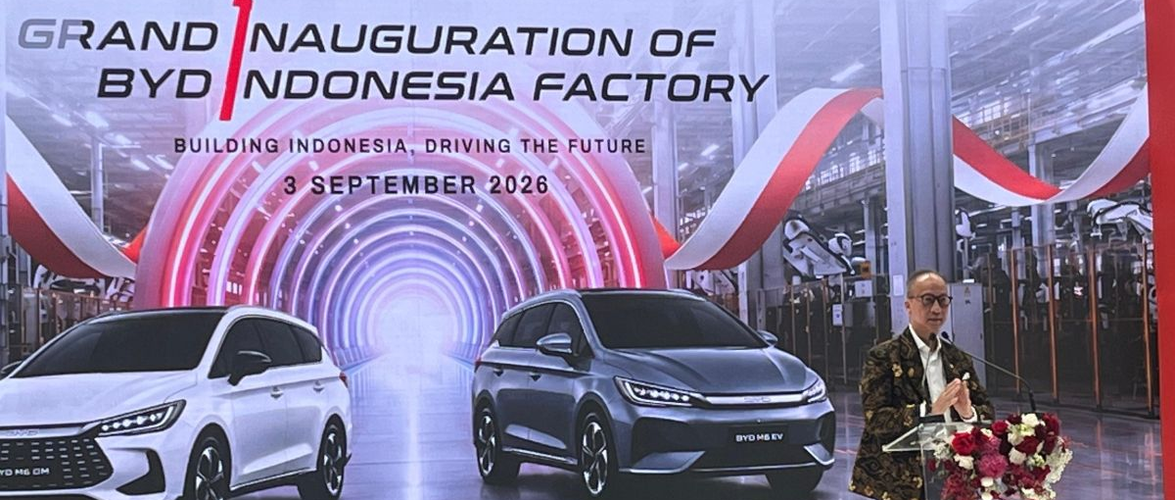
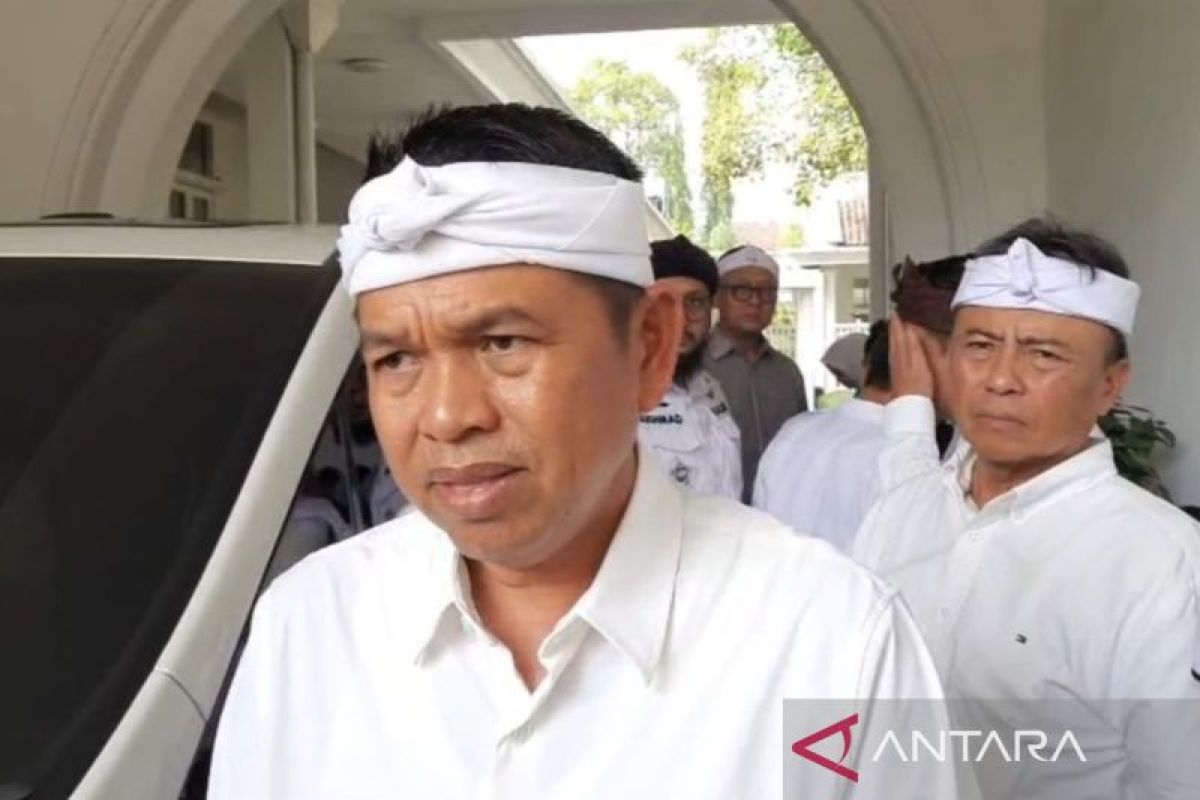
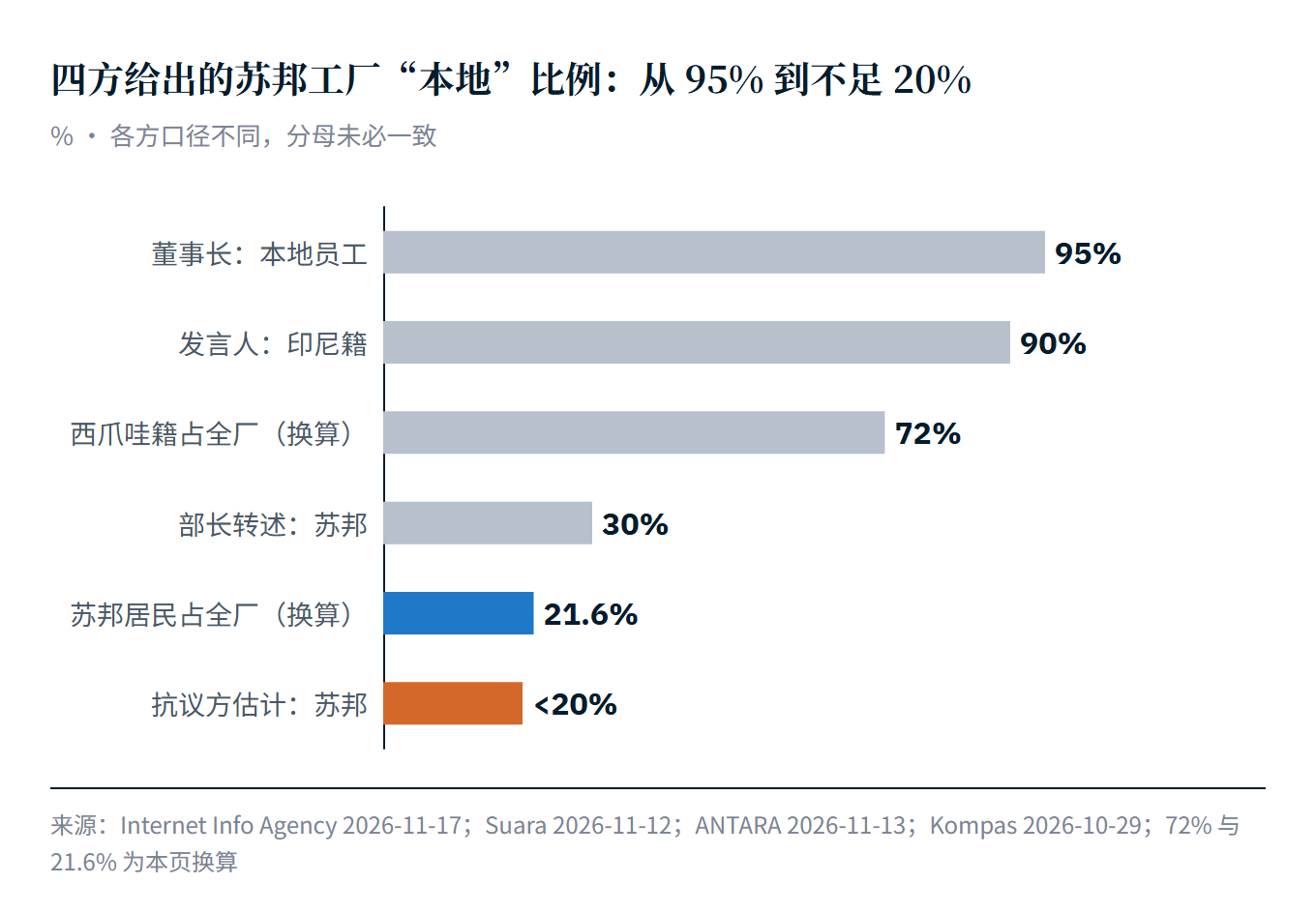
On Oct 28, several hundred members of the "Subang Solidarity Community Forum" protested outside BYD's Subang plant in Indonesia, claiming that local Subang residents make up less than 20% of the workforce. On Nov 17, West Java Governor Dedi Mulyadi said he would convene Subang security agencies to keep order at the industrial park, saying the dispute is over hiring. Based on BYD's published breakdown, Subang residents account for about 20% of the plant's workforce, not far from the protesters' estimate. The dispute is over the regency-level local share.
Three tiers of local-content definitions
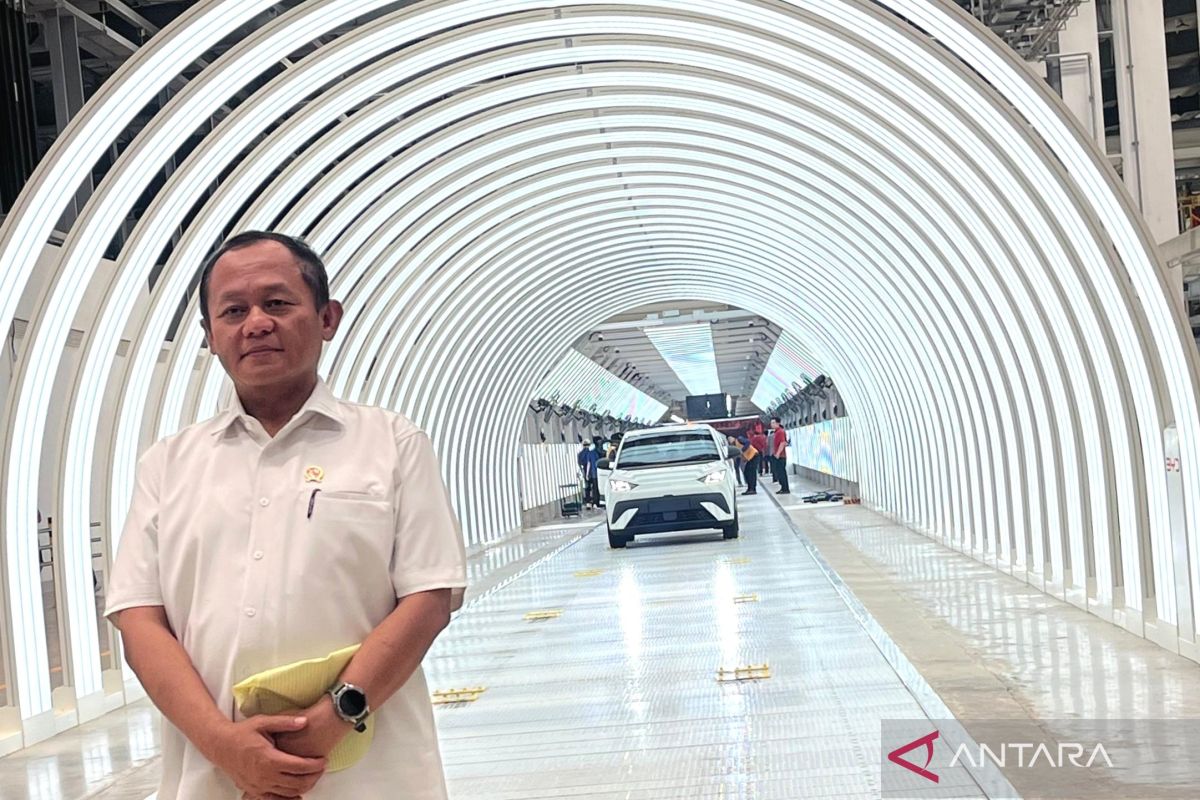
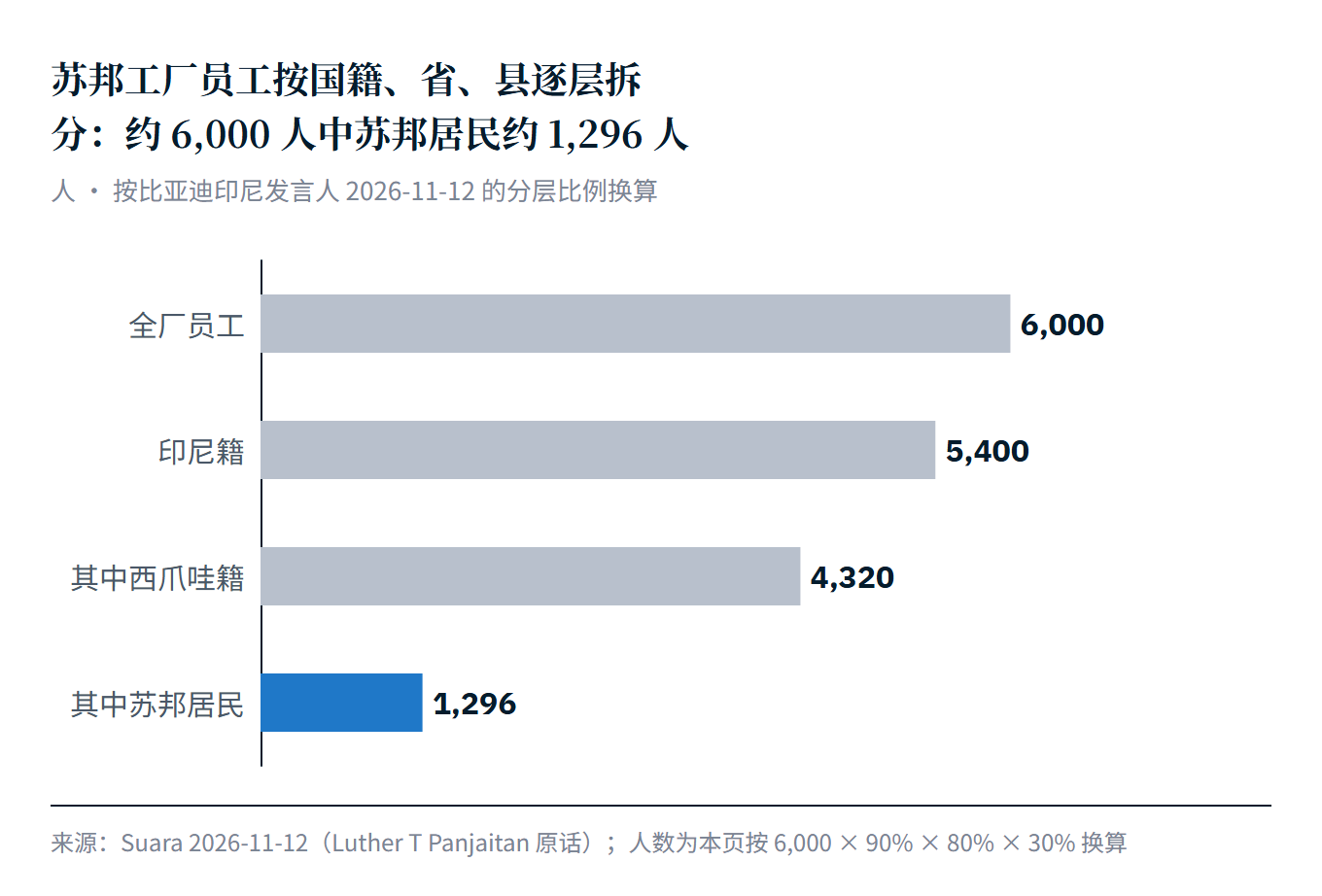
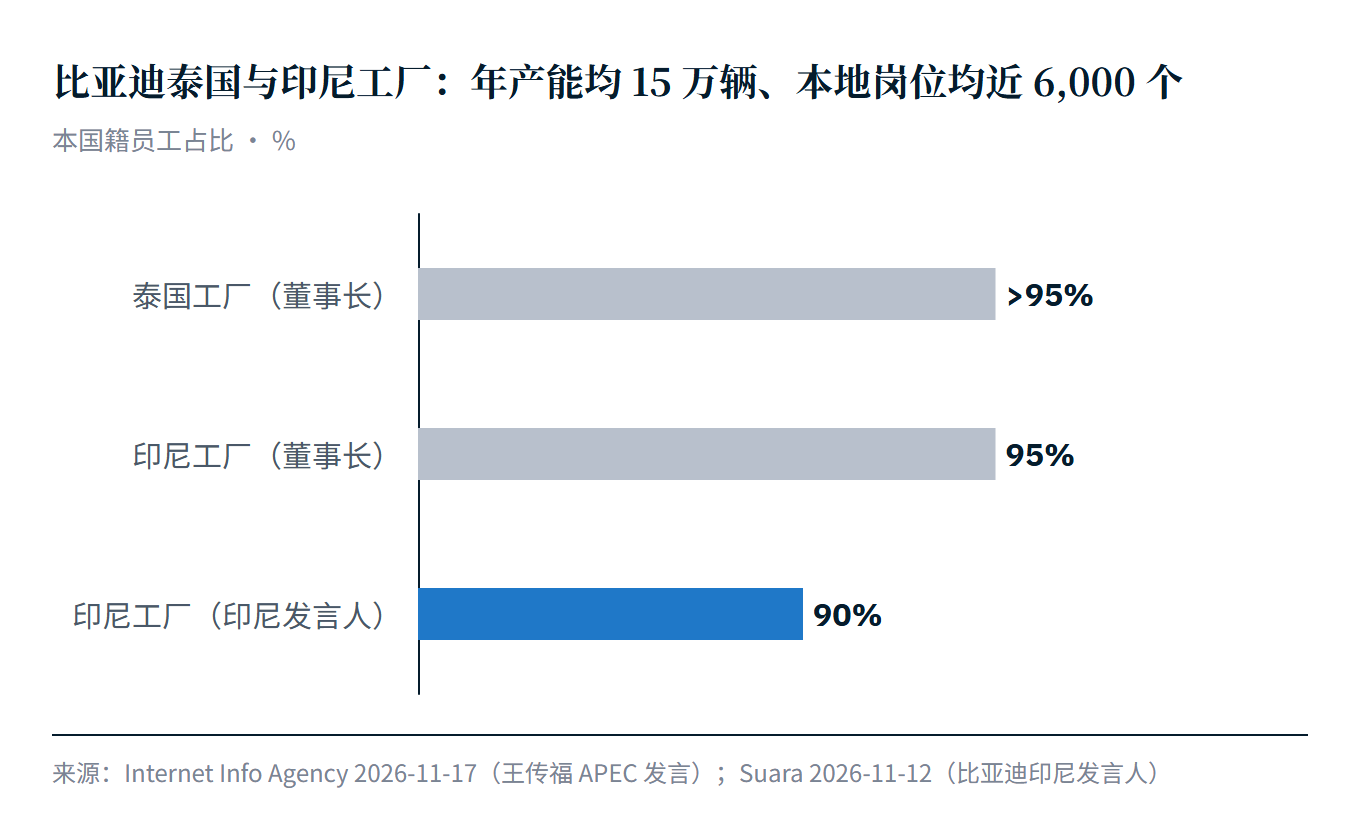
A BYD Indonesia spokesperson said on Nov 12 that the plant has nearly 6000 employees. 90% of them are Indonesian nationals, 80% of those come from West Java, and 30% of the West Java employees live in Subang. Multiplying through the layers gives about 1300 Subang residents, roughly 22% of the plant's workforce. The next day, Indonesia's industry minister visited the plant and relayed the figures as 80% from West Java and 30% from Subang, without stating the base used. On Nov 17, at the APEC CEO Summit in Shenzhen, BYD said 95% of the Indonesian plant's workforce is local, 5 percentage points higher than the spokesperson's 90%. The difference was not explained. The "less than 20%" figure currently appears to be the protesters' estimate. Indonesian nationals already make up 90% of employees, but local concern is at the regency level, and figures broken down by nationality do not answer that demand.
Experience requirements
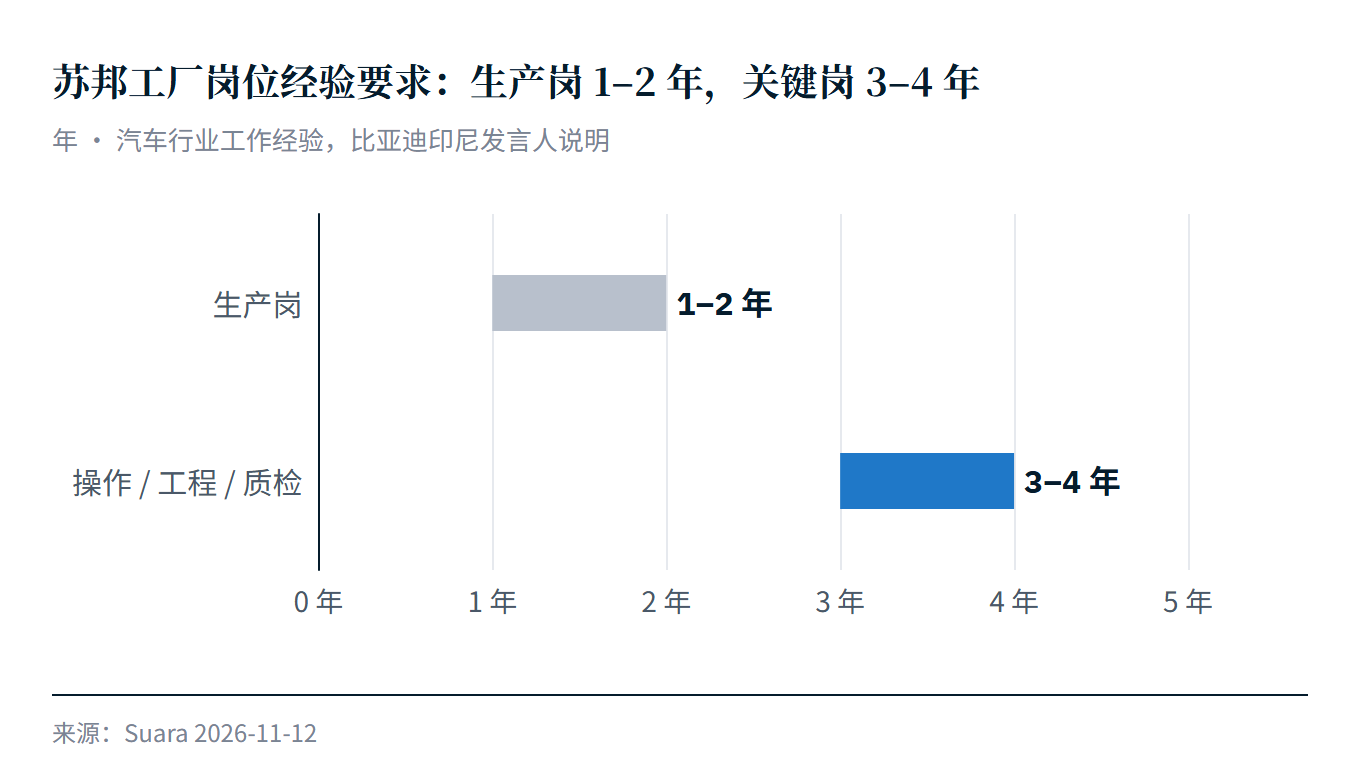
BYD said production jobs require 1 to 2 years of automotive industry experience, and key roles in operations, engineering and quality inspection require 3 to 4 years. It added that Subang previously lacked an industrial base in vehicle assembly, so most skilled workers come from other parts of West Java. The protesters are demanding transparent hiring and a local regulation requiring new investments to hire 70% local workers, as well as checks on one company's permits and its hazardous waste contractors. They also proposed an EV vocational training centre jointly funded by the regency and provincial budgets and BYD's CSR funds. How many jobs are opened up and how many trainees are hired will determine how quickly the share of Subang residents rises.
From land acquisition to full production
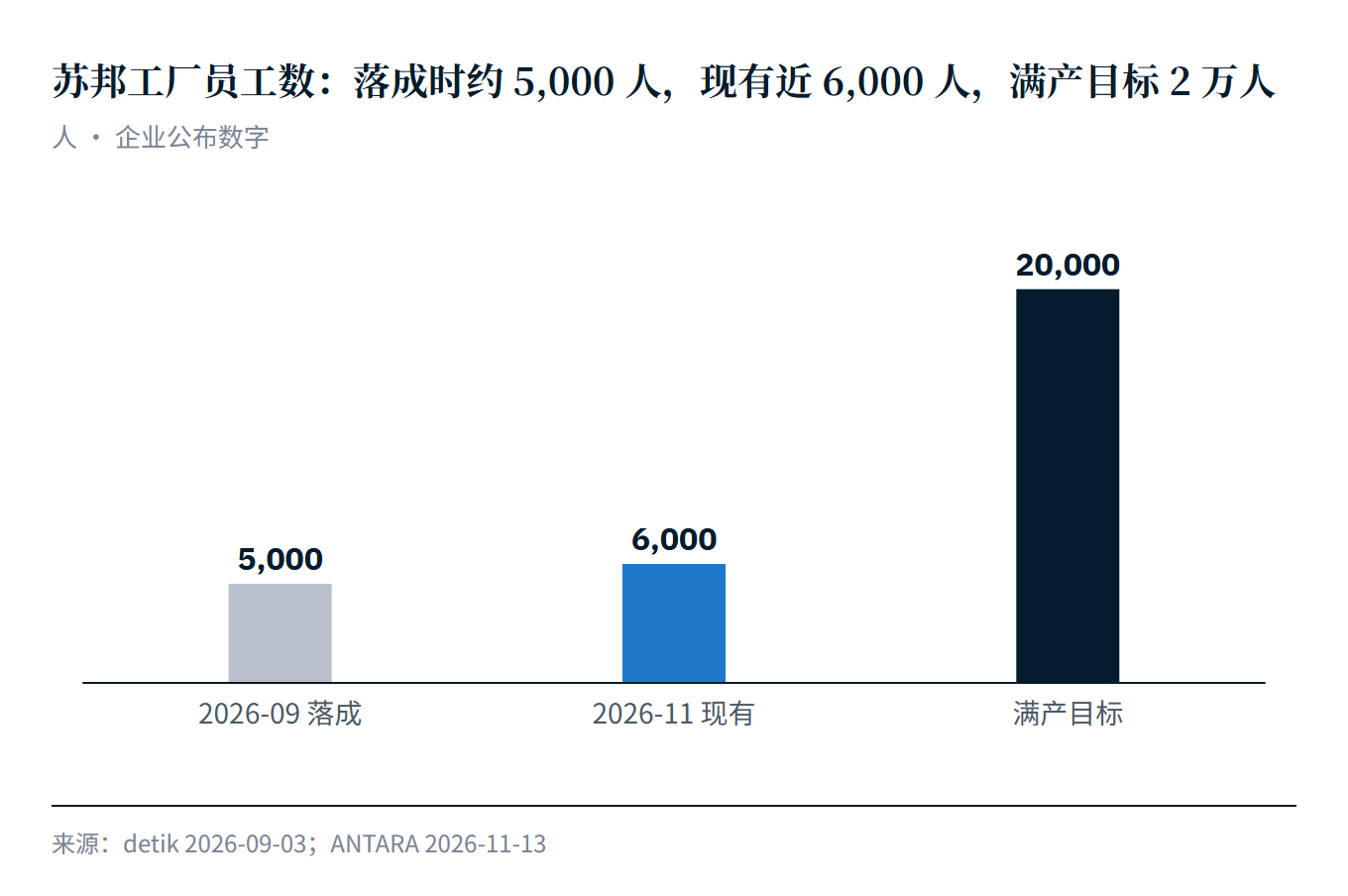
In Apr 2025, while land for the plant was still being acquired, BYD was already required to clarify its headcount and give priority to skilled workers from Subang. When the plant was completed on Sep 3, 2026, it had about 5,000 Indonesian employees; it now has nearly 6,000, with a target of 20,000 at full production. The industry minister also required a local content rate (TKDN) of 60% by 2027. Across the whole plant, even if 70% of the roughly 14,000 new jobs went to Subang residents, their share would reach only about 55%. So the earlier the hiring rules are made clear, the less likely new disputes will arise.
The same challenge for overseas plants
The Thai plant has created nearly 6000 local jobs, with Thai nationals making up more than 95% of staff; the same applies in Brazil. Vietnamese automaker VinFast, also in Subang, inaugurated its plant on Dec 15, 2025, and the next day likewise faced protests by several hundred local residents demanding priority hiring of locals.
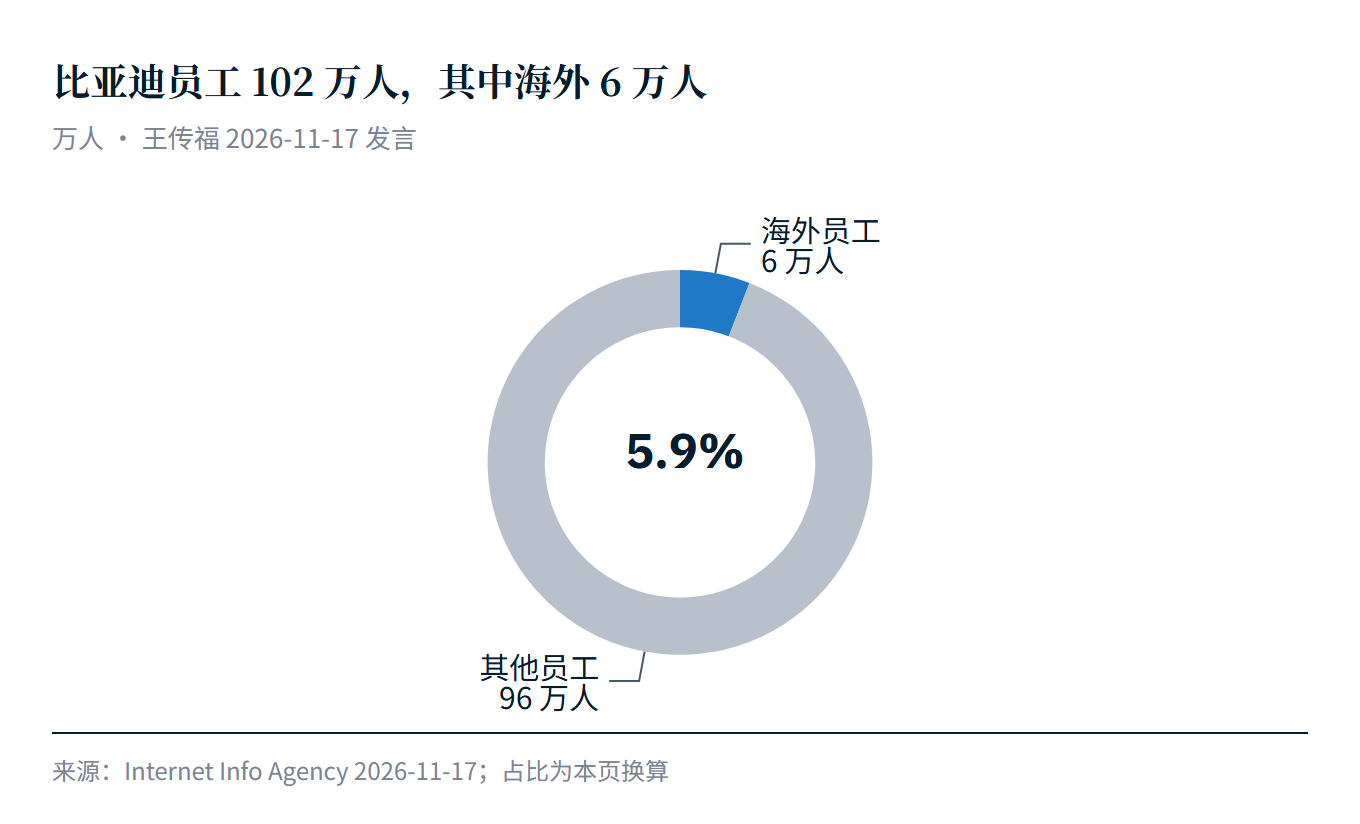
County-level hiring demands apply regardless of the investor's nationality. BYD says local nationals make up over 90% of staff at its overseas plants, but a nationality-based figure struggles to meet employment expectations in the host county. Publishing workforce data by tier and running training jointly with local authorities can help keep local relations stable.
Sources: ANTARA, Kompas, Suara, detik, Internet Info Agency, The Vietnamese

Source: Chart by AutoMusic based on the public sources listed in the article; first published on the AutoMusic WeChat account.