Germany BEV vans up 62% in month 10
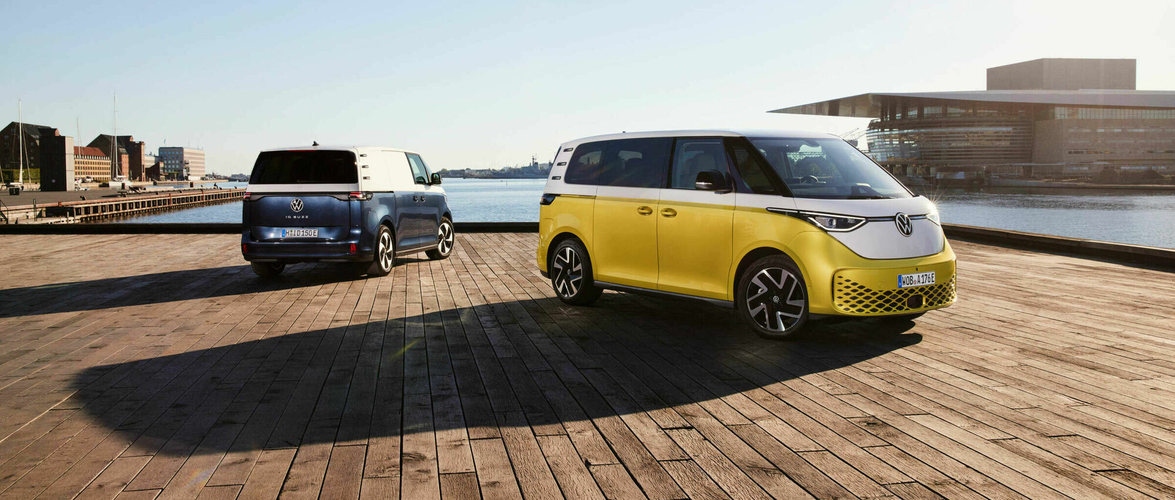
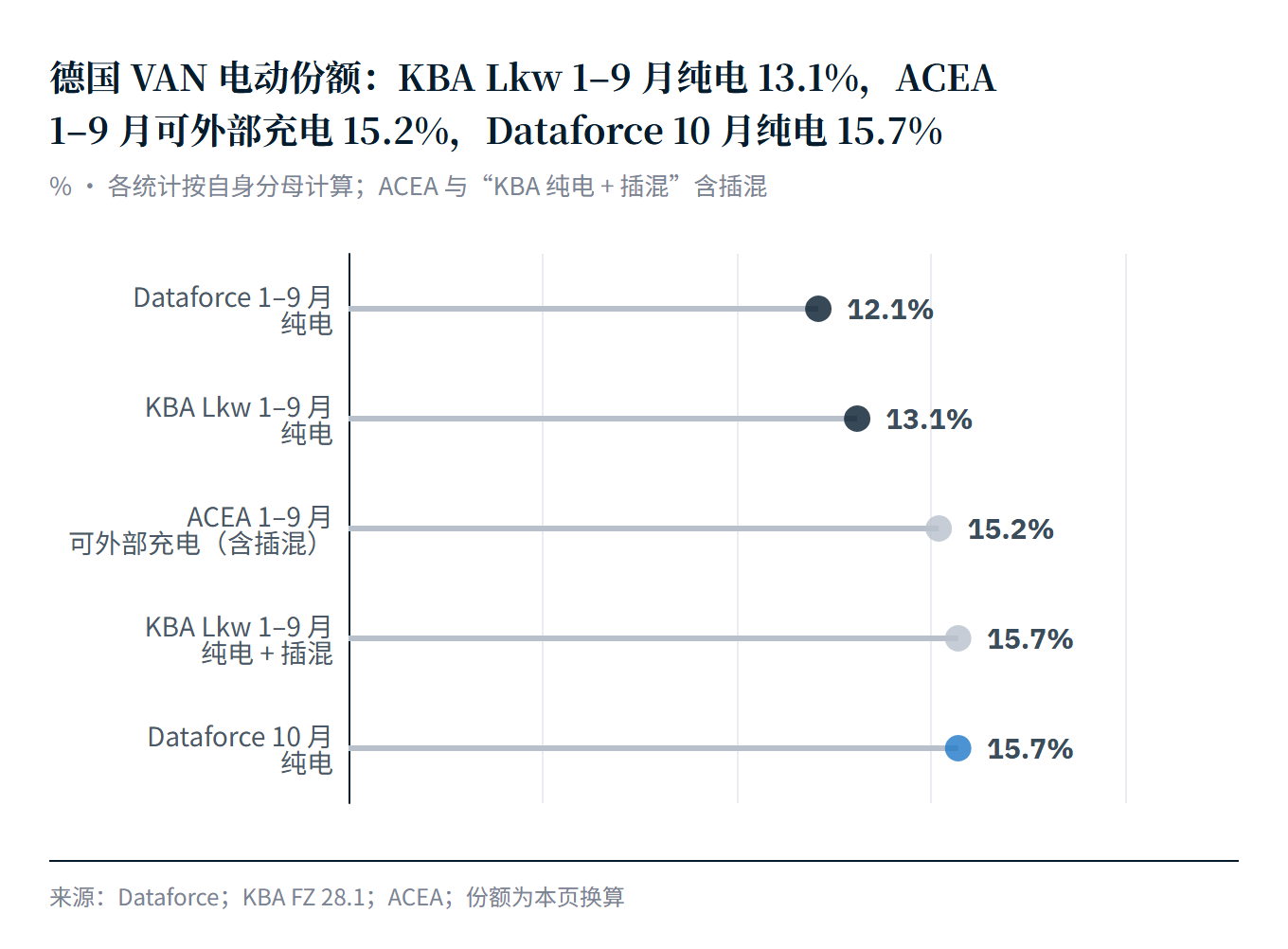
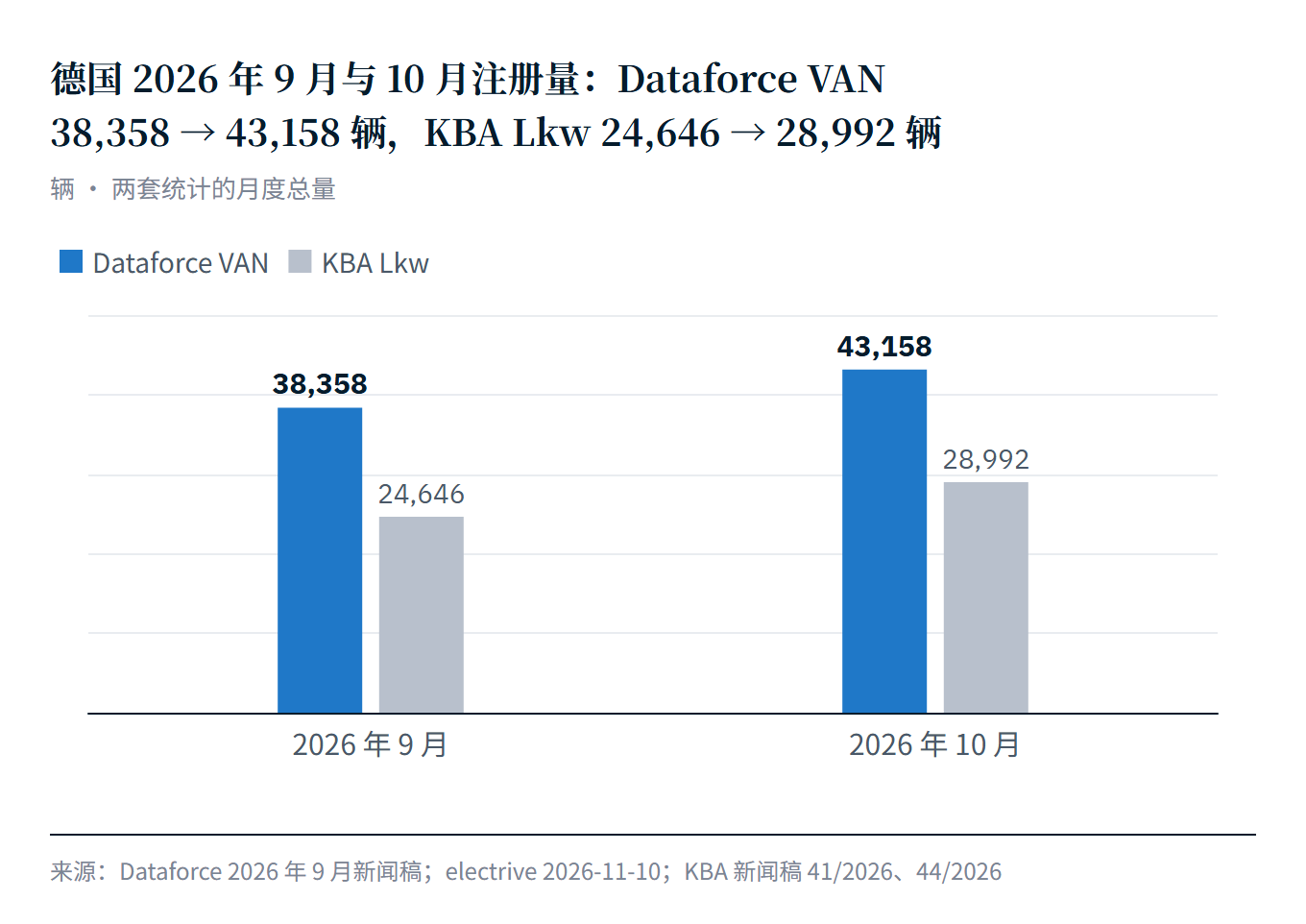
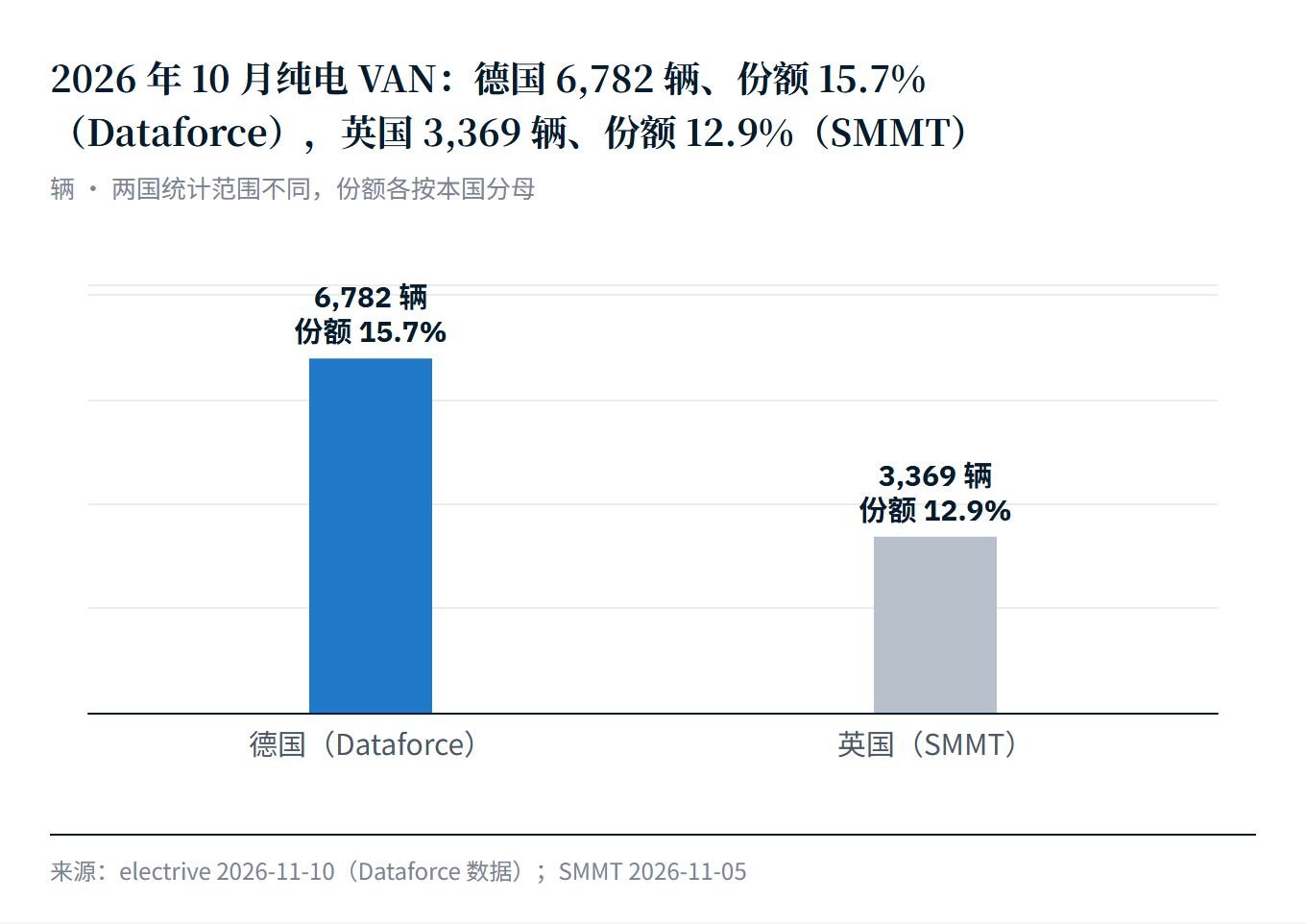
New van registrations in Germany reached 43158 in 10, up 7% year on year after three consecutive months of decline; battery-electric vans totalled 6782, up 62%, for a 15.7% share. The Federal Motor Transport Authority (KBA) has not yet released its 10 breakdown by powertrain; published total goods vehicles (Lkw) came to 28992, up 10.3%.
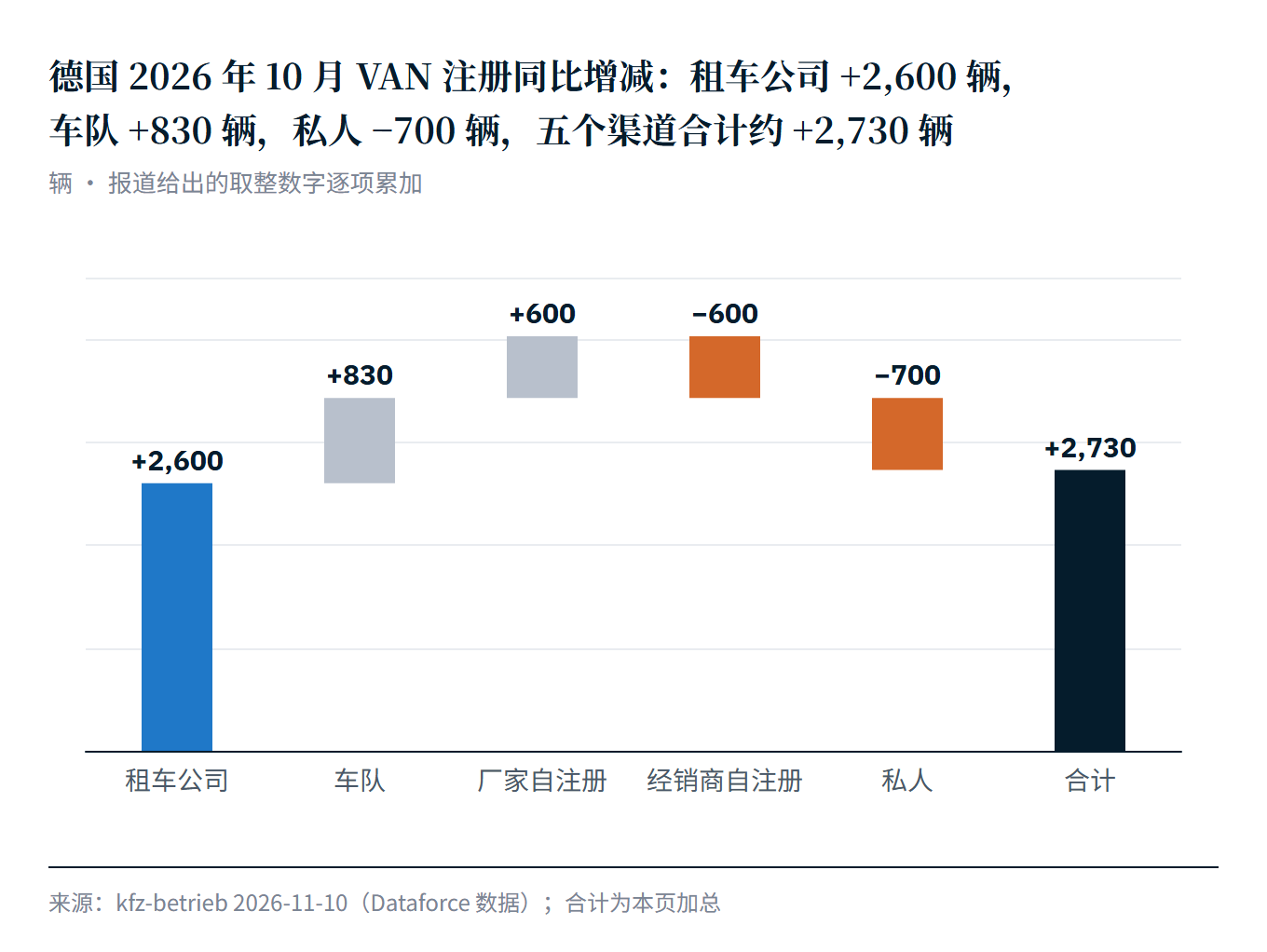
About 90% of the rebound in total volume in month 10 came from the rental channel, a recovery from a low base; the BEV share rose steadily throughout the year.
Three statistical bases
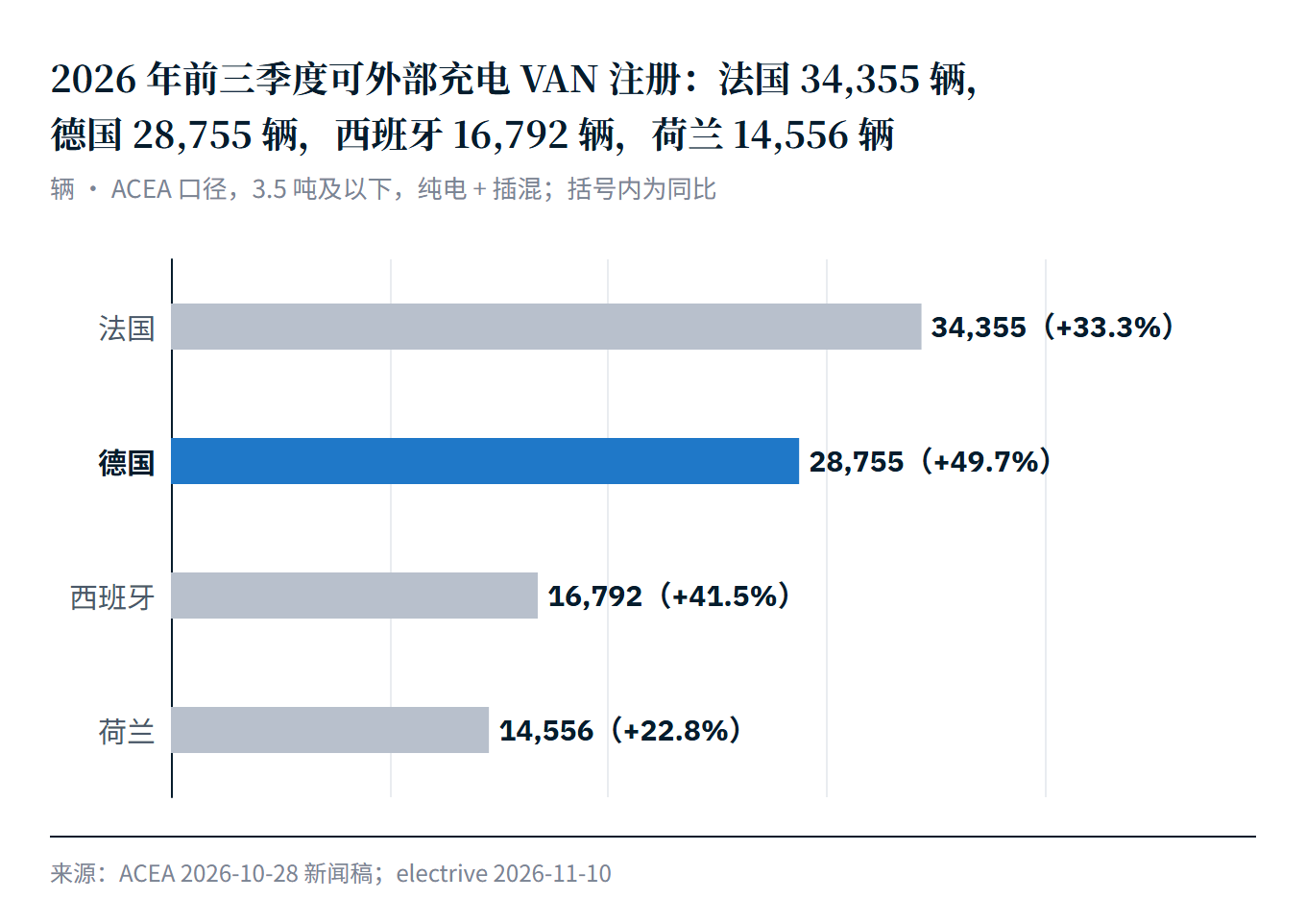
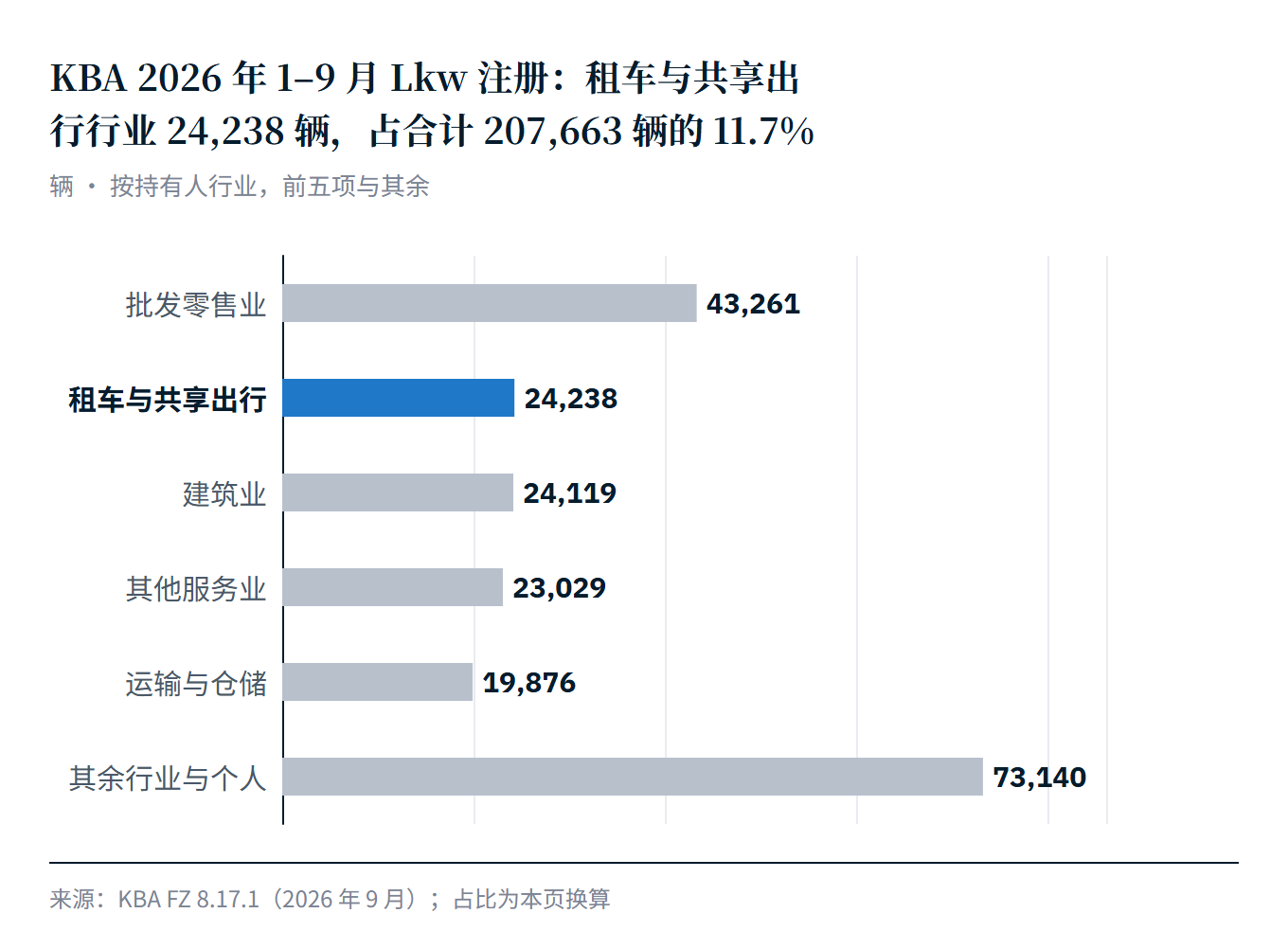
Dataforce's van figures cover commercial vehicles under 7 tonnes plus van-derived models registered as passenger cars: about 371,000 units in January–September, with BEV excluding PHEV. KBA's Lkw category counts only vehicles registered as goods vehicles, across all weight classes: 207,663 units in January–September, of which 27,115 were battery-electric, a 13.1% share. The European Automobile Manufacturers' Association (ACEA) reported on October 28 that Germany registered 188,704 vans under 3.5 tonnes, with 28,755 "externally chargeable" units, up 49.7%; this category includes PHEVs. Under each source's different methodology, the electric share falls between 12% and 16%.
Growth driven by rental fleets
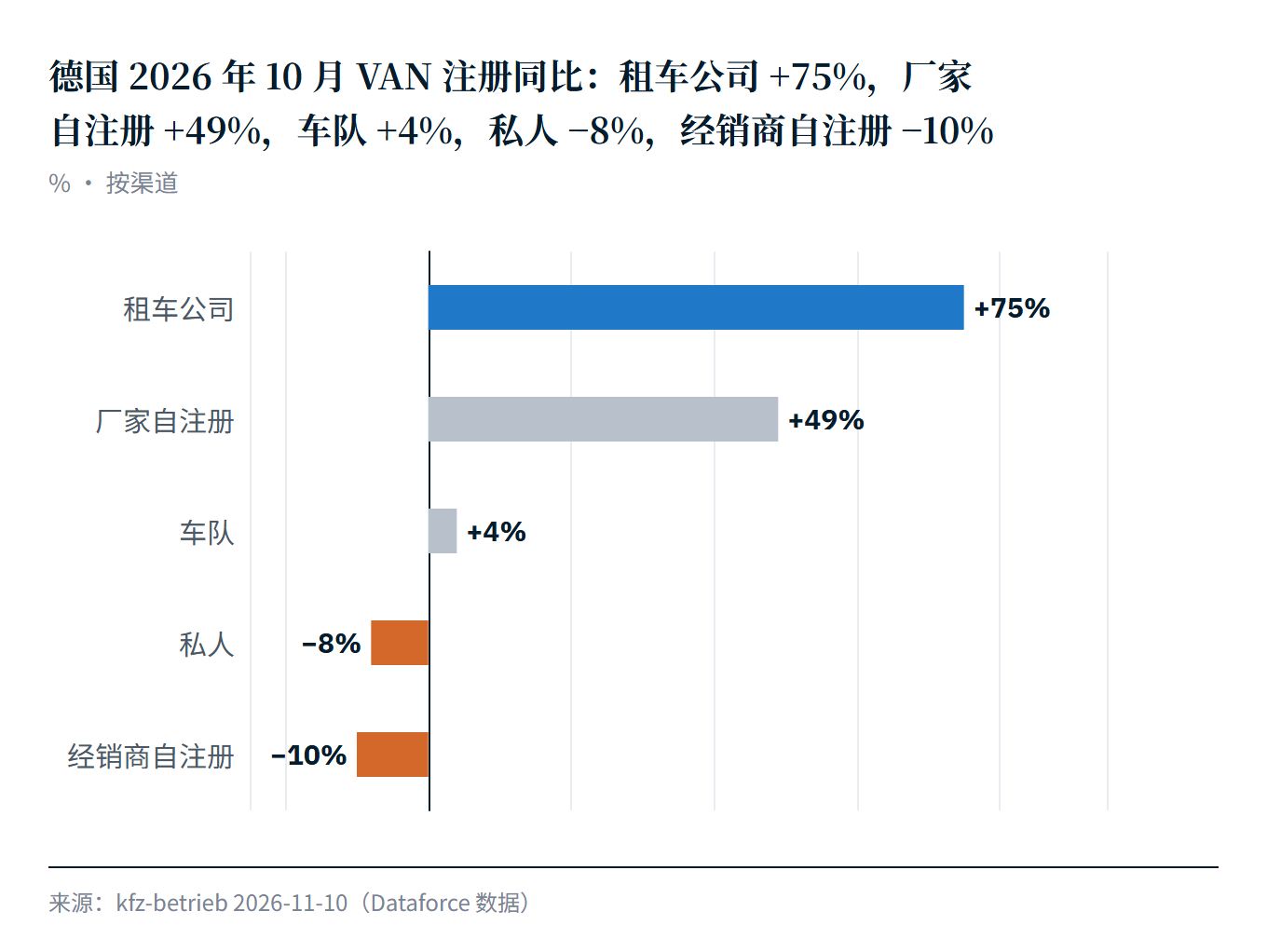
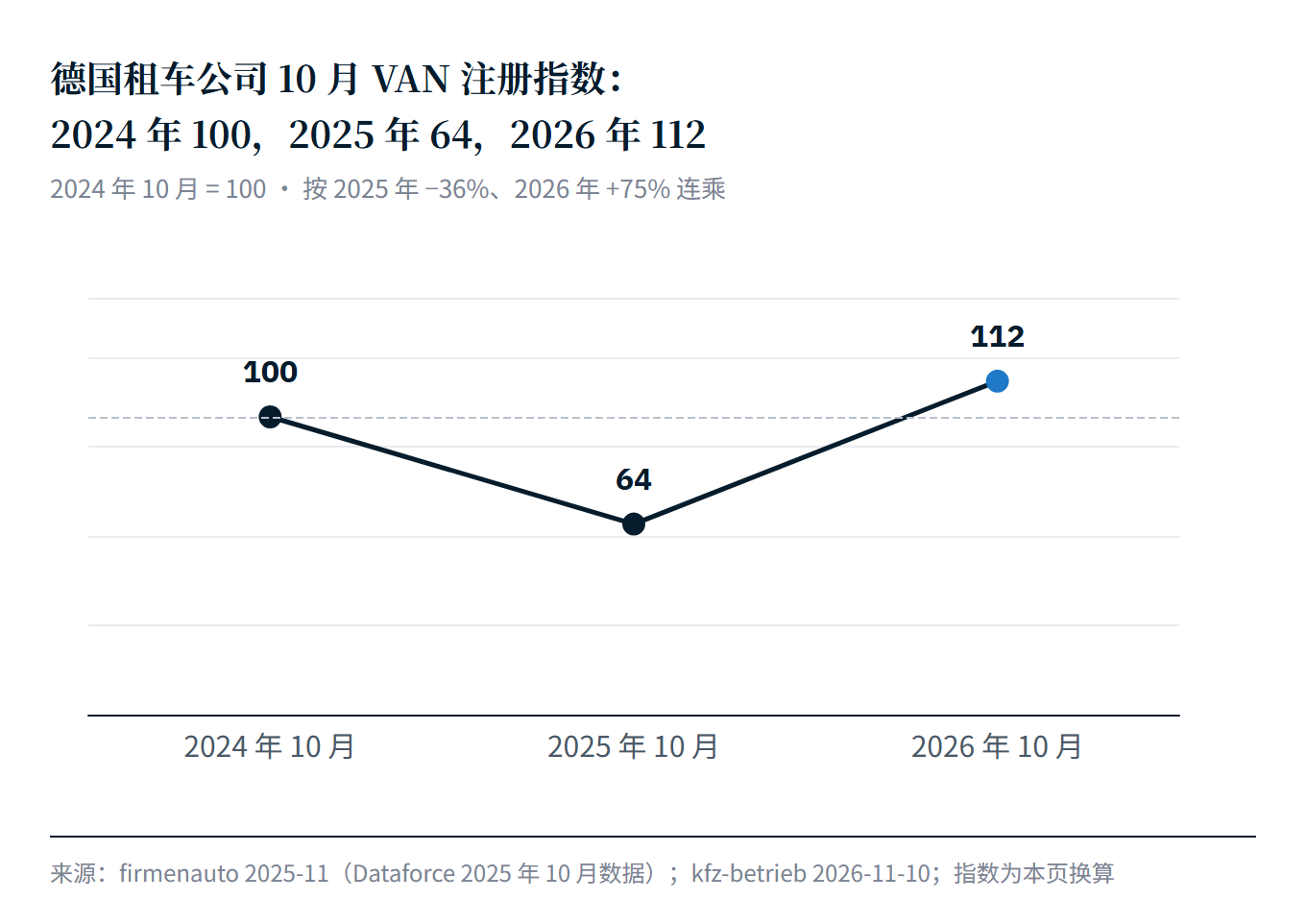
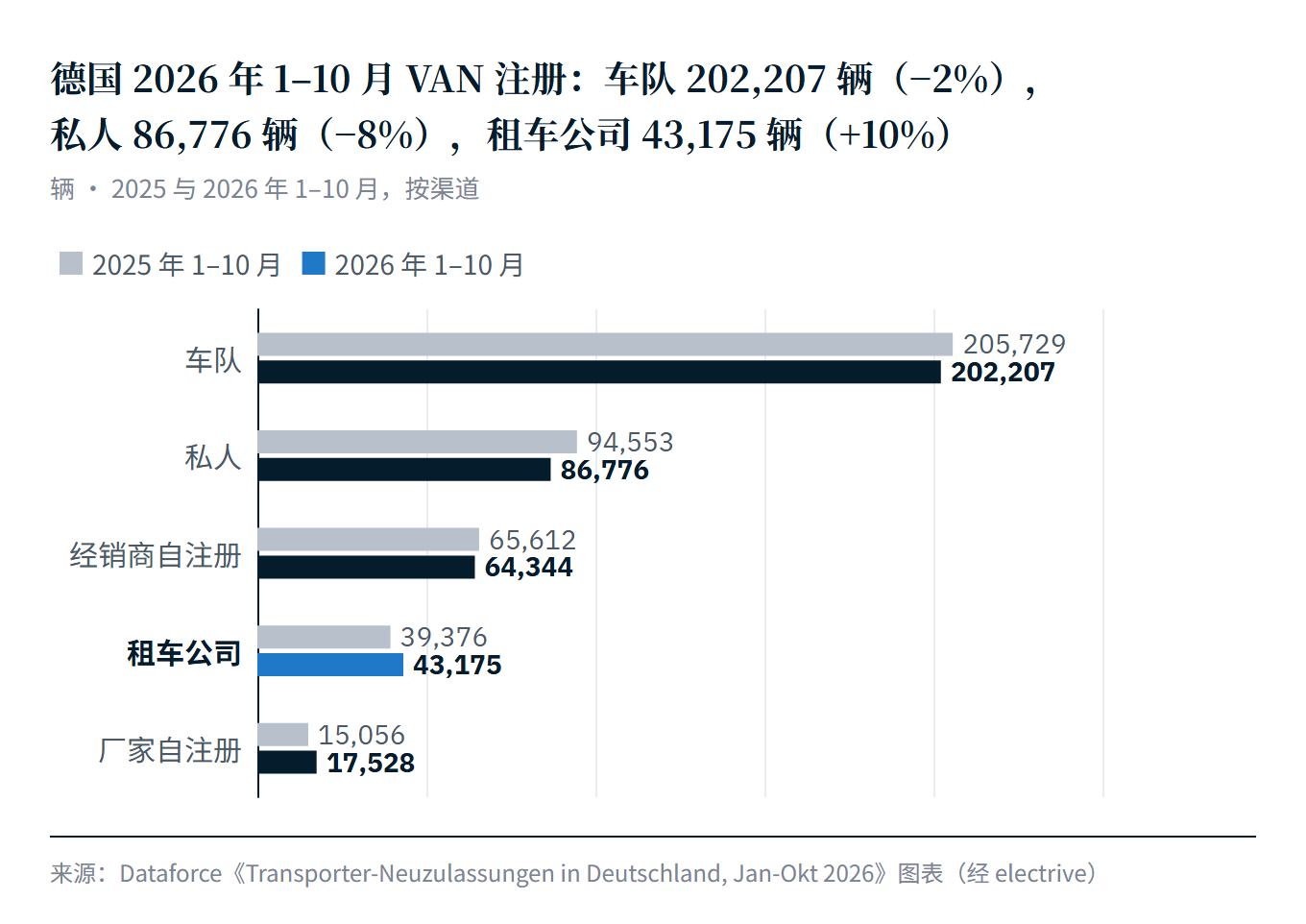
In 10, rental company registrations rose 75%, an increase of about 2600 units; fleet customers rose 4%, up 830; private registrations fell 8%, down 700; and manufacturer and dealer self-registrations moved in opposite directions by about 600 units each. The market as a whole grew by a net 2800 or so. Rental company registrations had fallen 36% in 10 last year, so this year's figure is a rebound from a low base and, once adjusted, only about 12% above Oct 2024. Rental companies added 3799 units cumulatively over 1–10, two-thirds of them in 10. The fleet channel, which accounts for nearly half of registrations, grew only 4% in 10 and remains down 2% for 1–10; corporate fleet replacement demand has not yet recovered.
Diesel still 70%
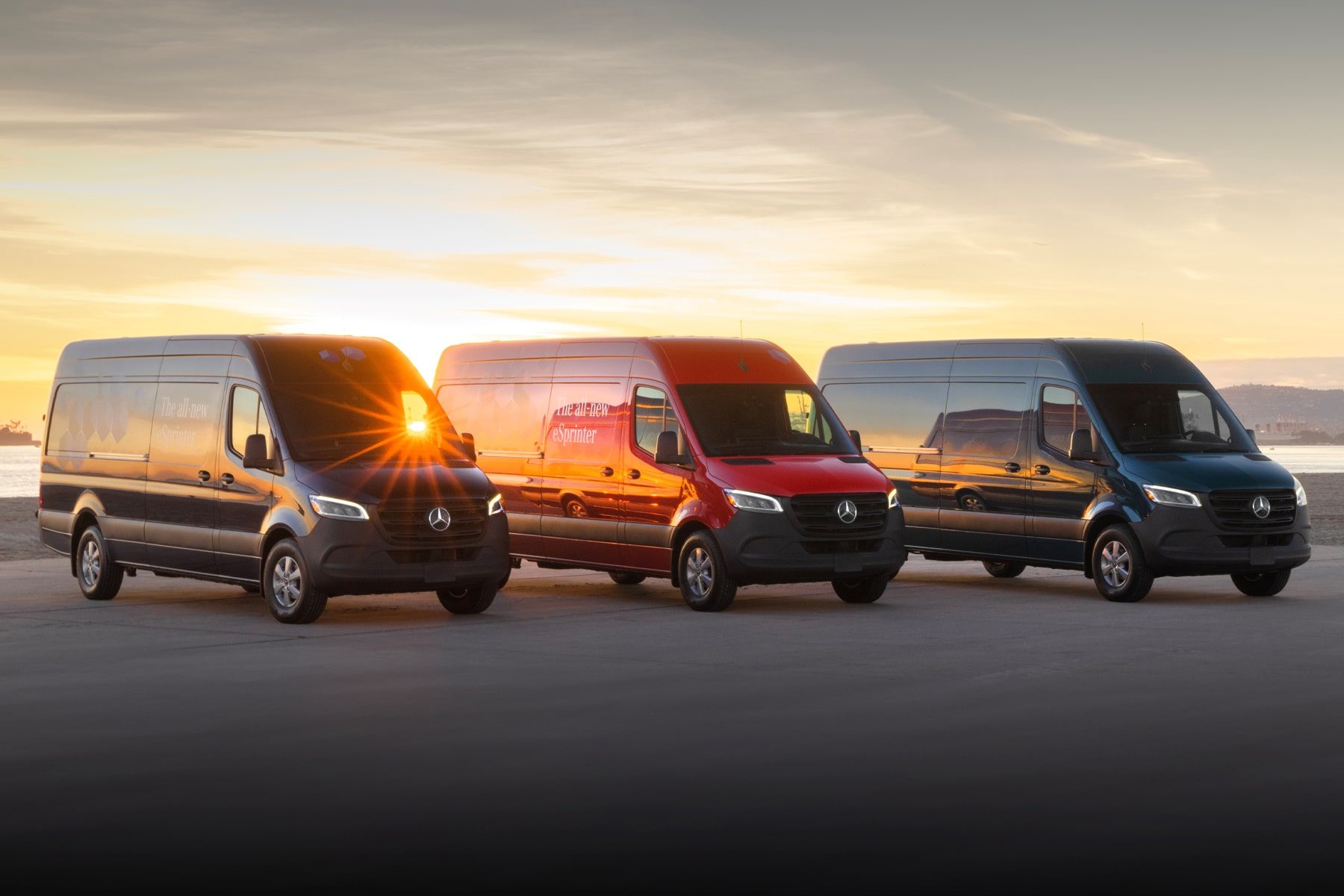
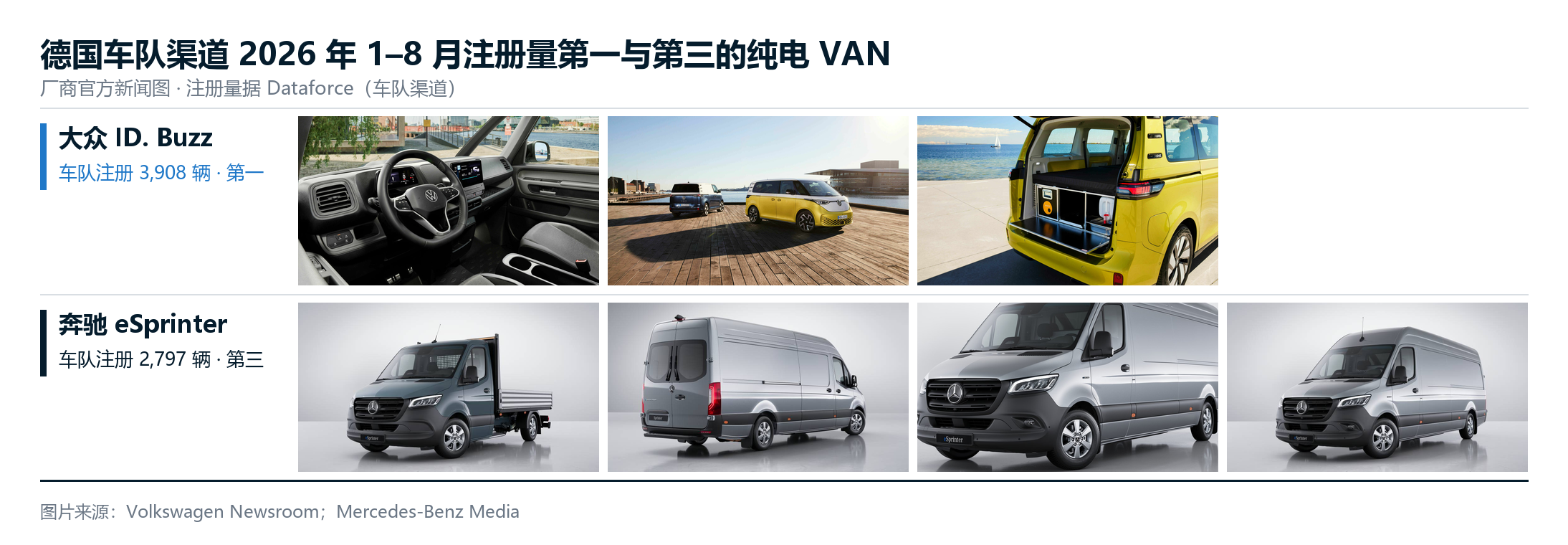
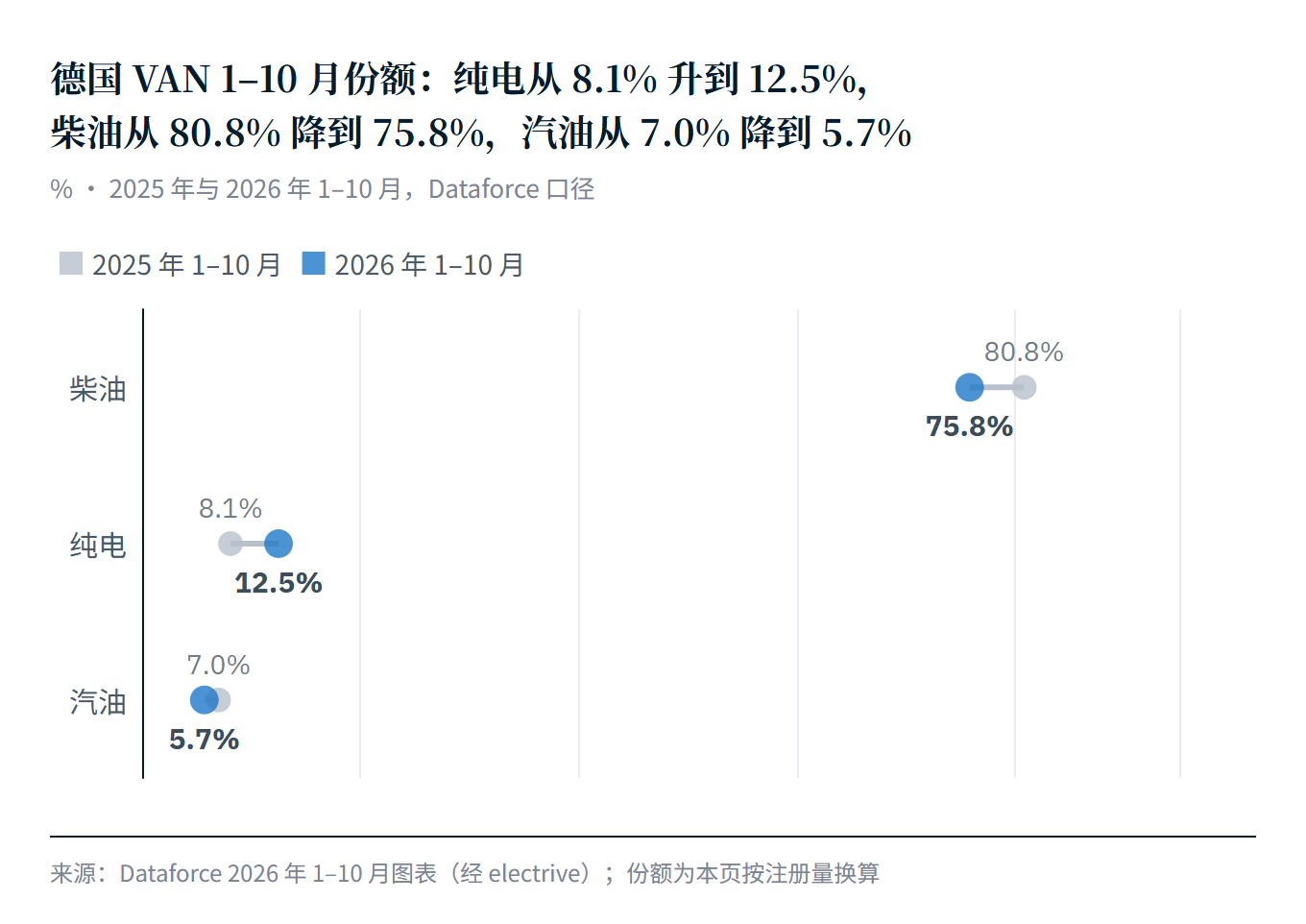
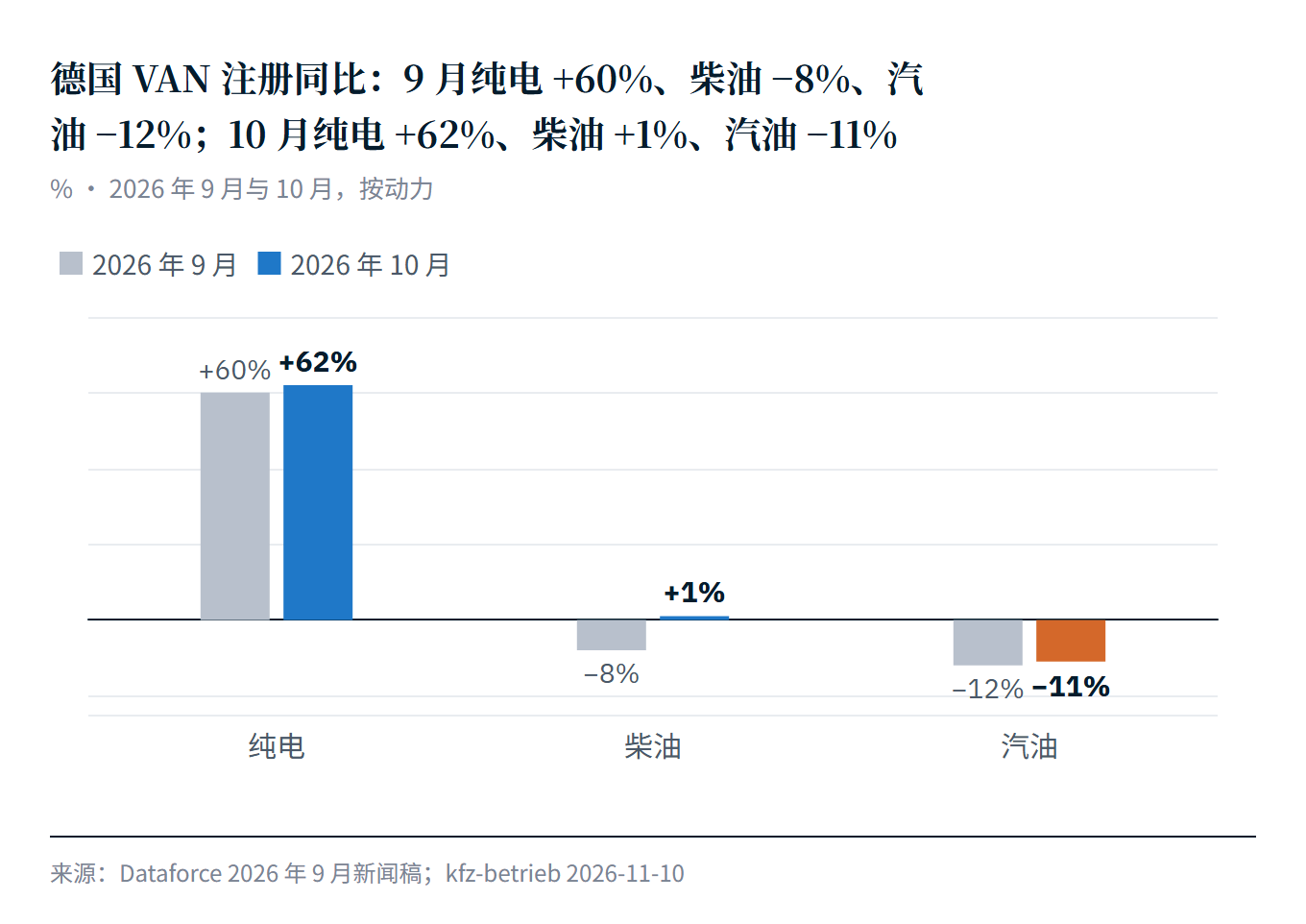
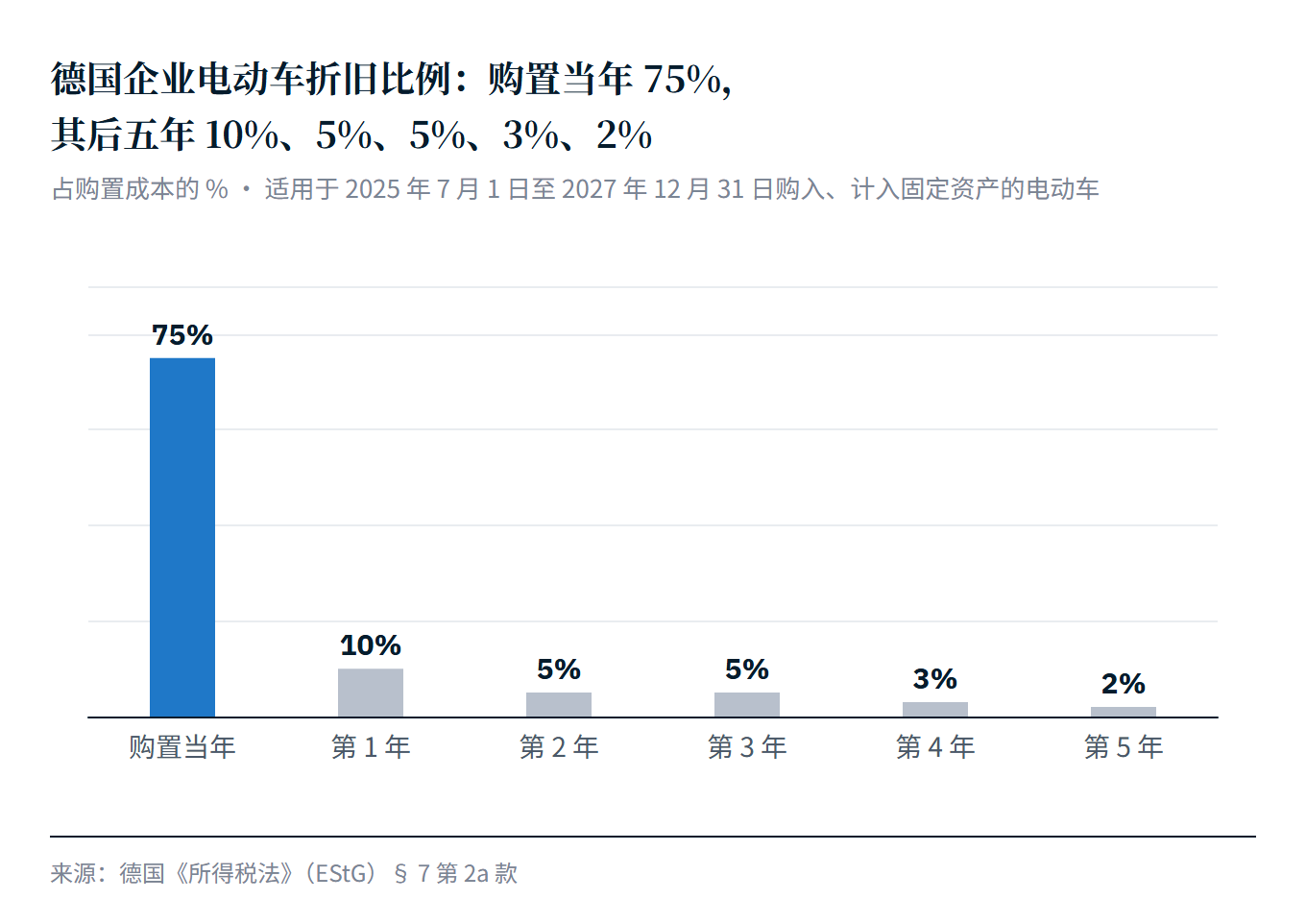
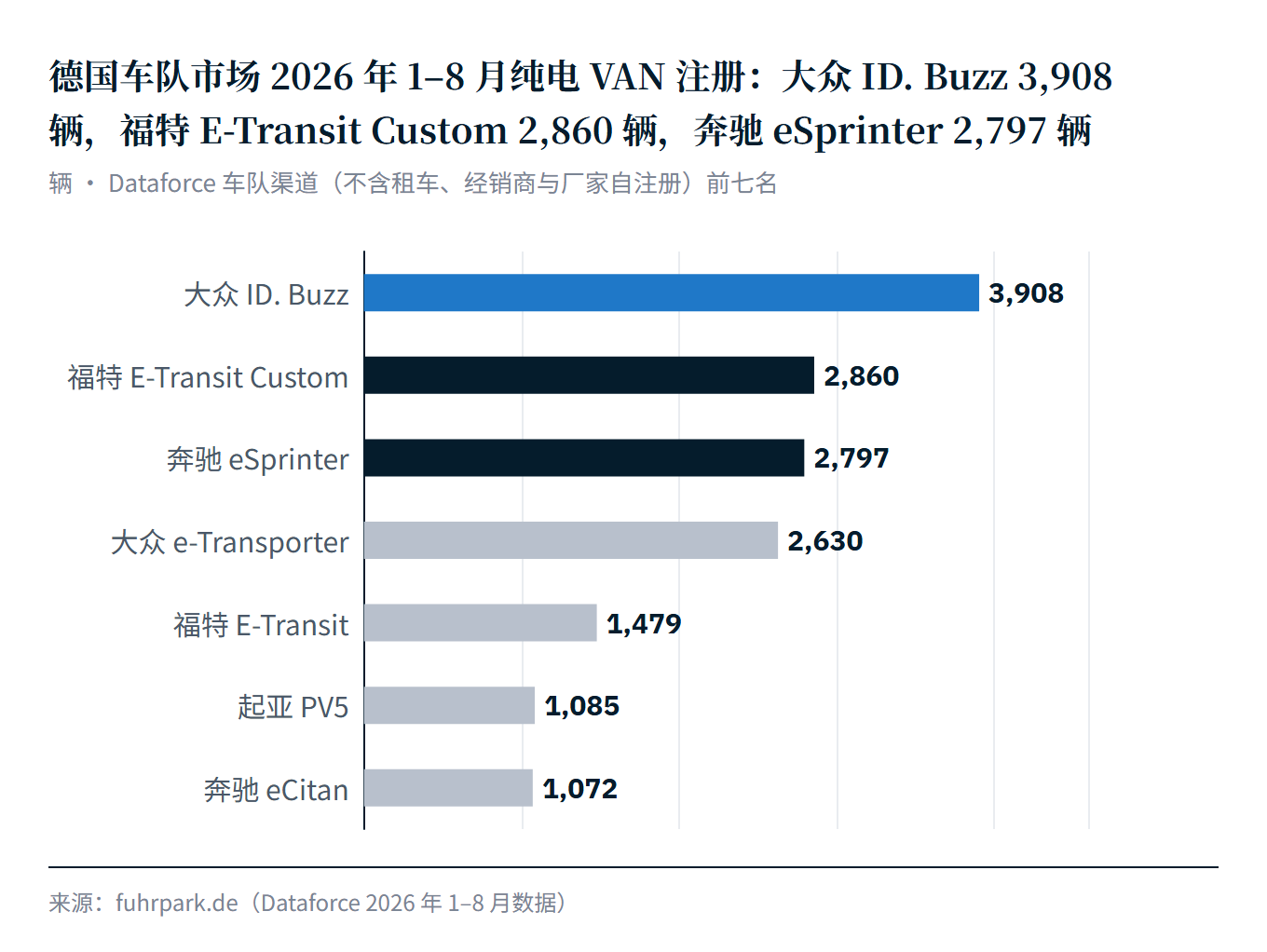
In 1–10, BEV vans reached 51692 units, up 51%, with share rising from 8.1% to 12.5%; diesel fell by 25780 units, with share dropping from 80.8% to 75.8%. In 10, BEV share was 15.7% and diesel 72.9%; diesel registrations rose 1% while petrol fell 11%. In the fleet channel, the most-registered BEV van in 1–8 was the Volkswagen ID. Buzz (3908 units), with the Mercedes-Benz eSprinter third at 2797. Electric vehicles bought by businesses between Jul 2025 and the end of 2027 can be depreciated by 75% in the year of purchase. BEVs keep eating into diesel's share, but three in four new vans are still diesel.
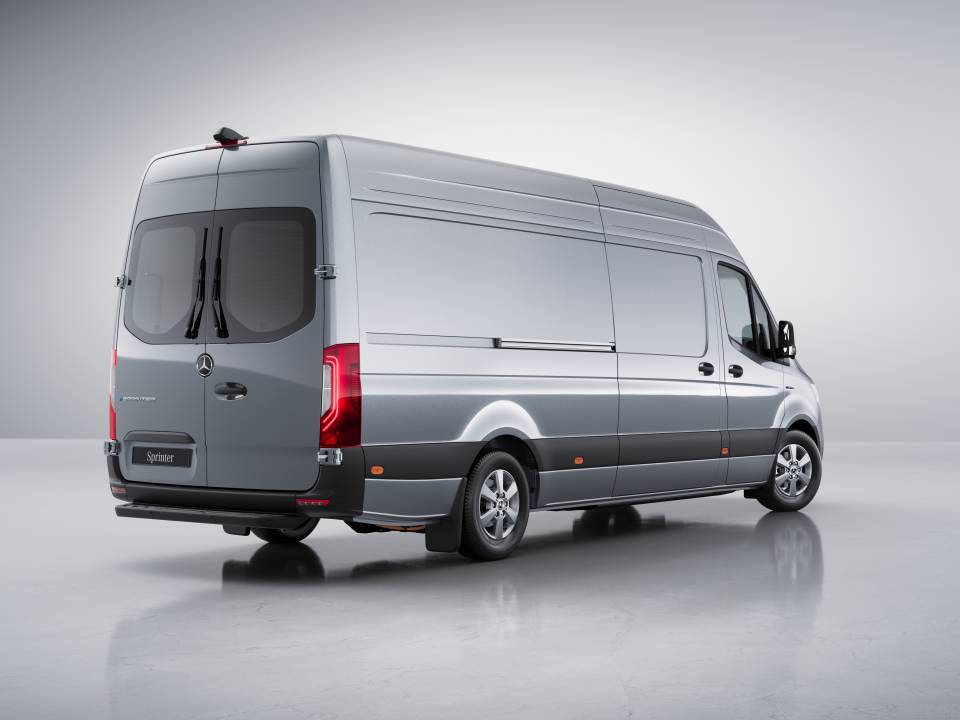
Image source: Mercedes-Benz.
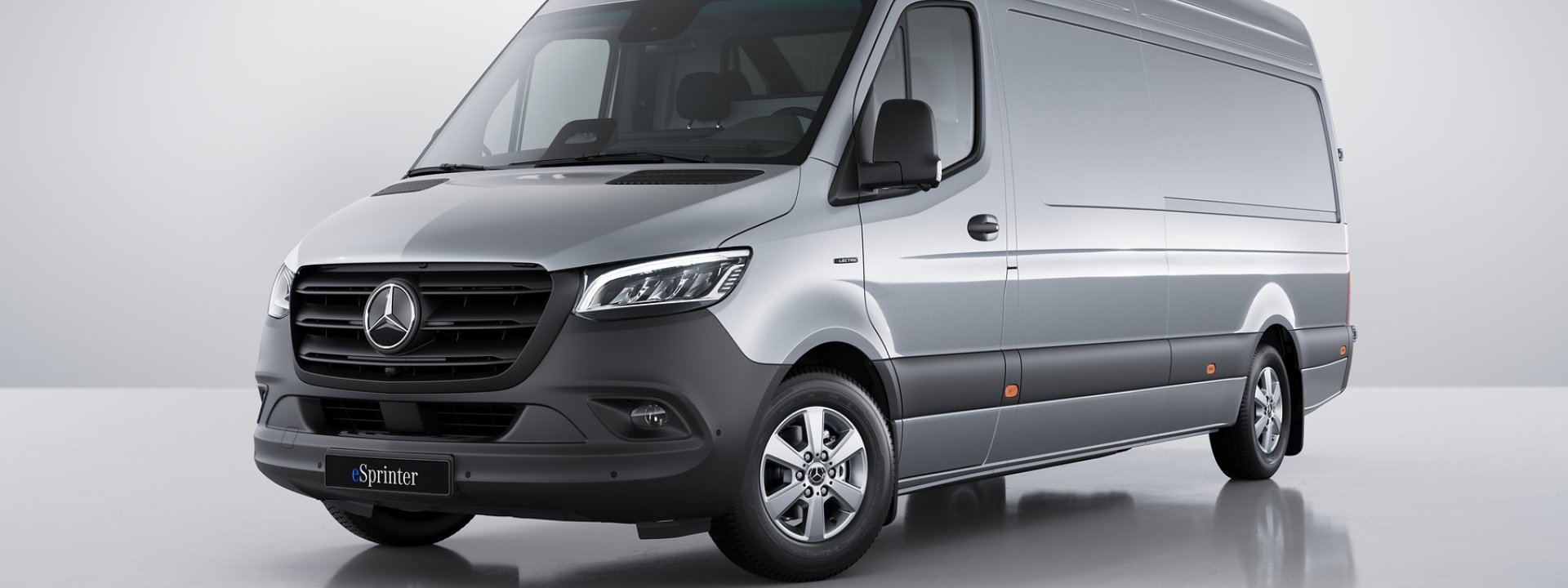
Image source: Mercedes-Benz.
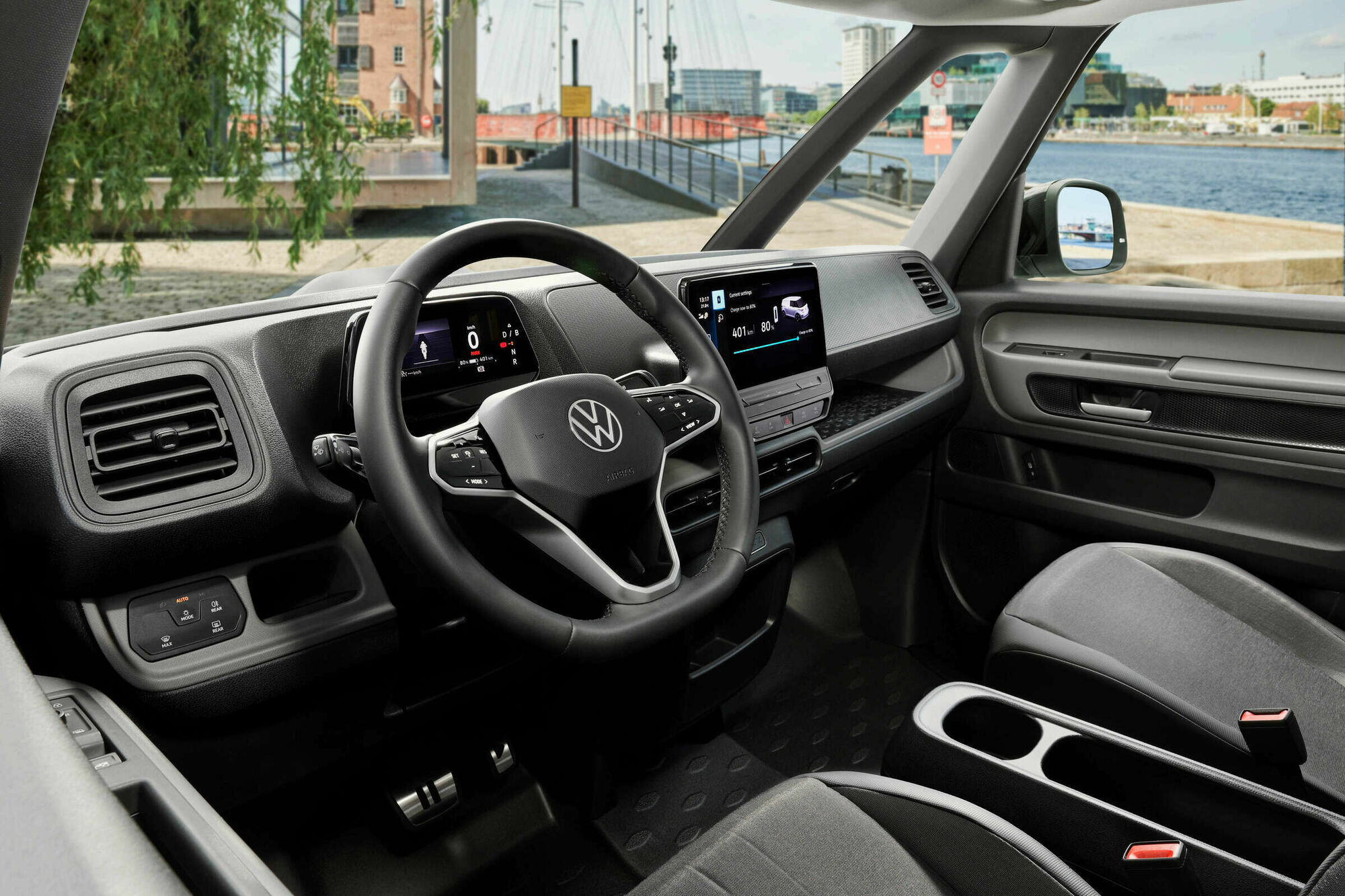
Image source: Volkswagen.
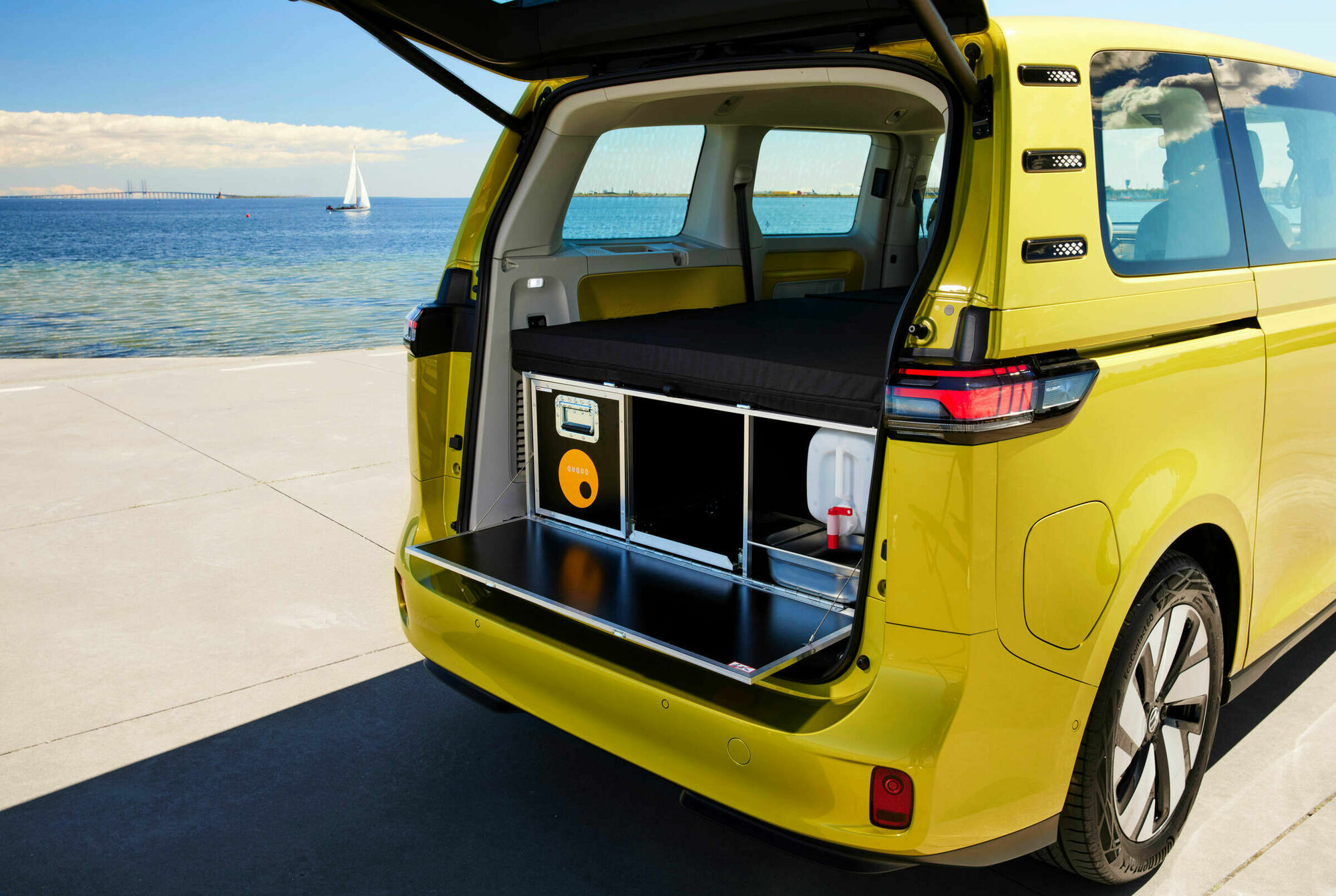
Image source: Volkswagen.
Source: Chart by AutoMusic based on the public sources listed in the article; first published on the AutoMusic WeChat account.