🚐 Chinese NEV commercial vehicles in Europe: an overview (2025 edition)
Chinese-brand new energy commercial vehicle line-up in Europe, 2024-2025, covering three categories: electric buses, vans/light trucks and medium/heavy trucks
📈 In Dec 2025, Chinese automakers' monthly sales in Europe topped 109,900 units for the first time, with market share reaching 9.5%
🚌 Electric buses
Market position: from "participant" to "influencer of pricing and delivery pace"
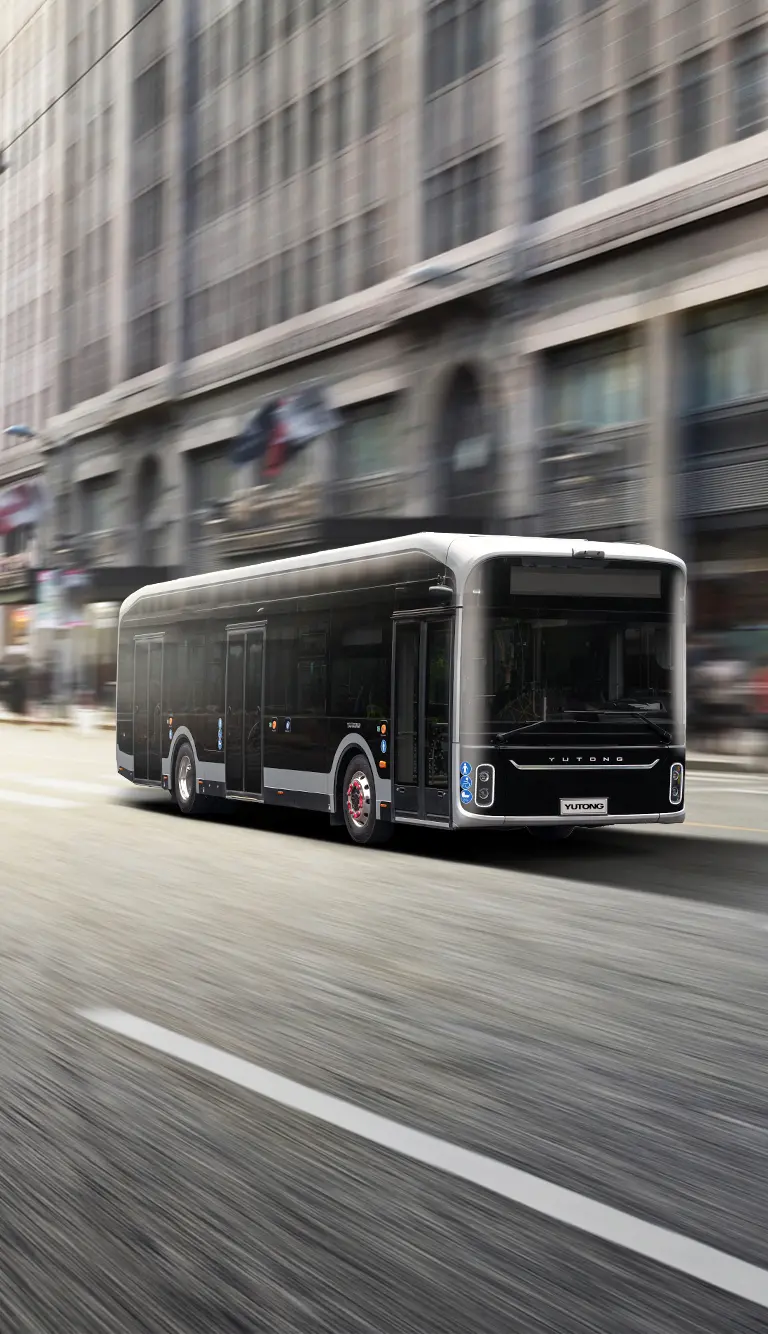
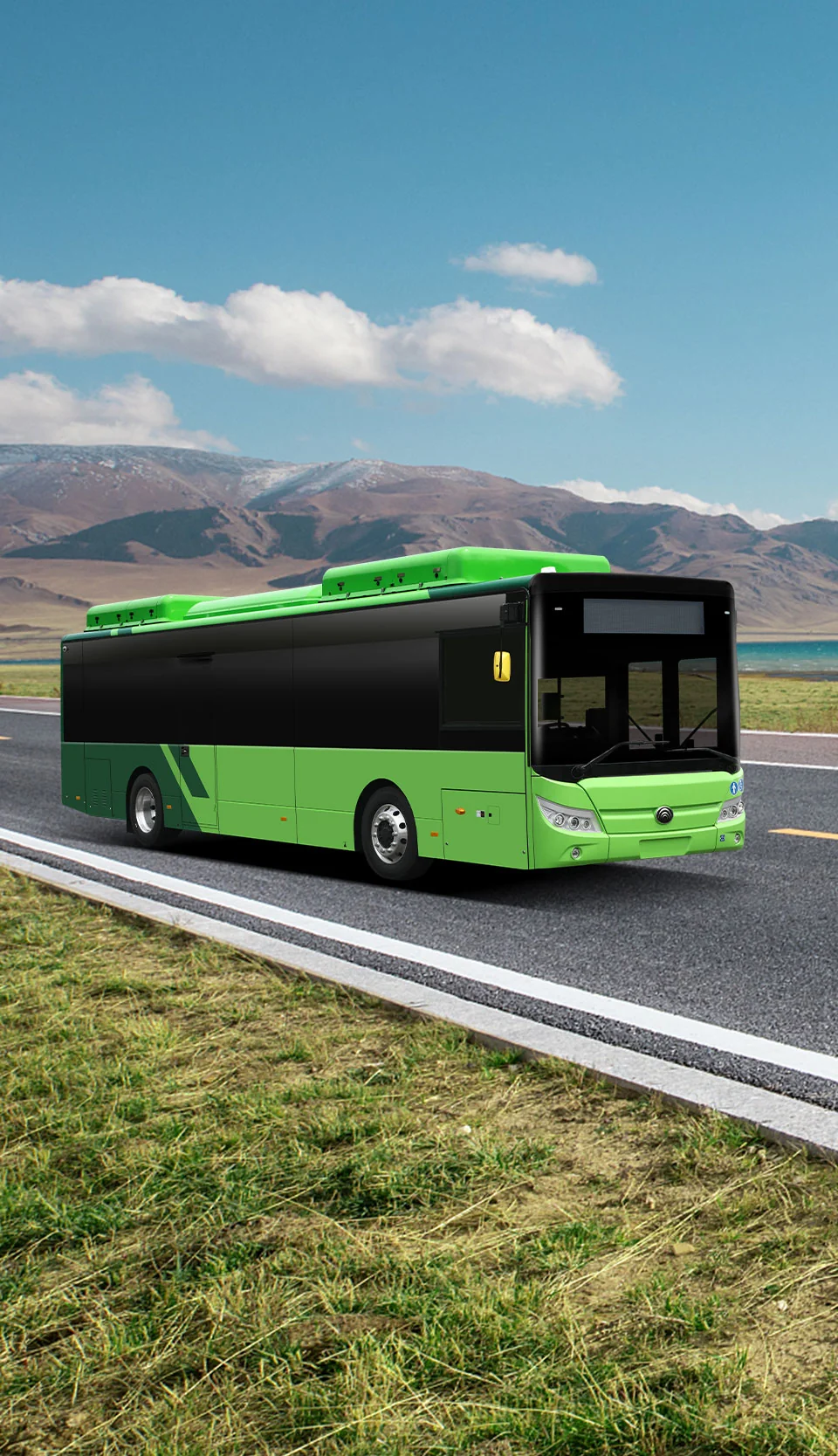
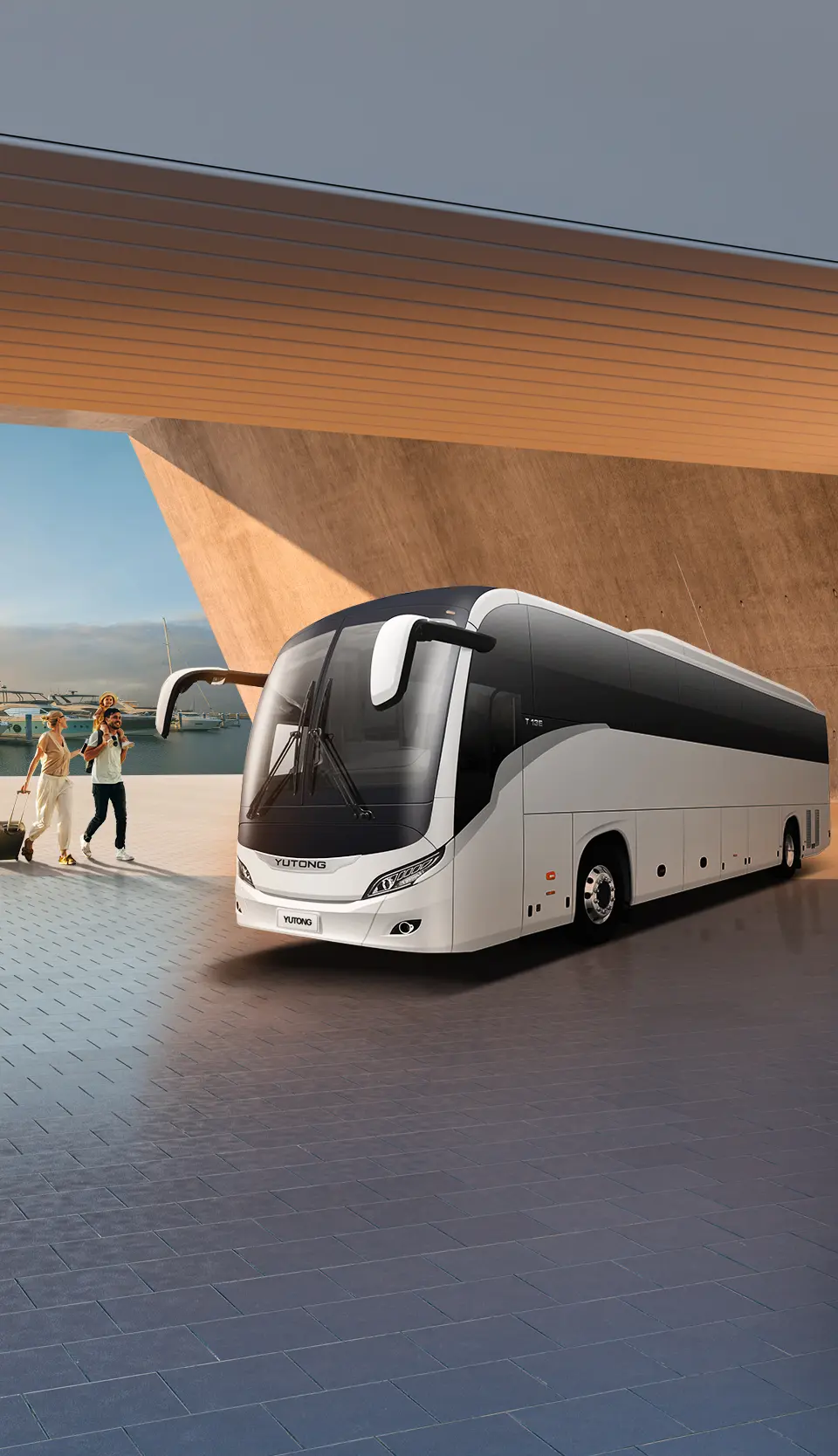
In 2024, European registrations of electric buses above 8 tonnes were about 7,779 units, with an electrification rate of about 18.5%. Yutong sold 852 electric buses in Europe in H1 2025, ranking first with a 16% market share.
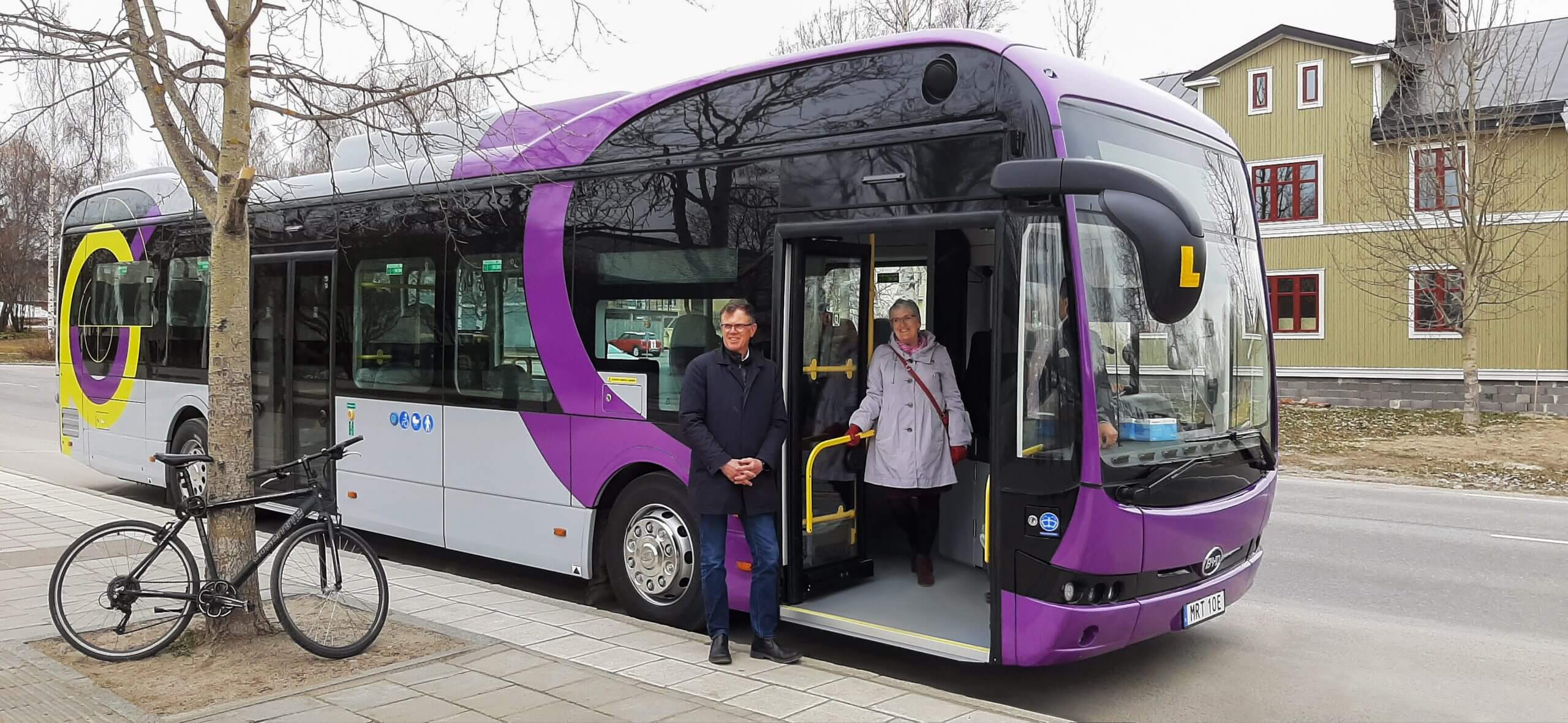
BYD has put more than 5,000 battery-electric buses into service in Europe, covering over 160 cities in 26 countries.
The King Long group holds a 25.9% share of Europe's new energy bus exports, forming a "multi-brand, multi-channel" pattern.
🚛 Electric vans / light trucks
The real watershed is "fleet operations"
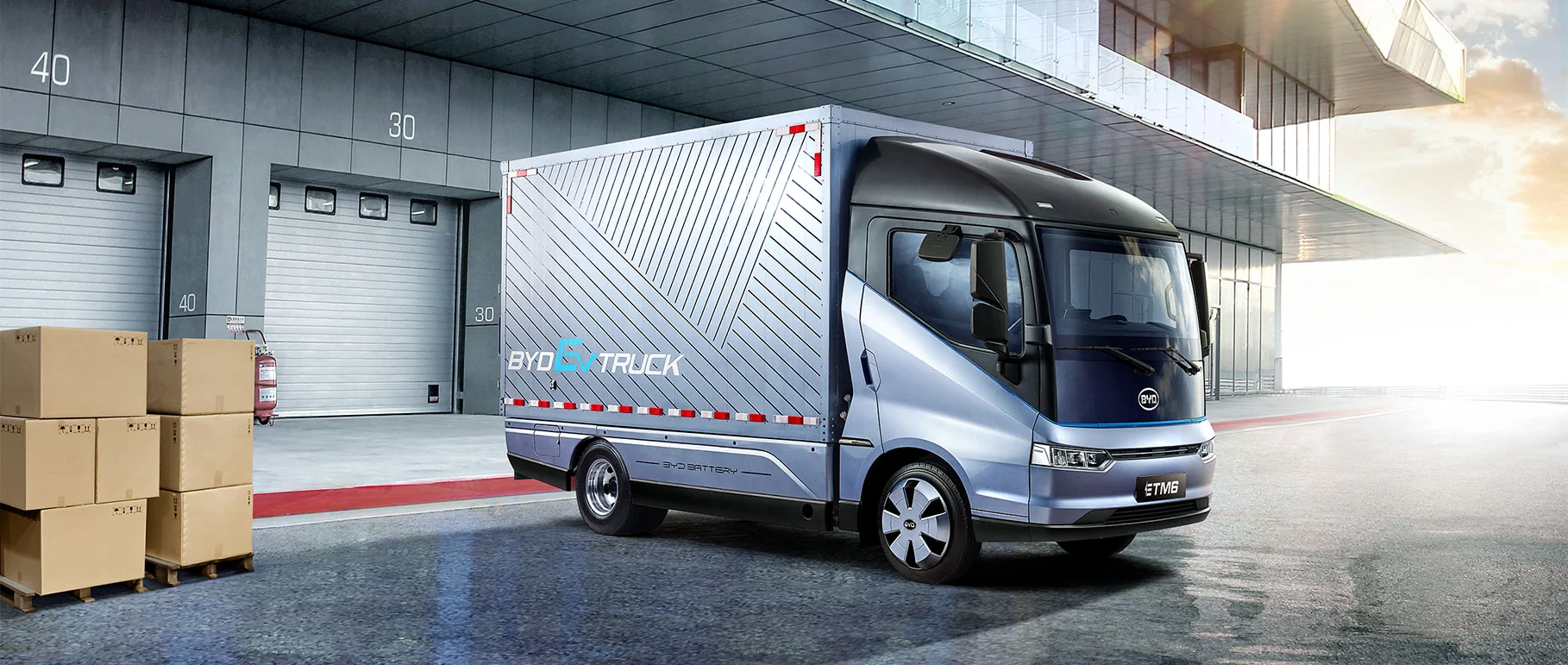
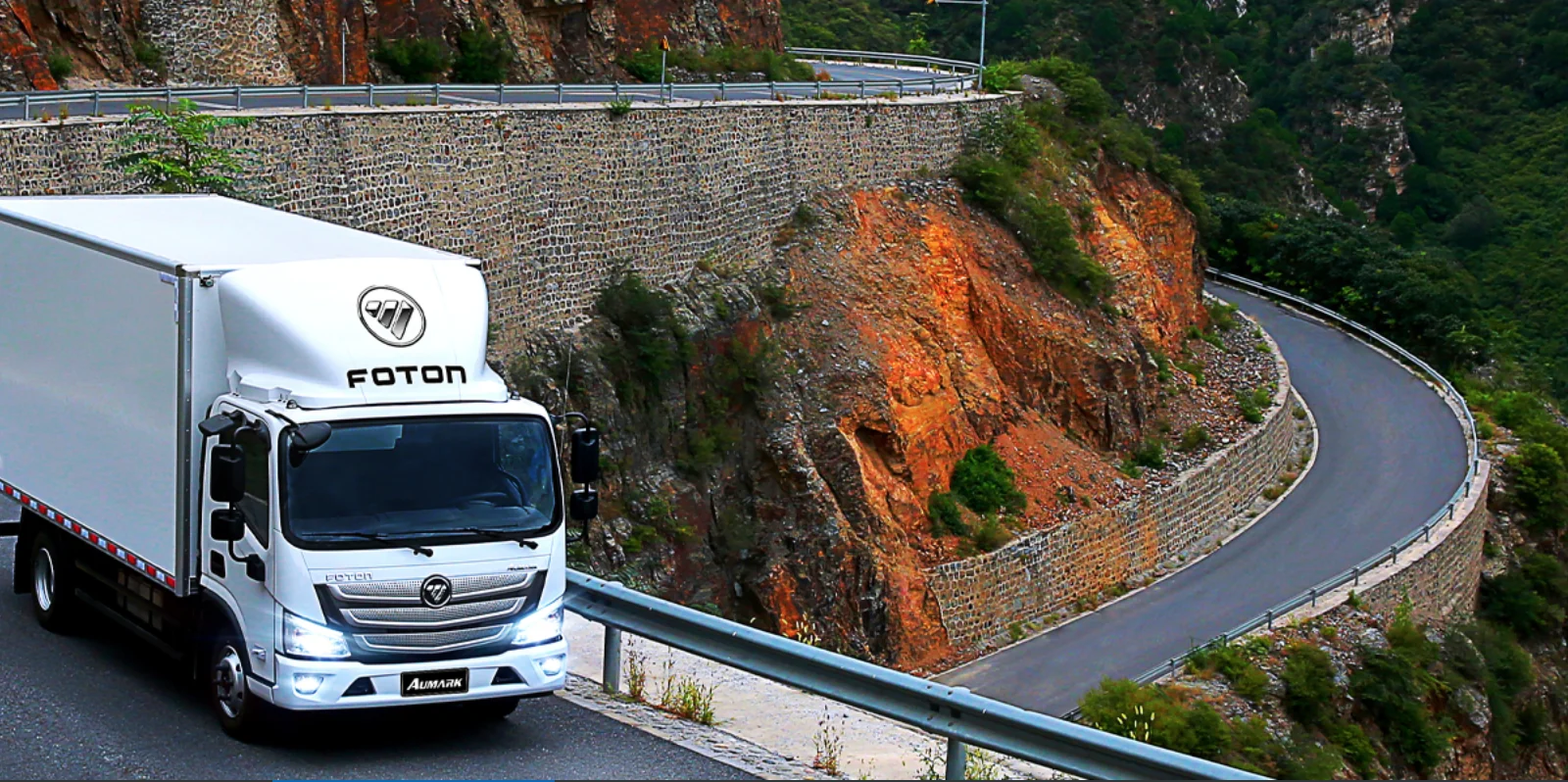
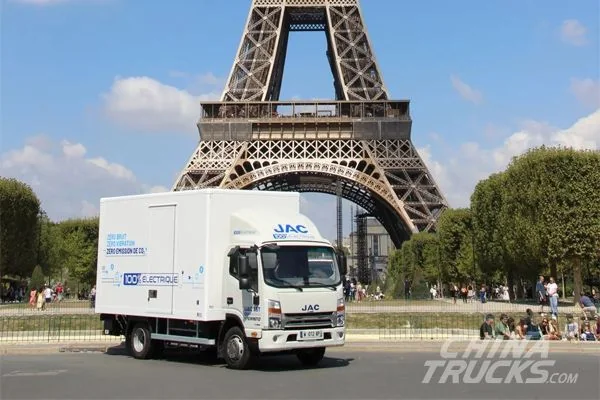
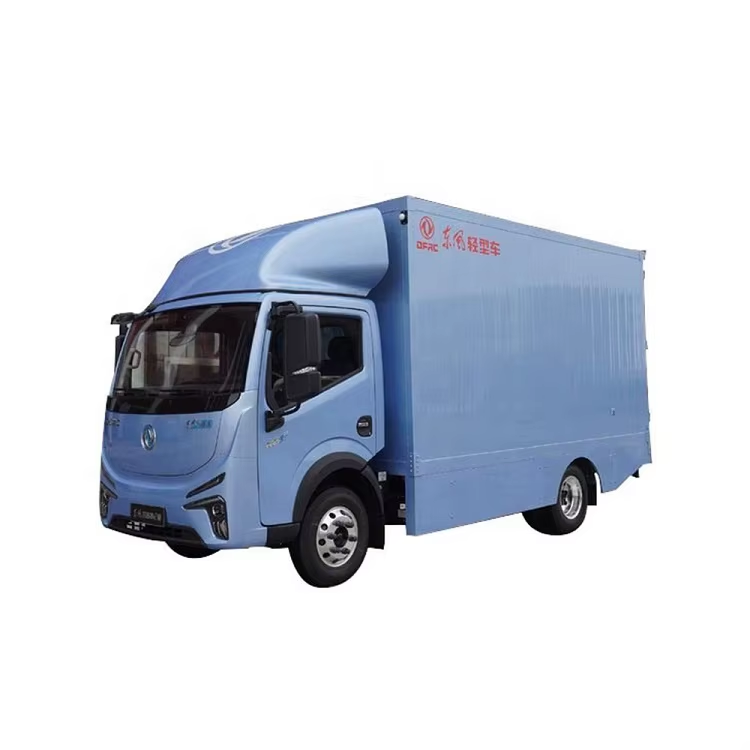
Chinese brands' breakthrough in light commercial vehicles rests mainly on three things: usable load space and payload, relatively controlled purchase costs, and more flexible finance/leasing packages.
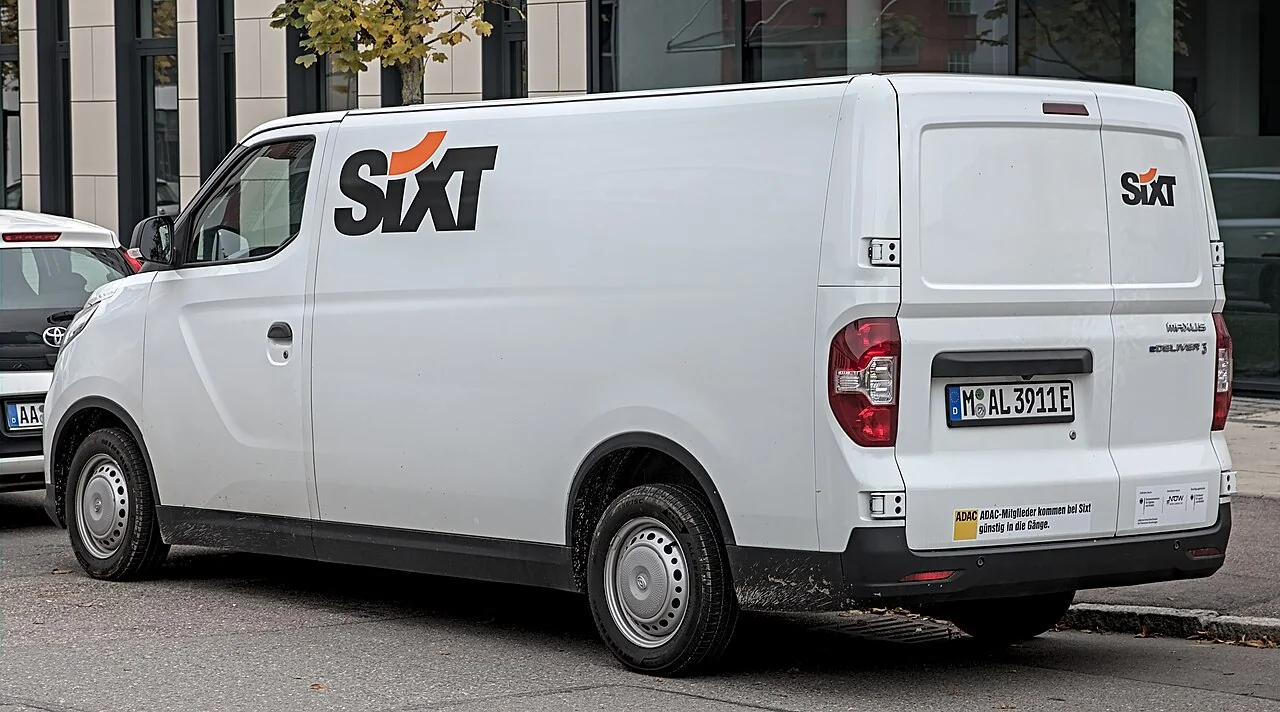
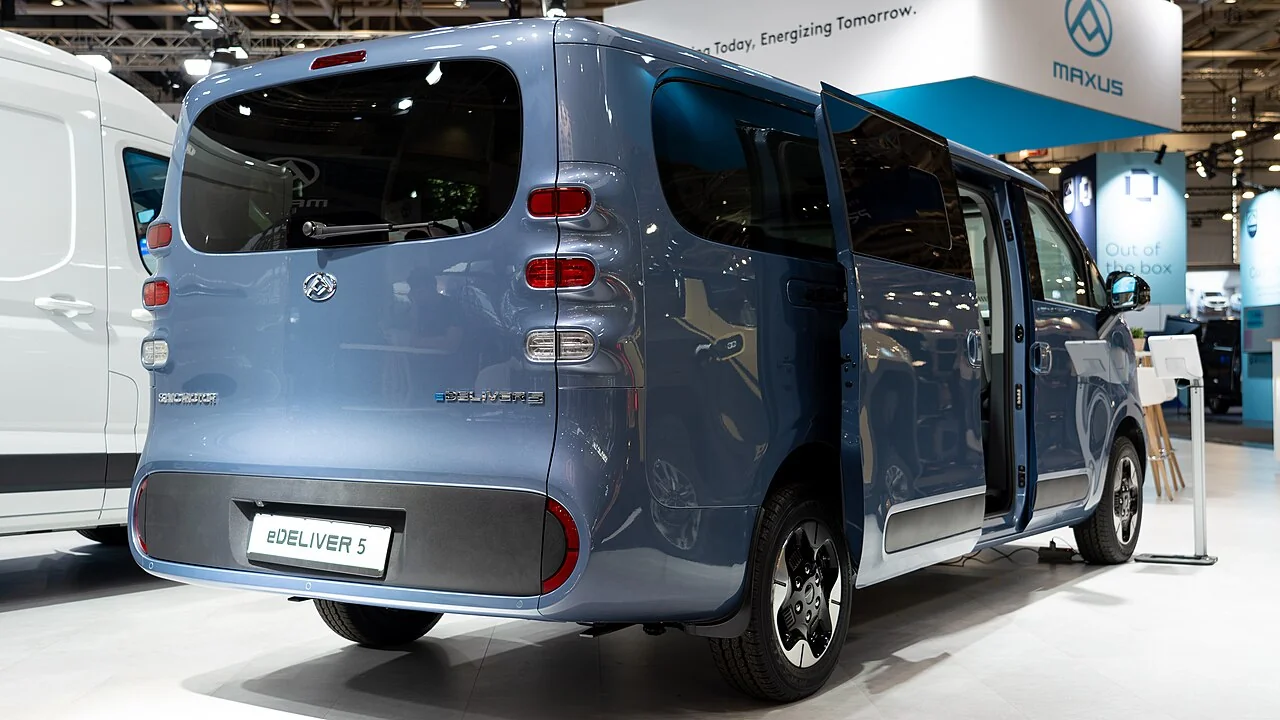
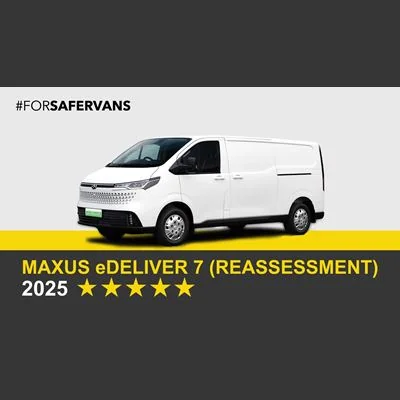
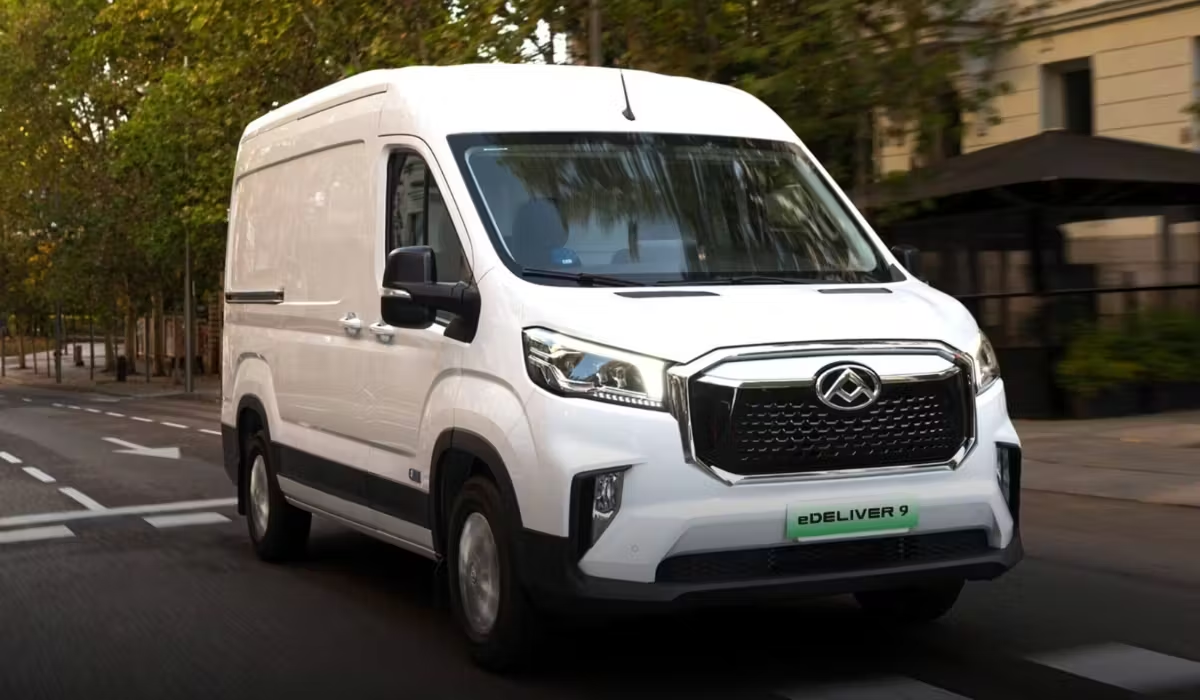
Maxus's eDELIVER series covers needs from urban last-mile to regional distribution, from 4-5 cubic metres up to 12 cubic metres.
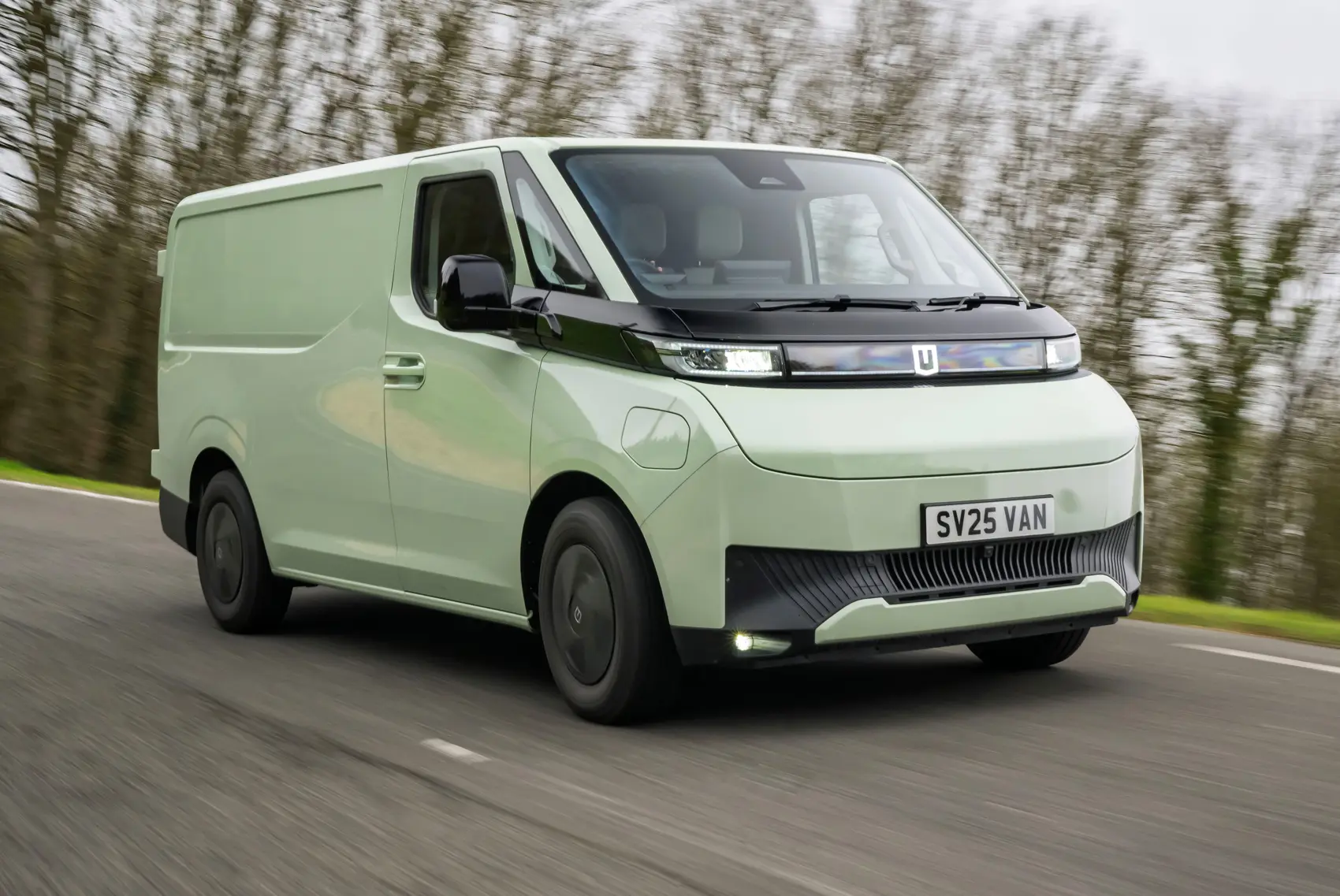
Geely's Farizon SV emphasises its native electric platform and fleet management capabilities.
🚚 Electric medium and heavy trucks
Low penetration doesn't mean limited opportunity
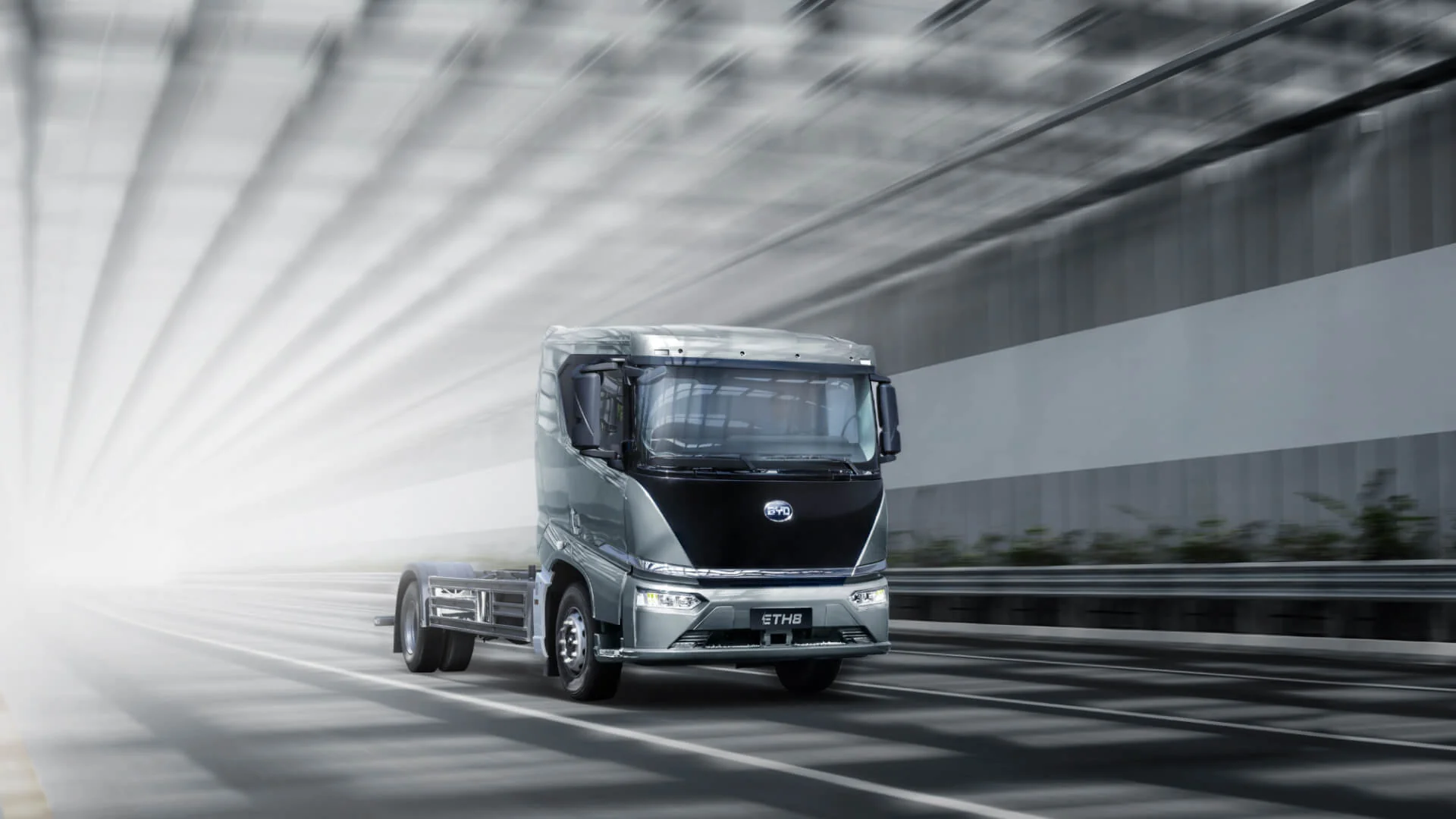
In 2024, European registrations of electric heavy trucks above 16 tonnes were about 4,291 units, with penetration around 2.3%, still at an early stage.
The real constraints on heavy trucks lie outside the vehicle: public and depot charging, grid connection capacity and electricity tariff structures.
Chinese brands follow a "full-vehicle system integration + flagship orders" path, building data in controllable scenarios such as port haulage and urban trunk routes.
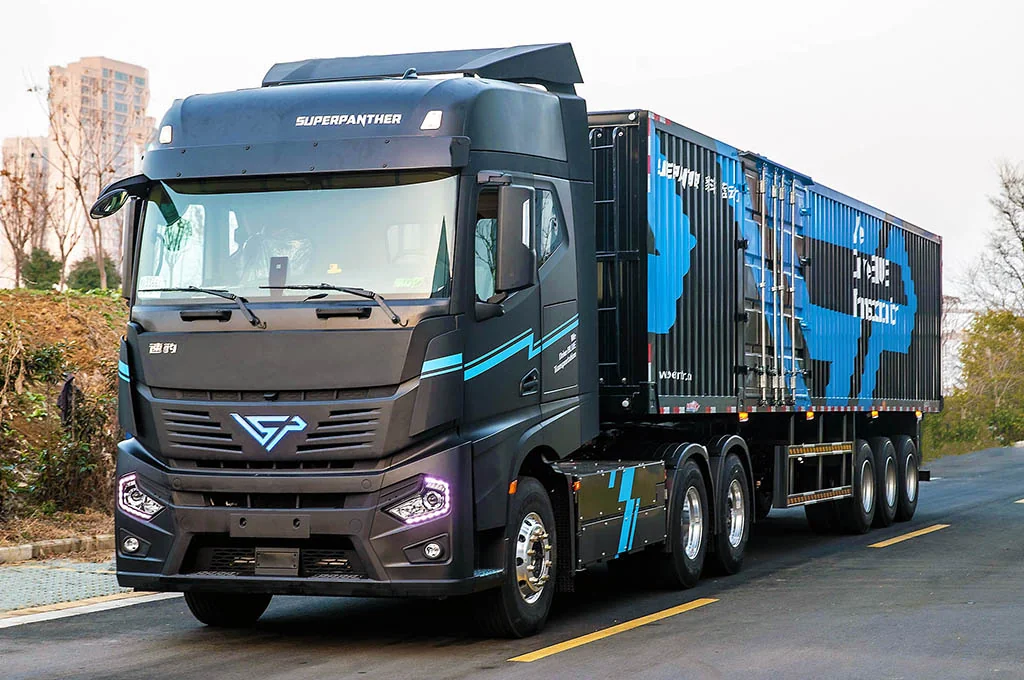
New entrants: SANY e263 (636 kWh battery, deliveries in 2026) and SuperPanther eTOPAS 600 (certified to German standards).